

If you log more hours on the pickleball court, your ankle proprioception helps you play instead of limp out to the parking lot. Every split‑step, dink dash, and shuffle depends on your ankles. They know where they are without extra thought.
When your system is sharp, you stay stable and react fast. You also lower your chance to roll an ankle during a kitchen scramble or awkward backpedal. When your proprioception is dull, even a painted line or stray ball can twist your ankle.
This guide explains ankle proprioception, why it matters for Picklers, five simple exercises you can begin today, and how a nutrition-based supplement like Regenerix Gold supports the joints and muscles you need for each match.
What is ankle proprioception (and why Picklers should care)?
Proprioception is your body’s built‑in GPS. It tells your brain where your joints are, how they move, and how much weight they carry. And it works without you watching.
Ankle proprioception is your ankle’s way to:
- Sense position (inversion/eversion, flexion/extension)
- Detect movement speed and direction
- React to prevent rolling, twisting, or collapsing
On the pickleball court, strong ankle proprioception helps you:
- Land safely after a jump or quick hop
- Stop and start without wobbling
- Recover when you step on a loose ball or another player’s foot
- Stay balanced during wide, stretched moves
Over time, fatigue, injuries, age, and weak muscles can dull this sense. The good news: you can train it—just like your third shot drop or crosscourt dink.
Before you start: safety check for ankle proprioception training
These exercises are simple but challenge your balance and stability. Keep these guidelines in mind:
- Use a sturdy surface, wall, or chair for support.
- Work only pain‑free. Mild muscle effort is fine; sharp joint pain is not.
- Warm up with easy ankle circles, heel raises, and a short walk.
- If you had major ankle injuries or surgeries, check with your healthcare provider or physical therapist before balance work.
1. Single-Leg Stand: Your baseline balance drill
This drill is the “split‑step” of ankle proprioception training. It is basic but powerful.
How to do it:
- Stand near a counter or wall.
- Shift your weight onto your right leg.
- Lift your left foot a few inches off the ground.
- Keep your hips level and relax your knee—not locked.
- Hold for 20–30 seconds, then switch sides.
Make it pickleball‑specific:
- Imagine you are in a ready position at the NVZ (kitchen line).
- Keep a slight bend in the knee and hip. Hold your chest up and keep your eyes forward.
Progressions:
- Slowly turn your head side to side.
- Close one eye (or both if it is safe).
- Try holding for up to 45–60 seconds.
Aim for 2–3 rounds per leg. This drill teaches your ankle to adjust with each mini hop, just like when waiting for a serve.
2. Single-Leg Balance with Reach: Mimic those wide kitchen gets
Once you balance on one leg, add some “pickleball chaos.”
How to do it:
- Stand on your right leg with a slight bend in the knee.
- Slowly reach forward with your left hand toward the floor as if you are scooping a low dink.
- Keep your standing knee aligned over your toes. Do not let it cave inward.
- Return to the upright position while keeping your balance.
- Do 8–10 controlled reps, then switch legs.
Pickleball twist:
- Pretend you are reaching for a tricky drop off the kitchen line.
- Alternate reaching forward, diagonally right, and diagonally left.
Why it helps: This drill challenges your ankle in several directions. It is like lunging for a wide dink or recovering from a mis‑timed split‑step.
3. Tandem Walk: Train your “recovery shuffle” control
The tandem walk looks simple, yet it lights up the small stabilizer muscles in your ankles and feet.
How to do it:
- Stand tall with one foot directly in front of the other, heel touching toe—as if on a tightrope.
- Step forward slowly, placing each back foot directly ahead of the other.
- Walk 10–20 steps in a straight line.
- If you are steady, turn around and walk backward in the same heel‑to‑toe pattern.
Make it court‑relevant:
- Imagine you are backing up to catch a lob while staying controlled.
- Keep your eyes forward after you feel comfortable.
Progressions:
- Do it on a foam pad or yoga mat.
- Hold a lightweight paddle out in front of you while you walk.
This drill teaches your ankles to stay steady as your support base changes. It is like recovering from a deep shot and sprinting back to the kitchen.
4. Wobble or Pillow Balance: Controlled instability work
Use a wobble board or balance pad. A firm pillow or folded blanket also works.
How to do it:
- Place the wobble board, pillow, or blanket on the floor near support.
- Step onto it with both feet, shoulder‑width apart.
- Soften your knees and find your balance.
- Shift your weight slightly forward, backward, and side to side.
- When you are comfortable, try balancing on one leg for 15–20 seconds.
Optional pickleball upgrade:
- Hold your paddle and simulate light volleys or dinks while balancing.
- Have a partner toss a ball gently for you to tap back without losing balance.
Why it matters: Pickleball courts are flat, but your movements are not always perfect. This controlled instability teaches your ankles to react quickly when your landing is a bit off.
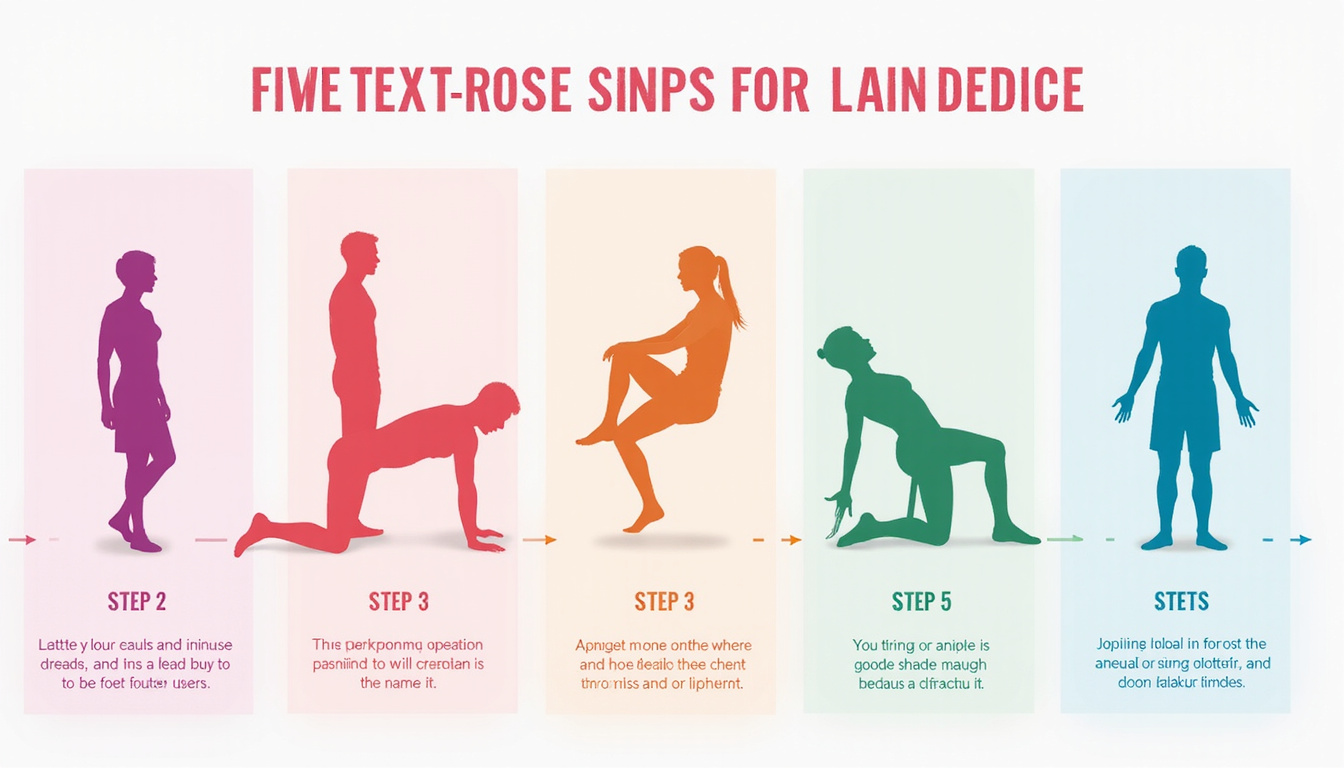
5. Dynamic Hop and Stick: Practice safe, soft landings
This exercise is more advanced. It mimics the sudden moves you make during a game.
How to do it:
- Stand on both feet with hips back and knees soft.
- Hop forward a few inches and “stick” the landing with no extra steps.
- Land softly with bent knees and centered weight.
- Progress to small lateral hops (side to side).
- Eventually, hop off one foot and land on the same foot, holding for 2–3 seconds.
Form tips:
- Land quietly; loud landings may mean a heavy impact.
- Let your knees track over your toes, not collapse inward.
- Keep your chest up. Do not lean forward.
Make it pickleball‑specific:
- Imagine you are reacting to a sudden increase in speed at the kitchen.
- Hop, plant, and freeze in a ready position for the next ball.
Do 2 sets of 6–8 hops each direction. Rest as needed.
How often should you train ankle proprioception?
For Picklers, treat ankle proprioception like soft‑touch drills. Small, regular doses work best.
A simple schedule:
- 2–3 times per week
- 10–15 minutes per session
- Rotate through 5 exercises, choosing 3–4 each day
Stay consistent rather than intense. In a few weeks, you may notice:
- More confidence when changing direction
- Less wobble during lunges
- Better control when you are tired
Joint & muscle support from the inside: Where Regenerix Gold fits in
Court work is important. Yet, your ankles—and your knees, hips, and lower back—need good fuel too.
Regenerix Gold is a nutrition-based solution that supports your joints and muscles.
Why many Picklers look to nutrition for support: Every game puts stress on your joints and muscles. Along with training, stretching, and smart playing, many players add daily nutrients that:
- Support healthy joint function
- Help maintain smooth movement
- Nourish muscles and tissues
- Work with your on-court drills
According to the National Institutes of Health, some nutrients help joint and muscle health when you follow a balanced approach. (Source: NIH Office of Dietary Supplements)
What sets Regenerix Gold apart for Picklers:
- Nutrition-based solution
It supports joint and muscle health from the inside. It works with your drills, strength work, and play. - Recommended by doctors and physical therapists
Healthcare professionals often suggest joint support supplements. Regenerix Gold is one such supplement. - Over a decade of use with positive feedback
Users around the world in sports like pickleball, tennis, and more praise its benefits.
If you value preparation—whether by bringing extra paddles or tracking your DUPR rating—supporting your health with Regenerix Gold is a smart, proactive step.
Practical routine: combine drills + recovery + nutrition
You do not need a full‑time trainer to build a Pickleball‑friendly ankle plan. Try this weekly outline:
-
Before play (5–7 min)
- Do a light warm‑up walk.
- Perform ankle circles and gentle stretches.
- Complete 1–2 sets of single‑leg stands and tandem walks.
-
On off‑days (10–15 min)
- Do 3–4 proprioception drills from the list above.
- Add light calf raises and hip strengthening exercises.
-
Daily nutrition habit
- Eat a balanced diet with protein, fruits, and vegetables.
- Consider adding Regenerix Gold as your joint and muscle support supplement. Follow the label and your healthcare provider’s advice.
-
Recovery staples
- Hydrate well, get enough sleep, and do occasional cross‑training (walking, biking, light strength work).
Regenerix Gold video overview
Learn more about how Regenerix Gold supports active joints and muscles here:
FAQ: ankle proprioception and Pickleball
Q1: How does better ankle proprioception help my Pickleball game?
Better ankle proprioception makes your body sense and react faster. It helps you with split‑steps, shuffles, and stops. This gives you smoother footwork, stable lunges at the kitchen, and more confidence chasing lobs.
Q2: Can ankle proprioception exercises reduce my risk of ankle twists when I play?
Regular exercises improve balance and control. They help you react better to awkward landings or missteps. No exercise guarantees you will never twist an ankle. Yet, many Picklers feel more stable and secure with this training.
Q3: Are there other ways to improve ankle joint awareness besides exercises?
Yes. Overall strength training, flexibility work, quality footwear, and court awareness all help. Many players also support their joints and muscles with a nutrition-based supplement like Regenerix Gold. Professional guidance from doctors or physical therapists also plays a key role.
Play longer, move smarter: your next step
Every Pickler knows the feeling. You get dialed in, dinking on autopilot, and one bad step can sideline you for weeks. Building strong ankle proprioception is a smart tool. It protects your court time and keeps your movement sharp.
Spend a few minutes on targeted drills. Take recovery seriously. Support your joints and muscles from the inside with Regenerix Gold. This message is clear: You plan to be on court—not on the couch.
If you think ahead for your performance and long‑term health, now is the time to act.
Consider a bottle of Regenerix Gold. It is like upgrading to a better paddle or shoes—a smart investment. It helps you stay in the game, play with confidence, and keep chasing every ball like the true Pickler you are.
https://youtu.be/mGrH5UWFxUs?si=X9bScbG6dvejGkZf
Health Note
Always consult a licensed medical doctor for your health issues.
Special Discount
If you prefer preventive nutrition to minimize expensive knee surgery and potentially addictive pharmaceuticals, Regenerix Gold is your savvy solution.
You qualify for a special discount.
Simply use the link below and a discount will automatically be applied during checkout.
Get Regenerix Gold => HERE


