

If your doctor suggests arthrocentesis, you face joint swelling, pressure, or stiffness that persists.
Your knee may feel full of water. Your ankle can feel tight and hot. Your shoulder may not move as before.
Joint aspiration removes extra fluid. It also helps your care team learn what is inside the joint.
The big questions remain: How will you feel afterward? How soon will you move normally again?
This guide shows what to expect during joint aspiration recovery. It explains normal sensations and warns about those that are not. It also gives tips for nutritional support to keep joints and muscles healthy with options like Regenerix Gold.
What Is Arthrocentesis, in Everyday Terms?
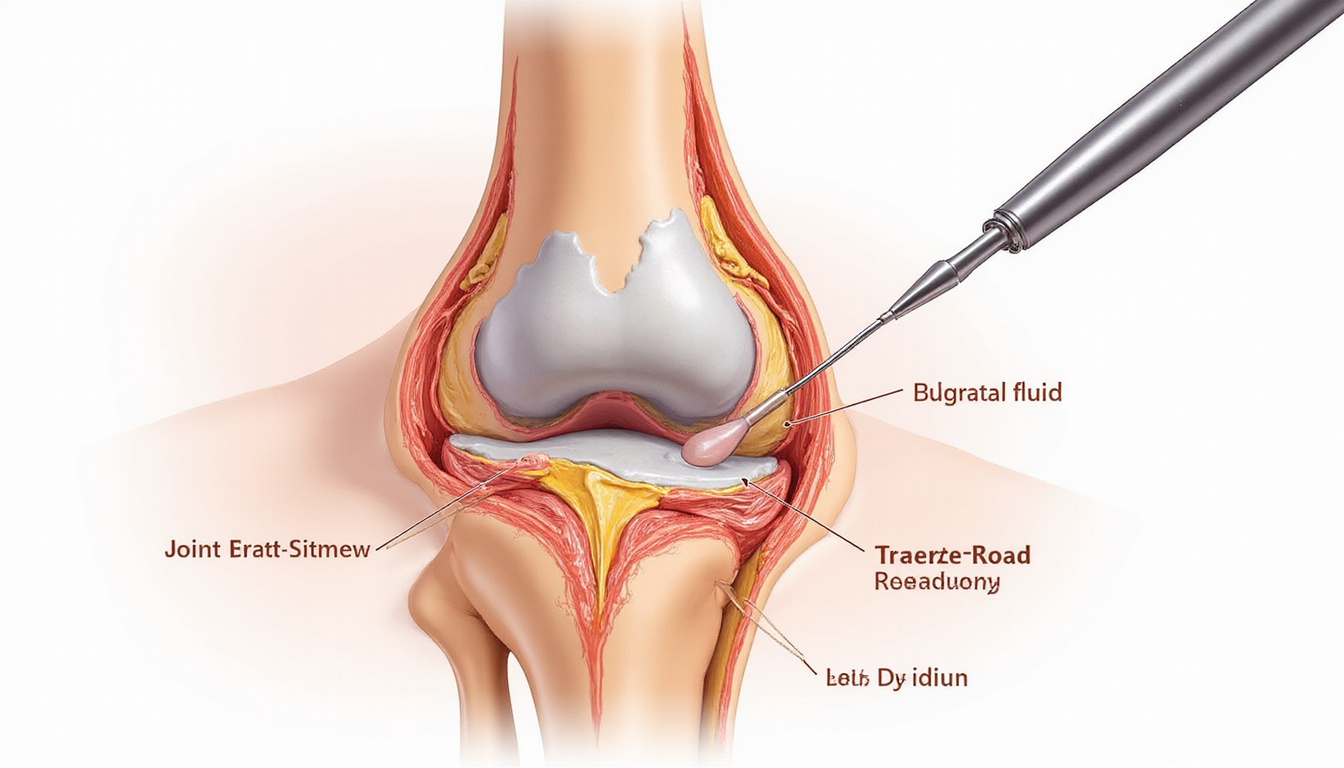
Arthrocentesis is a simple procedure. A healthcare provider uses a small needle and inserts it into a joint space. They then draw out fluid.
Many patients say, “I got my knee drained” or “They tapped my joint.”
It can be done on:
- Knees
- Ankles
- Hips
- Shoulders
- Elbows
- Wrists or small joints in the hands and feet
The drawn fluid usually goes to a lab for analysis. Sometimes, your provider may inject medicine into the joint afterward.
Even if arthrocentesis is fast and done in a clinic, it is still a procedure on a joint you use daily. Recovery matters when you already cope with creaky, achy, or overworked joints.
Right After Arthrocentesis: The First 24 Hours
What you’ll likely feel
Right after the procedure, you might feel:
• A sense of lightness or less pressure in the joint if much fluid was removed.
• Mild soreness at the needle site, much like the feeling after a shot or blood draw.
• Some stiffness as the numbing medicine wears off.
Many say, “The pressure is better, but it is a little sore where they poked it.”
Typical immediate care instructions
Your provider gives specific directions. Common advice is to:
• Rest the joint. Avoid heavy loading, deep squats, long walks, or long periods of standing on the same day.
• Ice the area for 15–20 minutes at a time several times during the day. Always put a cloth between your skin and the ice pack.
• Use a compression bandage if recommended, to help with swelling.
• Elevate the joint if possible, especially knees and ankles, to reduce swelling and throbbing.
Over-the-counter pain relievers might be suggested if they are safe for you. Always follow your provider’s instructions.
Days 1–3: Early Arthrocentesis Recovery
Common sensations and symptoms
During the first few days you may notice:
• Less tightness or fullness in the joint than before the procedure.
• Mild tenderness or a bruised feeling by the needle site.
• Occasional stiffness, especially after sitting or when you first wake up.
If you had long‑standing creaks, grinding, or a “crunchy” feel before, these may still exist. The procedure mainly removes excess fluid and offers diagnostic clues; it does not change the joint’s structure.
Activity level
Within 24 hours many people can enjoy light daily tasks—if they:
• Avoid high-impact or high-load movements such as running, jumping, or heavy lifting.
• Steer clear of twisting or pivoting motions on the affected joint.
• Listen to the signals from their body:
– Mild soreness or tightness that eases with gentle movement is acceptable.
– Sudden, sharp, or catching pain means you should slow down and call your provider.
When discomfort is not normal
Call your healthcare provider immediately if you see:
• Rapid pain that is worse than before the procedure.
• Significant redness, warmth, or swelling around the joint that keeps growing.
• Fever or chills.
• Fluid, pus-like drainage from the needle site.
These signs may mean complications that need quick medical care. Although arthrocentesis is usually safe, any invasive procedure carries some risk (source: Mayo Clinic).
The Next 1–2 Weeks: Getting Back to Real Life
Gradual return to normal use
Most people go back to their regular routines over 1–2 weeks. How quickly this happens depends on:
• Which joint was treated (knees and ankles have more strain).
• How irritated or swollen the joint was before.
• Whether your provider injected medicine into the joint.
You might feel:
• Slight twinges or dull aches when climbing stairs.
• That the joint is “not quite 100%” after long walks or chores.
• Some muscle fatigue around the joint as your body guards against pain.
Gentle range-of-motion exercises and low-impact activities—like short walks, light stationary cycling, or pool walking (if your provider agrees)—can ease the joint without overloading it.
Supporting Your Joints and Muscles During Recovery
Arthrocentesis helps remove extra fluid and reduce pressure. Yet, it does not rebuild joint surfaces or muscle support overnight. Long-term comfort depends on how you care for the whole joint system. This includes your cartilage, tendons, ligaments, and the muscles around the joint.
Persons with chronic stiffness, a “bone‑on‑bone” feel, or “locking and catching” may need a multi‑pronged plan:
-
Targeted exercise and physical therapy
Strengthen the muscles that support your joint. Improve movement mechanics. This reduces daily strain. Stronger, more balanced muscles can make knees or shoulders feel better. -
Weight management and joint‑friendly movement
Every extra pound adds stress to weight‑bearing joints. Low-impact activities (walking, cycling, elliptical, water workouts) help you move without extra pounding. -
Ergonomics at work and home
Adjust your desk height, chair support, and lifting methods. These changes lessen extra wear and tear on your joints. -
Nutrition for joint and muscle health
Joints and muscles need nutrients and bioactive compounds. A well‑formulated supplement may help complete your joint‑care routine.
Why Many People Use Nutrition‑Based Joint Support Like Regenerix Gold
If you have had arthrocentesis—or you want to avoid repeat procedures—you may ask, “How can I support my joints and muscles every day?”
Regenerix Gold is a nutrition‑based supplement for joint and muscle health. Here is how it fits into a joint‑care plan:
• Nutrition‑focused approach:
Regenerix Gold provides nutritional support for joint and muscle health. It is a dietary supplement. It does not diagnose, treat, cure, or prevent any disease. It does not replace procedures like arthrocentesis.
• Recommended by doctors and physical therapists:
Many healthcare professionals suggest Regenerix Gold for patients who face joint discomfort and muscle tightness. It works best when combined with exercise, weight management, and healthy lifestyle changes.
• Over a decade of international use:
For more than ten years, Regenerix Gold has helped users in many countries. People with various joint pains—whether it is knees that protest every step or shoulders that hurt with light reach—say it is now part of their joint health routine.
• Designed for ongoing support:
Unlike a single, quick procedure, a daily supplement gives continuous nutritional support for cartilage, connective tissues, and muscles. It helps you during work, at home, or during weekend yard work.
Always talk with your doctor before starting any new supplement, including Regenerix Gold. This is important if you are pregnant, nursing, or have any medical conditions or prescription medications.
How Regenerix Gold Fits Into Life After Arthrocentesis
After arthrocentesis, you likely have clear priorities:
• Regain confidence as you bear weight on the joint.
• Reduce day-to-day stiffness and that “rusty hinge” feeling.
• Stay active at work without worrying about joint pain.
• Avoid more invasive and expensive treatments if possible.
People commonly add Regenerix Gold into their routine by:
• Making it part of a daily routine:
Taken consistently, it builds a nutritional foundation for both joint and muscle health. This works well with physical therapy, home exercise programs, and a gradual return to activity.
• Using it with professional guidance:
Your doctor or physical therapist may suggest nutrition-based support like Regenerix Gold. This is done alongside mechanical, strength, and movement therapies.
• Keeping it for long-term maintenance:
Many users continue taking Regenerix Gold long after the immediate recovery. This is especially true if they have “well‑worn” joints from years of work, sports, or aging.
Remember, supplements like Regenerix Gold work best as part of a comprehensive joint-care plan, not as a stand-alone fix.
Practical Tips for a Smoother Joint Aspiration Recovery
Use this checklist as you recover:
- Follow all post‑procedure instructions from your provider.
- Rest, ice, compress, and elevate the joint as directed.
- Ease back into movement—do not try to become a “weekend warrior” immediately.
- Do the exercises prescribed if you are in physical therapy.
- Support joint and muscle health with the right nutrition, which may include a supplement like Regenerix Gold (if approved by your provider).
- Monitor your symptoms. Call your provider if anything feels wrong or worsens.
- Think long‑term. Adjust daily habits that overload your joints.
FAQ: Arthrocentesis Recovery and Joint Health Support
1. How long does it take to recover from arthrocentesis in the knee?
Most people feel nearly normal within a few days after knee arthrocentesis. Some tenderness or stiffness may persist for one or two weeks. Always follow your provider’s advice on activity limits. Taking care of the muscles around the joint and supporting joint health with nutrition—perhaps with a supplement like Regenerix Gold—can improve long‑term comfort.
2. Is joint aspiration painful afterward?
During arthrocentesis, numbing medicine keeps pain low. Afterward, you may feel mild soreness at the needle site and some temporary stiffness. Rest, ice, and minor changes in activity usually help. However, sudden or worsening pain is not normal. If that happens, speak with your healthcare provider.
3. What can I do to keep my joints healthy after arthrocentesis?
You can focus on a mix of:
• Low‑impact, joint‑friendly exercise
• Strengthening the muscles that support your joints
• Maintaining a healthy weight
• Using ergonomic setups at work and home
• Considering a nutrition‑based joint support supplement like Regenerix Gold (consult your doctor first)
Why Now Is a Smart Time to Act on Your Joint Health
If you read this, you know that your joints need attention. Your knees might swell and refuse your favorite jeans, your shoulders might hurt when reaching overhead, or your ankles might swell after a short walk.
You have a choice. You can let this lead to repeated procedures and missed workdays. Or you can be proactive. You can choose to learn, act, and plan ahead to avoid future medical bills and job worries.
Adding a nutrition‑based supplement like Regenerix Gold to your routine—under your doctor’s guidance—shows that you care for the long‑term health of your joints and muscles. This is the choice of someone who thinks ahead, not just about today’s pain, but about staying mobile, working well, and enjoying an independent life for years to come.
If you have had arthrocentesis or you are considering it, now is the time to upgrade your joint‑care strategy. Talk with your healthcare provider, then get a bottle of Regenerix Gold and experience its support for your joints and muscles. It is a smart, proactive move that sets you apart from those who only react when problems become too big and expensive to ignore.
Regenerix Gold
Special Discount
If you prefer preventive nutrition to minimize expensive knee surgery and potentially addictive pharmaceuticals, Regenerix Gold is your savvy solution.
You qualify for a special discount.
Simply use the link below and a discount will automatically be applied during checkout.
Get Regenerix Gold => HERE


