
Aseptic technique essentials: 10 proven steps to prevent contamination
由 Zestora 上 Apr 20, 2026

Below is a rewritten version that uses a dependency‐style approach. In each sentence, closely related words appear side‐by‐side. This style reduces separation between linked words and makes the text easier to follow. The language is simplified to achieve a Flesch reading ease of 60–70. The original formatting is preserved.
If you work in a lab, clinic, or any hands‑on healthcare or research setting, you know that aseptic technique protects your work. It is not just textbook theory. It stands between a clean, successful procedure and a contaminated mess. Whether you plate cells, draw blood, mix culture media, or give injections, any small lapse can harm many hours or days of work and put people at risk.
Below is a step‑by‑step guide to aseptic technique built for real‑world use. It is something you can run through in your head each time you glove up, open a sterile pack, or use the biosafety cabinet.
Why aseptic technique matters more than most people think
Contamination can appear in small ways. You might see it as:
• Cloudy broths or fuzzy colonies days after you start an experiment
• Unexplained changes in your test results
• A need to repeat a procedure because something seemed off
• Extra costs from wasted reagents, cultures, or disposables
In clinical settings, poor aseptic technique can raise the risk of introducing unwanted microbes during clean or sterile procedures. (source: CDC – Infection Control).
Good aseptic technique gives you:
• More reliable data and test results
• Less wasted time with repeated work
• Safer procedures for you and others
• A solid reputation for clean, dependable work
The 10 proven steps of aseptic technique to prevent contamination
1. Start with a clean, organized workspace
Begin your aseptic technique before you touch any sterile item.
• Clear clutter. Keep only what you need within reach.
• Disinfect surfaces with the proper cleaner and let it work.
• Reduce nearby traffic, drafts, and talking over the work area.
A messy bench invites accidental contact to sterile areas and creates confusion over what is clean.
2. Perform proper hand hygiene—no shortcuts
Clean hands form your first barrier against contamination.
• Use soap and water when hands are visibly soiled.
• Otherwise, use an alcohol hand rub and let it dry fully.
• Clean thumbs, fingertips, and between the fingers—places where microbes hide.
Always clean your hands:
• Before any aseptic procedure
• After you remove gloves
• After you touch non‑sterile surfaces (phones, door handles, pens)
3. Use appropriate PPE and put it on correctly
Personal protective equipment (PPE) shields both you and your work.
Depending on your setting and task, this can include:
• Gloves (single or double, if advised)
• Lab coat or gown
• Face mask or respirator
• Eye protection or face shield
• Hair cover and sometimes shoe covers
Key pointers:
• Do not touch your face, mask, or hair once you are gloved.
• Change gloves when they become soiled or torn, or after touching non‑sterile surfaces.
• Remove and dispose of PPE correctly at the end of the procedure.
4. Create and maintain a “sterile field”
A sterile field is an area you choose to keep free from germs.
To keep it sterile:
• Open sterile packs away from your body. Do not reach over open items.
• Keep only sterile items inside this field.
• Treat the area below the table top and above your shoulders as non‑sterile.
• Do not turn your back on an open sterile field during a procedure.
Think of the sterile field as “sacred ground.” If in doubt, treat anything as contaminated.
5. Learn to open sterile packages the right way
How you open sterile items is key to your technique.
Follow these steps:
- Check the package for integrity and expiration.
- Open flaps or peel packs away from your body.
- Do not let your hands or sleeves cross over what is sterile.
- If the item is meant for the sterile field, let it drop gently from the wrapper’s edge—do not touch it.
For screw‐cap bottles or tubes:
• Loosen the cap before you begin if you can.
• When in use, keep caps pointed downwards or in a clean spot, not on a dirty surface.
6. Master sterile gloving and glove discipline
Sterile gloves only work if you keep them clean.
• Use a gloving method that checks glove-to-glove and skin-to-skin contact as you put them on.
• Keep your hands in a “safe zone” (roughly waist to chest), inside the sterile area.
• Do not touch your phone, hair, mask, or any non‑sterile object. If you do, change your gloves.
• If a glove tears, stop and change it right away.
Glove discipline is the first sign of strong aseptic skills.
7. Use correct aseptic handling for instruments and culture work
In hospitals or labs, how you handle tools is very important.
For instruments (forceps, scissors, scalpels, etc.):
• Handle them only with sterile gloves or sterile forceps.
• Keep the tips above the sterile field and never let them touch non‑sterile surfaces.
For lab culture work:
• Flame sterilize loops and needles as needed, and let them cool without contact.
• Pass tube necks quickly through a flame when opening and closing them.
• Work near a flame or in a biosafety cabinet to keep the area clean.
• Keep plates, flasks, or tubes open for only a short time.
8. Control airflow and movement
Airflow and extra movement are hidden sources of contamination.
• In a biosafety cabinet, work only in the safe zone and do not block air vents.
• Move your hands and materials slowly; fast motions create turbulence.
• Do not talk, cough, or sneeze towards your work.
• Keep doors and windows closed during sensitive procedures to prevent drafts.
If you do repetitive pipetting or plating, work in a calm, steady rhythm instead of hurrying.
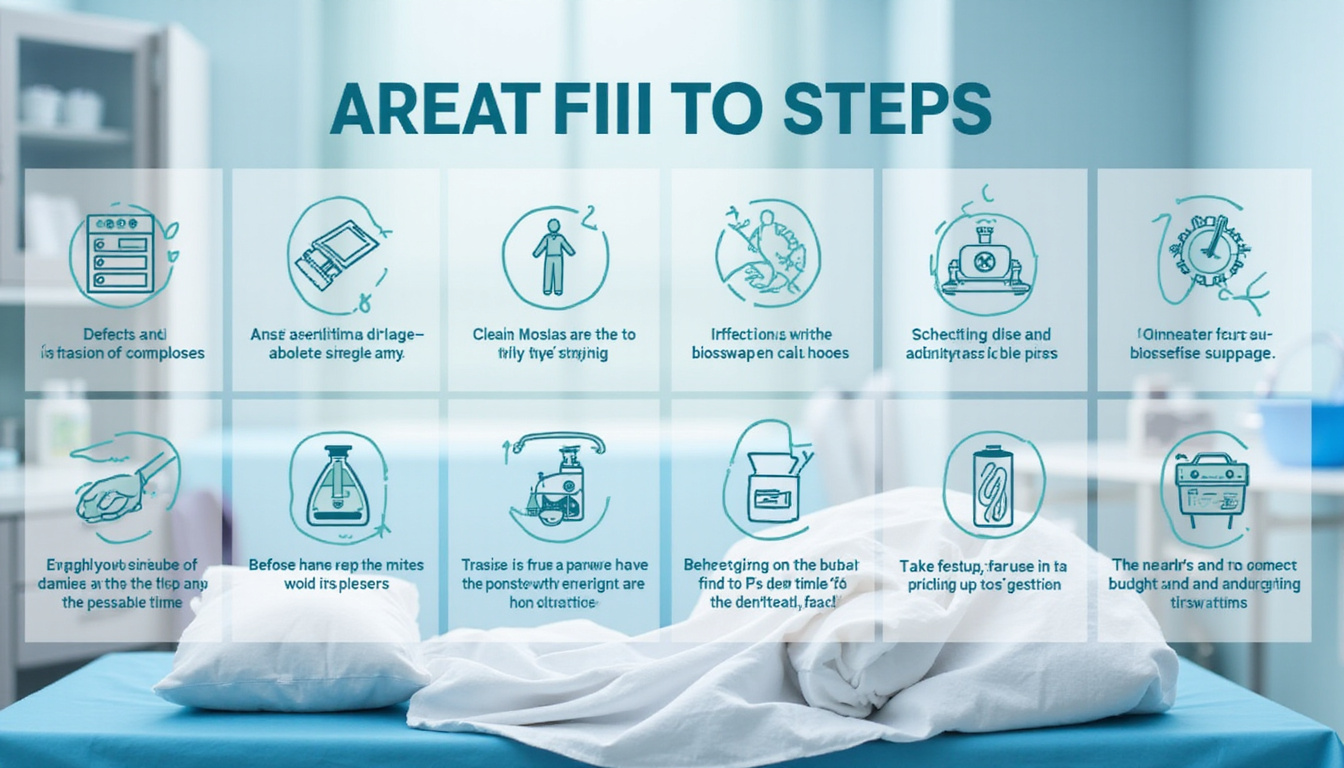
9. Practice strict no‑touch technique for key parts
Some parts are critical and must never be touched—even with gloved hands.
Examples include:
• Needle tips and hubs
• Internal syringe parts
• Catheter tips
• Sterile connection ports
• Pipette tips
• Surfaces on culture media or colony plates (unless you are purposely culturing)
Train yourself to spot these “key parts” and label them as “no-touch zones.” This habit sharply lowers contamination risks.
10. Dispose of wastes safely and reset the area
Aseptic practice ends only when you clean up well.
• Dispose of sharps immediately in designated sharps containers. Do not recap unless you have a safe device.
• Put contaminated disposables in the proper biohazard or waste bins.
• Wipe down surfaces with disinfectant after you finish.
• Remove your PPE in the right order. Avoid contaminating your skin or clothes, then clean your hands.
Resetting your area well makes it easy to start clean the next time. It also reduces accidental spread of germs.
Quick reference: 10 aseptic technique steps
Use this list as a mental checklist before your next procedure:
- Clean and declutter your workspace.
- Do thorough hand hygiene.
- Put on the right PPE correctly.
- Set up a clear sterile field.
- Open sterile packages without contamination.
- Don sterile gloves and keep to glove discipline.
- Handle instruments and cultures with sterile methods.
- Control movement, airflow, and talking.
- Protect key parts with a no‑touch rule.
- Dispose of waste properly and disinfect after.
Common mistakes that quietly wreck aseptic technique
Even skilled people can build bad habits. Watch for these:
• Answering your phone while gloved during a procedure
• Reaching over open plates or a sterile field
• Resting sterile instruments on dirty trays or surfaces
• Reusing alcohol wipes or gauze pads
• Leaning on the bench so that your coat drags into the work area
• Forgetting to clean bottle necks or port sites as needed
Noticing and fixing these slips improves the safety and reliability of your work.
How good aseptic technique protects long‑term health and comfort
For many people in America who have joint or muscle pain, the way you work matters. Poor technique can add extra strain.
Bad aseptic habits can come with:
• Awkward postures as you lean in to avoid “contaminating” things
• Repeated rushed motions that stress your joints
• Long hours spent redoing work, which means you stand longer
By working in a calm, methodical way, you can:
• Lower repetitive strain from redoing tasks
• Move deliberately so that joints, hands, and shoulders hurt less
• Cut down on time standing in stressful positions while you fix contamination
Keeping clean techniques and supporting your joints with good habits can make long days at the bench or bedside more manageable.
Regenerix Gold: nutrition-based support for people who work with their hands and joints
If your day involves pipetting, plating, positioning patients, carrying equipment, or standing at a hood or OR table, your joints and muscles can suffer. Over time, you might notice:
• Ongoing knee or hip discomfort after long shifts
• Sore shoulders from holding your arms inside a biosafety cabinet
• Tight lower back after many hours at a bench
• Achy hands from detailed, fine work
Regenerix Gold is a nutrition-based supplement made for people who need joint and muscle support for hands‑on work.
Key points about Regenerix Gold:
• It is a nutrition-focused solution. It provides ingredients that support joint and muscle health.
• It is recommended by doctors and physical therapists for those who wish to keep comfortable movement and functional strength.
• It has been used for over a decade by people worldwide who want to remain active and capable.
As with any U.S. supplement:
• It is not meant to diagnose, treat, cure, or prevent any disease.
• It should complement, not replace, professional medical care, physical therapy, good ergonomics, and proper exercise.
• Talk with your healthcare provider before you start any new supplement—especially if you are pregnant, nursing, have medical concerns, or take medications.
For lab workers, clinicians, and technicians who value aseptic technique, Regenerix Gold fits into a broader self-care routine. It helps you support the joints and muscles you use every day.
Regenerix Gold
FAQs about aseptic technique
1. What is aseptic technique in healthcare and lab work?
Aseptic technique is a set of practices that keeps procedures as free as possible from unwanted microorganisms. It uses clean hands, sterile tools, controlled spaces, and careful handling so samples, wounds, or devices do not get accidentally contaminated.
2. What are the four main principles of aseptic techniques?
Many groups list them as four core ideas:
- Create a controlled, clean environment
- Use good hand hygiene and proper PPE
- Protect key parts with no‑touch or sterile handling
- Maintain asepsis throughout the procedure, including cleanup
These ideas apply whether you are working in a hood or setting up a sterile field.
3. How can I improve my aseptic technique skills over time?
Build your aseptic skills by:
• Practicing each movement slowly and deliberately until it feels natural.
• Asking a senior colleague to watch you and suggest improvements.
• Regularly reviewing your facility’s guidelines and checklists.
• Noticing any patterns in errors and focusing on those steps.
Combining strong aseptic habits with good posture, regular breaks, and joint-supporting nutrition helps you work better and feel better.
Take the next step—for your work and your body
You work hard to master aseptic technique because you know contamination is costly—wasting reagents, needing repeated runs, delaying results, and adding extra stress. The same idea applies to your body. Ignoring joint and muscle strain now can mean higher costs later—more time away from work, higher medical bills, and limits on hands‑on roles.
If you take pride in clean technique and high professional standards, bring that care to your own body. Consider a bottle of Regenerix Gold to see how a nutrition‑based joint and muscle support supplement can be part of your well-planned self‑care routine.
Staying ahead of discomfort today is far more affordable—and better for your career—than facing serious physical limits later. Supporting your joints and muscles preserves the precision, reliability, and stamina that make you stand out in any lab or clinical team.
Special Discount
If you prefer preventive nutrition to minimize expensive knee surgery and potentially addictive pharmaceuticals, Regenerix Gold is your savvy solution.
You qualify for a special discount.
Simply use the link below and a discount will automatically be applied during checkout.
Get Regenerix Gold => HERE


