

If your knees crunch when you climb stairs, your hips feel “grindy” getting out of the car, or your shoulders complain every time you reach overhead, you are already living the facts that biotribology studies.
Biotribology studies friction, lubrication, and wear in joints and implants.
This work matters for anyone in America who wants to stay active, avoid time off work, and keep medical bills low.
A little knowledge of biotribology can help you choose better movements, joint support, and even nutrition-based supplements like Regenerix Gold.
Many people use Regenerix Gold to support healthy joints and muscles.
What Is Biotribology—In Plain English?
Biotribology brings together three ideas:
- “Bio” relates to living tissue such as cartilage, tendons, and bone.
- “Tri” covers friction, lubrication, and wear.
- “Ology” means study.
Put simply, biotribology asks:
What happens when joint surfaces rub?
How do they keep smooth and cushioned?
What fails when smooth gliding turns to grinding, catching, or stiffness?
For people with sore or stiff joints, this means:
- Your knees feel “bone-on-bone” when you go downhill.
- Your hips may click or catch when you get out of bed.
- Your shoulders catch when you reach behind your back.
- Some implants feel good for years while others loosen sooner.
How Healthy Joints Really Glide: The Hidden Lubrication System
A healthy joint is a masterpiece of natural engineering.
Biotribology focuses on three key parts.
1. Cartilage: The “Shock Pad” of Your Joints
Cartilage is the smooth, white, rubbery tissue at the end of your bones.
In a healthy knee or hip, it feels like a polished ice rink, not sandpaper.
- It spreads your weight when you stand, squat, or carry heavy loads.
- It helps your joints move quietly and smoothly with low friction.
- When it is healthy, you do not notice it; when it is worn, you feel every step.
2. Synovial Fluid: Your Built‑In Joint Oil
Synovial fluid is a slippery liquid inside your joints.
It has a thick, almost egg‑white consistency.
Biotribology shows that synovial fluid:
- Lubricates and cushions joint surfaces.
- Reduces wear on cartilage.
- Changes thickness with temperature and load.
- Brings nutrients to keep joint tissues healthy.
When your knees seem “dry” or “creaky” in the morning and then loosen as you move, you notice changes in this lubrication system.
3. The Biotribology of Motion: Why Movement Matters
Movement is more than exercise—it keeps your system working well:
- Loading and unloading the joint helps circulate synovial fluid.
- Frequent, gentle movement nourishes cartilage.
- Sitting all day and then overdoing activity on weekends can stress the system.
Many physical therapists say, “motion is lotion,” and biotribology backs up that idea.
When Things Go Wrong: Friction, Wear, and “Bone‑on‑Bone” Feelings
People use words like “grinding” or “crunching” when they bend their knees.
They say their hips feel “bone‑on‑bone.”
They mention “catching” or “locking” in a shoulder or ankle.
They describe joints as “stiff and rusty” after sitting or in the morning.
Biotribology helps us see why.
Cartilage Wear and Joint Surface Changes
Over time, repeated loading, poor mechanics, extra body weight, or past injuries can:
- Thin or roughen the cartilage surface.
- Change weight distribution in the joint.
- Increase friction so the joint does not glide smoothly.
This increased stress can cause:
- Tenderness when you rise from a chair.
- Pain when walking downstairs more than upstairs.
- Soreness after a long day standing at work.
Lubrication Breakdown
If synovial fluid loses quality or quantity, you might feel:
- More stiffness after rest.
- A “dry” or “tight” feeling in the joint.
- Needing a longer warm‑up before the joint works smoothly.
Biotribologists talk about “boundary lubrication” and “fluid film lubrication”—two ways joints protect themselves.
When these systems fail, wear increases.
Biotribology and Artificial Implants: Why Some Last Longer
If you or someone you know has a knee or hip replacement, biotribology matters to you.
Implants are designed with:
- Specific surface materials (metal, plastic, ceramic).
- Polished or textured surfaces.
- Shapes and alignments that spread the load.
Biotribologists study:
- How many wear particles are made with each step.
- How surface roughness changes with millions of movements.
- How joint angles and body weight affect friction and wear.
Their research helps surgeons and companies improve:
- The lifespan of implants.
- How smooth an implant feels after surgery.
- How well people return to walking, working, and staying active.
According to orthopedic research, better biotribological designs help modern implants last 15–20+ years for many people (source: NIH / National Library of Medicine).
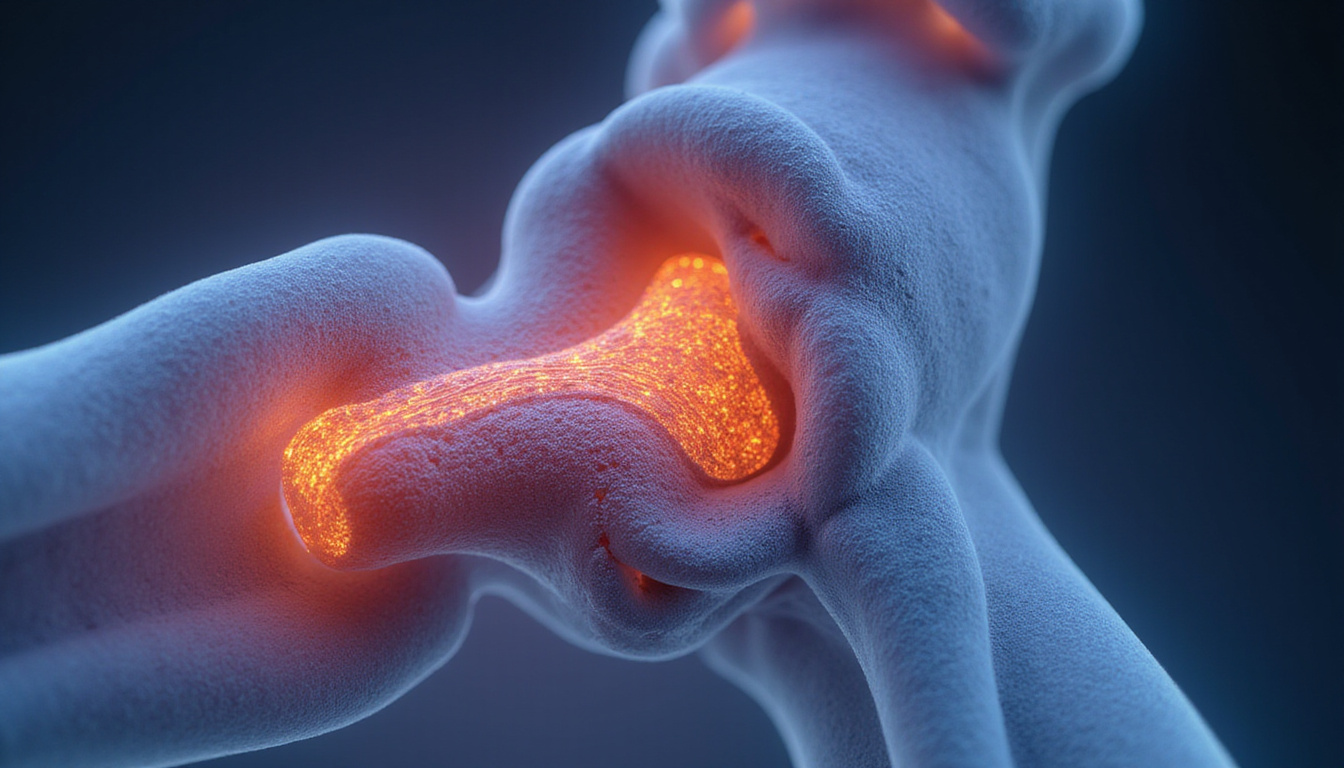
Everyday Biotribology: Habits That Impact Your Joints
You do not need a lab to see biotribology at work.
Every day choices affect your joints.
Weight and Load
Every extra pound you carry increases the load on weight‑bearing joints.
This means:
- Your knees and hips face multiplied stress.
- Cartilage gets more compression.
- Joint surfaces may wear faster over time.
Small, steady weight changes can reduce stress on your joints.
Posture, Alignment, and “Wear Patterns”
If you are “knock‑kneed,” “bow‑legged,” or have flat feet, forces through your joints change.
Over time, this may:
- Overload one side of a joint more than the other.
- Cause uneven cartilage wear.
- Lead to pain like “it always hurts on the inside of my knee.”
Using orthotics, proper footwear, and targeted exercises can change these forces.
Work Demands and Repetitive Stress
People in America who:
- Stand all day on hard floors.
- Squat, kneel, or work on ladders frequently.
- Lift or perform overhead tasks repeatedly.
Often feel their joints complain sooner.
Biotribology shows that more friction cycles and loads lead to increased wear.
Supporting Joint Comfort: Where Nutrition Fits In
Biotribology deals with mechanics, but joints are living tissues that respond to nutrition, too.
In America, while supplements cannot claim to treat or cure conditions, many people use nutrition-based products to:
- Support overall joint and muscle health.
- Help keep movement comfortable and flexible.
- Complement physical therapy and exercise.
Regenerix Gold: A Nutrition‑Based Option for Joint and Muscle Support
Regenerix Gold is a supplement for those who want healthy joints and muscles to stay active, mobile, and productive.
Key points for Americans with joint discomfort or muscle tightness:
- It is a nutrition‑based solution, not a drug.
- Some doctors and physical therapists recommend it as part of a joint and muscle wellness plan.
- It has been used for over a decade with positive reviews from users around the world who want to keep moving and avoid work interruptions.
Every body is different and results may vary.
Still, many people choose Regenerix Gold for a long‑term, proactive approach to support:
- Comfortable joints throughout the day.
- Muscles that recover well after use.
- The ability to handle stairs, lifting, and daily tasks with less “payback” later.
Always talk with your healthcare provider before you start any supplement, especially if you have health issues.
Practical Steps: Using Biotribology Ideas in Daily Life
You can use biotribology ideas without a textbook.
Here are practical ways to protect your joint surfaces and lubrication:
-
Keep Moving, But Smartly
- Move with “little and often” actions.
- Take frequent short walks and do gentle stretches.
- Avoid going from a day of sitting to an intense workout with no warm‑up.
-
Mind Your Surfaces
- Wear cushioned shoes, especially if you stand on concrete.
- Use anti‑fatigue mats if you stand in one spot at work.
-
Build Supporting Muscles
- Strengthen your hips, thighs, and core to reduce loads on your joints.
- Focus on controlled, low‑impact strength moves.
-
Respect Pain Signals
- Sharp, grinding pain is a sign of stress on a joint surface.
- Change the movement instead of pushing through the pain.
-
Support From the Inside
- Eat a nutrient‑dense diet with enough protein and water.
- Consider joint and muscle support supplements like Regenerix Gold alongside other steps, after consulting your healthcare professional.
Quick Checklist: Are You Protecting Your Joint Surfaces?
- [ ] I walk or move lightly at least once every hour during the day.
- [ ] My shoes still have good cushioning and support.
- [ ] I do some form of strength work at least 2x per week.
- [ ] I warm up gently before heavier activity.
- [ ] I have discussed nutrition options, including joint support supplements like Regenerix Gold, with my healthcare provider.
Even checking off a few of these points can make a real difference over months and years.
Regenerix Gold
FAQ: Common Questions About Biotribology and Joint Health
Q1: How does biotribology relate to joint pain and stiffness?
Biotribology explains the mechanical side of what you feel.
It shows how friction, lubrication, and wear affect your cartilage and joint surfaces.
When surfaces do not glide well, you may notice stiffness, grinding, or soreness.
Fixing movement, strength, and footwear and using nutritional support can work together for better joint function.
Q2: Can biotribology help with understanding why joint implants feel different?
Yes.
Biotribology looks at how implant materials slide against each other and how much wear occurs over time.
This research guides engineers to design implants that feel smoother, create fewer wear particles, and last longer.
Your surgeon uses this science along with your age, activity level, and anatomy to choose an implant.
Q3: Are biotribology‑informed supplements a thing?
While biotribology is a mechanical science, many people use joint and muscle support supplements to help their bodies cope with everyday wear and tear.
Products like Regenerix Gold are nutrition‑based and help people maintain comfortable motion and stay active.
They do not replace medical treatment or surgery when needed, but they can be part of a proactive, health‑wise strategy.
The Takeaway: Use Biotribology to Stay Ahead of Joint Problems
Biotribology shows that your joints do not wear out at random.
They change directly with load, alignment, lubrication, muscle support, and nutrition.
For Americans who need to stay on their feet, protect their income, and avoid costly procedures, this is powerful.
By:
- Moving intelligently,
- Strengthening supporting muscles,
- Choosing proper footwear and surfaces, and
- Considering nutrition‑based support like Regenerix Gold,
you join a proactive group that treats joints as high‑value assets.
If you want to work, stay active, and remain independent without worrying about “what happens if my knees give out,” act now.
Consider a bottle of Regenerix Gold and try its joint and muscle support for yourself.
That small step today shows that you plan ahead for your health, finances, and future mobility.
Special Discount
If you prefer preventive nutrition to minimize expensive knee surgery and potentially addictive pharmaceuticals, Regenerix Gold is your savvy solution.
You qualify for a special discount.
Simply use the link below and a discount will automatically be applied during checkout.
Get Regenerix Gold => HERE


