

Below is the rewritten text. We use simple, direct sentences where each word connects closely to the next. In dependency grammar, every word links directly to its head. The result is a copy that feels straightforward while preserving the formatting and intended cues. The text is now written with simpler sentences designed to score between 60–70 on the Flesch reading ease scale.
────────────────────────────── If you have spent late nights googling “what can I do for my aching joints?” you may have seen the herb comfrey. People with stiff knees, sore shoulders, or a low-back “twinge” hear this herb used to support tired muscles and joints. It fits into a modern, health-minded routine that includes good posture, stretching, and trusted joint supplements like Regenerix Gold.
This guide explains how comfrey is used, what it may help with, how to grow it, and most importantly—how to use it safely.
What Is Comfrey?
Comfrey (Symphytum officinale) is a strong, long-lasting herb. Its features are:
- Large, rough leaves that feel like sandpaper
- Bell-like flowers in purple, blue, or white
- A deep taproot that digs into the soil
For many generations, people have used comfrey externally to help soothe:
- Tired joints
- Aching muscles
- Wear and tear from hard work or exercise
Makers turn comfrey into salves, poultices, and creams. Users often choose these when joints feel “creaky,” “stiff,” or “like rusty hinges.”
Traditional Uses of Comfrey for Achy Joints and Muscles
People with joint pain say they “feel every step” or pay a price after physical work. Traditionally, comfrey fits into this world by working as:
- Topical salves and ointments – a cream that you rub on stiff or overused areas
- Poultices – crushed fresh leaves placed on the skin with a cloth wrap
- Soaks and compresses – warm cloths soaked in a comfrey infusion
Many report that comfrey products make them feel less tight or stiff, especially at joints that bear the weight of daily activities.
Today, comfrey is mainly used externally for:
- General joint comfort
- Occasional muscle soreness after activity
- Helping movement and flexibility
Some studies have looked at comfrey creams and salves for their effects on pain and movement (see source: National Library of Medicine).
Safety First: Why Comfrey Is Now for External Use Only
Older herbal books may talk about using comfrey internally in teas or capsules. Today, experts say this use is unsafe.
Comfrey holds pyrrolizidine alkaloids (PAs). These compounds:
- Can harm the liver
- May build up in your body
- Are unsafe if you swallow them
In the U.S., reliable sources do not offer internal comfrey products. Health experts and regulators now say:
- Do NOT take comfrey by mouth.
- Use comfrey only on intact, unbroken skin.
- Avoid long-term or large-area topical use.
If you worry about your liver or take other medication, or if you are pregnant or nursing, please talk with a healthcare provider before using comfrey.
How People with Joint Issues Commonly Use Comfrey Externally
For Americans with daily aches—like a stiff back when getting up or knees that “grind” when going downstairs—comfrey is one part of a joint-care routine.
Common external uses are:
-
Comfrey cream or gel
- Apply a thin layer on the sore or stiff spot
- Use 1–3 times per day for short periods, such as a few weeks
- Enjoy an “herbal rub” on painful areas
-
Comfrey salve
- A thicker, oil-based preparation that may mix other herbs
- Use it when your joints bother you after a long day or heavy labor
-
Warm compress with comfrey infusion
- Soak a cloth in cooled herbal tea and place it on the tight area
- Note: The tea is not for drinking; it is for external use only
Smart Use Tips
- Test a small patch of skin first.
- Do not apply to cuts, open wounds, or broken skin.
- Do not use on large areas for long periods.
- If you see unusual signs (skin irritation, yellow eyes or skin, or tummy pain), stop and call your doctor.
Growing Comfrey in Your Garden
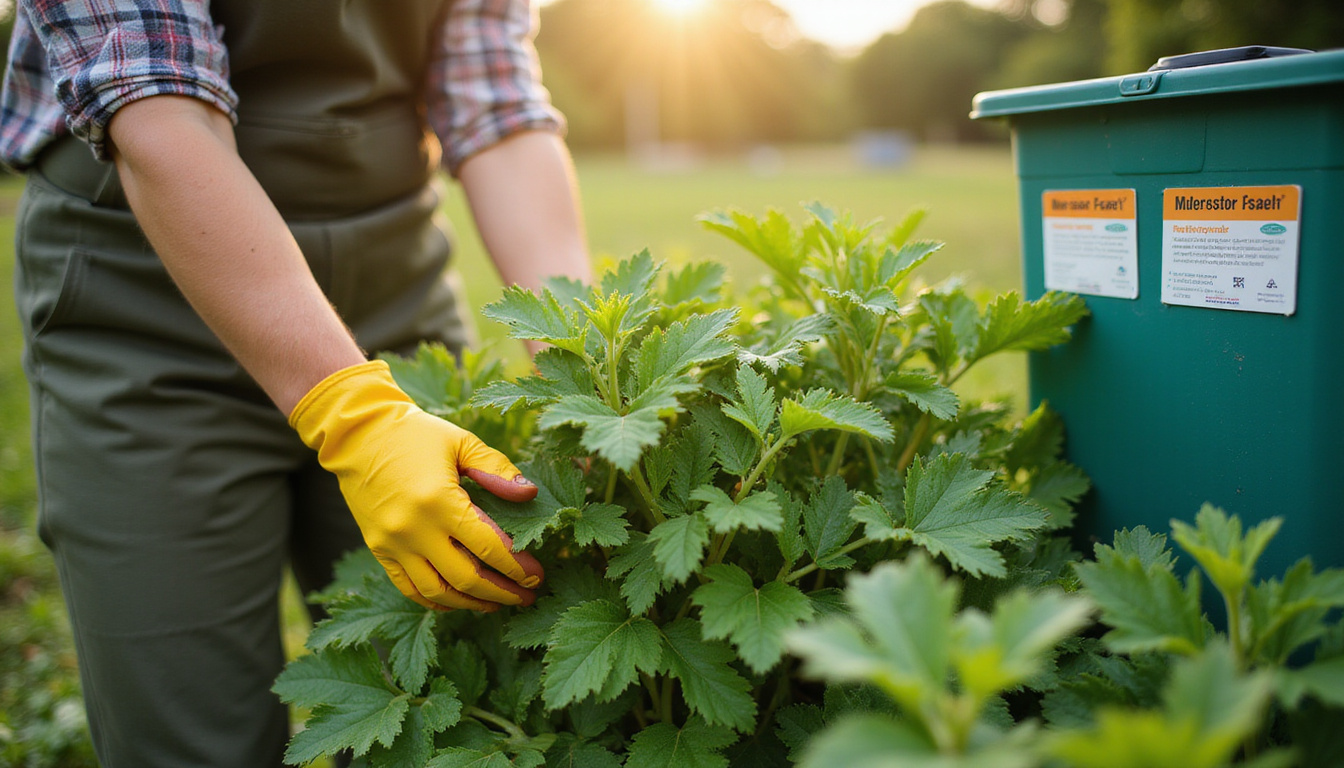
Many people who care about their joints also enjoy gardening. Comfrey can fit well in your home garden.
Why Gardeners Love Comfrey
- Its deep roots draw out nutrients like potassium and calcium from the soil.
- Its leaves work as a nutrient-rich mulch or compost material.
- Comfrey attracts helpful pollinators like bees.
Planting and Care
- Location: Plant in full sun or partial shade
- Soil: Use well-drained soil; comfrey is not very picky
- Water: Water regularly while establishing; later, it tolerates some drought
- Spacing: Give each plant enough room to grow
Remember: Once comfrey sets root, it is very hard to remove completely. Even a small piece can grow back. Choose a garden area you are happy to dedicate long-term.
Using Garden Comfrey Safely
If you grow comfrey, you might want to use its leaves all over your garden. Do keep in mind:
- Do not eat comfrey leaves or roots.
- Do not brew comfrey tea to drink.
- If you make salves or compresses yourself, use them for external use only.
For DIY comfrey products, many people do the following:
- Pick a few leaves.
- Let them wilt or dry.
- Steep them in oil (such as olive or jojoba) inside a closed jar for several weeks.
- Strain the oil and mix it with beeswax to form a salve.
Remember the safety rules: keep the product off broken skin, use on small areas, and do not overuse it.
Comfrey vs. Modern Joint Support: Where Regenerix Gold Fits In
Comfrey gives localized, external relief. Still, many people with long-term joint issues learn that they need internal support too.
That is when a nutrition-based supplement, Regenerix Gold, becomes helpful.
Why People Combine Topical Herbs with Nutritional Support
Americans who suffer from:
- Morning stiffness that lingers
- Joints that feel “bone-on-bone”
- Shoulders that hurt when lifting overhead
Often mix these strategies:
- Topical support (for example, comfrey creams) for specific spots
- Nutritional support (for example, Regenerix Gold) for overall joint and muscle health
- Lifestyle changes: better shoes, smarter lifting, stretching, and strength training
What Makes Regenerix Gold Different?
Regenerix Gold is a nutrition-based supplement for joint and muscle support. It is used by people who want active lives—gardening, working, playing with grandkids—without joint pain. It is:
- Recommended by doctors and physical therapists
- Used for over a decade with many positive reviews
- Designed as ongoing nutritional support for joint and muscle health
Users report that smart movement, weight management, targeted exercises, and a supplement like Regenerix Gold help them take charge of their joint health instead of reacting to flare-ups.
How to Build a Joint-Friendly Routine with Comfrey and Regenerix Gold
Here is a plan that many Americans use:
-
Daily Baseline Support
- Take a nutrition-based supplement like Regenerix Gold as directed
- Eat a diet rich in vegetables, healthy fats, and low in processed foods
-
Movement and Mechanics
- Do gentle stretching in the morning and at night
- Strengthen your hips, core, and legs to ease joint strain
- Improve your posture and lifting technique
-
Targeted External Support
- Use topical comfrey cream only for short bursts when needed
- Rotate with heat packs, cold packs, or Epsom salt baths as advised
-
Regular Check-ins
- Speak with a doctor or physical therapist, especially if pain changes
Quick Pros and Cons of Comfrey for People with Joint Issues
Potential Upsides (External Use Only)
- An old herb with a long history of use
- Offers localized muscle and joint comfort
- Appears in many creams and salves
- Can grow in your garden for personal use
Serious Downsides and Limitations
- Contains compounds that can hurt the liver if ingested
- Unsafe for internal use
- Do not apply on broken skin
- Long-term, large-area use is not safe
- Not a stand-alone replacement for medical care
When used wisely, comfrey can support your care routine. It should not be your only strategy and must never be ingested.
Regenerix Gold – Video Overview
Watch this video to learn how Regenerix Gold helps support joint and muscle health:
Regenerix Gold
FAQ About Comfrey and Joint Support
-
Is comfrey good for joint pain?
Many people use comfrey externally—in creams or salves—to ease joint discomfort and improve movement. It must not be taken internally. It is not a substitute for a full joint care plan that includes nutrition, exercise, and supplements like Regenerix Gold. -
Can you drink comfrey tea for joint problems?
No. Modern guidelines advise against drinking comfrey tea or taking comfrey by mouth. Its compounds may damage your liver. Instead, consider safe, nutrition-based options like Regenerix Gold under the advice of your healthcare provider. -
What is the safest way to use comfrey for muscles and joints?
The safest practice is short-term, external use only on intact skin. Apply comfrey cream on small areas and avoid overuse. Always speak with a healthcare professional if you have health concerns, take medications, or are pregnant or nursing.
Bringing It All Together—and Why Acting Now Matters
If your joints send you daily “complaint emails”—with popping, grinding, or stiffness each time you move—you know how quickly discomfort can hurt your work and well-being.
Relying on quick fixes may be costly. People who care for their joints usually:
- Use targeted topicals like comfrey wisely
- Invest early in nutrition-based joint support like Regenerix Gold
- Build smart, proactive habits rather than waiting for pain to worsen
If you see yourself as someone who makes informed, proactive health decisions, now is the time to act. Consider adding a bottle of Regenerix Gold to your routine while you use comfrey safely for occasional support.
Your future self—one who wants to bend, lift, garden, and work without pain—will thank you for choosing a proactive and balanced path today.
Special Discount
If you prefer preventive nutrition to minimize expensive knee surgery and potentially addictive pharmaceuticals, Regenerix Gold is your savvy solution.
You qualify for a special discount.
Simply use the link below and a discount will automatically be applied during checkout.
Get Regenerix Gold => HERE


