
contrast therapy secrets: Boost recovery, performance, and pain relief
由 Zestora 上 Oct 09, 2026

If you live with creaky joints, stiff muscles, or that deep, nagging ache after a long day or workout, you have likely tried ice packs and hot baths.
Contrast therapy is an old-school trick that many with joint issues rediscover.
Done right, it helps recovery, eases discomfort, and improves performance without drugs.
It also fits into a simple home routine.
Below, we explain how contrast therapy works, how to use it safely, and how to stack it with nutrition support like Regenerix Gold if you aim to keep your joints and muscles strong and steady.
What is contrast therapy, really?
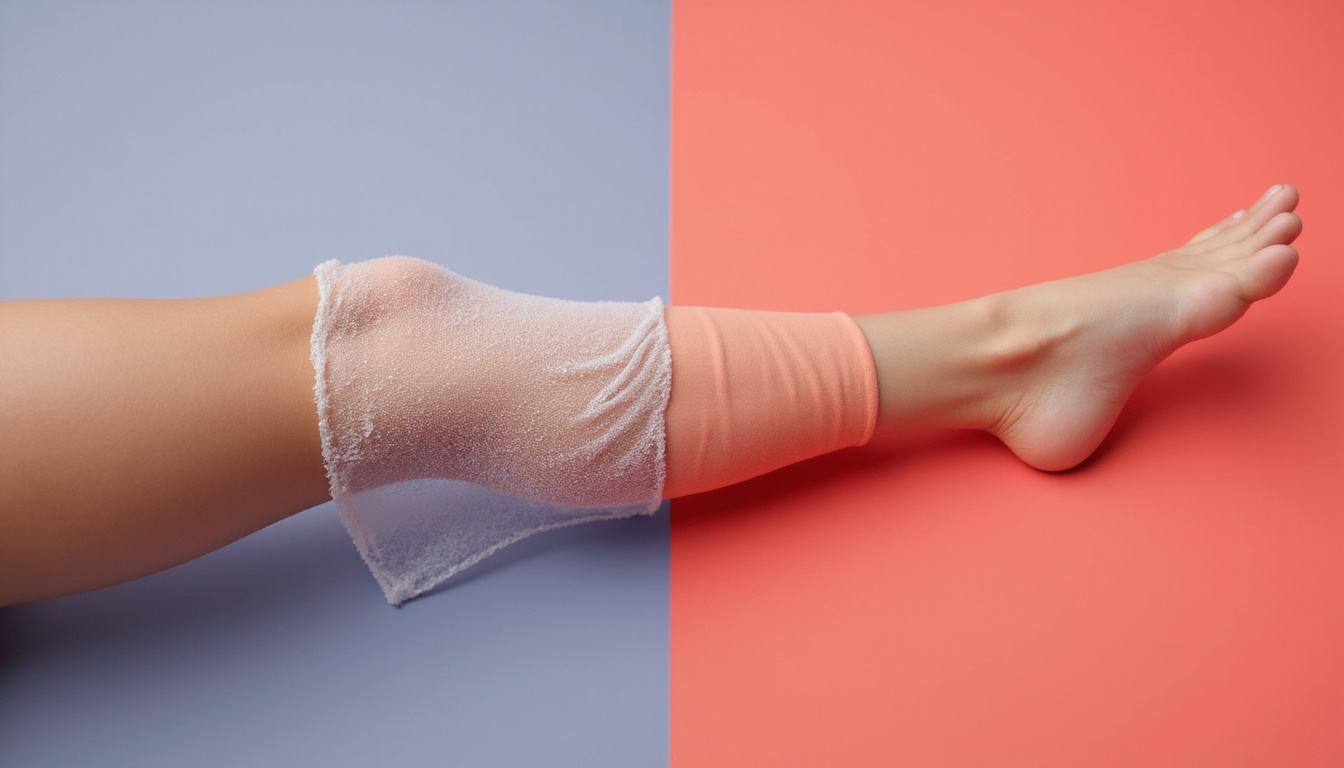
Contrast therapy means you alternate heat and cold on the same body area.
People with cranky knees, shoulders, backs, or ankles say it “flushes” the joint.
Most commonly, it works like this:
- A few minutes with heat (warm water, a hot pack, or a warm shower), then
- A short burst of cold (an ice pack, cold water, or a cold plunge),
- Repeated over several cycles.
Athletes and physical therapy clinics use contrast therapy for many years.
They say it helps circulation, eases stiffness, warms muscles, and adds comfort after hard work.
Research shows that alternating heat and cold can change blood flow, lower soreness, and support recovery after exercise.
(source: National Library of Medicine)
How contrast therapy works on sore joints and muscles
If your joints speak up when you climb stairs or get off the couch, this explanation helps you understand the process.
Heat phase: “Ahh, I can move again”
When you apply heat, your blood vessels open.
This opening boosts blood flow.
Tissues feel more elastic and less tight.
Many people notice better movement and less stiffness.
Heat acts as a gentle warm-up for your tissues.
Cold phase: “Numbs the nagging”
When you switch to cold, your blood vessels narrow.
This narrowing calms the area.
Nerves become less sensitive, which lowers discomfort.
Cold treatment also helps reduce swelling.
It is most useful after heavy activity or a long day on your feet.
The contrast effect: Pumping and flushing
By alternating heat and cold, you create a pumping effect in your circulation.
This cycle moves fluid in and out of the area.
It supports natural recovery and tissue repair.
Many describe it as “getting the junk out” and “bringing fresh in.”
How to do contrast therapy at home (step-by-step)
Always check with your health provider first, especially if you have circulation, nerve issues, diabetes, heart conditions, or if you are pregnant.
Here is a basic home routine for achy joints or tight muscles:
Simple contrast therapy routine
-
Start with heat (3–4 minutes)
Use a warm shower, bath, or a heating pad.
Keep the heat comfortable and avoid any burns. -
Switch to cold (1 minute)
Use a cold shower stream, an ice pack wrapped in a towel, or a bucket of cool water.
The cold should be bracing, not painful. -
Repeat for 3–5 cycles
End with cold if you feel puffiness or soreness.
End with warm if you do this before gentle activity or stretching. -
Pat dry and move gently
After the cycles, do slow, pain-free movements to keep the looseness.
Good times to use contrast therapy
Many people in America add contrast therapy into daily routines to ease joint and muscle discomfort:
- After work if your job requires long periods of standing or sitting.
- After exercise to ease muscle tightness and joint pressure.
- On weekends after chores like yard work, home repairs, or long drives.
- Before activity if you want to warm joints gently without swelling.
Always listen to your body. If pain gets worse, stop and change your approach. Use shorter times or milder temperatures, or ask your provider for advice.
Common mistakes people with joint issues make with contrast therapy
When joints are sore, many push too hard, assuming “more is better.”
Remember, this is not true.
Avoid these common issues:
- Water too hot – Bright red skin or burning means it is too hot.
- Cold too extreme – You need a strong chill, not lasting pain or numbness.
- Sessions that are too long – About 15–20 minutes total is best, not one hour.
- Using it on open wounds or infections – Seek medical advice first.
- Ignoring strange signals – Stop if you feel burning, strong numbness, or dizziness.
Combining contrast therapy with movement, rest, and smart support
Contrast therapy works best when it is part of a joint-care plan.
People with aching joints see the best results when they also include:
- Gentle exercises like bodyweight squats, bridges, or light bands to support muscles.
- Stretching and mobility drills to avoid stiffness.
- Adequate rest and sleep so tissues can recover.
- Nutrition support designed for joint and muscle health.
Nutrition is a key part, and it works best when paired with other healthy habits.
Where nutrition fits in: Why Regenerix Gold is worth a look
If you experience grinding, clicking, or stiffness, you need support from the inside too.
Regenerix Gold is a nutrition-based supplement for healthy joints and muscles.
It is designed to support joint structure and muscle function.
Many use it to counter daily wear from work, age, and exercise.
It is a non-drug option that you should discuss with your healthcare provider.
Recommended by doctors and physical therapists
Doctors and therapists often recommend Regenerix Gold as part of a full joint-care plan.
Clinicians see patients with stiff knees, achy backs, or sore shoulders after daily activities.
They look for nutrition options that can be used long-term with proper guidance.
Over a decade of international use
For more than ten years, people around the world have used Regenerix Gold.
They include those who stand all day, do heavy manual work, act as weekend warriors, or simply refuse to let joint pain slow them down.
Pairing Regenerix Gold with contrast therapy, smart exercises, and weight management creates a steady plan for active living.
How to combine contrast therapy and Regenerix Gold in your routine
A sample daily routine looks like this:
-
Morning
Do gentle mobility work, such as hip circles, ankle rolls, or shoulder rotations.
Take Regenerix Gold with food, as directed by the label or your provider. -
After work or exercise
Spend 15–20 minutes on contrast therapy for the area that hurts the most.
Follow up with light stretching or a short walk to keep loose. -
Evening
Do simple strengthening exercises such as bodyweight squats, wall pushups, or band work.
Focus on posture and core strength to reduce joint stress.
This combined plan uses circulation, movement, and nutrition, all aimed at keeping your joints functioning well.
Who should be cautious about contrast therapy?
Speak with your doctor or a qualified healthcare provider before you start contrast therapy if you have:
- Circulation or vascular problems.
- Reduced sensation (from nerve damage or certain metabolic conditions).
- Heart disease or other cardiovascular issues.
- Pregnancy.
- Open wounds, rashes, or skin infections where you plan to use the therapy.
Stop contrast therapy immediately and seek help if you experience:
- Severe pain.
- Skin damage or blistering.
- Prolonged numbness.
- Dizziness, chest discomfort, or breathing problems.
Practical tips from people who actually live with joint issues
People with joint pain learn small tricks that make a big difference:
- Use separate hot and cold tubs for your hands or feet if needed.
- Keep a kitchen timer nearby so you do not overdo the cycles.
- For knees, many prefer alternating hot and cold shower spray instead of using buckets.
- Keep a towel close to help switch packs quickly.
- Enjoy a podcast or music during sessions so you stick with the routine.
Regenerix Gold
FAQ: contrast therapy and joint comfort
1. Is contrast hot and cold therapy good for joints?
Many people find that contrast therapy helps loosen stiff and “locked up” joints after a long day or physical activity.
Heat warms and relaxes the tissue while cold calms the area, reducing any irritation.
It does not cure underlying conditions, but it is a useful tool for comfort and recovery.
2. How often should I use contrast water therapy?
Most users perform contrast therapy a few times per week.
Some may use it daily during busy periods like sports seasons, intense work weeks, or when handling major projects.
Your frequency should follow your body’s signals and your healthcare provider’s advice.
3. Can I use contrast therapy with a joint supplement?
Yes, many people combine contrast therapy with a joint and muscle health supplement like Regenerix Gold.
Contrast therapy works on your circulation and tissue comfort from the outside, while the supplement supports joint health from the inside.
Always read labels and check with your doctor before beginning any new supplement.
Why now is the right time to take your joints seriously
Have you noticed that getting out of a chair now seems like a “launch sequence”?
Do you hear more grinding or crunching in your joints than before?
Do you sometimes skip activities for fear of pain later?
These signs tell you your joints need care now.
Contrast therapy is a smart, low-cost tool you can use almost immediately.
Pair it with a trusted nutrition solution like Regenerix Gold—recommended by doctors and used internationally for over a decade—to protect your long-term mobility.
A single bottle is a modest investment when you compare it to the cost of missed work, ongoing pain, or more serious interventions in the future.
If you see yourself as someone who plans ahead instead of waiting until things fall apart, now is the time to act.
Talk with your healthcare provider, set up a simple home contrast therapy routine, and consider a bottle of Regenerix Gold.
Your future self—climbing stairs with ease, working comfortably, and staying active with family and friends—will thank you.
Special Discount
If you prefer preventive nutrition to minimize expensive knee surgery and potentially addictive pharmaceuticals, Regenerix Gold is your savvy solution.
You qualify for a special discount.
Simply use the link below and a discount will automatically be applied during checkout.
Get Regenerix Gold => HERE


