
injection site infection: Signs, Prevention, and Quick Treatment Options
由 Zestora 上 May 05, 2026

Below is the entire text rewritten with a focus on clear word-to-word connections. The sentences are built with dependency grammar principles—key words appear close to each other. This version uses simple terms and sentence structures to achieve a Flesch reading ease between 60 and 70. The original formatting is maintained.
If you have left a clinic or home-injection session and wondered, “Is this normal soreness or an injection site infection?”, you are not alone. People in America already face joint stiffness, muscle tightness, or hard-to-place aches. The very shot meant to help may now add extra pain.
This guide shows you what an injection site infection looks like, how you may reduce your risk, and the steps to take when things feel off—especially if you suffer from constant joint or muscle discomfort. You will also read how some people boost joint and muscle wellness with nutrition, like Regenerix Gold.
Regenerix Gold
Why injection site infection matters if you already have joint or muscle issues
When you have sore knees, stiff hips, or a back that aches when you stand up, your life may go to this steady cycle:
• You visit doctors
• You get injections (vaccines, vitamin shots, or other prescribed shots)
• You try physical therapy
• You use supplements, creams, and home remedies
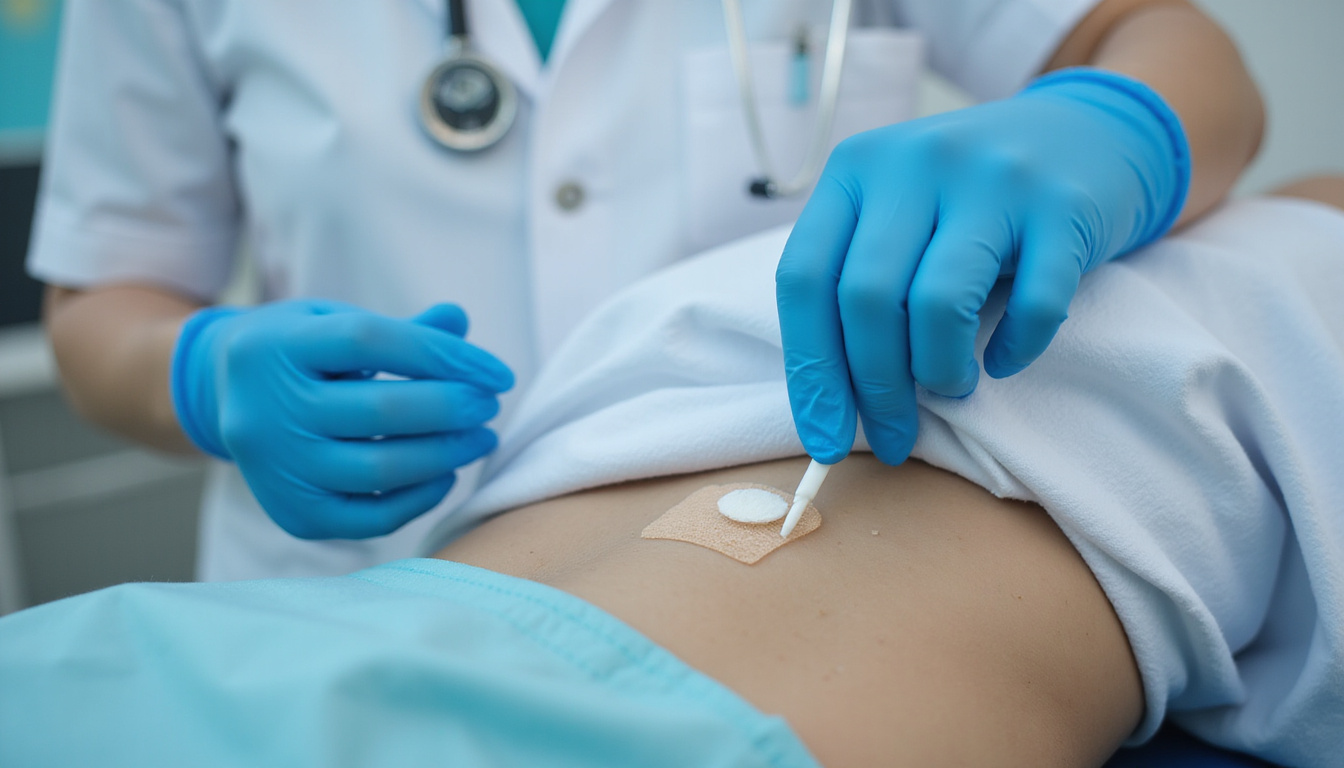
An injection site infection can mix up the cause of your pain. Is the extra soreness from the shot? Does your joint hurt more than usual? Or is the skin near the needle showing signs of infection?
Knowing the warning signs helps you get care early and keeps you mobile, well-rested, and working.
Normal injection soreness vs. injection site infection: how to tell the difference
Some soreness after an injection is normal. Many people with chronic joint or muscle pain say that post-shot soreness is “just another ache.” Yet there is a clear difference between normal healing and an infection.
What counts as “normal” after an injection
In the first 24–48 hours, you may feel:
• Mild to moderate soreness or tenderness where the needle went in
• A small, soft bump under the skin
• A bit of warmth at the spot
• Light redness that stays nearby
This soreness:
• Peaks in the first day
• Improves by day two or three
• Does not stop you from going on with your day
Even if you have sensitive joints, the soreness should slowly get better.
Red flags that may point to an injection site infection
When an infection happens, the skin and tissue work harder. Watch for:
• Redness that spreads instead of staying small
• Increasing pain after 24–48 hours instead of easing
• A hard, hot, or swollen spot that feels different from normal muscle knots
• Thick or cloudy drainage (yellow, green, or bad smelling) coming from the spot
• Skin that feels much warmer than the surrounding area
• Fever, chills, or a general feeling of being unwell along with local symptoms
If you see these signs and the pain feels sharp or “angry” compared to your usual ache, call your healthcare professional. Severe pain, fast-spreading redness, or faintness needs urgent care.
Who is more likely to get an injection site infection?
Anyone might get an injection site infection, but your risk can be higher if:
• The skin is not cleaned well before the injection
• Non-sterile or reused needles are used
• The injection goes into skin that is already irritated or hurt
• The person giving the shot does not wash their hands well
• Your health or medication makes it harder for your body to fight germs
If you have ongoing joint stiffness or muscle tightness, you may get injections more often. That means it is wise to be extra careful with prevention.
Easy steps to help prevent injection site infection
You may not control every detail, but you can lower your risk. Whether you get injections at a clinic, pharmacy, work, or home, do this:
Before the injection
• Check the skin. Do not inject into places with rashes, open wounds, or irritation.
• Ask about hygiene. It is fine to ask if a new, sealed needle is used and if the skin is cleaned first.
• Speak up about pain. If a spot feels already inflamed, hot, or very sensitive, mention it before the injection.
During the injection
• Keep the skin clean and dry. The area should be wiped with antiseptic and then allowed to dry.
• Relax your muscle when possible. Tense muscles can cause extra soreness after the shot.
After the injection
• Avoid touching or scratching the spot with unwashed hands.
• Do not rub hard or massage deeply on the area. A light touch is fine, but heavy pressure may irritate the spot.
• Watch the area for a few days. Look in the mirror or take a photo to compare changes over time.
Quick treatment options: what you can do and when to see a professional
If you think the irritation is mild and not a full infection, try these steps to ease discomfort as you keep an eye on changes.
At-home comfort strategies (for mild, improving symptoms)
If the spot is sore but not worse:
- Use a cool compress. A clean, cool (not freezing) cloth on the spot for 10–15 minutes helps reduce swelling and tenderness.
- Move gently. Light movements help blood flow and ease stiffness.
- Try over-the-counter pain relievers. Ask your pharmacist or doctor about safe options, especially if you already take other medications for joint or muscle issues.
- Wear loose clothing. Avoid straps or tight bands that may press on the spot.
When to seek medical care promptly
Call a healthcare professional if you see:
• Worsening redness, heat, or swelling after 24–48 hours
• Pus or drainage from the spot
• Increasing pain when you press the area
• Fever, chills, or a general sense of sickness
• Red streaks moving away from the injection spot
These signs mean that the infection may be serious. Early treatment will help you avoid more time off work or family time.
Supporting joint and muscle health while managing injection concerns
Many people who have daily joint pain, morning stiffness, or muscle tightness also look for ways to support their body from within. A nutrition-based approach can help.
Regenerix Gold: a nutrition-based option for joint and muscle wellness
Regenerix Gold is a supplement for those who want healthy joints and muscles. It works as a nutrition solution that fits into a broader wellness plan.
Key points that people notice include:
• Nutrition-based: It supports overall joint and muscle health instead of targeting one medical problem.
• Professional recommendations: Many doctors and physical therapists suggest Regenerix Gold for extra nutritional help with muscles and joints.
• A proven product: For over a decade, users around the world have felt better supported in their everyday movements and comfort.
For many Americans who worry about work, care duties, or staying active, a joint and muscle supplement like Regenerix Gold is another smart, proactive step. It works side by side with safe injection practices, appropriate movement, and advice from healthcare providers.
How to combine good injection habits with smarter joint care
You do not need to choose between safe injections and managing daily aches. They work together:
• Being alert to injection infection signs stops you from ignoring red flags because you are “used to pain.”
• Prioritizing joint and muscle nutrition supports your body with the building blocks it needs for healthy movement.
• Staying in touch with doctors and physical therapists for both injection care and joint health lets you catch problems early.
This is a “resilient system” approach: clean, safe injection habits on the outside and strong nutritional support, like Regenerix Gold, on the inside.
FAQ: Common questions about injection site infection and joint health
Q1: What are the first signs of an injection site infection I should watch for?
• Look for redness that spreads instead of shrinking.
• Notice if pain increases after 24–48 hours.
• Feel if the area gets hot and firm or shows any pus.
• If you also feel feverish or sick, call a doctor.
Q2: Can an infected injection site cause more joint pain or stiffness nearby?
• An infection can make the area around it feel sore or tight.
• It does not mean the joint is damaged.
• If the symptoms worsen or stay the same, ask a doctor to be safe.
Q3: How can I prevent injection site infections while also supporting long-term joint and muscle health?
• Follow good hygiene: clean skin, use sterile needles, and check for changes after the injection.
• Follow a wellness plan with movement, balanced nutrition, and supplements like Regenerix Gold.
• Talk with your doctor before starting any new supplement.
When you’re ready to be proactive, not just reactive
Chronic joint and muscle discomfort takes time, energy, and money. An injection site infection can add missed work, extra bills, and more stress.
You cannot control everything. Yet you can decide to:
• Watch for early signs of injection site infection.
• Get medical help quickly.
• Support your joints and muscles with nutrition-based choices like Regenerix Gold. It is recommended by doctors and physical therapists and has earned trust over a decade.
If you plan ahead and act before problems worsen, you build a smarter way to care for your body. In a time when medical costs rise, supporting your body now might save you future strain—both physically and financially.
Consider getting a bottle of Regenerix Gold. It means you take care of your mobility, independence, and your ability to show up at work and at home on your own terms.
For more on vaccine and injection safety, visit the Centers for Disease Control and Prevention at https://www.cdc.gov/vaccinesafety/index.html.
Special Discount
If you prefer preventive nutrition to minimize expensive knee surgery and potentially addictive pharmaceuticals, Regenerix Gold is your savvy solution.
You qualify for a special discount.
Simply use the link below and a discount will automatically be applied during checkout.
Get Regenerix Gold => HERE


