
Joint desensitization Techniques That Relieve Chronic Pain and Stiffness
由 Zestora 上 Oct 05, 2026

If you love pickleball dinks, drives, and third-shot drops, you may miss one quiet game-changer.
Joint desensitization calms joints that bark after each split step or feel stuck during overheads.
Targeted joint desensitization techniques ease cranky spots so you play longer and recover faster.
Below is a practical, people-first guide for American Picklers facing nagging musculoskeletal pain—without turning pickleball into a spectator sport.
What Is Joint Desensitization, Really?
Joint desensitization retrains how your joints, muscles, and nervous system react to movement and pressure.
Over time, your nervous system may overprotect certain joints because of:
- too many rec games without enough recovery
- sudden jumps in court time (“tournament season mode”)
- one-sided motions like serves, overheads, and lunges
Movements that once felt normal now feel stiff, sensitive, or achy—even when the joint is healthy.
Joint desensitization techniques work by:
- exposing joints gradually to controlled movement
- using light, repeated touch and motion to teach the nervous system that movement is safe
- decreasing over-sensitivity and stiffness so that motion feels smooth
This work is not about pushing through pain.
It is about giving smart, graded input to lower over-reactive signals.
Why Pickleball Players Need Joint Desensitization
Pickleball involves many quick, repeated moves on hard surfaces.
This causes common pain in these areas:
- knees from constant stopping, starting, and kitchen lunges
- ankles and feet from split steps and rapid direction changes
- paddle shoulder and elbow from serves, overheads, and drives
- low back and hips from rotations and reaching in the kitchen
When joints grow too sensitive, you may experience:
- stiffness during warm-up
- a “rusty” feeling at the start of a game
- tightness when loading for a drive or poach
- a constant sense that a joint is on edge even with light activity
Joint desensitization retrains the joints so you can:
- move freely in the non-volley zone
- load into your legs with confidence
- swing through groundstrokes and overheads with less guarding
- recover better between league nights or tournaments
Principle #1: Start With Comfort, Not Heroics
For joint desensitization to work, respect your body’s current limits.
Keep this golden rule in mind:
Movement or touch should feel at most slightly uncomfortable.
On a scale of 0 to 10 (0 = no discomfort, 10 = unbearable), aim for a 1 to 3. If your pain reaches a 6 or 7 every time you work on it, you tell your nervous system that movement is dangerous.
Instead, choose gentle input.
General guidelines include:
- short sessions: 5–10 minutes, once or twice daily
- slow, controlled movements
- stopping if a joint feels unstable, gives way, or if pain spikes suddenly
- a mild increase in soreness should calm within 24 hours
If discomfort lingers or worsens, ease back on intensity, repetitions, or range of motion.
Also consider checking in with a healthcare provider or physical therapist.
Technique 1: Light Touch & Tactile Desensitization
This is a good start if even gentle movement feels too much.
How to do it:
- Choose one joint—for example, a knee, ankle, or shoulder.
- Use different textures such as your hand, a soft towel, a cotton ball, or fabric.
- Gently stroke around the joint in different directions for 2–3 minutes.
- Increase firmness gradually, but only within your comfort range.
- Add shapes by tracing circles, figure 8s, or drawing lines around the joint with your fingertip.
Pickleball tip: Sit after a session and work on your paddle shoulder with this technique.
It teaches your nervous system that light touch and mild pressure are safe even after heavy play.
Technique 2: Graded Movement in Pain-Free Ranges
Next, shift from touch to movement—but only use ranges your joint easily tolerates.
Example: Paddle Shoulder Joint Desensitization
- Sit or stand tall with your arm relaxed at your side.
- Swing your arm forward and back like a pendulum, keeping muscles relaxed.
- Continue for 20–30 seconds in each direction.
- If this feels easy, add small circles—first clockwise, then counterclockwise.
- Over days or weeks, expand the circle size, keeping discomfort mild.
Example: Knee Joint Desensitization (for kitchen movement)
- Sit on a chair with feet flat on the ground.
- Slowly slide your heel forward to straighten your knee, then slide it back.
- Stay within a range that is only mildly stiff or slightly sore.
- Do 10–15 slow repetitions, once or twice a day.
- When ready, try mini-squats or partial lunges, only as far as your knee allows.
This graded approach helps rebuild trust in your joints—like learning to trust a doubles partner after a miscommunication.
Technique 3: Isometric “Hold” Work for Calm Strength
Isometrics use muscle contractions without moving the joint.
They reduce sensitivity and add strength around sore joints.
Example: Isometric Wall Sit (for knees and hips)
- Stand with your back against a wall.
- Slide into a mini-squat that feels comfortable.
- Hold for 10–20 seconds while breathing slowly.
- Rest and repeat 3–5 times.
Example: Isometric External Rotation (for paddle shoulder)
- Stand sideways next to a doorframe.
- Bend your elbow at 90 degrees with your forearm across your belly.
- Press the back of your hand gently into the doorframe as if you try to rotate your arm outward.
- Hold for 5–10 seconds and repeat 5–10 times.
Isometric work is perfect on off-days when you want engagement without extra strain.
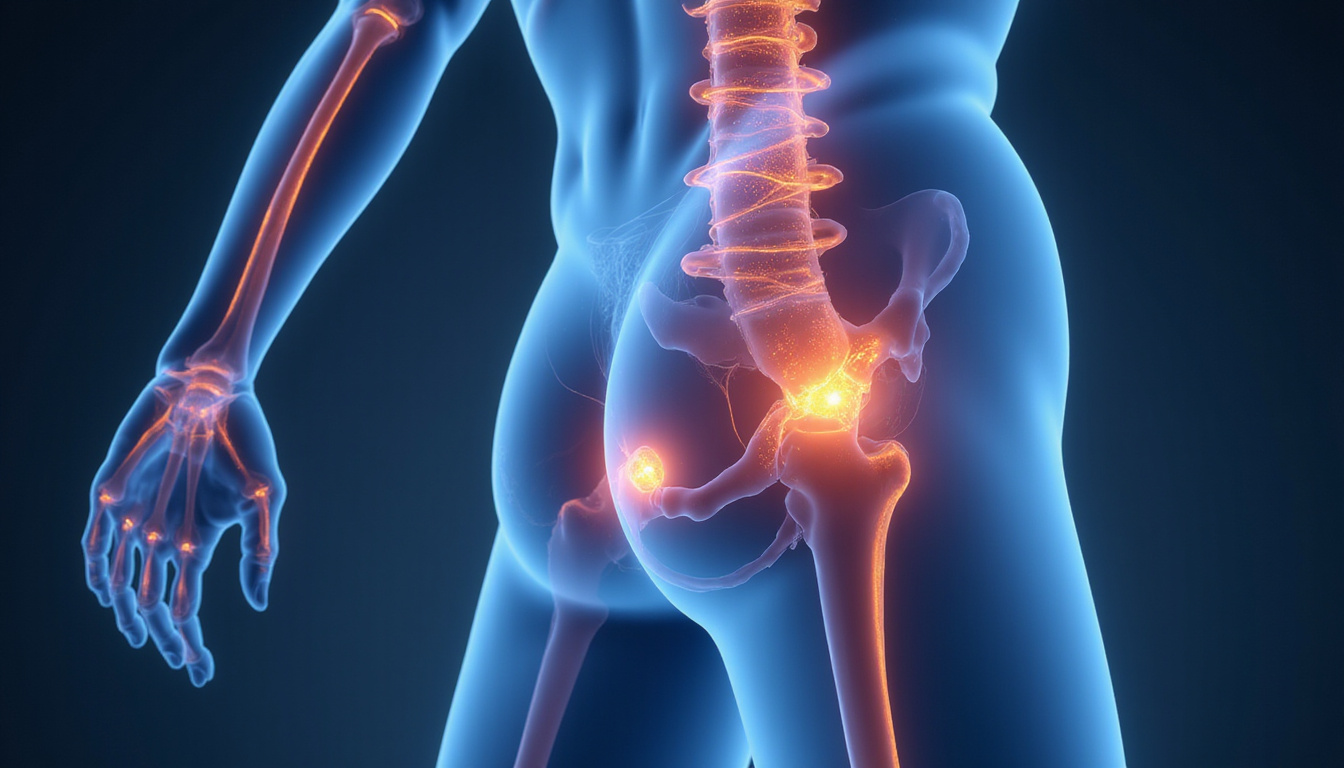
Technique 4: Desensitization Through Functional Pickleball Motions
Once basic touch and movement are safe, layer in familiar pickleball motions—but start very slowly.
Think of it as “shadow pickleball”:
- Practice a half-speed split step in place with a soft landing and limited depth.
- Shadow swing your forehand and backhand without a ball, staying very relaxed.
- Do quarter-lunges toward an imaginary kitchen line, using a counter or chair for balance.
Over time, you can slowly:
- increase speed
- include a paddle
- add a ball
- eventually integrate these into your warm-up on the court
Keep your joints feeling safe and calm before, during, and after each drill.
If a drill leaves you much more sore the next day, reduce the intensity.
Supporting Joint Desensitization with Smart Recovery
Joint desensitization works better when you support your whole system:
- Warm up before play with light marching, hip circles, arm swings, and shadow strokes.
- Cool down by walking, light stretching, and practicing tactile techniques.
- Rotate play intensity: balance heavy tournament days with lighter rec or drill days.
- Choose the right footwear and surfaces; supportive court shoes help avoid extra stress on joints.
Research shows that regular, moderate-intensity activity improves joint comfort and function over time (source: Arthritis Foundation).
Nutrition Support: Why Many Picklers Choose Regenerix Gold
Along with good mechanics, proper scheduling, and joint desensitization, many Pickleball players use nutrition support for performance and recovery.
Regenerix Gold is a nutrition supplement that supports:
- healthy, comfortable joints
- muscles that endure regular play and recover well
- overall mobility and resilience
Key points for Picklers:
- It is a nutrition solution—not a drug or painkiller.
- Doctors and physical therapists often recommend it for active adults who play many hours.
- It is trusted internationally for over a decade, with positive feedback from users who value active lifestyles.
Solid mechanics, a proper warm-up, and enough rest are irreplaceable.
Yet many players combine these habits with joint desensitization and Regenerix Gold to feel more confident about long-term joint and muscle health.
Always consult your healthcare provider if you have health conditions, are pregnant, nursing, or use other medications before starting a new supplement.
Simple Daily Routine for Picklers: 10–15 Minutes
Here is a sample routine you can use before or after your session:
- 2 minutes – Light tactile work around your most troubled joint (knee, shoulder, or ankle).
- 3 minutes – Graded motion in ranges that are pain-free or only mildly uncomfortable (heel slides, shoulder pendulums).
- 3–5 minutes – Isometric holds (like wall sits, shoulder isometrics, or calf holds).
- 2–3 minutes – Shadow pickleball motions at about 50% effort (split steps, dinks, soft lunges).
- Include nutrition support as directed, such as Regenerix Gold.
Over time, these small, consistent actions help your joints become smoother and less reactive—so you can play more without borrowing comfort from tomorrow.
Regenerix Gold
Watch this video to see how others use Regenerix Gold to support their joints and muscles:
FAQ: Joint Desensitization for Pickleball Players
Q1: How often should I do joint desensitization exercises for pickleball?
A: Aim for one to two short sessions daily, especially on play days. Keep the work regular instead of one long session.
Think of it as drilling for your joints—you would not fix your third shot with one mega-session.
Q2: Can joint desensitization help stiff joints after pickleball games?
A: Yes, many players find that gentle post-game work—using light touch, small movements, and easy isometric holds—helps joints feel less stiff and reactive later in the day. It may not cure everything, but regular practice can make recovery smoother and movement more comfortable.
Q3: Do I need a doctor or physical therapist to start joint desensitization for my joints?
A: You can begin with gentle, low-intensity work on your own if your discomfort is mild and not worsening.
However, if your pain is severe, your joint feels unstable, locks, or gives way, or if you are unsure what is safe, it is wise to see a doctor or physical therapist.
Many physical therapists also recommend nutrition support like Regenerix Gold alongside exercise and manual therapy to keep joints and muscles healthy.
Ready to Play the Long Game with Your Joints?
You have spent time perfecting your drop shots, serve placement, and poach timing.
Your joints deserve the same attention.
Joint desensitization offers a simple, daily strategy to lower stiffness and sensitivity so you can stay in the game you love.
If you want to:
- prevent financial stress from missed work or medical bills
- stay ahead of your playing group with smart health habits as well as shot selection
- feel confident that you are taking care of your long-term joint and muscle health
then consider making joint desensitization a daily habit.
Support it with a nutrition solution like Regenerix Gold, which doctors and physical therapists recommend and which users around the world have trusted for over a decade.
Invest in a bottle now—a small cost compared to the pain of missing tournaments or needing more intensive care later.
Support your joints and muscles today so you can keep ruling the kitchen and stacking wins tomorrow.
https://youtu.be/mGrH5UWFxUs?si=X9bScbG6dvejGkZf
Health Note
Always consult a licensed medical doctor for your health issues.
Special Discount
If you prefer preventive nutrition to minimize expensive knee surgery and potentially addictive pharmaceuticals, Regenerix Gold is your savvy solution.
You qualify for a special discount.
Simply use the link below and a discount will automatically be applied during checkout.
Get Regenerix Gold => HERE


