

If you’ve seen an X‑ray report with the phrase joint space narrowing, you may ask: Does it explain the grinding, stiffness, or “bone-on-bone” feeling you know? Many Americans face daily joint aches. They see joint space narrowing as a hint that their joint cushioning wears down. It tells them it is time to care for joint health—before things worsen.
Below, we unpack what joint space narrowing means, why it happens, early signs to look for, ways to support your joints, and how a nutrition-based supplement like Regenerix Gold may help in a routine for healthier joints and muscles.
What Is Joint Space Narrowing, in Plain English?
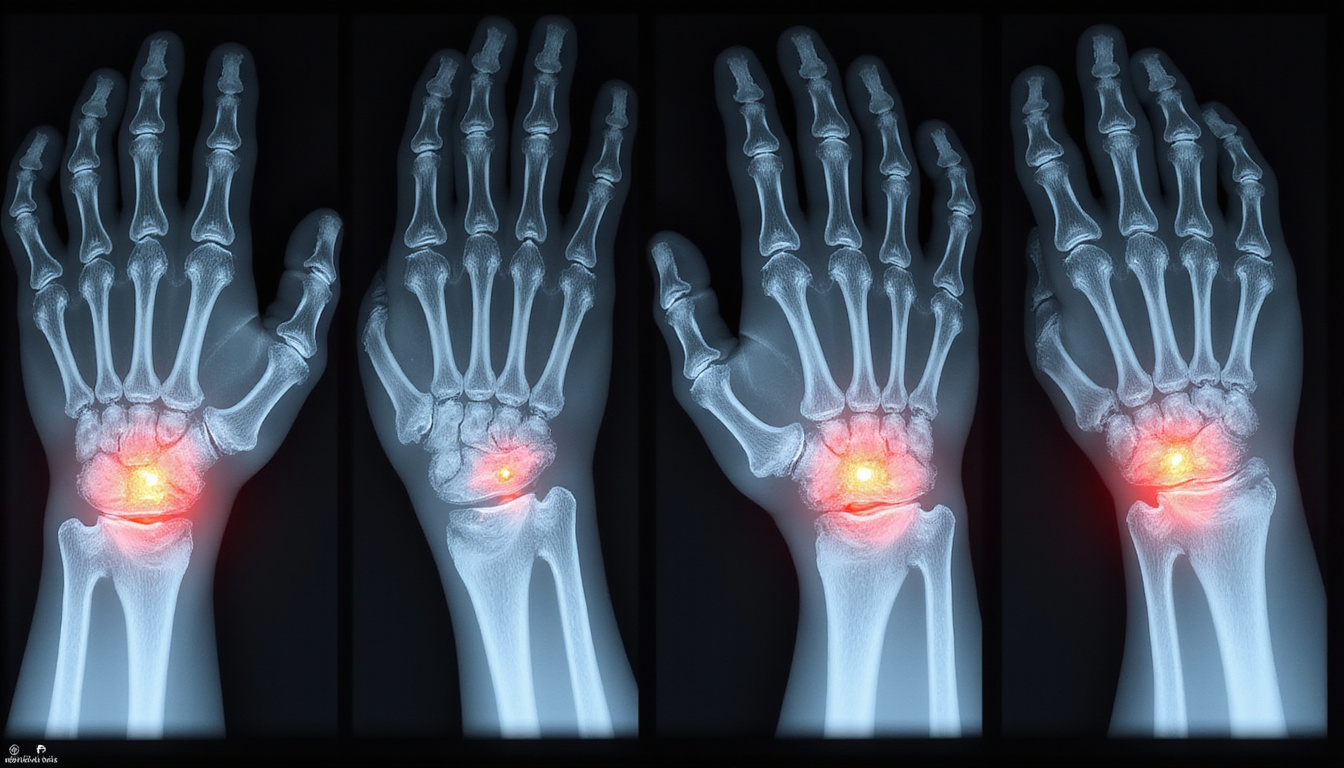
On a normal X‑ray, you see a gap between bones at the joint. This gap holds cartilage and joint fluid. When a report shows joint space narrowing, that gap is smaller.
In simple terms, it means: • The joint cushioning has thinned or worn away. • Bones slide over each other less smoothly. • There may be a change in how the joint lines up or moves.
Joint space narrowing is not a diagnosis. It is an imaging note that tells your doctor what your joint looks like and how much cushioning remains.
Early Signs You Might Be Experiencing Joint Space Narrowing
Many people with joint space narrowing share similar day-to-day experiences. If you notice these signs, take note:
• Morning stiffness: Your joints take time to “loosen up” after sleep. • Start-up pain: The first few steps feel stiff until the joint "warms up." • Grinding or crunching: You feel or hear a grinding sound when you bend or straighten. • Deep, aching discomfort: A dull ache in knees, hips, or hands may follow use. • Activity payback: Climbing stairs or standing too long makes the joints hurt later. • Reduced range of motion: You may not bend or stretch your joints fully.
These signs do not prove joint space narrowing, but they are common in those whose X‑rays later show the condition.
Common Causes and Contributors
Joint space narrowing builds slowly over time. Most people cannot point to a lone moment when it started. Instead, many forces work together.
1. Everyday Wear and Tear
Years of walking, lifting, squatting, and climbing stairs take a toll. This wear is worse when: • You work in physically demanding jobs. • You carry extra body weight. • Your activities involve repeating movements over many years.
The constant load wears down cartilage and makes the gap on the X‑ray smaller.
2. Old Injuries and Overuse
Past injuries change how a joint moves. They may include: • Sports injuries like a twisted knee or torn ligament. • Repeated sprains or strains. • High-impact training without enough rest.
These factors speed up the wear, leading to more obvious joint space narrowing.
3. Muscle Imbalances and Weak Support
Weak or uneven muscles make it hard to keep joints stable. When muscles do not support well: • Some cartilage areas get overloaded. • The joint feels unstable or wobbly. • You may change your movements without realizing it.
Over time, this uneven force creates a narrower joint space on imaging.
4. Lifestyle and Metabolic Factors
Everyday habits affect joint health: • Low activity or long sitting hours. • A poor diet missing key nutrients. • Smoking and too much alcohol. • Inadequate sleep that slows tissue repair.
These habits can lead to more cartilage wear and a joint that is less resilient (source: NIH – Joint Health).
Why Early Awareness Matters
Joint space narrowing usually grows slowly. But it does not mean you have no options. Recognizing early signs means you can: • Change how you move before the joint becomes very limited. • Build strength in muscles around the joint. • Improve how you move and your posture. • Support your joint tissues with proper nutrition and smart supplements.
Many ignore early stiffness and clicking until the discomfort affects work, sleep, or even climbing stairs. Acting early gives you more choices and better comfort in the long run.
How Doctors and Therapists Look at Joint Space Narrowing
If you mention joint pain or movement issues, your provider may: • Ask about your work, exercise, past injuries, and hobbies. • Watch how you walk, stand, sit, and climb stairs. • Test your joint range of motion and strength. • Order X‑rays or other imaging if needed.
When joint space narrowing appears, your healthcare team sees it as one part of the overall picture. They check: • Which joints are affected (knees, hips, spine, hands, etc.). • How narrow the space is. • If there are bone spurs or alignment changes. • How your symptoms line up with the imaging.
They then discuss non-surgical options, focusing on support, function, and comfort.
Non-Surgical Options to Support Joints with Joint Space Narrowing
When imaging shows narrowing, many hope to avoid surgery. Always follow your doctor’s advice. Common non‑surgical strategies include:
1. Targeted Exercise and Physical Therapy
A good therapist can improve joint comfort and function. Therapy may focus on: • Strengthening muscles that support the joint. • Improving balance and alignment. • Teaching joint-friendly ways to move. • Mobility work to keep a good range of motion.
With the right exercises, many find that their joints feel less “creaky” even when X‑rays do not change.
2. Weight and Load Management
Even small weight loss reduces the load on your joints. For example, each lost pound can significantly ease the pressure on your knees. • Use handrails on stairs. • Take breaks during long periods of sitting or standing. • Use joint‑friendly tools like carts or ergonomic seating.
These changes can lessen joint fatigue by the end of the day.
3. Supportive Devices and Joint-Friendly Footwear
Depending on the affected joints, your provider may suggest: • Braces or sleeves that add stability. • Orthotics or well-cushioned shoes. • Walking aids for longer distances.
Such devices can lessen the “bone-on-bone” feeling by spreading the force across the joint.
4. Nutrition and Supplementation for Joint and Muscle Health
Many people want to help their joints from the inside out. Nutrition and supplements can assist. A joint-support plan includes: • Enough protein to repair muscles. • Healthy fats to keep normal inflammation in check. • Micronutrients that help muscles and connective tissues.
Along with a balanced diet, some choose joint and muscle support supplements.
Where Regenerix Gold Fits Into the Picture
Regenerix Gold is a nutrition-based supplement for those who want healthy joints and muscles. It is made for people who say things like: • “My knees feel tight when I get up.” • “My hips are stiff after driving.” • “My joints are not as quick to bounce back.”
Key points for Regenerix Gold: • It is a nutrition-based solution for joint and muscle wellness. • Doctors and physical therapists recommend it as part of a joint health plan. • It has been used for over a decade and has received positive reviews from people worldwide.
Even though Regenerix Gold is not a treatment or cure for joint space narrowing or any disease, many use it as part of a plan to: • Support joint comfort during daily tasks. • Maintain smooth and comfortable movement. • Enhance the benefits of exercise and physical therapy.
Always talk to your healthcare provider before starting any new supplement. This is especially important if you take medications, are pregnant or nursing, or have other health issues.
Regenerix Gold
Putting It All Together: A Practical Plan if You Have Joint Space Narrowing
If you learn that you have joint space narrowing or suspect it from your symptoms, try this step-by-step plan with your healthcare provider:
-
Confirm what is happening.
Look at your imaging and ask your doctor to explain the findings in simple words. Ask where the narrowing is and how advanced it appears. -
Adjust your daily movement.
Work with a therapist to change how you walk, climb stairs, lift objects, and sit at work. Protect the joint from extra stress. -
Strengthen the support team (your muscles).
Follow a personalized plan to build strength and flexibility to help reduce the load on your joints. -
Change your workload and environment.
Make ergonomic changes at work, use braces or supports, and take frequent breaks from repetitive tasks. -
Improve your nutrition.
Eat plenty of protein, healthy fats, and colorful vegetables. Stay well hydrated. Also, talk with your provider about joint-focused supplements like Regenerix Gold. -
Monitor and adapt.
Keep track of stiffness, discomfort in the morning, and how much activity you can do. Share your progress with your provider to adjust your plan.
FAQ: Joint Space Narrowing and Joint Support
Q1: Can joint space narrowing be reversed naturally?
Joint space narrowing on an X‑ray shows structural changes that rarely reverse. Many people, however, improve how their joints feel and function with exercise, weight management, good nutrition, and supportive supplements. Even if the imaging remains unchanged, daily stiffness and fatigue can lessen with a good plan.
Q2: What is the best treatment for joint space reduction?
No single treatment works for everyone. Most doctors suggest a mix of:
• Strengthening and mobility work
• Weight and activity changes
• Ergonomic and supportive devices
• Nutrition and supplements for healthy joints and muscles
Your doctor or therapist will tailor a plan based on which joints matter most and how your symptoms affect your life.
Q3: How can I support joint cartilage and muscle if I have knee joint space narrowing?
If your knee shows narrowing, focus on:
• Strengthening your quadriceps, hips, and core.
• Low-impact exercise such as cycling, swimming, or using an elliptical.
• Avoiding long periods of deep squatting or kneeling.
• Eating a balanced diet and, with your provider’s guidance, using a joint-support supplement like Regenerix Gold.
These actions help the muscles around your knee work better and keep your joint functioning more comfortably.
Why Acting Now Matters—for Your Health and Your Wallet
Daily joint pain is more than an annoyance. It can: • Limit the work you do or force you to reduce your hours. • Lead to missed shifts when your joints “just won’t keep up.” • Increase long-term medical expenses and complexity.
People who act early—by strengthening, moving smart, and supporting their joints with proper nutrition—may work longer and face fewer unexpected health costs.
If you like to be one step ahead, do not wait until joint pain makes all the decisions. Consider a full joint-support plan now. Talk with your provider about adding Regenerix Gold to your routine for healthy joints and muscles.
Try Regenerix Gold if you are ready. You work hard to maintain your health and livelihood. Taking a nutrition-focused step today can help you remain in control, protect your ability to work and play, and join those who act early rather than waiting for pain to decide.
Special Discount
If you prefer preventive nutrition to minimize expensive knee surgery and potentially addictive pharmaceuticals, Regenerix Gold is your savvy solution.
You qualify for a special discount.
Simply use the link below and a discount will automatically be applied during checkout.
Get Regenerix Gold => HERE


