
laser therapy: Breakthroughs That Relieve Chronic Pain Without Surgery
由 Zestora 上 Apr 02, 2026

If each step, each lift, and each twist reminds you that your joints have changed, you are not alone. Many Americans search for options like laser therapy. They want to ease long‑standing aches and tight, cranky joints without surgery or heavy pain pills. Technology has advanced. Light‑based treatments now stand strong alongside exercise, hands‑on care, and joint‑supporting nutrition.
Below you find a clear guide that shows how laser therapy works. It tells you what it can do, what it cannot do, and how it fits into a full plan that helps your joints and muscles move smoothly—all while avoiding any claims of a “miracle cure.”
What Is Laser Therapy, Really?
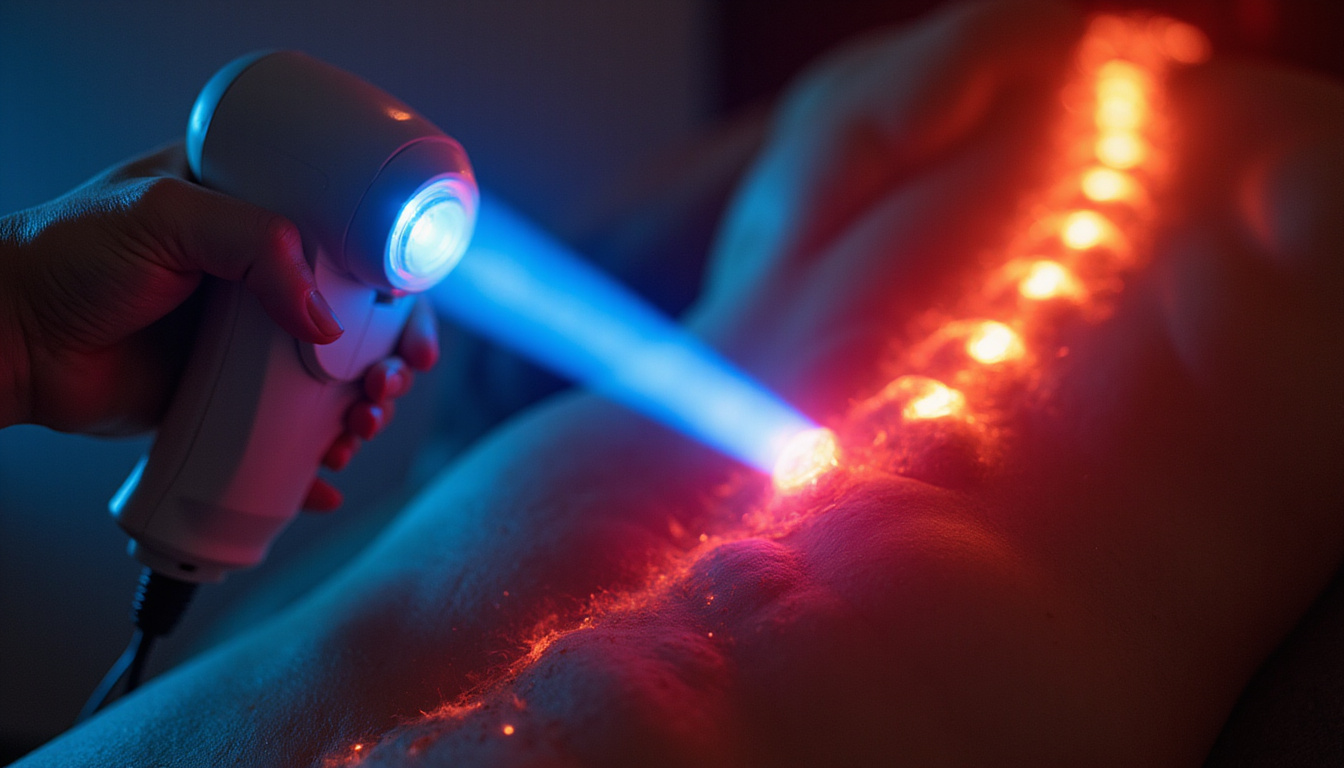
In clinics and rehab centers, laser therapy usually means “low‑level laser therapy” (LLLT) or “cold laser therapy.” These treatments use low‑intensity light that shines on the skin above sore joints or tired muscles. They do not cut tissue like surgical lasers do.
Users often say they feel: • A “deep, soothing warmth” or a “gentle tingling.” • Less stiffness when they stand after sitting. • A more comfortable range of motion in daily life.
Clinics blend laser therapy with plans that include: • Targeted exercises. • Manual therapy or massage. • Nutrition and lifestyle choices that support joints.
Laser therapy does not replace needed medical care. It is a non‑invasive tool that supports your body’s natural healing process.
How Laser Therapy Works in the Body
Researchers see laser therapy as a tool that influences your cells in muscles, tendons, and connective tissues. As the light passes your skin, it can: • Work with cell parts that produce energy. • Boost blood flow in the area. • Help normal tissue repair and recovery.
For many, stubborn tightness, nagging pain, and “cement-like” stiffness become more bearable. You might notice: • Easier bending and straightening. • Less “catching” or “locking up” after sitting. • Less soreness after being active.
An NIH overview shows that low‑level laser therapy can help manage musculoskeletal discomfort and support tissue recovery
(source: NIH / PubMed).
What a Typical Laser Therapy Session Feels Like
If you have not tried laser therapy before, here is a typical experience at a rehab clinic:
-
Brief assessment
A clinician asks where you feel the stiff or deep ache and checks your motion and function. -
Positioning
You sit or lie down so the painful area, like the knee, low back, shoulder, neck, or hand, is easy to reach. -
Application of the laser
• A small handheld device touches your skin.
• You may feel mild warmth but nothing painful.
• Sessions last 5–20 minutes, depending on the area. -
After the session
Some people feel a change right away; others feel looser over several visits. Often, clinicians combine laser therapy with stretching, strengthening, or massage within the same day.
Since this treatment is non‑invasive, you enjoy no downtime like that after surgery or injections.
Is Laser Therapy Safe?
When trained professionals use approved devices, laser therapy is safe for most adults. Providers take care to: • Avoid shining the laser into your eyes. • Follow safety rules for pregnant people or those with special medical implants. • Adjust settings so treatment stays comfortable.
Always: • Share your full health history. • Ask if laser therapy suits your situation. • Use FDA‑cleared devices and licensed professionals.
Laser therapy is not a cure‑all. It is one tool in a broader plan to keep your joints and muscles healthy and strong.
Who Might Benefit from Laser Therapy?
People who try laser therapy often say things like: • “My knees feel like rusty hinges when I stand.” • “My shoulders seem to grind inside.” • “My back is always tight, as if I slept on concrete.” • “My hands are stiff and clumsy in the morning.”
Laser therapy may help when you have: • Long‑term joint tenderness that worsens with use. • Muscle tightness from hard physical work or sports. • Soreness after exercise that limits your movement. • Aging joints that complain with a shift in the weather.
Results vary. Many people use laser therapy with other treatments for a full approach.
Laser Therapy vs. Surgery and Strong Pain Meds
A strong point for laser therapy is that it can help you avoid or delay other treatments:
-
Avoiding or postponing surgery
• No incisions, no anesthesia, no hospital stay.
• No long surgical recovery.
• Less interference with work, family, or hobbies. -
Reducing dependence on strong pain medicines
• Many worry about long‑term use of heavy pain pills.
• Laser therapy offers a non‑drug option that pairs well with creams, exercise, and nutrition.
This does not mean that surgery or medications are bad. They are needed at times. The key is to have more options instead of choosing between “suffer” or “operate.”
Integrating Laser Therapy into a Total Joint‑Health Plan
The best results come when laser therapy is used with other joint-support tools.
A full plan might include: • Laser therapy sessions in a clinic. • Targeted exercises that boost muscle support. • Gentle stretching and mobility work to keep joints moving. • Posture and movement changes to ease daily stress. • Nutrition and supplements that nourish joints and muscles from inside out.
This is where a nutrition‑based option like Regenerix Gold fits well.
Why Regenerix Gold Pairs Well with Laser Therapy
While laser therapy works from the outside, Regenerix Gold supports your joints and muscles from the inside. It is a supplement that many use for: • Healthier, more comfortable joints. • Better muscle resilience and recovery. • Staying active and independent as they age.
Key points about Regenerix Gold: • It is recommended by doctors and physical therapists as part of a joint care plan. • It has been used for over a decade with strong reviews worldwide. • It is a supplement, not a drug, and is not meant to diagnose, treat, cure, or prevent any disease. • It helps people who want to climb stairs, squat, or play with grandkids—with less joint complaint.
For many Americans, combining laser therapy (clinic‑based, hands‑on care) with Regenerix Gold (daily nutritional support) provides a middle ground between doing nothing and resorting to major procedures.
Practical Steps if You’re Considering Laser Therapy
If you wonder whether laser therapy fits into your routine, follow this simple guide:
-
Talk to your provider or therapist
Ask if laser therapy is suitable for your history, medications, and symptoms. -
Find a qualified clinic
• Look for rehab, sports medicine, or physical therapy centers that offer laser or “cold laser” treatments.
• Confirm they use FDA‑cleared devices. -
Ask the right questions
• How many sessions do they usually recommend?
• How do they track your pain, range of motion, and function?
• How do they combine laser therapy with exercise or other treatments? -
Support your joints with nutrition
• Consider adding a daily joint and muscle supplement like Regenerix Gold.
• Combine it with good hydration, protein, and weight management. -
Monitor your progress
Keep a simple log of:
• Morning stiffness (on a 0–10 scale).
• How far you can bend or walk.
• How easy daily tasks (stairs, lifting, standing) feel.
After a few weeks, you will see if combining laser therapy, exercise, and nutrition moves you in the right direction.
Video: Regenerix Gold
Regenerix Gold
Frequently Asked Questions About Laser Therapy for Achy Joints
-
Does laser therapy work for chronic joint pain?
Many people say laser therapy for chronic joint pain reduces stiffness and pain, especially when used with exercise and good nutrition. Results vary by person. It is worth discussing with your provider if you want to avoid heavy medication or surgery. -
How many laser therapy treatments are usually needed?
Clinics often suggest several laser therapy treatments over a few weeks. Some people feel results early. Others notice gradual change. Your provider will tailor the plan based on your symptoms and daily activity. -
Can I use laser therapy at home, or should I only go to a clinic?
Home devices exist for cold laser therapy, but their quality and power vary. Clinic systems are stronger and guided by professionals who also use exercise and hands‑on care. If you want to try a home device, speak with your provider. Continue using supplements like Regenerix Gold for daily inside‑out support along with external therapy.
The Bottom Line: Why Act Now?
Living with joints that pop, grind, and complain every day is tiring and costly. Missed work, low productivity, or needing help with basic tasks can hurt your income and independence.
Laser therapy offers a modern, non‑invasive way to support your body’s healing process without quick jumps to surgery or strong medications. Paired with a smart supplement like Regenerix Gold—recommended by doctors and physical therapists and trusted for over a decade—this creates a two‑way approach: • Outside‑in support from the laser. • Inside‑out support from joint and muscle nutrition.
If you make informed, proactive choices about your health and want to avoid costly, aggressive treatments, this strategy fits well. Consider your next move today:
• Schedule a consultation about laser therapy, and
• Try a bottle of Regenerix Gold to see its benefits as part of your daily routine.
Your future self—the one climbing stairs and working without pain—will thank you for acting now.
Special Discount
If you prefer preventive nutrition to minimize expensive knee surgery and potentially addictive pharmaceuticals, Regenerix Gold is your savvy solution.
You qualify for a special discount.
Simply use the link below and a discount will automatically be applied during checkout.
Get Regenerix Gold => HERE


