
muscle coactivation Secrets: Boost Strength, Prevent Injury, Improve Control
由 Zestora 上 Oct 06, 2026

If you grind on the pickleball courts and feel aches in your knees, hips, shoulders, or elbows, you might lack strong muscle coactivation. Picklers work on dinks, drops, and drives. Yet, proper coactivation can boost power, protect joints, and give you that smooth, controlled feel that top players enjoy.
This guide shows what muscle coactivation does, why it matters for American picklers, and how you can train it—all without turning your game into a complicated science lab.
What Is Muscle Coactivation (And Why Picklers Should Care)?
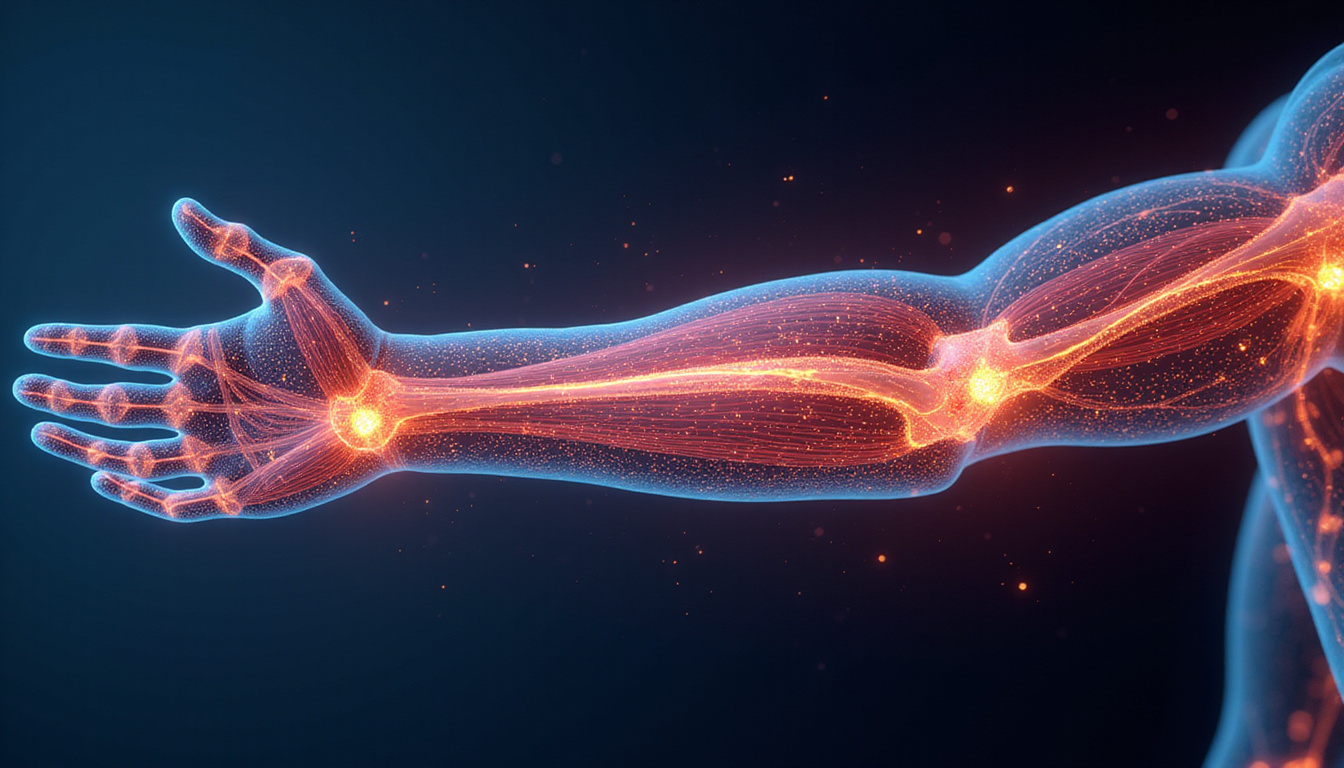
Muscle coactivation happens when opposing muscles fire together around a joint to stabilize movement.
- When you swing your paddle, your shoulder, elbow, and wrist fire together.
- When you lunge for a low dink or wide cross-court shot, your quads and hamstrings fire to keep your knee steady.
- When you split-step and move to the kitchen, the muscles around your hips and ankles fire in sync to keep you balanced.
You already do this on the court. But if your coactivation is weak, delayed, or excessive, your body must compensate. That compensation shows up as discomfort, tightness, or fatigue. Good muscle coactivation gives you control, efficient force, and calm joints.
How Muscle Coactivation Shows Up in Your Pickleball Game
Different levels of coactivation appear in many ways for American picklers:
1. The Overgripper
You grip the paddle too hard at the kitchen line. Your forearm burns during play. Your wrist feels tight after long sessions.
- Likely issue: Excess coactivation in your forearm muscles.
- Result: A stiff touch, poor resets, and quick fatigue.
2. The Knee-Worrier
You feel every stop and start in your knees, especially when moving from the baseline to the non-volley zone or shuffling laterally.
- Likely issue: Poor coactivation among quads, hamstrings, and glutes.
- Result: Less shock absorption and less power when you push off.
3. The Shoulder-Sore Smasher
Overheads and drives thrill you until your shoulder gets sore after a tournament night.
- Likely issue: Weak or delayed coactivation in the shoulder (rotator cuff and scapular muscles).
- Result: Extra strain on the shoulder joint and soft tissues.
In every case, practicing proper muscle coactivation smooths your movement, reduces joint stress, and extends your playing years.
Why Pickleball Specifically Demands Smart Muscle Coactivation
Pickleball needs quick changes and fast moves. For American picklers, this is key—especially if you juggle a desk job, long commutes, or busy weekends.
Key features demand strong coactivation:
- Low Kitchen Stance: Your hips, knees, and core fire together to keep you low yet agile.
- Quick Direction Changes: Planting and cutting need fast coactivation around the knees and ankles.
- Reaching Shots and Lunges: Coactivation holds your joints steady.
- Repetitive Swings: Every dink, drive, or volley needs well-timed coactivation in the shoulder and trunk.
Without such coactivation, your body leans on passive structures like ligaments. Over time, this trade-off is not smart for long-term play.
How to Train Better Muscle Coactivation for Pickleball
You do not need a lab or special gear. Court-friendly exercises help you sharpen your control and ease.
1. Build Core and Hip Coactivation for Stability
A stable core lets your arms and legs move with accuracy.
Dead Bug with Pressed Low Back
- Lie on your back with your knees bent at 90° and arms straight up.
- Press your low back gently into the floor; this fires your core muscles.
- Slowly lower the opposite arm and leg, keeping the movement controlled.
- Do 2–3 sets of 6–8 reps per side.
Mini-Band Lateral Walks (Pickleball Stance)
- Place a mini-band above your knees or around your ankles.
- Get into a light, ready stance like on the court.
- Step sideways with control. Keep your knees over your toes.
- Do 2–3 sets of 10–15 steps in each direction.
These drills bring your hips, glutes, and core into close coactivation. They make your split-step and lateral shuffles feel firm and smooth.
2. Knee-Friendly Coactivation for Lunges and Wide Balls
Reverse Lunge with Pause
- Step backward into a lunge slowly.
- Pause at the bottom for 1–2 seconds.
- Focus on feeling both your front quads and hamstrings work together.
- Do 2–3 sets of 6–8 reps per leg.
Wall Sit with Heel Drive
- Lean against a wall until your knees form about 90°.
- Press your heels gently into the floor, as if pushing it away.
- Feel your quads and hamstrings fire in sync to hold you.
- Hold for 20–40 seconds and do 2–3 sets.
These exercises teach your kneecap stability from both muscle sides during sudden lunges and scrambles.
3. Shoulder and Scapular Coactivation for Cleaner Swings
Band External Rotation at 90° Elbow
- Anchor a light band at elbow height.
- Keep your elbow tucked by your side and bent at 90°.
- Rotate your forearm outward.
- Slowly return to the start.
- Do 2–3 sets of 10–12 reps per arm.
Wall Slide “Y”
- Stand with your back and arms against the wall.
- Slide your arms upward into a “Y” shape.
- Concentrate on your shoulder blades gliding down and back.
- Do 2–3 sets of 8–10 reps.
These drills fire the small stabilizers around your shoulder, supporting your overheads, drives, and volleys.
4. Ankle and Foot Coactivation for Balance at the NVZ
Single-Leg Balance with Reach
- Stand on one leg in a light athletic stance.
- Reach your opposite hand forward, then across, and to the side.
- Feel your foot, ankle, and calf fire together to keep you balanced.
- Do 2–3 sets of 20–30 seconds per leg.
This exercise mimics the challenge of stretching for dinks or blocks without losing your stable base.
Nutrition and Muscle Coactivation: Why Joint & Muscle Support Matters
Muscle coactivation thrives when your joints, muscles, and connective tissues get proper nutrients. When your brain sends a “stabilize now” signal, your body must respond.
American picklers, especially those over 35 or with busy schedules, face two challenges:
- The physical demand of lunges, pivots, overheads, and long sessions on the court.
- Daily stresses like sitting, stress, and inconsistent meals.
Over time, these challenges can make your joints and muscles sluggish. A nutrition-based solution can support your body’s response.
Why Many Picklers Turn to Regenerix Gold
Regenerix Gold is a nutrition-based supplement designed for people who want healthy joints and muscles. It helps support proper muscle coactivation.
• It is recommended by doctors and physical therapists as part of a balanced lifestyle that includes exercise, strength work, and smart training.
• It has been used internationally for over a decade, with positive feedback from active players.
• It supports the joint-and-muscle system that underlies effective coactivation and smooth movement.
Though no supplement can replace training, sleep, or smart load management, many picklers add Regenerix Gold to help:
- Boost joint comfort during and after games.
- Maintain the muscle and connective tissue health that supports good coactivation.
- Feel confident in leagues, tournaments, or ladder play with increased support.
Always talk to your healthcare provider before adding any supplement, especially if you have a health condition, take medications, or are pregnant or breastfeeding. Supplements do not diagnose, treat, cure, or prevent any disease.
How Regenerix Gold Fits Into a “Smart Pickler” Routine
If you are serious about improving muscle coactivation and staying on the court long term, try this routine:
-
Warm-Up (5–10 minutes)
- Do a light jog or shuffle with dynamic stretches.
- Include 2–3 coactivation drills (for example, mini-band walks, dead bugs, or scapular band work).
-
On-Court Awareness
- Notice when your knees or shoulders feel unstable.
- That feeling signals you need more coactivation training off-court.
-
Recovery (After Play)
- Perform gentle mobility work.
- Stay hydrated and eat quality protein.
- Get good sleep and consider joint and muscle support like Regenerix Gold.
-
Weekly Strength & Coactivation Sessions
- Do 2–3 sessions each week (20–30 minutes) that focus on your hips, core, shoulders, and ankles.
This routine not only supports comfort; it also wires your body to fire muscles in close sequence. That is the essence of smart muscle coactivation.
Quick At-Home Coactivation Circuit for Picklers
Try this 10–15 minute routine 2–3 times each week:
- Dead Bug – 2 sets of 8 reps per side
- Mini-Band Lateral Walks – 2 sets of 10 steps each way
- Reverse Lunges with Pause – 2 sets of 6 reps per leg
- Band External Rotations – 2 sets of 10 reps per arm
- Single-Leg Balance with Reach – 2 sets of 20 seconds per leg
This circuit targets the key joints stressed in pickleball and hones muscle coactivation for everyday court moves.
Evidence Snapshot: Why Stability Work Matters
Studies in sports and rehabilitation show that targeted neuromuscular work boosts joint control. Better muscle coordination distributes stress among muscles and joints. With increased coordination, your moves become smoother and more controlled. This is the heart of smart muscle coactivation training.
(Source: National Institutes of Health)
Regenerix Gold
FAQs About Muscle Coactivation for Pickleball Players
Q1: How does muscle coactivation improve control in pickleball?
When opposing muscles around a joint fire in sync—like the quads and hamstrings in the knee—the joint stays stable during quick moves such as split-steps, lunges, or pivots. That stability lets you place the ball more precisely.
Q2: Can better muscle coactivation help prevent overuse issues in pickleball?
Yes. Healthy coactivation helps spread the forces evenly across muscles and joints. While it does not guarantee that you will avoid injury, it supports smoother, more efficient movement in high-demand areas like shoulders, knees, and ankles.
Q3: Do I need special equipment to train muscle coactivation for pickleball?
No. Most exercises use body weight or simple tools like mini-bands. Consistent practice, combined with proper nutrition and support—perhaps with a supplement like Regenerix Gold—goes a long way.
Ready to Play the Long Game? Why Now Is the Time to Act
Court fees, league entries, and paddles cost less than losing time on the court. Missed work, doctor visits, imaging, and rehab add up quickly. These costs often outweigh the expense of smart training and support.
Savvy picklers treat their bodies with care. They:
- Train for coactivation and stability, not just power.
- Support their joints and muscles with smart nutrition.
- Plan for the long term, not just the next game.
If you are a forward-thinking pickler who does not wait for a crisis, now is the time to build your foundation. Consider adding Regenerix Gold to your routine as a nutrition-based support for healthy joints and muscles. It is recommended by doctors and physical therapists, used internationally for over a decade, and trusted by players who want to keep moving well.
Try a bottle, test it in your game, and gain the edge of better joint and muscle support. In a sport where every advantage counts, this smart investment pays off in more pain-free games, wins, and years on the court.
https://youtu.be/mGrH5UWFxUs?si=X9bScbG6dvejGkZf
Health Note
Always consult a licensed medical doctor for your health issues.
Special Discount
If you prefer preventive nutrition to minimize expensive knee surgery and potentially addictive pharmaceuticals, Regenerix Gold is your savvy solution.
You qualify for a special discount.
Simply use the link below and a discount will automatically be applied during checkout.
Get Regenerix Gold => HERE


