

If you grind on the courts and feel your low back, hips, or knees, you may miss one key element: pickleball glute activation. Your strong glutes drive your moves. They fire during explosive drives, stable lunges, and quick kitchen resets. When they slack, other parts pay the price.
This guide speaks directly to Picklers who love daily dinks but now feel the wear. We explain why glutes matter for pickleball, how to know if they lag, five easy activation drills, and how a nutrition aid like Regenerix Gold may support healthy joints and muscles so you can keep playing.
Why glutes matter so much in pickleball
Think of every rally. You make a split step at the ready line, then a wide lunge to chase a sharp angle. Next, you explode to poach at the kitchen and come to a sudden stop after a lob.
Your glutes (maximus, medius, and minimus) drive these actions. Good pickleball glute activation helps you:
• Boost paddle-head speed from your legs.
• Hold balance during a wide dink.
• Ease pressure on your knees and low back.
• Move efficiently so you do not tire after two games.
Lazy glutes force your quads, hamstrings, hip flexors, and low back to work too hard. That extra strain can lead to tightness, stiffness, or pain every time you hit the court.
Signs your glutes are “off” on the pickleball court
You do not need an MRI to spot trouble. Look for these clues:
• Your quads burn with every lunge but your glutes stay quiet.
• You try to “stand up straight” or put your hands on your hips between points.
• You struggle to push off quickly even if your cardio is fine.
• You feel wobbly or unstable when you plant your feet.
• Your low back tightens after rec play even if you “didn’t do much.”
If these clues sound familiar, a regular focus on pickleball glute activation can help your hips take the lead again.
Warm-up first: Don’t activate cold muscles
Before focused pickleball glute activation work, warm up:
• Walk briskly or jog lightly for 2–3 minutes.
• Do 10–15 leg swings forward/back and side-to-side.
• Perform a few shallow bodyweight squats.
Once warm, move on to the five exercises below. They are simple, court-friendly, and made for Picklers.
1. Mini-band lateral walks – wake up your “side glutes”
Many players overuse the big glute max and ignore the glute med, which steadies your pelvis when you step wide or shuffle sideways.
How to do it:
- Loop a light mini-band around your legs, just above the knees or near the ankles.
- Stand in an athletic pickleball stance: use soft knees, push your hips back, and hold your chest high.
- Step sideways while keeping the band tight and your feet parallel.
- Take 10–15 steps in one direction, then repeat the steps back.
On-court cue: Imagine shuffling along the baseline to cover your partner’s side. Stay low and steady as you prepare to drive.
2. Glute bridges – build your “pickleball launch pad”
Glute bridges are simple but strong. They teach your body to fire your hips instead of relying on your low back or quads.
How to do it:
- Lie on your back with knees bent, feet flat, and hip-width apart.
- Brace your core as if you feel a light poke in the stomach.
- Push through your heels. Squeeze your glutes and lift your hips.
- Hold for 2–3 seconds. Then lower slowly.
Do 2–3 sets of 10–15 reps.
For progress:
• Try a marching glute bridge (lift each foot in turn at the top).
• Try a single-leg bridge (one foot stays planted, the other straight).
On-court transfer: Feel the same hip drive you use to load and explode on a third-shot drive or an overhead smash.
3. Split-stance Romanian deadlift – stability for lunges and reaches
This drill works your glutes and hamstrings and teaches balance in a lunge-like split stance. It is great for those wide kitchen reaches when you need control.
How to do it:
- Stand with one foot forward and the other behind, hip-width apart.
- Place 70% of your weight on the front leg.
- Hinge at the hips. Slide your butt back while keeping your chest high and spine straight.
- Let your hands slide along your front thigh until you feel a stretch in your back leg.
- Drive through your front heel. Squeeze your glutes as you rise.
Do 2 sets of 8–10 reps per side.
Optional: Hold a light dumbbell or your paddle in both hands for extra load.
On-court transfer: This drill builds the control you need when you step into a deep dink or a low drive.
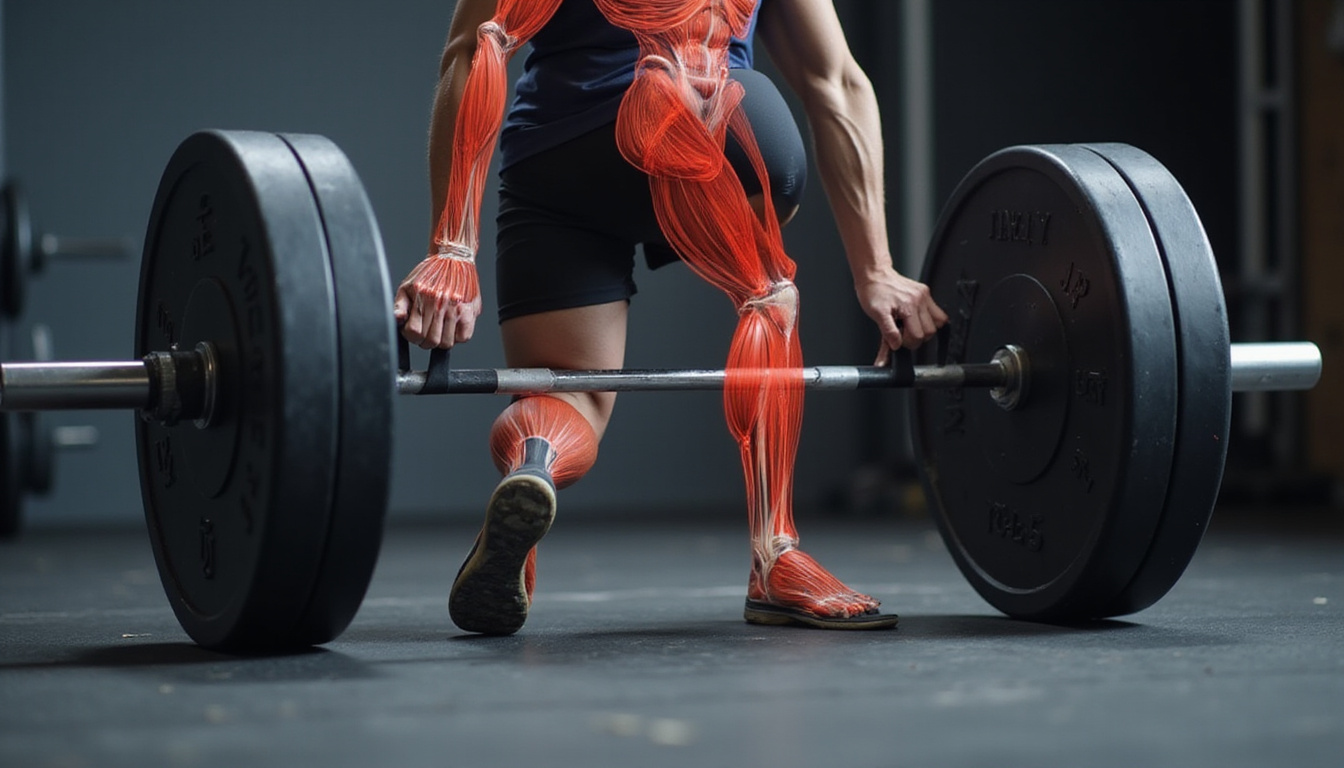
4. Lateral lunge to balance – control your wide shots
For many Picklers, side-to-side movement is key. If your glutes lack strength, lateral lunges feel unstable.
How to do it:
- Stand tall with your feet together.
- Step out to the side with your right foot, keeping your toes forward.
- Sit back into your right hip. Keep your left leg straight, chest up, and your knee over your toes.
- Push away from the ground with your right foot to return to center.
- Add a brief single-leg balance on the way back to work on your stability.
Do 2–3 sets of 8–10 reps per leg.
On-court transfer: Think of it as movement to cover a sharp cross-court dink or sliding to defend a body drive.
5. Single-leg hip hinge “taps” – balance at the kitchen line
This drill is a reliable warm-up. It builds hip control, balance, and coordination—critical for busy kitchen play.
How to do it:
- Stand on your right leg with a soft knee and braced core.
- Hinge at your hips. Let your left leg float back like a counterweight.
- Reach both hands toward a cone, line, or an imaginary ball in front of your right foot.
- Tap lightly, then stand up by squeezing your right glute.
- Keep your hips square and do not let them twist.
Do 2 sets of 6–8 reps per leg.
On-court transfer: Picture reaching for a low dink or reset while keeping balance and readiness for the next shot.
Simple weekly plan for pickleball glute activation
To make progress, add this routine to your daily habits:
• On play days (before stepping on court):
- Do 1 light set of each exercise as a warm-up.
• On off days or non-play days:
- Do 2–3 sets of each exercise for strength and endurance.
Aim for at least 3 days per week of focused glute work. After a few weeks, you should feel stronger drives, steadier lunges, and less nagging muscle soreness after rec play.
Don’t forget the inside: nutrition support for joints and muscles
Your drills and strength work matter. But many Picklers miss what happens inside their body. Years of hard pivots, kitchen battles, and tournaments add up—especially if your nutrition does not support your joints and muscles.
This is where a nutrition-based solution like Regenerix Gold can help you recover.
How Regenerix Gold fits your routine:
• It is designed to support healthy joint comfort.
• It helps muscle function and aids recovery.
• It boosts overall mobility for active lifestyles.
Key points for players:
• It is a nutrition-based method, not a quick-fix drug.
• Many doctors and physical therapists recommend it for active adults.
• It has over a decade of positive global reviews, especially from racquet and paddle sports fans.
No supplement can replace proper training. Yet, supporting your body inside can make you more resilient. This becomes vital when you consider the cost of time off court, medical visits, and missed work.
Regenerix Gold
FAQ: Glute activation for pickleball players
Q1: What is pickleball glute activation and why should I care?
A1: Pickleball glute activation wakes your glutes so they can drive your movements. When your glutes work properly, you move faster, hit harder, and stay stable during quick changes of direction.
Q2: How often should I do glute exercises for pickleball?
A2: Aim for at least 3 sessions per week. A brief 5–10 minute session before play can activate your glutes, and a 15–20 minute session on off days can build strength. Consistency wins over intensity.
Q3: Can a supplement help my pickleball glutes and joints?
A3: Supplements do not replace training or fix your technique. Still, a well-made product like Regenerix Gold can support joint and muscle health. It is nutrition-based, trusted by many professionals, and has a solid track record internationally. Always check with your healthcare provider before starting any new supplement.
Ready to play like your body is on your side?
Many Picklers push their joints and muscles until their bodies protest. Then come medical bills, missed work, or the hard truth of watching others play while you sit on the sidelines.
You can avoid that fate.
By focusing on pickleball glute activation with the five easy exercises above and supporting your body inside with a nutrition solution like Regenerix Gold, you choose a pro approach. You move better, last longer, and protect your future on the court.
If you are the savvy player who values more than just paddle cosmetics, this is your moment. Pick up a bottle of Regenerix Gold, add these glute drills to your weekly routine, and feel the difference in your game, on the scoreboard, and in your recovery before bigger problems come along.
https://youtu.be/mGrH5UWFxUs?si=X9bScbG6dvejGkZf
Health Note
Always consult a licensed medical doctor for your health issues.
Special Discount
If you prefer preventive nutrition to minimize expensive knee surgery and potentially addictive pharmaceuticals, Regenerix Gold is your savvy solution.
You qualify for a special discount.
Simply use the link below and a discount will automatically be applied during checkout.
Get Regenerix Gold => HERE


