

If you have ever left the court with sore knees and shoulders after a close pickleball match, you are not alone. Pickleball gains speed in America, and many players now cope with joint and muscle pain. This pain can lower your confidence, cut your play short, or stop you from playing at all.
This guide is your virtual
pickleball joint clinic
for Picklers, built by someone who speaks your language.
You will read clear exercises, smart warm‑ups, and recovery tips.
They help you swing, slide, and stack with less pain and more control.
Why Pickleball Joints Get Cranky
Pickleball is easy to start but hard on your joints.
Stop‑and‑go actions, split‑steps, kitchen moves, and overhead slams stress your joints.
Many weekend athletes do not expect this.
Common trouble spots for Picklers:
- Knees that hurt from lunging into the kitchen
- Ankles that suffer from quick side shuffles and sudden moves
- Hips that strain when you change direction fast
- Shoulders that bear overhead hits and heavy bangers
- Elbows and wrists that take the brunt of dinks, drives, and spin serves
- Lower back that twists and strains during quick moves
A smart joint care plan has three parts:
- Mobility – a full range to move free
- Stability & strength – muscles that hold and control joints
- Recovery & nutrition – food and rest that help repair and build strength
Court-Ready Warm‑Up: 5-Minute Pre‑Match Joint Primer
Skip the quick “dink and go” start.
A real start-up routine eases stiffness and boosts your confidence.
Do these stretches 5–7 minutes before your first serve:
-
Dynamic Heel Walk & Toe Walk (1 minute)
- Walk 30 seconds on your heels (toes up)
- Then 30 seconds on your toes (heels up)
This wakes up your ankles, shins, and calves to push off better.
-
Hip Circles (1 minute)
- Put your hands on your hips
- Make circles with your pelvis 10 times in each direction
This loosens your hips and lower back for lunges and pivots.
-
Walking Lunges with Reach (2 minutes)
- Step forward into a lunge and lower yourself gently
- Raise both arms overhead and twist slightly toward the front leg
- Keep going for 8–10 steps on each leg
This primes your knees, hips, and core for kitchen moves.
-
Arm Swings & “Reverse Paddle Swings” (1–2 minutes)
- Swing your arms forward and backward in big circles, 10 times each
- Then mimic a forehand and overhead swing with no paddle, slow and smooth for 30–60 seconds
This readies your shoulders and elbows for groundstrokes and overhead shots.
This warm‑up tells your joints, “Get ready. Game on.”
Proven Strength and Stability Exercises for Pickleball Joints
This part forms your home‑based
pickleball joint clinic.
These moves work for most players.
If any move causes sharp pain or more discomfort, stop and seek advice from a professional.
Do this routine 2–3 times per week on non‑consecutive days.
1. Knee-Friendly Quad and Hip Strengtheners
A. Wall Sit (Isometric Hold)
• Stand with your back against a wall.
• Slide down as if you are in a chair.
• Keep your knees above your ankles (not past your toes).
• Hold for 20–45 seconds, then rest and repeat 2–3 times.
Why Picklers like it:
It builds thigh muscles to help you slow down at the kitchen.
B. Step‑Ups (Court Stair Special)
• Use a low step or a sturdy box.
• Step up with your right leg, then tap with your left on top.
• Step down and repeat 8–12 times for each leg; do 2–3 sets.
Tip:
This mimics that quick step into and out of the kitchen during resets and dinks.
2. Ankles and Calves: Anti‑Rolled‑Ankle Insurance
A. Single‑Leg Balance with Reach
• Stand on one leg and bend the knee slightly.
• Slowly reach your free hand forward, to the side, then overhead.
• Hold 20–30 seconds on each leg; do 2–3 rounds.
B. Calf Raises (Straight and Bent Knee)
• Use a wall or chair for support.
• Rise on your toes, then lower slowly.
• Do 12–15 reps in 2 sets.
• Do the same with knees bent to work different calf muscles.
Good ankle work helps you stay firm when chasing a sharp dink or a fast lob.
3. Hip and Glute Power: Fuel for Lateral Movement
A. Glute Bridge
• Lie on your back with your knees bent and feet flat, hip‑width apart.
• Push through your heels and lift your hips until your body lines form a straight line.
• Hold 1–2 seconds before lowering slowly.
• Do 12–15 reps in 2–3 sets.
B. Side‑Steps with Mini Band (if available)
• Place a light band above your knees or around your ankles.
• In an athletic stance, step sideways, keeping the band tight.
• Do 10–15 side steps each way, in 2–3 sets.
Strong hips and glutes give you better shuffles and more steady stops at the kitchen.
4. Shoulders and Elbows: Overhead & Dink Protection
A. Scapular Wall Slides
• Stand with your back, head, and as much of your arms as possible against a wall.
• Bend your elbows to 90° and slide your arms up and down slowly, keeping contact with the wall.
• Do 10–15 reps in 2–3 sets.
This move improves shoulder motion for overheads, drives, and spin serves.
B. “Pickleball Forearm” Reverse Curls
• Use a light weight like a dumbbell, soup can, or water bottle.
• With your palms facing down, lift the weight toward your shoulders then lower slowly.
• Do 12–15 reps in 2 sets.
This balances your forearm strength, which you use when gripping your paddle and hitting shots.
5. Core for Court Coverage and Protection
A. Dead Bug
• Lie on your back with arms up and hips/knees at 90°.
• Slowly lower the opposite arm and leg toward the floor.
• Return to the start and switch sides.
• Do 8–10 reps per side in 2–3 sets.
B. Side Plank (Modified if Needed)
• Lie on your side with your forearm under your shoulder.
• Keep your knees bent (or legs straight for more challenge) and lift your hips.
• Hold 15–30 seconds on each side; do 2–3 rounds.
A strong core helps you turn for drives, recover after wide shots, and protects your back when twisting.
Simple Daily Mobility Drills: Your At‑Home Pickleball Joint Clinic
On days you do not play, or in the evening after a long match, use these quick drills to keep your joints loose:
• Ankle ABCs: Sit down and “draw” the alphabet with your foot. This aids circulation and mobility.
• Hip Flexor Stretch: In a half‑kneel, shift your hips forward until you feel a gentle stretch in the front of your hip; hold for 20–30 seconds on each side.
• Figure‑4 Glute Stretch: Lie on your back, cross one ankle over the opposite knee, and gently pull your legs toward you.
• Chest Opener in a Doorway: Place your forearms on the doorframe and step forward gently to relieve shoulder and chest tension from long dinking sessions.
Think of these drills as your nightly cool‑down before the next best-of-three match.
Recovery, Nutrition, and Regenerix Gold
Even the best exercise plan needs off‑court help.
Your joints and muscles need the right food and rest to work well.
Research shows that certain nutrients help joint structure, ease pain, and boost muscle function when combined with exercise and a balanced diet (source: NIH Office of Dietary Supplements).
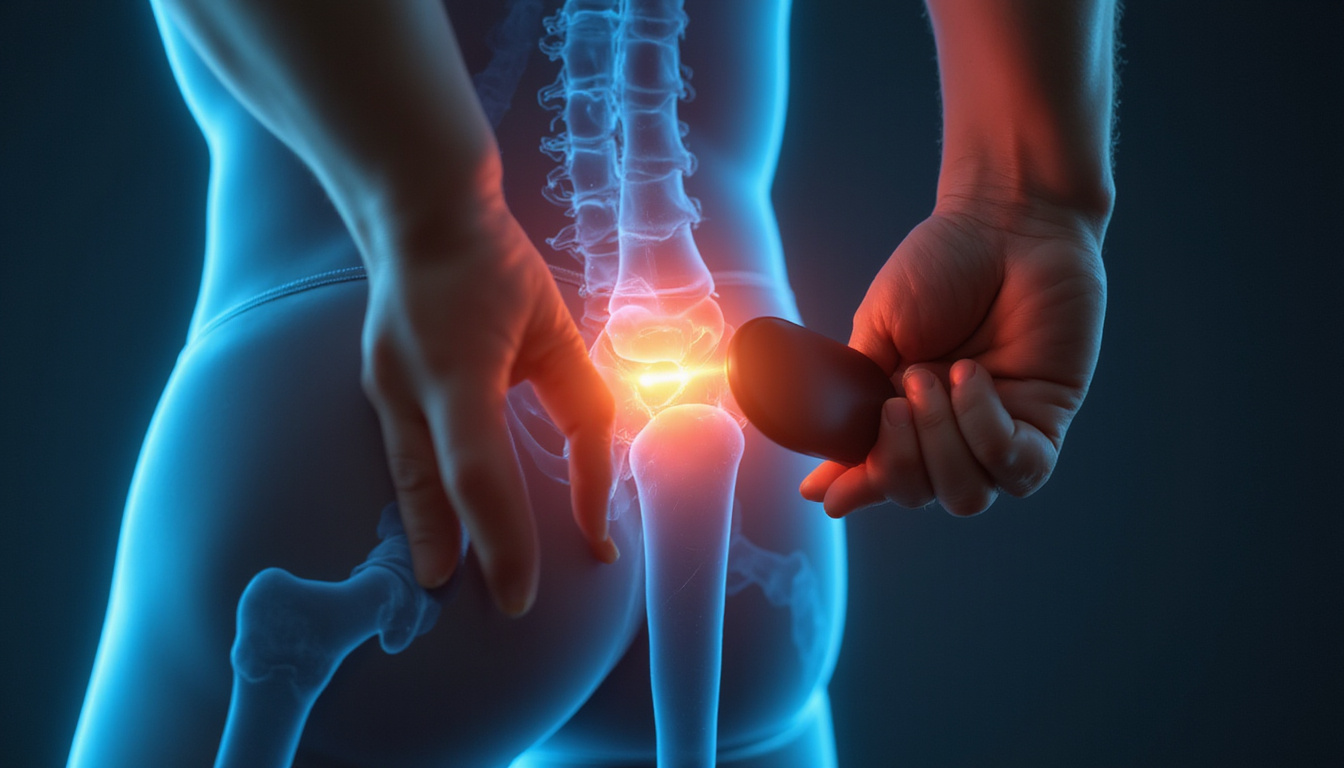
Why Many Picklers Turn to Regenerix Gold
Regenerix Gold is a nutrition‑based supplement that Pickleball players use to keep their joints and muscles strong when they play often and hard.
Picklers like that:
• It is a nutrition‑focused solution rather than a quick-fix drug.
• Doctors and physical therapists who work with active adults recommend it.
• It is used worldwide for over a decade with positive reviews from many players.
No supplement can claim to cure a medical condition.
Many active players add Regenerix Gold to their routine along with:
• Good warm‑ups and strength training
• Plenty of sleep and stress control
• Staying hydrated and eating balanced meals
• A steady increase in play time and intensity
If you are unsure whether a supplement suits you, talk with your healthcare provider—especially if you take other medications or have health concerns.
Regenerix Gold
How to Put It All Together: Your Weekly Joint-Smart Plan
A typical Pickler can run their own mini
pickleball joint clinic
each week with this plan:
• Before every play session:
– 5–7 minute dynamic warm‑up (heel/toe walks, lunges with reach, arm swings)
• 2–3 times per week:
– A strength and stability circuit for knees, hips, shoulders, and core – about 20–30 minutes
• After play or in the evening:
– 5–10 minutes of gentle mobility and stretching
• Daily habits:
– Stay hydrated and focus on protein and colorful vegetables and fruits
– Consider joint‑support nutrition like Regenerix Gold, but only after talking with your provider
Quick Checklist for Picklers with Sore Joints
Use this list to boost your joint care:
[ ] I warm up for at least 5 minutes before playing
[ ] I do strength training at least 2 days per week
[ ] I work on balance and single‑leg exercises
[ ] I do stretching or mobility work after long matches
[ ] I listen to my body and slow down when pain increases
[ ] I support my joints with smart nutrition and proper hydration
[ ] I have thought about using a joint & muscle health supplement like Regenerix Gold as part of my routine
FAQs: Your Virtual Pickleball Joint Clinic Answers
-
What is a “pickleball joint clinic” at home?
A home‑based pickleball joint clinic mixes warm‑ups, target exercises for strength and stability, mobility drills, and supportive nutrition. It keeps your knees, hips, shoulders, and other joints ready for play. Think of it as proactive care, not waiting until you hurt yourself. -
Can these joint exercises help me play longer?
Yes. Regular joint exercises that build the muscles around your knees, hips, ankles, and shoulders bring better stability and control. Many players say they play longer and recover faster when they work these areas and include proper nutrition and rest. -
How does joint support like Regenerix Gold fit into a routine?
Joint‑support supplements such as Regenerix Gold work best when paired with good exercise habits. They add nutrition‑based support for your joints and muscles alongside warm‑ups, strength work, and recovery. Many Picklers see it as one good tool in a complete joint care plan.
Step Onto the Court Like a Savvy, Prepared Pickler
You do not have to accept stiff knees, sore shoulders, or an aching back.
With smart exercises, mobility work, and proper nutrition, your own home pickleball joint clinic is ready to use.
Players who invest time in caring for their joints often spend less on medical bills, miss fewer workdays, and keep their court ranking rather than sit on the bench.
A doctor‑and therapist‑recommended supplement like Regenerix Gold can help support healthy joints and muscles.
It is a small, smart choice compared with the cost, hassle, and stress of being sidelined—on the court, at work, and in everyday life.
If you want to be the player who competes through game three while others rest with ice packs, think about picking up a bottle of Regenerix Gold and using these exercises.
https://youtu.be/mGrH5UWFxUs?si=X9bScbG6dvejGkZf
Health Note
Always consult a licensed medical doctor for your health issues.
Special Discount
If you prefer preventive nutrition to minimize expensive knee surgery and potentially addictive pharmaceuticals, Regenerix Gold is your savvy solution.
You qualify for a special discount.
Simply use the link below and a discount will automatically be applied during checkout.
Get Regenerix Gold => HERE


