
Pickleball joint offloading: Essential Techniques to Reduce Pain and Improve Performance
由 Zestora 上 Apr 12, 2026

If you start googling “pickleball joint offloading,” your body speaks up. Your knees bark after long matches. Your ankles feel worn after hard kitchen battles. Your paddle arm no longer bounces back. Pickleball adds fun and stress. Hard courts and stop‑start moves push your joints and muscles. Play smart, and your body will thank you.
This guide speaks to American Picklers who love the game. It helps you cut down discomfort and protect your body for the long run.
What Is Pickleball Joint Offloading?
Pickleball joint offloading reduces stress on your joints while you play, drill, and condition. It works by:
• Distributing load between joints and muscles
• Using smarter technique and footwork instead of brute force
• Supporting your body with better gear and targeted nutrition
When you offload your joints, you feel better. You move quicker, you place the ball with more precision, and you win more rallies. You get less grind and more glide.
Why Picklers Are Prone to Joint Stress
Pickleball stresses your joints in many ways. The sport is mostly played on hard courts. You make quick lateral moves. You lunge, stop, and pivot at the kitchen line. All these factors stack up:
• A weekend‑warrior schedule means long rec sessions and little prep
• You jump into games without a warm‑up on thin singles or challenge courts
• Past injuries from tennis, hoops, running, or work add to the load
• Extra body weight makes every step heavier on knees and ankles
In this mix, your knees, hips, ankles, lower back, shoulders, and elbows end up overloaded. Offloading passes the heavy work to stronger muscles using better movement.
Technique Tweaks That Instantly Offload Your Joints
Small changes can cut joint stress. They keep the words close, like in dependency grammar, where each connection is tight and clear.
1. Use Your Legs and Core, Not Just Your Paddle Arm
If your arm does all the work, your shoulder and elbow suffer. Instead, let your legs and core lead:
• Load from the ground upward by bending your knees slightly and engaging your glutes and core
• Rotate your hips and torso first, then follow with your arm and paddle
• For dinks and resets, keep your upper arm still and draw power from a stable base
This tweak lets you hit with less strain and more ease.
2. Stay in “Pickleball Ready” Stance
Locked knees and stiff posture load your joints during starts and stops. Instead, adopt this stance:
• Keep a slight bend in your knees
• Stay on the balls of your feet, keeping your heels light
• Lower your center of gravity, especially near the non‑volley zone
This stance shifts force to your muscles. Your knees and hips find relief.
3. Shorter Steps, Smoother Movement
Big lunging steps and twisting pivots hurt your joints. Try this approach:
• Take small, shuffling steps sideways instead of crossing your legs
• Adjust your position with tiny steps as the ball moves
• Read the ball early to avoid last‑second lunges
You move more efficiently. Your knees, hips, and ankles work more gently.
Offloading Knees and Ankles on Hard Courts
Your playing surface matters. Concrete and asphalt worsen impacts. Here is how to soften the effect.
Smart Footwear Choices
Pick shoes that give you support:
• Choose court shoes made for lateral support (tennis or pickleball shoes, not running shoes)
• Find shoes with good cushioning under the heel and forefoot
• Make sure they offer side‑to‑side stability to avoid ankle rolls
Replace your shoes often. Worn‑down soles quietly add stress to your joints.
Consider Shock‑Absorbing Add‑Ons
Some Picklers get relief from extra measures like:
• Quality insoles that add cushioning and offer arch support
• Lightweight knee sleeves or braces for added stability
• Compression socks to boost circulation and ease fatigue
These add‑ons work with proper technique to support smooth motion.
Protecting Your Paddle Arm and Shoulder
Fast serves, overhead shots, and quick moves burden your shoulder, elbow, and wrist. Offloading helps reduce that load.
Technique for Arm Joint Offloading
• Keep your hitting elbow slightly bent instead of fully straight
• Let your shoulder and torso drive your swing
• Avoid snapping your wrist harshly on every shot
Think fluid and connected. Let the body lead the movement, not brute force.
Choose a Paddle That Helps, Not Hurts
Your paddle should work with you:
• Avoid a paddle that feels too heavy in the head
• Try a balanced or slightly lighter paddle to ease the strain
• Consider softer‑faced paddles for forgiveness and control
If your paddle feels like a sledgehammer by game three, it may be time for a change.
Warm‑Up and Cool‑Down Routines: Your Built‑In Offloading System
Walking onto the court cold or stretching only while waiting raises joint stress. Warm‑ups and cool‑downs ease the shock.
A Simple 5‑Minute Pickleball Warm‑Up
Before your first serve, do this:
- Light jog or brisk walk for 1–2 minutes
- Dynamic leg swings (front‑to‑back and side‑to‑side)
- Hip circles and gentle torso rotations
- Arm circles and shoulder rolls
- Shadow swings and soft dinks at the kitchen
This routine primes your muscles and joints. It offloads the shock from first sprints and lunges.
After Play: Cool Down and Reset
After you play, walk slowly and stretch gently:
• Focus on hips, quads, calves, and shoulders
• Check if any area feels too tight or overworked
• Add light mobility work on rest days
Regular recovery is one of the best ways to offload joint stress.
Off‑Court Strength and Mobility: The Ultimate Joint Offloader
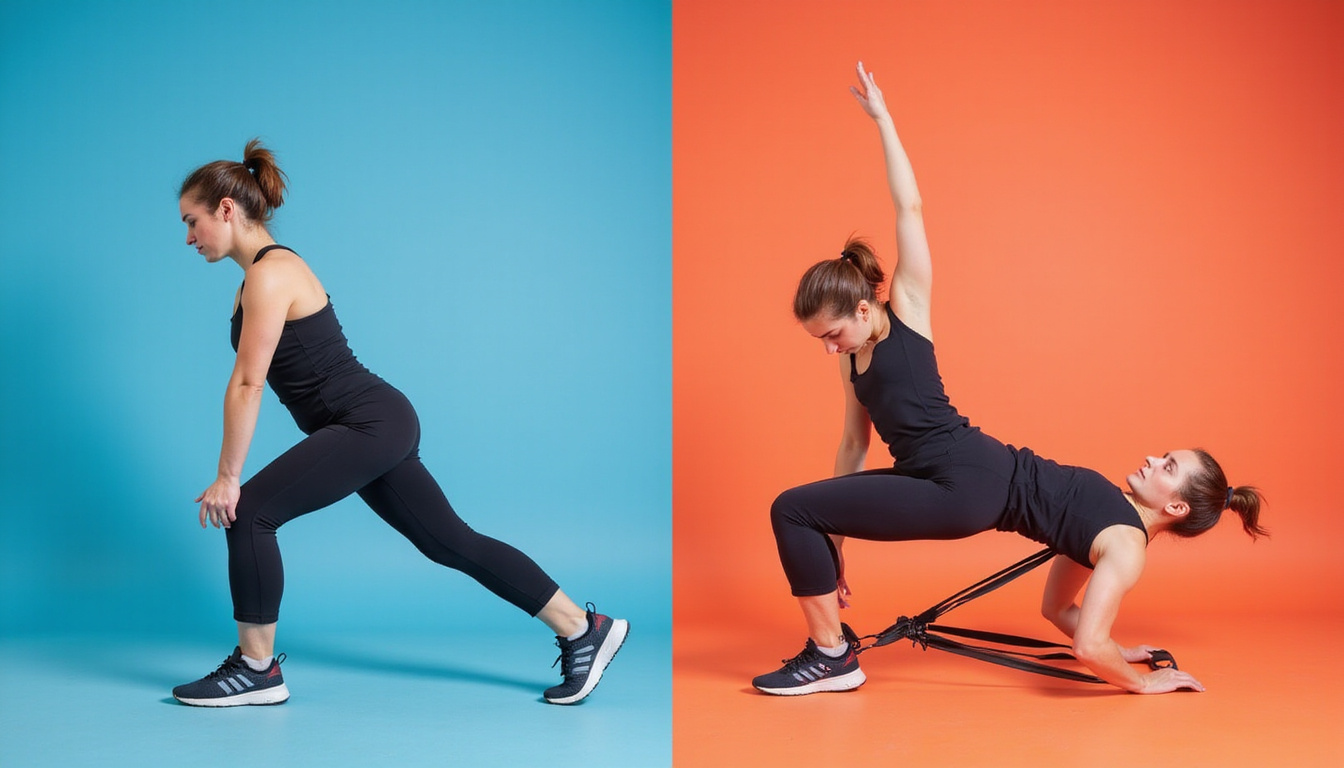
Stronger, more mobile muscles help your joints work less. Build strength and mobility off the court to keep stress in check.
Key Areas for Picklers
Strengthen:
• Glutes and hips for better lateral moves and lunges
• Quads and hamstrings to slow your speed and stay balanced
• Core muscles for strong rotation and stability
• Upper back and shoulders for smooth swings
A few simple exercises a few times a week can ease joint load. Regular strength work supports better movement and joint health.
Nutrition‑Based Support for Healthy Joints and Muscles
Offloading joints is not just about technique and gear. Your body needs the right nutrition too. It helps your joints and muscles work without extra strain.
This is where a nutritional solution like Regenerix Gold fits in.
Why Many Picklers Turn to Regenerix Gold
Regenerix Gold is a supplement that many Picklers use. It supports joint and muscle health so you can play longer:
• Doctors and therapists recommend it for active adults
• It has helped many players over a decade and enjoys global reviews
• It is a nutrition‑based solution, not a drug or painkiller
Regenerix Gold works to support joint health rather than just mask discomfort.
Watch this video to learn more:
Regenerix Gold
How It Fits into a Pickleball Lifestyle
Regenerix Gold fits in with techniques that offload joint stress. Pair it with:
• Smart court movement and refined technique
• Proper footwear and the right gear
• Strength and mobility work off the court
• Adequate hydration and balanced nutrition
Remember:
• Regenerix Gold does not diagnose, treat, cure, or prevent any disease.
• Individual results can vary; some feel benefits quickly, others slowly.
• Always consult your healthcare provider before starting any new supplement, especially if you have health issues, are pregnant, nursing, or on medication.
For many Picklers, using a joint and muscle support supplement is a step in being proactive. It helps you avoid long breaks, expensive cures, and lost playing time.
Everyday Habits That Quietly Offload Your Joints
Small, steady choices help a lot. Consider these daily habits:
• Rotate between intense play days and lighter “dinking only” sessions
• End a game early if your body feels off
• Stay hydrated; muscles and joints work best when fluids are ample
• Keep a healthy body weight so each step is kinder to your knees, hips, and ankles
• Use rest days for gentle stretching or a walk instead of complete inactivity
Joint offloading is not one big change. It comes from many smart daily decisions.
Quick Checklist: Are You Offloading Joints on Court?
• Do you warm up properly before your first game?
• Do you hold a low, ready stance at the kitchen instead of standing tall and stiff?
• Do you take short, controlled steps instead of long lunges?
• Is your paddle weight and grip comfortable for a full session?
• Have you added joint and muscle support supplements like Regenerix Gold (with professional guidance)?
• Do you include real recovery days each week?
A “yes” to most means you are offloading your joints well.
FAQ: Pickleball Joint Offloading and Joint Health
Q1: What is pickleball joint offloading and why does it matter for rec players?
Joint offloading uses proper techniques, gear, and nutrition to ease joint stress. It matters because hard courts and long sessions can wear a player down. Smart offloading makes you feel better, move faster, and play longer.
Q2: How do I offload my knees and hips during pickleball?
Stay in a low, ready stance. Use short shuffle steps instead of lunges. Wear well‑cushioned court shoes. Strengthen your hips and glutes off court. Some players add nutritional support like Regenerix Gold as part of their plan.
Q3: Do supplements help with joint offloading for pickleball?
Supplements do not replace good technique. Still, many players use joint and muscle formulas as one part of their strategy. Regenerix Gold is one option recommended by health professionals. Always talk with your healthcare provider before starting a new supplement.
Play Longer, Move Smarter, Spend Less on Fixing Problems Later
Every moment spent offloading your joints is an investment in your future play. You can stay on the court next month, next season, and for years to come. Work on:
• Sharpening technique and footwork
• Choosing gear that supports your body
• Building off‑court strength and mobility
• Adding nutritional joint and muscle support such as Regenerix Gold (with professional advice)
Take charge now. Your body works hard for you every game. Offload stress today so your joints and muscles can keep up with your spirit on the court.
https://youtu.be/mGrH5UWFxUs?si=X9bScbG6dvejGkZf
Health Note
Always consult a licensed medical doctor for your health issues.
Special Discount
If you prefer preventive nutrition to minimize expensive knee surgery and potentially addictive pharmaceuticals, Regenerix Gold is your savvy solution.
You qualify for a special discount.
Simply use the link below and a discount will automatically be applied during checkout.
Get Regenerix Gold => HERE


