
Pickleball Plantar Fasciitis: Best Shoes, Stretches, and Recovery Tips
由 Zestora 上 Feb 10, 2026

If you play rec or tournament pickleball, you may wake up with heel pain. You type “pickleball plantar fasciitis” into Google. You are not alone. Hard courts, long play sessions, and weekend tournaments add up. More American Picklers feel that sharp pain under the heel and arch.
This guide helps pickleball players stay on the court. It shows how to care for your feet, joints, and muscles. No guessing or hours of Google searches here.
Why Pickleball Can Trigger Heel and Arch Discomfort
Plantar fascia is a strong band that runs from the heel to the toes. It supports the arch. When overloaded or irritated, it feels tender—especially with that first step in the morning.
Pickleball stresses the fascia in special ways by using:
- Hard court surfaces
- Quick split steps, dinks, and lateral shuffles
- Sudden stops and rapid direction changes on kitchen lines
- Long playing sessions without enough recovery
Common problems include:
- Old or worn-out shoes that lose cushioning and arch support
- Rapid increases in play time (from once or twice a week to five days straight)
- Playing only on concrete that does not absorb shock
- Tight calves and Achilles from too much play and little mobility work
The good news is you can usually improve these issues with better gear, smarter warm-ups, targeted stretches, and proper recovery.
Best Pickleball Shoes for Plantar Fasciitis-Prone Players
When you have pickleball plantar fasciitis, your shoes protect you first. Not every “court shoe” helps; some indoor shoes hurt your feet.
What to Look for in a Pickleball Shoe
For comfort in the heel and arch, choose shoes with:
-
A firm heel counter
A stable heel cup stops your heel from collapsing and reduces extra motion. -
Good arch support
You need a midsole that stays firm. This helps especially if you have a flat arch. -
Cushioning with stability
Ultra-soft shoes feel nice at first but may be unstable. You need cushioning that also supports lateral moves. -
A court-specific outsole
Running shoes work for straight motion. Use shoes built for quick stops and lateral shifts on hard courts. -
Proper fit and lacing
- A snug heel
- A secure midfoot that does not slide during splits
- Enough room for toes to spread without they floating
Consider Custom or Semi-Custom Support
Many Picklers with heel or arch issues also use:
- Over-the-counter orthotic inserts with heel cups and arch support
- Custom orthotics if you have very flat or very high arches
If you use several pairs of shoes, you can swap your inserts between them.
Key Stretches to Ease Pickleball Plantar Fasciitis Symptoms
Targeted stretches can ease the sharp pain and post-game stiffness. Do these stretches every day, not just on court days.
1. Calf Wall Stretch (Straight-Leg)
- Stand facing a wall with your hands on it.
- Step one leg back; keep the heel flat and the knee straight.
- Lean gently toward the wall until you feel a stretch in your calf.
- Hold for 20–30 seconds and repeat 2–3 times on each side.
This stretch helps your upper calf and reduces tension on the plantar fascia.
2. Bent-Knee Calf Stretch
- Stand in the same position as above.
- Bend the back knee slightly while keeping the heel down.
- The stretch works lower, near the Achilles.
- Hold 20–30 seconds and repeat 2–3 times on each side.
This stretch loosens tissue that affects heel comfort during movement.
3. Plantar Fascia Towel Stretch
- Sit with one leg extended.
- Loop a towel or stretch band around the ball of your foot.
- Gently pull the towel toward you with the knee straight.
- You should feel a stretch under the arch and along the leg.
- Hold 20–30 seconds and repeat 2–3 times.
4. Seated Foot/Toe Stretch
- Sit in a chair and cross one leg over the other.
- Use your hand to pull your toes back toward your shin.
- Massage the arch with your other hand.
- Hold for 15–20 seconds and repeat 3–5 times.
Do this before you stand up after long sitting or before getting out of bed.
Simple Strength Moves for Happier Feet and Ankles
Stretching is only half the work. You also need strength so your feet, ankles, and calves stay strong during long play.
Short Foot / Arch Lifts
- Stand barefoot.
- Gently pull the ball of your foot toward your heel without curling your toes.
- You will see the arch lift slightly.
- Hold for 5–10 seconds, then relax; repeat 10–15 times per foot.
Heel Raises (Double- and Single-Leg)
- Stand and hold a chair or wall for balance.
- Slowly lift both heels off the ground and lower them with control.
- Start with 2 sets of 10–15 reps.
- When ready, try single-leg heel raises.
Strong calves absorb impact during fast moves and overhead smashes.
Towel Scrunches
- Sit in a chair with a small towel under one foot.
- Use your toes to scrunch the towel toward you.
- Do this for 30–60 seconds on each foot.
This move wakes up the small support muscles in your feet.
Smart On-Court Habits to Protect Your Plantar Fascia
You do not have to miss a whole season. Play smart to protect your feet.
-
Warm up properly:
Do light jogging, side shuffles, and dynamic calf/ankle moves for 5–10 minutes before game time. -
Ease into intensity:
If it is your first game, play more gently with more dinks and fewer sprints. -
Set a game limit:
If you already have plantar fasciitis symptoms, limit your games or sets per day. -
Rotate partners or sit out a game:
Use breaks for stretching, hydration, and a quick foot check. -
Respect pain signals:
Sharp or worsening pain means slow down. Pushing through may delay recovery.
Recovery Tips: From Post-Play to Daily Life
What you do off the court matters just as much as what you do during play.
After Play
-
Cool down and stretch:
Spend 5–10 minutes on stretches for your calves, hamstrings, and plantar fascia before you leave. -
Use ice or a cool pack:
Apply a cold pack to the heel or arch for 10–15 minutes if you feel soreness. -
Choose proper footwear:
Avoid walking barefoot on hard floors at home. Use cushioned, supportive slides or house shoes.
During the Day
-
Break up long sitting periods:
If you work at a desk, stand up and move every 30–45 minutes. Long sitting can worsen that first-step pain. -
Vary surfaces when possible:
On non-pickleball days, walk on grass, a track, or other softer surfaces. -
Monitor your weekly load:
A jump from 3 hours to 8–10 hours of play in one week strains your feet. Build up slowly.
Nutrition Support for Joint and Muscle Health: Regenerix Gold
Along with good shoes and stretching, many Picklers turn to nutrition. Your feet, ankles, knees, and hips share the hard work of every rec game.
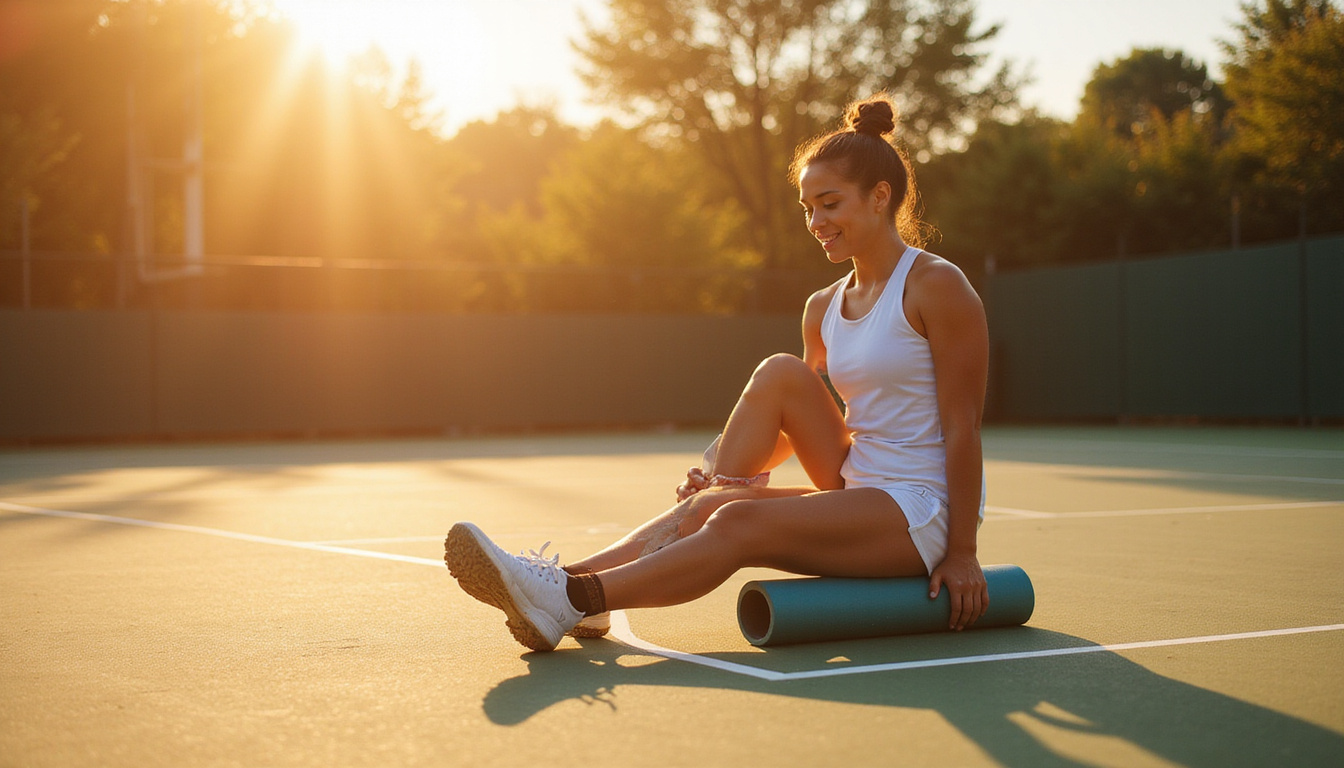
Regenerix Gold is a nutrition-based supplement. It supports joints and muscles and is popular among active pickleball players. It is:
- Recommended by doctors and physical therapists for joint and muscle care.
- Used internationally for over a decade, with many happy users.
- Designed to support tissues that face repeated stops, starts, and lateral moves on hard courts.
No supplement can replace smart training, proper shoes, or good medical care. However, a nutrition boost can complement your care for pickleball plantar fasciitis and other overuse issues.
For more on joint and tissue health, check reputable sources like the American Academy of Orthopaedic Surgeons (https://orthoinfo.aaos.org).
Regenerix Gold
When to Get Professional Help
See a healthcare professional (a sports medicine doctor, podiatrist, or physical therapist) if:
- Your heel or arch pain grows worse despite rest and home care.
- You struggle to walk, stand, or do daily tasks because of the pain.
- You notice numbness, burning, or strange sensations.
- You are not sure if your pain is from the plantar fascia or another issue.
They can assess your movement, footwear, and overall health. They will suggest a plan made just for you. Regenerix Gold may be used along with professional guidance as part of a joint and muscle support plan.
Sample Daily Checklist for Picklers with Heel or Arch Discomfort
Keep this checklist nearby:
-
Before play
- 5–10 minutes of dynamic warm-up
- Calf and foot stretches
- Supportive shoes that fit well, with inserts if needed
-
After play
- A light cooldown walk
- Stretches for your calves and plantar fascia
- Optional cool pack on the heels or arches
-
Daily habits
- Wear supportive footwear at home
- Perform strength work for calves, feet, and hips 2–3 times a week
- Eat nutrition that supports joints and muscles (consider Regenerix Gold)
- Monitor your pain and adjust your court time if necessary
FAQ: Pickleball Plantar Fasciitis, Shoes, and Recovery
Q1: What are the best shoes for pickleball if I worry about plantar fasciitis?
A1: Look for pickleball or tennis shoes with a stable heel counter, structured arch support, and responsive cushioning for hard-court lateral moves. Many players also add supportive insoles or orthotics. Replace shoes often—playing several times a week means midsoles wear out fast.
Q2: How do I recover from pickleball plantar fasciitis without quitting the game?
A2: Adjust your court volume, warm up and cool down correctly, stretch your calves and plantar fascia daily, and strengthen your feet and calves. Always wear supportive shoes—even at home—and consider nutrition support like Regenerix Gold for joint and muscle health. Work with a professional if your symptoms continue.
Q3: Can pickleball cause heel pain even if it is not official plantar fasciitis?
A3: Yes. Hard courts, sudden stops, and long play sessions can irritate the tissues around the heel and arch. Whether diagnosed as plantar fasciitis or not, taking care of your feet with good shoes, smart play, stretching, strengthening, and nutrition will help you play more comfortably.
Play Longer, Smarter, and with Less Worry
You do not play pickleball to watch from the sidelines. With the right shoes, smart stretches, strength work, and recovery strategies, you can manage or reduce discomfort called pickleball plantar fasciitis.
If you care about every rally, you owe it to your feet, joints, and muscles to be proactive. Adding Regenerix Gold to your routine supports your joints and muscles from the start. In a game where missing time hurts your rating, smart steps today help avoid a crisis tomorrow.
Get Regenerix Gold and feel the difference. Your future self—and your future game—will thank you each time you step on the court without dreading that first step.
https://youtu.be/mGrH5UWFxUs?si=X9bScbG6dvejGkZf
Health Note
Always consult a licensed medical doctor for your health issues.
Special Discount
If you prefer preventive nutrition to minimize expensive knee surgery and potentially addictive pharmaceuticals, Regenerix Gold is your savvy solution.
You qualify for a special discount.
Simply use the link below and a discount will automatically be applied during checkout.
Get Regenerix Gold => HERE


