

If you’re a serious Pickleball player,
pre season screening is a smart shot you can take.
It flags movement issues, muscle imbalances, and overuse risks before they become nagging pain or force you off the courts.
For American Picklers who juggle day jobs and league nights, a little pre-season prep helps you play more, hurt less, and protect your long-term health.
Below is a practical, no-nonsense guide.
It is built for Pickleball athletes who feel twinges, tightness, or joint and muscle soreness—and who want to fix it smartly.
Why Pre Season Screening Matters For Pickleball Players
Pickleball is intense.
Constant split-steps, lateral shuffles, lunges to the kitchen, overhead smashes, and quick direction changes cause stress on joints and muscles.
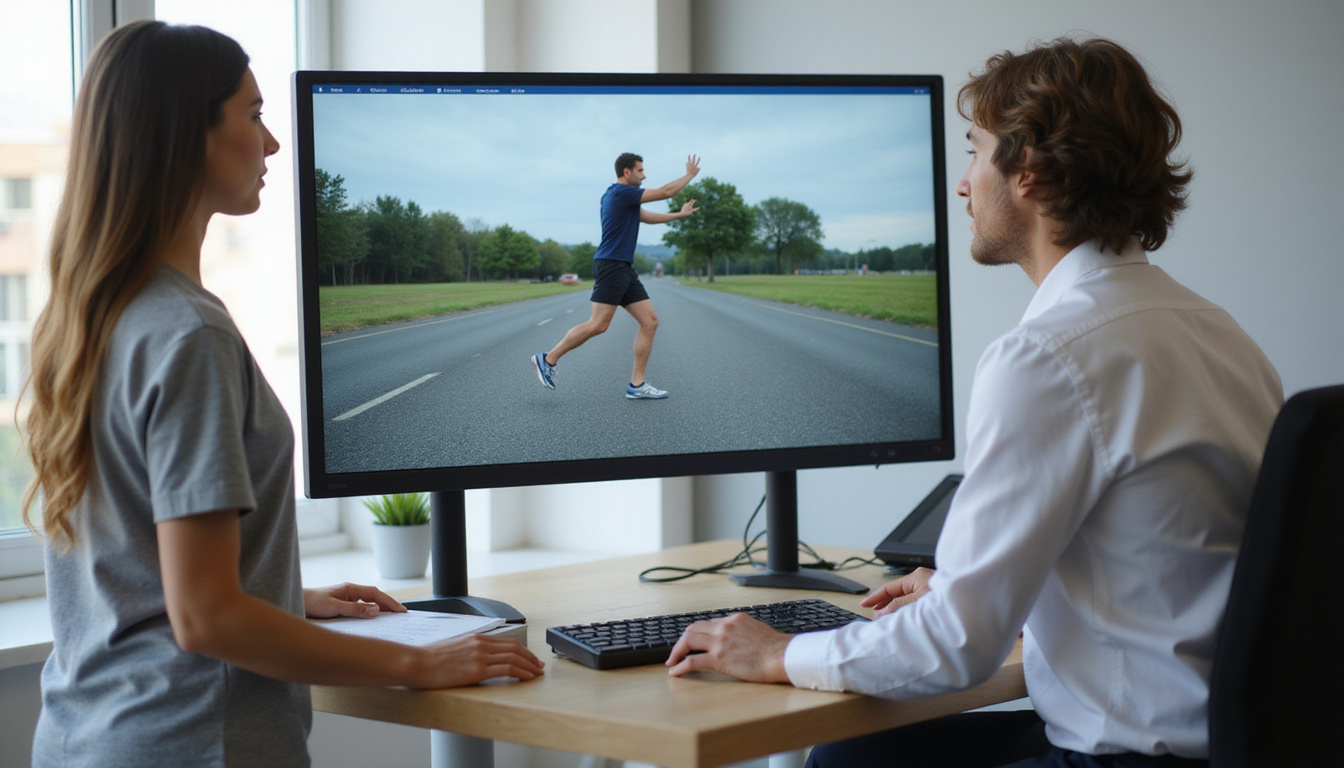
Pre season screening offers a head-to-toe performance and movement check-up that:
• Identifies limits in mobility (hips, ankles, shoulders, spine)
• Finds strength imbalances (left versus right, front versus back)
• Spots faulty movement patterns (such as knee collapse or poor landing)
• Reviews your training load, recovery, and nutrition habits
Its goal is clear:
Reduce the chance you get sidelined by avoidable tweaks, pulls, or overuse issues once season intensity spikes.
Research in sports medicine shows that structured screening and conditioning can cut musculoskeletal injuries in active adults (source: American College of Sports Medicine).
For Picklers, this means more league nights, more tournaments, and fewer co-pays at urgent care.
Step 1: Start With Your Pickleball Profile
Before you test your body, start with a history and lifestyle snapshot of your Pickleball life.
Answer these questions for yourself (or be prepared for your coach or PT):
• How many hours do you play per week?
• How many days do you have back-to-back play (e.g., Friday league, Saturday ladder, Sunday rec)?
• Do you lift, run, cycle, or do other sports?
• Where do you feel soreness after play—knees, shoulders, low back, calves, elbows?
• Did you have any “near misses” last season (twisted ankle, pulled hamstring, or a shoulder that never fully healed)?
This context shapes the screening.
A casual player who dinks twice a week differs from a 4.0+ tournament grinder playing five days and stacked matches.
Step 2: Movement Quality Check – Can Your Body Handle Your Game?
Think of this as your movement warm-up for the season.
You test if your body can get into—and out of—the positions Pickleball demands.
Core screening areas:
1. Ankle and Hip Mobility
Pickleball requires low, stable, ready positions.
Check these key points:
• Can you squat with your heels flat and chest up without your knees collapsing?
• In a lunge, does your front knee track over your toes without pain?
Stiff ankles or hips may show as:
• Tightness when you try to stay low near the kitchen
• Struggle to reach deep or wide
• A heavy or awkward split-step and lateral shuffle
2. Knee Control and Landing Mechanics
The court stops quickly and your knees must keep up.
Try this simple test:
• Jump in place and land softly 5–10 times.
• Do your knees cave inward or feel unstable?
Consider a small lateral hop side-to-side.
If you land loudly, wobbly, or in pain, note the red flag.
3. Shoulder and Thoracic Mobility
Your shoulder and upper back work hard with serving and overheads.
Ask yourself:
• Can you bring your arm overhead without arching your low back?
• Can you rotate your upper body (like a pivot for a forehand) without pain or tightness?
A stiff shoulder or upper back may force your body to compensate.
This can add extra load to your elbow, neck, or low back.
Step 3: Strength & Stability – Powering Your Shots Safely
Screen your muscles and movement patterns used in each match.
Focus on:
Lower Body Strength
Your lower body drives push-offs, lunges, and low ready stances.
Examples:
• Do a single-leg squat or sit-to-stand from a chair.
Check if one side is weaker or shakier.
• Try calf raises on one leg: Can you do 15–20 smooth repetitions on each side?
Core Stability
A stable core helps you rotate, change direction, and decelerate without straining your spine.
Try:
• A front plank for 30–45 seconds while maintaining good form.
• A side plank.
Notice if one side is noticeably weaker.
Shoulder & Scapular Strength
Your shoulder and scapular muscles support strong, controlled serves, drives, and overheads.
You can screen with:
• Light resistance band rows and external rotation.
Identify any weakness or discomfort.
• Simple shoulder endurance drills that test time-to-fatigue.
If you see big side-to-side differences or quick fatigue, target that area before your season doubles your workload.
Step 4: Load Management & Recovery Habits
Many Picklers get hurt not by one bad move but by doing too much too soon.
Here, you map out:
• Your weekly Pickleball schedule (play, drills, and tournaments)
• Other training (weights, cardio, classes)
• Sleep patterns (fewer than 7 hours can raise injury risk)
• Recovery work (stretching, foam rolling, massage, rest days)
Watch for these warning signs:
• Jumping quickly from 2 to 5 days of play as leagues start
• Doubling court time when the weather improves without extra recovery
• Ignoring persistent soreness week after week
Use your screening session to build a progressive ramp-up plan for the first 4–6 weeks of the season instead of leaping from rest to a gold medal match.
Step 5: Nutrition & Supplement Strategy For Joint and Muscle Health
Many Picklers focus on paddles, shoes, and grip size while neglecting the internal gear that keeps joints and muscles ready.
A pre season screening is a good time to check:
• Do you get enough protein, fluids, and colorful fruits and vegetables?
• Do long sessions leave you gasping, cramping, or overly stiff the next day?
• Do your joints feel more “creaky” each year, especially in your knees, hips, or shoulders?
Regenerix Gold: Nutrition-Based Support For Picklers’ Joints and Muscles
Many American Picklers add Regenerix Gold to their routine.
This nutrition-based solution supports healthy joints and muscles from the inside.
It is recommended by doctors and physical therapists for active adults.
For over a decade, users worldwide have praised Regenerix Gold for enhancing comfort and confidence in their movement.
It helps those who prefer to stay ahead of joint and muscle issues rather than just react when they start hurting.
If you invest in good footwear, pro-level paddles, and structured training, why not add smart nutritional support for your musculoskeletal system?
A Practical Pre Season Screening Checklist For Picklers
Use this list as a guideline or share it with your coach, trainer, or physical therapist:
-
History & Goals
• Note last season’s sore spots or recurring pains.
• Record your planned play volume this season (days per week, tournaments).
• Set performance goals (improve rating, stamina, power, or consistency). -
Movement & Mobility
• Test squat depth and control.
• Check ankle dorsiflexion (ensuring the knee can move over the toe without pain).
• See if your hips rotate well.
• Test shoulder overhead mobility and rotation.
• Evaluate upper back (thoracic) rotation. -
Strength & Stability
• Try single-leg balance (with eyes open and closed).
• Compare single-leg squat or sit-to-stand symmetry.
• Hold a front and side plank to test core stability.
• Measure shoulder and scapular endurance. -
On-Court Mechanics
• Observe split-step timing and landing softness.
• Note lunge and recovery mechanics near the kitchen.
• Check overhead and serve mechanics (look for any “jammed” shoulder feel).
• Observe deceleration after full sprints. -
Recovery & Support
• Set a weekly schedule with at least 1–2 lighter days.
• Plan a proper warm-up and cool-down routine.
• Target 7–9 hours of sleep most nights.
• Focus on hydration and basic nutrition.
• Consider a joint and muscle support strategy, such as including Regenerix Gold.
How Often Should Pickleball Players Do Pre Season Screening?
For most adult Picklers in America:
• Do it at least once per year before your main competitive season or league cycle.
• Re-check mid-season if you add extra leagues or tournaments.
• Re-screen after any significant layoff (work crunch, travel, winter break) before ramping back to full-speed play.
Think of it like aligning and tuning your car before a road trip.
You might skip it, but that increases the chance of breakdowns right when you need to perform.
Regenerix Gold Video Overview
To learn more about how Regenerix Gold fits into a joint and muscle health plan for active Picklers, watch this short video:
FAQs About Pre Season Screening For Pickleball Players
1. What is pre season screening for Pickleball players?
Pre season screening is a structured check-up.
It evaluates your movement, strength, mobility, and recovery habits before your main season begins.
It finds risk factors like muscle imbalances, restricted mobility, or poor landing mechanics.
Many athletes also discuss joint and muscle support strategies such as nutrition, training, and supplements.
2. How can a pre season screening help reduce court injuries?
Screening can reduce injuries by:
• Identifying weak links in your movement chain.
• Spotting early signs of joint or muscle overuse.
• Guiding a progressive ramp-up plan for play time.
• Establishing routines for warm-up, cool-down, and recovery.
Pair this screening with strength training, mobility work, and joint support (like Regenerix Gold) to create a clear plan for keeping you on the court.
3. Should I use supplements as part of my pre season screening plan?
Many adult Picklers include joint and muscle support supplements in their plan.
A product like Regenerix Gold is nutrition-based and recommended by doctors and physical therapists.
It has helped active people worldwide for over a decade.
Review your supplement choices with your healthcare provider to ensure they meet your personal needs.
Take the Smart Shot: Combine Screening With Savvy Support
If you are reading this, you already plan ahead rather than just hoping for the best.
By doing pre season screening—even a simple home version with a coach, trainer, or physical therapist—you set yourself apart.
You respect your body and plan to play for many seasons.
Pair that with thoughtful internal support.
Adding Regenerix Gold to your daily routine is a small, smart step.
It may save you from missed work, expensive appointments, or the stress of being sidelined right before a big tournament.
If staying on court, protecting your long-term health, and avoiding the costs of preventable setbacks matters to you, here is your cue:
Get a bottle of Regenerix Gold and feel its benefits for yourself.
It is a proactive investment that shows you are not just a casual dinker—you are a health-savvy, forward-thinking Pickler who plans to keep dominating the kitchen for seasons to come.
https://youtu.be/mGrH5UWFxUs?si=X9bScbG6dvejGkZf
Health Note
Always consult a licensed medical doctor for your health issues.
Special Discount
If you prefer preventive nutrition to minimize expensive knee surgery and potentially addictive pharmaceuticals, Regenerix Gold is your savvy solution.
You qualify for a special discount.
Simply use the link below and a discount will automatically be applied during checkout.
Get Regenerix Gold => HERE


