

Pregnancy safety is not only about skipping a few “don’ts” from social media. It is about making daily choices that protect you, your joints and muscles, and your growing baby. You still live your life while you care for your body. If you live in America and feel creaky knees, a cranky lower back, or off hips before pregnancy, common advice may fall short. You need safety tips that respect how your joints, ligaments, and muscles feel day to day.
Below are 10 proven, people-first tips you can start using now. You also learn how nutrition-based support like Regenerix Gold may fit into a healthy plan for joint and muscle comfort during this important season.
1. Talk Honestly With Your Prenatal Provider About Your Body History
Start your safety plan with a clear talk with your OB-GYN, midwife, or primary care provider.
Do not just say, “My back hurts sometimes.” Instead, share the details that your joints and muscles show:
- “My knees grind and click when I go upstairs.”
- “My hips lock up after I stand in line.”
- “I feel a knife-like pain in my low back when I sit too long.”
Tell them about:
- Any long-term joint or muscle problems
- Past injuries like ankle sprains, meniscus tears, or rotator cuff issues
- Surgeries or joint injections
- Regular medications and supplements you use
Your provider then can tailor safety advice—especially for exercise, posture, and pain management—so it fits closely with the condition of your joints.
2. Protect Your Joints With Smart, Pregnancy-Safe Movement
You must move during pregnancy, but your movement must respect your joints. Hormone changes in pregnancy loosen ligaments. This can make weak knees, hips, and backs feel even less stable.
Low-impact, safe options include:
- Walking on flat, even surfaces. Avoid steep hills or uneven trails if your knees and ankles are irritated.
- Stationary cycling if weight-bearing bothers your hips or feet.
- Prenatal yoga or Pilates with gentle, guided classes that do not force extreme stretches.
- Water exercise, where water buoyancy eases pressure on your joints.
Always ask your provider and consider a referral to a prenatal-trained physical therapist. Even very small adjustments in your form—like how you climb stairs or get into a car—can greatly help your musculoskeletal safety.
3. Dial In Pregnancy-Safe Posture: “Stacked, Not Strained”
As your baby grows, your center of gravity moves forward. If your back, hips, or knees are already sensitive, this shift can worsen them. Keeping your spine aligned is a key part of safety.
Practice good posture:
- When standing, keep your ears near your shoulders, shoulders near your hips, and hips near your ankles. Do not lock your knees; keep them slightly bent.
- When sitting, use a firm chair for support rather than a saggy couch. Place a small roll or cushion in your lower back. Keep your hips slightly higher than your knees to ease strain.
- When sleeping, lie on your side with a pillow between your knees and one under your belly. This helps keep your pelvis neutral and your hips at ease.
If your body already resents poor mechanics—like twisting wrongly or slumping at your desk—the careful alignment is even more important now.
4. Respect Weight Gain Without Ignoring Its Impact on Joints
Healthy weight gain is normal and needed for your baby. However, if you already feel every extra pound in your knees or lower back, extra weight can stress your joints.
Aim for slow, steady, provider-guided weight gain:
- Follow your doctor’s target range based on your BMI.
- Eat nutrient-packed foods: lean proteins, healthy fats, colorful vegetables, and whole grains.
- Avoid the “eating for two” myth, which can strain your joints without helping your baby.
The goal is not to restrict yourself but to add weight gradually so that your joints do not suffer extra load while you grow a healthy baby.
5. Train Your Core and Pelvic Muscles—Safely
Strong, balanced muscles are a safety net in pregnancy, especially if you already have back, hip, or pelvic discomfort.
Ask your provider or therapist about:
- Gentle core exercises (not crunches but deep abdominal engagement)
- Pelvic floor exercises (Kegels) with proper breathing, not over‑clenching
- Glute strengthening like bridges or side‑lying leg lifts, if approved
A solid core and pelvis absorb impact so your joints need not carry all the load.
6. Use Everyday Ergonomics to Reduce Wear and Tear
How you do daily tasks can affect your joint health.
Try these small changes:
- When carrying items, split the load into two lighter bags or use a backpack.
- When getting up from bed or a couch, roll to your side and use your hands for support instead of sudden jackknifing up.
- When you stand for cooking or doing dishes, use a cushioned mat and keep one foot on a low step or stool. Switch feet often.
- Wear supportive, low‑heeled shoes. Avoid high heels and very flat shoes that lack cushion.
These small movements matter a lot to people with sensitive joints.
7. Build a Pregnancy-Safe Pain and Comfort Toolkit
Many over‑the‑counter pain relievers and topicals are not safe in pregnancy. Always check with your healthcare provider before using any product.
Talk to your provider about these non‑drug options:
- Cold or warm packs for sore joints and muscles.
- Maternity support belts that take pressure off your bump and lower back.
- Gentle massage or prenatal chiropractic care from trained providers.
- Stretching routines designed for joint-sensitive bodies rather than extreme poses.
Always confirm: Is this option safe for me during pregnancy, given my history and medications?
8. Nourish Your Joints and Muscles From the Inside Out
A healthy nutritional plan supports your baby and your body’s connective tissues. This is important if you think of your knees or hips as “high mileage.”
Focus on these nutrition basics:
- Protein to repair and support muscles.
- Healthy fats from salmon, walnuts, avocado, or olive oil.
- Calcium, magnesium, and vitamin D for bones and muscle function.
- Plenty of water to keep your tissues flexible.
Where Regenerix Gold Fits In
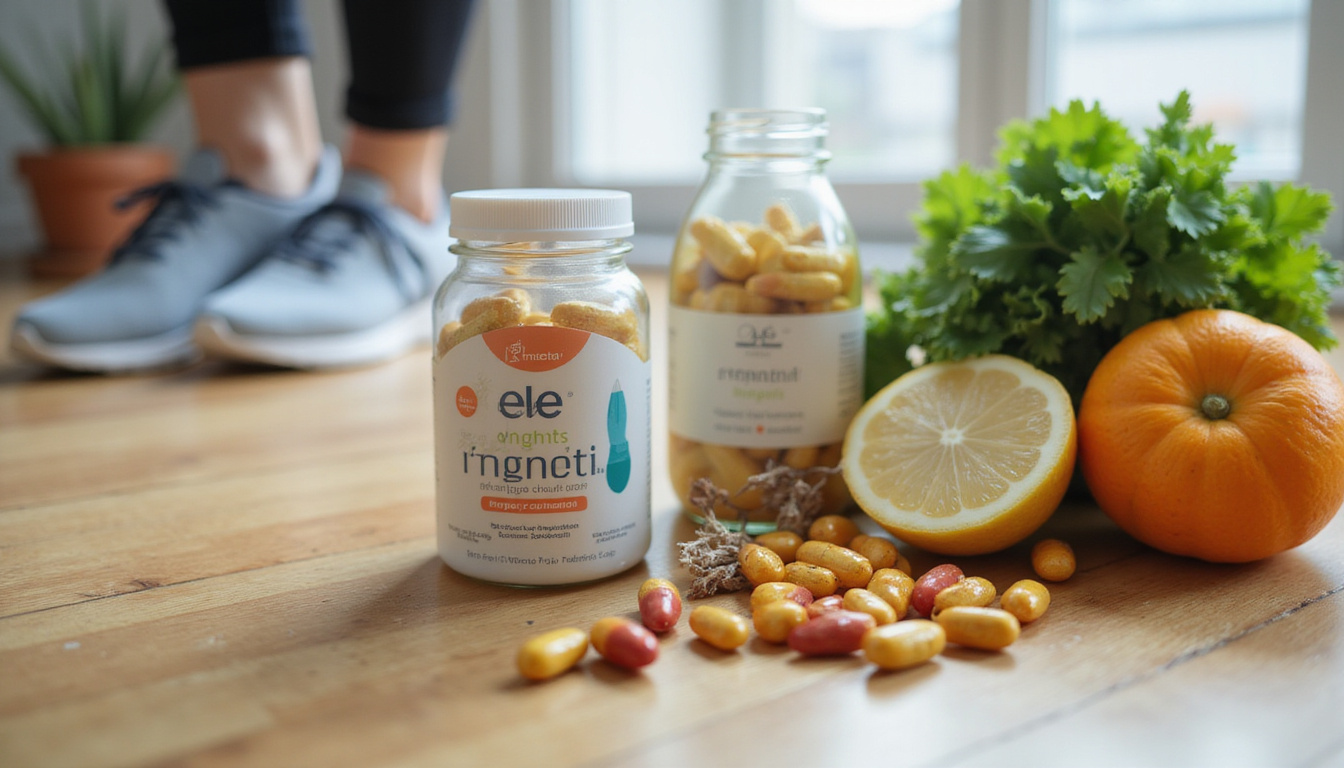
If you want healthy joints and muscles during pregnancy and beyond, Regenerix Gold may help. It is a nutrition-based supplement, not a medication, made to support joint and muscle health. Many doctors and physical therapists have recommended it over a decade of use worldwide. People with long‑standing joint aches look for such support to complement exercise, good ergonomics, and proper posture.
Since you are pregnant, consult your OB‑GYN or midwife before adding any supplement, including Regenerix Gold. They can advise if it is right for you.
Regenerix Gold
9. Choose Joint-Friendly Sleep Positions and Routines
Pregnancy causes fatigue. If you have joint aches, poor sleep can worsen the pain.
For safe sleep that comforts your joints:
- Sleep on your side (often the left side). Use a pillow between your knees, a pillow under your bump, and a small pillow behind your back.
- If your mattress is too soft, try a firmer topper. This stops your hips from sinking too deep.
- Build a pre‑bed routine with gentle stretching, a warm (not hot) shower, and early winding down.
If you wake with stiff joints or a tight back, speak with your provider. Sometimes small adjustments in sleep position can improve safety and comfort.
10. Guard Your Mental and Emotional Safety, Too
Carrying a baby in a body that feels “finicky” can be mentally hard. Worrying about pain, missing work, or future medical bills ramps up stress. Stress tightens muscles and makes joint discomfort worse. Protecting your emotional state is a part of physical safety.
Look for support in these ways:
- Prenatal support groups, online or local.
- Counseling or therapy if you feel overwhelmed.
- Mindfulness, breathing practices, or gentle meditation.
- Honest talks with your partner, family, or friends about the help you need.
Your joints may be more sensitive than others, but you deserve a plan that fits your history and meets your needs.
FAQ: Pregnancy Safety and Musculoskeletal Comfort
1. How can I improve pregnancy safety if I already have joint pain?
Work closely with your prenatal provider and a physical therapist who understands both pregnancy and chronic joint pain. Focus on low‑impact exercises, posture changes, joint‑friendly ergonomics, and safe pain relief. Ask if a nutrition-based supplement like Regenerix Gold fits your plan and use it only with your provider’s guidance.
2. Are pregnancy safety exercises different for people with knee or hip issues?
They can be. Many prenatal workouts assume your joints are strong. If your knees grind or your hips feel weak, you may need a routine with more water exercise or stationary cycling and fewer deep squats. Your provider or therapist can help you set up a plan that is safe for your joints.
3. Can nutrition really influence pregnancy safety for my joints and muscles?
Nutrition itself does not fix old injuries or poor posture. However, a balanced diet helps support muscle and connective tissue health. Protein, healthy fats, and key vitamins and minerals boost overall health. Supplements like Regenerix Gold support healthy joints and muscles. Always ask your healthcare provider if such a supplement is right for you.
Your Next Step: Protect Your Pregnancy—and Your Future Self
You are not only trying to get through nine months. You also want to stay strong enough to carry groceries, hold a baby, and keep working without joint and muscle pain slowing you down.
Putting safety first means:
- Moving in joint-friendly ways
- Keeping good posture and using smart ergonomics
- Prioritizing sleep and stress management
- Nourishing your body with safe, targeted nutrition
If you think ahead about the long-term cost of joint pain, it makes sense to explore every good tool. This may include discussing a nutrition-based joint and muscle support like Regenerix Gold with your doctor. Many have used it for over a decade. They report good results and better comfort in daily life.
Ask your healthcare provider if Regenerix Gold should be part of your plan. Consider getting a bottle if it fits your long‑term strategy. Taking proactive, informed steps now helps protect the body you will live in for years to come.
Special Discount
If you prefer preventive nutrition to minimize expensive knee surgery and potentially addictive pharmaceuticals, Regenerix Gold is your savvy solution.
You qualify for a special discount.
Simply use the link below and a discount will automatically be applied during checkout.
Get Regenerix Gold => HERE


