

If you’re a Pickleball player and you feel shoulder pain, experience pinching on overheads, or get a “dead arm” feeling after a few games, your shoulder blade may not be moving correctly. This condition is called scapular dyskinesis. With the right exercises, on‑court tweaks, and good nutrition like Regenerix Gold, you can help your joints and muscles work better and keep playing.
What Is Scapular Dyskinesis (In Pickleball Terms)?
Scapular dyskinesis means your shoulder blade moves abnormally. In Pickleball, you may notice this when you:
- Reach up for an overhead smash
- Hit a high dink or roll volley
- Drive a serve with more pace
- Try to “play big” at the kitchen and lose your form late in games
Instead of gliding smoothly, your shoulder blade may:
- Wing out from your ribcage
- Hike up toward your ear
- Rotate too soon or too late
Over time, these changes stress the muscles and tissues around your shoulder and upper back. You might feel:
- Achy or burning pain after a long session
- A sharp “catch” when you lift your paddle or reach for your car trunk
- Weakness or fatigue during a third-shot drop or drive
Scapular dyskinesis is not a disease. It is a movement issue. Better strength, control, and support can help.
Why Picklers Are Prone to Shoulder Blade Problems
Pickleball moves your shoulder in precise ways:
- Repetitive overheads and serves create many short, fast moves rather than long tennis strokes.
- Fast exchanges at the kitchen require quick changes at chest or shoulder height.
- Stop‑and‑go play tests your posture and core.
- Most players favor one side and ignore the non‑paddle side.
Adding a desk job, driving, phone use, and slouched posture between matches weakens and uncoordinated shoulder muscles. This condition sets up scapular dyskinesis.
Before You Start: Safety for Pickleball Shoulders
These exercises help you control your shoulder blade and feel more comfortable. They do not replace medical advice.
- If sharp or worsening pain occurs, see a health professional.
- If a move brings more than mild discomfort, slow down or change it.
- Move slowly and with control. Focus on good form over many reps.
Many doctors, sports experts, and physical therapists now advise working on shoulder and scapula strength and support. They also suggest joint nutrients like Regenerix Gold. This plan helps active adults keep joints and muscles strong.
7 Proven Exercises for Scapular Dyskinesis (Pickleball Edition)
Practice these exercises 3–4 times each week. Do them on days you do not have long rec sessions or tournaments. Most players can do them at home with simple tools.
1. Wall Scapular Slides – Reset Your Shoulder Groove
Why: This move guides your shoulder blades to rotate upward smoothly on serves and lobs.
How:
- Stand with your back, head, and hips touching a wall. Place your feet 6–12 inches in front.
- Press your arms against the wall in a “goalpost” shape (elbows at 90° and hands flat).
- Tuck your ribs down and keep your lower back near the wall.
- Slowly slide your arms upward without your ribs flaring or your lower back arching.
- Return with control.
Sets/Reps: 2–3 sets of 8–10 reps.
On‑court carryover: Smoother and pain‑free overhead motion and more control on high balls.
2. Scapular Push‑Ups – Strengthen the “Paddle Platform”
Why: This exercise builds endurance in the muscles that hold your shoulder blades close during dinks, blocks, and drives.
How:
- Get into a high plank on your hands and toes, or lower your knees for a simpler version. Place your hands under your shoulders.
- Keep your elbows straight.
- Let your chest drop slightly as your shoulder blades come together.
- Push away from the floor, letting your shoulder blades move apart.
- Relax your neck and avoid shrugging.
Sets/Reps: 2–3 sets of 10–15 reps.
On‑court carryover: Builds a stronger ready position and steadies your paddle contact at the kitchen.
3. Prone Y‑T‑W – Build Your Back‑of‑The‑Court Armor
Why: This exercise targets your mid‑back and lower shoulder blade muscles. These muscles often weaken from sitting and slouching.
How:
- Lie face down on a mat or bench. Rest your forehead on a folded towel.
- Y: Stretch your arms overhead in a “Y” shape with thumbs up. Lift your arms gently and squeeze your shoulder blades.
- T: Extend your arms out to the side in a “T” shape with thumbs up and lift.
- W: Bend your elbows to 90° (like a “W”), lift gently, and squeeze your shoulder blades.
Use small, controlled lifts. Focus on engaging your muscles, not on height.
Sets/Reps: 1–2 rounds of 8 reps in each position.
On‑court carryover: Better posture, less fatigue in your upper back, and stronger drives from the baseline.
4. Band Pull‑Apart – Your Pre‑Game Warm‑Up Must
Why: This move wakes up your postural and scapular muscles before you play. It can reduce shoulder strain when you start your games.
How:
- Stand and hold a light resistance band at shoulder height with both hands. Keep your arms straight.
- Move your hands apart slowly, which squeezes your shoulder blades.
- Return gently to the starting position.
Sets/Reps: 2 sets of 12–15 reps. Use this move before Pickleball; it works well between matches.
On‑court carryover: Warms your shoulder quickly for smoother swings, fewer stiff swings, and better kitchen-to-baseline transitions.
5. Serratus Wall Slides – Power for Punch Volleys
Why: The serratus anterior muscle helps your shoulder blade move smoothly and stay in place. This move supports strong volleys and overheads.
How:
- Stand facing a wall with your forearms on it. Keep your elbows bent at 90°.
- Press your forearms into the wall so your shoulder blades wrap close to your ribs. Do not shrug.
- With steady pressure, slide your forearms upward as far as you can.
- Slide them back down slowly, keeping the pressure.
Sets/Reps: 2–3 sets of 8–10 reps.
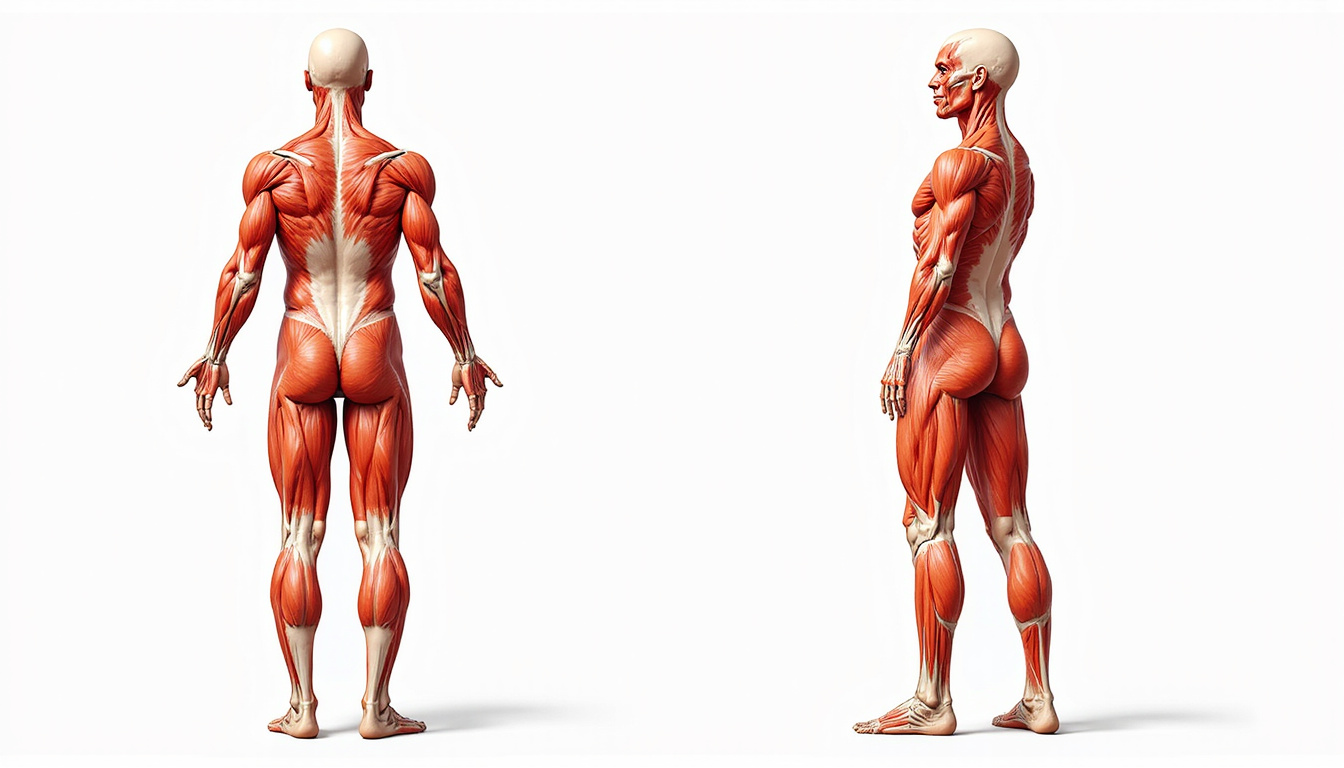
On‑court carryover: Increases control on blocks, punch volleys, and roll volleys.
6. Side‑Lying External Rotation – Bulletproof the Rotator Cuff
Why: A strong rotator cuff needs good scapular control to function. This exercise helps protect your shoulder during all strokes.
How:
- Lie on your side opposite your paddle hand so that your head is supported.
- Hold a light dumbbell (1–5 lbs) in your top hand. Keep your elbow bent at 90° and pressed against your side.
- Keeping your elbow in place, lift your forearm upward toward the ceiling.
- Lower it slowly.
Sets/Reps: 2–3 sets of 10–12 reps.
On‑court carryover: Makes your shoulder more resilient on serves and overheads, reducing the “dead arm” feeling.
7. Half‑Kneeling Windmill – Integrate Core, Hips, and Scapula
Why: Pickleball strokes use your whole body. This exercise links your hips, core, and shoulder blade for smoother moves.
How:
- Start in a half‑kneeling position. Rest one knee on the ground and keep the other foot forward. The knee on the ground is on your paddle side.
- Hold a light weight (or start without one). Raise your paddle‑side arm straight upward.
- Watch your hand as you slowly swing it in a large arc. The path goes down, around your body, and then back overhead.
- Let your upper back and ribs rotate while keeping your lower back still.
Sets/Reps: 2 sets of 5–6 slow circles in each direction.
On‑court carryover: Improves full‑body rotation on serves, overheads, and drives while reducing shoulder strain.
How Often Should Picklers Train Their Scapula?
Most recreational and competitive Pickleball players can use this plan:
- 2–3 days per week: Practice the full routine (all 7 exercises).
- Before matches: Do a quick warm‑up with band pull‑aparts, scapular push‑ups, and serratus wall slides for 5–7 minutes.
- During shoulder flare‑ups: Ease off on power and volume on overheads and focus on proper form with lighter play as you continue your exercises.
Watch for these changes:
- Reduced pain after playing.
- The ability to serve and hit overheads without a pinching feeling.
- Less fatigue in your shoulder during long matches.
If symptoms continue or worsen, see a sports‑savvy healthcare provider.
Joint & Muscle Support from the Inside: Where Regenerix Gold Fits In
Before you hit the court, make sure to support your body from the inside. Your warm‑ups and exercises work best when your tissues have the right care.
Regenerix Gold is a nutrition‑based supplement made to back healthy joints and strong muscles. It is:
- Recommended by doctors and physical therapists as part of a full plan for active adults.
- Used for over a decade with many positive user reviews.
- Designed for those who want to stay active, guard joint health, and keep playing—all the way to 11 in a long game.
No supplement can replace smart training, proper rest, or professional care. Still, many Picklers use Regenerix Gold to support joint and muscle health while they rack up hours on the court. The National Institutes of Health even note that certain nutrients and lifestyle choices can help keep joints comfortable and functioning well (source: https://www.niams.nih.gov/health-topics/joint-health).
With steady use, the right exercises, and a balanced game schedule, Regenerix Gold may help you feel ready to play, recover faster between sessions, and avoid days of too much soreness to play.
Pickleball Shoulder Checklist
Use this checklist to cover your bases against scapular dyskinesis:
- [ ] Warm up your shoulders for at least 5 minutes before every session.
- [ ] Train scapular control 2–3 times each week using the exercises above.
- [ ] Include rest days and lighter “social dinking” days.
- [ ] Vary your shots to avoid repetitive moves every game.
- [ ] Support joint and muscle health with smart nutrition like Regenerix Gold.
- [ ] Seek professional advice if pain persists or worsens.
Regenerix Gold
FAQ About Scapular Dyskinesis for Pickleball Players
Q1: Can scapular dyskinesis go away with exercises alone?
A1: Yes. Many Picklers see better comfort and function with consistent scapular exercises. Because this condition is a movement pattern, retraining the muscles that control your shoulder blade helps reduce strain. Severe or long-term issues need a health professional’s evaluation.
Q2: What are the best scapular dyskinesis exercises for Pickleball servers?
A2: Focus on wall scapular slides, serratus wall slides, and side‑lying external rotations. These moves support the upward rotation of your shoulder blade and strengthen your rotator cuff. Both are key for smooth, strong serves.
Q3: How do I know if my shoulder problem is scapular dyskinesis or something else?
A3: Signs include one shoulder blade that appears more “winged,” higher, or more prominent during arm movements, along with discomfort on overhead plays. A trained health professional is best to assess your situation. If you feel intense, constant pain or limits in your daily life, get an evaluation.
Ready to Play Pain‑Smart, Not Pain‑Scared?
Many Americans have found Pickleball fun, and the healthiest players:
- Take scapular control and shoulder mechanics seriously.
- Train off the court with the same care they use on the court.
- Support their joints and muscles with smart, nutrition‑based choices like Regenerix Gold.
You can wait until your shoulder gives you a time‑out. Or, you can act like a smart Pickler who protects your body before medical bills, missed work days, or lost tournaments pile up.
Invest a few minutes in these exercises. Consider a bottle of Regenerix Gold to experience its benefits. This mix of training and nutrition can help you stick with Pickleball longer, feel better after long sessions, and enjoy being one of the most prepared players in your local community.
https://youtu.be/mGrH5UWFxUs?si=X9bScbG6dvejGkZf
Health Note
Always consult a licensed medical doctor for your health issues.
Special Discount
If you prefer preventive nutrition to minimize expensive knee surgery and potentially addictive pharmaceuticals, Regenerix Gold is your savvy solution.
You qualify for a special discount.
Simply use the link below and a discount will automatically be applied during checkout.
Get Regenerix Gold => HERE


