

If you run on roads or tracks and then play pickleball on off days, learn tendon loading. It helps you stay in the game rather than sit on a lawn chair with an ice pack. Runners who play pickleball stress their tendons in a special way. They run on hard pavement and then move quickly on court. This mix often hurts ankles, knees, and hips.
This guide explains tendon loading in plain words. It shows how runners who play pickleball can train smart, protect their joints and muscles, and get ready for tournaments.
What is tendon loading—and why should runners who play pickleball care?
Tendon loading is the force and stress on your tendons when you move. Running loads these tendons:
• Achilles tendon
• Patellar tendon (below the kneecap)
• Hip flexor and gluteal tendons
• Hamstring and adductor tendons
Then, when you hit the pickleball court, the same tendons face sudden moves:
• Quick pushes off the baseline
• Abrupt stops near the kitchen line
• Split-steps, lunges, and side shuffles
• Low squats to reach dinks and resets
When tendon loading rises too quickly or too high, tendons may feel tight, sore, or irritated. Well-managed tendon loading makes tendons stronger and more resilient for long days.
The “Goldilocks Zone” of tendon loading
Your tendons need load that is just right. They do not like extremes.
• Too little load: Too much rest or only light walks means tendons miss the needed challenge.
• Too much load: Suddenly adding miles or extra court sessions spikes tendon stress.
• Just enough load: A mix of steady running, planned court moves, and gradual strengthening helps tendons adapt and repair.
Imagine tendons as a bank account. Each good sleep, smart training, and proper food makes a deposit. Hard runs and long play days count as withdrawals. Tendon loading is the art of balance.
How overloading shows up for runners who play pickleball
When tendon loading becomes too high, you may see signs like:
• Stiff Achilles or knees in the morning
• Tight calves when pushing off the line
• Sore knees after back-to-back run and court days
• Heavy legs or slow warm-ups in early games
These signals say, “Ease up and load me smarter.” If pain persists or grows severe, talk to a healthcare professional.
Smart tendon loading: weekly planning for runner–picklers
Plan your week to keep tendon loading safe. Mix your runs and pickleball sessions so they support each other.
Sample weekly plan for a recreational runner playing 2–3 times per week:
• Day 1: A short run with light pickleball drills (practice serves, dinks; no heavy games).
• Day 2: A rest day from the court and a strength session for legs and hips.
• Day 3: A moderate run followed by 60–90 minutes of casual open play.
• Day 4: Rest or easy cross-training (bike, swim, or yoga).
• Day 5: A short, faster run with shadow footwork; no heavy games.
• Day 6: A tournament or league night—the highest load day on the court.
• Day 7: A recovery day with a walk and mobility work; skip hard runs.
Keep these principles in mind:
• Do not combine long runs with marathon pickleball sessions.
• Include one very light or rest day weekly.
• Build tendon loading gradually, especially with more court time or mileage.
Strength work: your secret weapon for healthy tendon loading
Many runners and picklers love cardio. They may skip the weight room. However, strength work controls tendon loading and builds resilience.
Keep exercises slow, controlled, and moderately challenging for legs and hips.
Foundational exercises for tendon loading:
-
Calf raises (double and single-leg)
• Strengthens the Achilles and foot area.
• Use a step, lower slowly, and push up firmly. -
Split squats or lunges
• Mimic the lunge on the court.
• Keep the knee in line with your toes and move slowly. -
Hip thrusts or glute bridges
• Build strong hips and protect knees and the back.
• Strong glutes aid quick moves on court. -
Romanian deadlifts (RDLs)
• Work the hamstring and glute tendons.
• Hinge at your hips and keep your back straight. -
Lateral band walks
• Support side-to-side court movement.
• They keep the hips strong and protect the chain.
Increase weight or repetitions slowly over time. This progressive method helps tendons adapt.
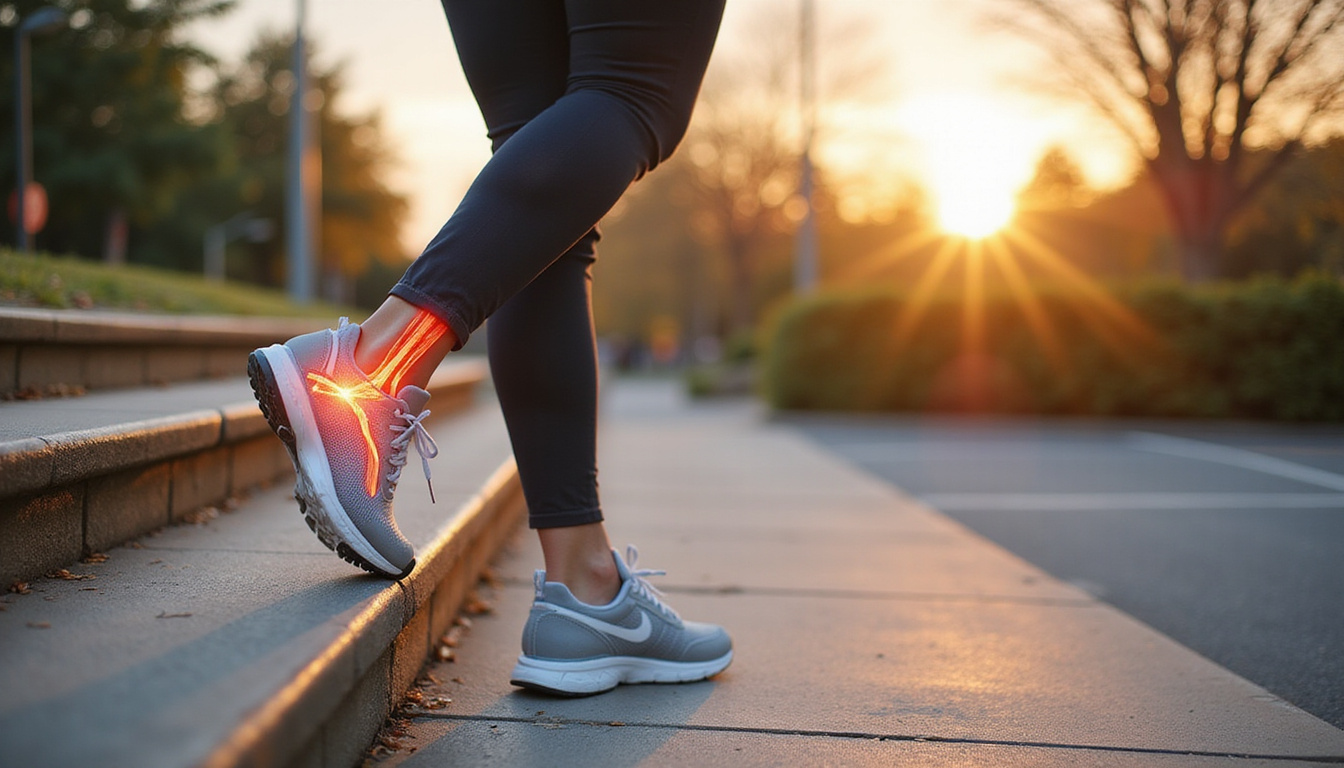
Run days vs. court days: adjust your tendon loading on the fly
On days of mild stiffness or familiar discomfort, change your load without stopping sports.
On a run day:
• Shorten your mileage.
• Swap speed work for an easy pace.
• Begin with dynamic calf and hip drills.
On a pickleball day:
• Activate muscles with 5–10 minutes of light calf raises, squats, or band walks.
• Start with dinks, drops, and kitchen work before heavy moves like overhead smashes.
• Limit lengthy consecutive games; take 1–2 game breaks for stretching and hydration.
These small changes keep tendon loading balanced, even when you are aiming for a tournament or race.
Nutrition and tendon loading: fuel for joints and muscles
Tendons and muscles depend on your food. Protein, healthy fats, and vitamins help:
• Form normal collagen
• Maintain joint cartilage
• Keep muscles and tendons comfortable
Runners who play pickleball need balanced food daily. Back-to-back high-load days without proper nutrition can leave you tired and stiff.
Regenerix Gold: a nutrition-based ally for active runners and picklers
Many pickleball players now use long-term nutrition support for their joints and muscles.
Regenerix Gold is a supplement that aids joint and muscle health. It is made for active people who mix running and pickleball. It is:
• Nutrition-based, with ingredients chosen to support joint comfort, mobility, and muscle function.
• Recommended by doctors and physical therapists for nurturing active bodies.
• Used internationally for over a decade, with praise from users who load their tendons daily.
No supplement replaces smart tendon loading, strength work, and rest. However, many runner–picklers find that Regenerix Gold fits well into their overall plan. Always check with a healthcare provider before you start any new supplement.
Regenerix Gold
Remember: Supplements do not diagnose, treat, cure, or prevent any disease. If you are on medication, pregnant, nursing, or have health concerns, consult your healthcare provider before using a new supplement.
Warm-up and cool-down: quick routines to guide tendon loading
A smart warm-up gets your tendons ready. A brief cool-down helps them recover.
Pre-run / pre-pickleball warm-up (5–8 minutes):
• 20–30 marching steps with high knees
• 20–30 butt kicks
• 10–15 slow calf raises
• 10 bodyweight squats
• 2–3 light acceleration strides or quick shuffles
Post-session cool-down (5 minutes):
• Walk slowly until your breathing returns to normal
• Stretch your calves gently against a wall
• Do light quad and hamstring stretches without bouncing
• Rotate your ankles and swing your hips gently
This routine helps tendons manage load, even as you change from running shoes to court shoes.
When to seek professional help
Sometimes, self-care is not enough. See a professional if:
• You feel sharp, sudden, or worsening pain
• You see swelling, heat, or changes around a tendon
• Pain makes walking or daily tasks hard
• You are unsure how to balance running and pickleball safely
A sports doctor or physical therapist can give a tailored tendon loading plan. You may also check the American Academy of Orthopaedic Surgeons (AAOS) for more on tendon health (source: https://orthoinfo.aaos.org).
FAQ: tendon loading for runners and pickleball players
-
How do I know if my tendon loading is too high?
If stiffness or soreness persists after warming up—especially after long runs and intense court sessions—your tendons may be overloaded. Ease the load, add a rest day, or do strength work. If pain continues, seek professional advice. -
What is the best way to start tendon loading exercises safely?
Begin with simple bodyweight moves—calf raises, squats, and bridges—2–3 times a week. Use slow, controlled motions. Gradually add resistance or weight over several weeks. -
Can supplements help support joints and muscles under heavy tendon load?
Supplements cannot replace smart training. Still, many active adults use nutrition-based products to support joint and muscle health. A formula like Regenerix Gold is often recommended by professionals. Always talk with your healthcare provider before starting any new supplement.
Your next step: train like the pickler who plans ahead
You know the frustration of sitting out when your body does not cooperate. Injuries can be costly, both in money and stress. Runners who play pickleball put special stress on their tendons, and the most successful players are strategic.
They:
• Manage tendon loading with smart weekly plans.
• Strengthen muscles to protect their joints.
• Support their body with balanced nutrition and targeted supplements.
If you want to stay active for the long run, consider a proactive approach. Try adding Regenerix Gold to your routine. See how a well-supported joint and muscle program works with smarter tendon loading. Get a bottle, test it for a few weeks, and plan ahead for your health, performance, and long-term mobility.
https://youtu.be/mGrH5UWFxUs?si=X9bScbG6dvejGkZf
Health Note
Always consult a licensed medical doctor for your health issues.
Special Discount
If you prefer preventive nutrition to minimize expensive knee surgery and potentially addictive pharmaceuticals, Regenerix Gold is your savvy solution.
You qualify for a special discount.
Simply use the link below and a discount will automatically be applied during checkout.
Get Regenerix Gold => HERE


