

If you have called your knees “crunchy,” your back “stiff like a board,” or your shoulders “springy but sore,” you have felt viscoelasticity in your own joints.
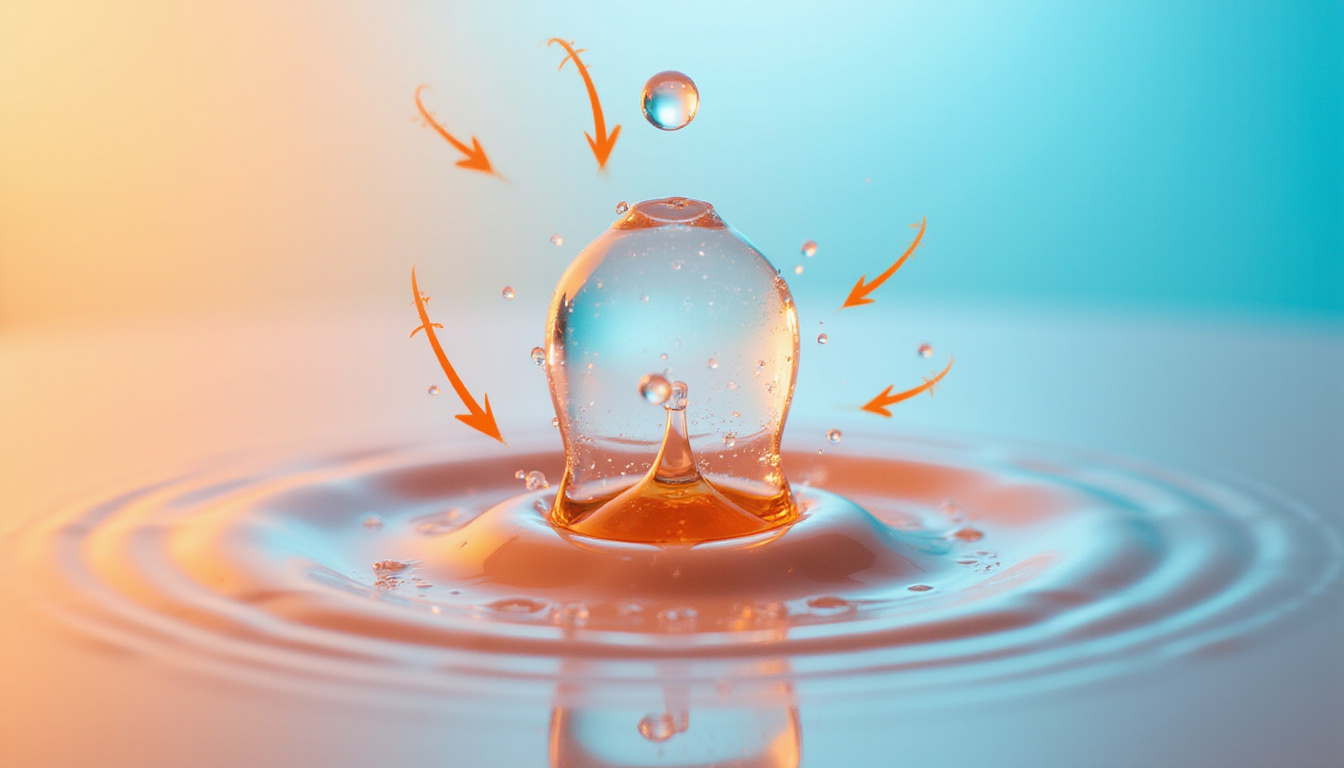
In short, viscoelasticity shows how some materials (like your joint tissues and muscles) can both flow like a thick liquid and bounce back like a springy solid.
This simple idea helps you make wiser choices about movement, recovery, and even nutrition-based support like Regenerix Gold.
What Is Viscoelasticity?
At its core, viscoelasticity links two behaviors in a material:
- Viscous behavior – It slowly deforms or “creeps” under a steady load. Think of a thick syrup that keeps sagging.
- Elastic behavior – It springs back when you remove the load. Imagine a rubber band snapping back.
Your tendons, ligaments, joint capsules, and cartilage work in this way. That is why:
- Your knees do not act like rigid metal hinges.
- Your shoulders do not move like loose, floppy ropes.
- Your spine can absorb shocks from walking, lifting, or sitting down hard.
They can cushion, absorb impact, and gradually adapt to stress while they also rebound to their original shape.
Why Viscoelasticity Matters for Achy Joints and Stiff Muscles
If you live in America and work at a desk, on your feet, or do repetitive work you may notice:
- Morning stiffness that slowly “warms up.”
- Soreness after long periods of standing or walking.
- Sluggish joints that do not spring back as before.
- Tight, ropey muscles that need time to loosen.
These feelings tie to viscoelasticity:
-
Warm-up Time
When tissues warm up, they show better viscoelastic behavior. The collagen fibers, fluid, and support structures get to move freely. As a result, your joints feel less stuck. -
Shock Absorption
With each step, a mini shock moves up your ankles, knees, hips, and spine. Your viscoelastic tissues act like a car’s tires and suspension. They deform, then recover, and spread the impact instead of focusing it in one spot. -
Time-Dependent Stiffness
Sit too long and everything feels locked. Stand too long and your joints feel pressed and tired. Here viscoelasticity shows that your tissues change their response based on the duration of the load.
When your viscoelastic behavior lacks movement, strength, or proper nutrition, your body can feel like an old, dried-out rubber band instead of a smooth, springy shock absorber.
Breaking Down Viscoelastic Behavior in Everyday Terms
Engineers and scientists use clear terms to describe viscoelasticity. You feel many of these in your body each day.
1. Creep: When Tissues Slowly “Give” Over Time
Creep means that under a constant load, a material slowly deforms.
In your body, creep shows as:
- Standing for a long time and feeling your lower back tighten slowly.
- Holding a stretch and noticing your hamstrings lengthen bit by bit.
- Carrying a heavy bag and feeling your shoulders sag slowly.
The tissue does not tear. It just drifts into a more stretched or compressed state over time.
2. Stress Relaxation: Tightness That Eases with Time
Stress relaxation happens when a material under a constant stretch has its internal stress slowly ease away.
In everyday life, this looks like:
- Holding a gentle stretch and soon feeling the pull lessen.
- Sitting in a squat position and noticing that the burn fades if you hold still.
Your tissues stay stretched while the internal tension calms as they adapt.
3. Hysteresis: Lost Energy (a.k.a. Why You Feel Worn Out)
When you load and then unload a viscoelastic material (like bending a joint and then straightening it), not all energy returns. Some energy leaves as heat. This loss is called hysteresis.
For you, that lost energy feels as:
- Fatigue after repeated motions.
- Joints that seem “pounded” after climbing stairs.
- Muscles that feel “burned out” even when you do not push too hard.
Your tissues absorb and then dissipate energy, instead of bouncing completely back like a perfect spring.
How Viscoelasticity Shows Up in Your Joints
Your joint tissues are classic examples of viscoelastic materials:
- Cartilage – It cushions and allows a smooth glide. It deforms under load and then slowly recovers.
- Tendons – They transfer force from muscle to bone. They stretch a bit and then recoil.
- Ligaments – They stabilize your joints. They resist over-movement but do allow some give.
- Muscles & Fascia – They move and create tension. Their stiffness changes based on how quickly or how far you move.
People with joint discomfort often say their tissues feel:
- “Sticky” or “gritty” when waking.
- “Rubbery” or “spongy” after long walks.
- “Bouncy but sore” after impact exercises.
This language shows how viscoelastic properties change with age, workload, recovery, and nutrition.
Viscoelasticity and Movement: Why Speed and Control Matter
A key point about viscoelasticity is that it changes with speed. The rate at which you load a joint changes its behavior:
-
Slow movements (such as gentle stretches or controlled squats)
Your tissues act more viscously—they have time to deform and adjust. This helps with flexibility and eases stiffness. -
Fast movements (like jumping, sudden twists, or jerky lifts)
Your tissues act more elastically—they become stiffer to protect you from quick forces.
For those with sensitive joints, this means:
- Slow, controlled moves treat your tissues more kindly.
- A proper warm-up makes your viscoelastic tissues work more smoothly.
- Sudden or heavy motions can “jam” your joints because your tissues react in a stiff way at high speeds.
Supporting Healthy Viscoelastic Behavior: Practical Steps
You cannot change physics, but you can help your viscoelastic tissues work better.
1. Smart Daily Movement
- Micro-movements – If you sit too much, stand and walk every 30–60 minutes. One or two minutes of gentle movement helps ease creep and stiffness.
- Gentle range-of-motion drills – Controlled circles, bends, and twists let your tissues load and unload, which improves their bounce-back.
- Progressive loading – Slowly increasing light exercise (using bands or bodyweight drills) keeps the springy strength of your tendons and ligaments.
2. Respecting Recovery Time
Viscoelastic tissues do not rebound instantly to full strength after heavy use. They need:
- Rest between intense activities like heavy lifting or long walks.
- Sleep, which helps repair tissues and balance fluids.
- Alternating heavy and light days so that you do not overwork the same joints.
3. Nutritional Support for Joints and Muscles
Your tissues show viscoelastic qualities because of their structure and composition. Things like collagen, elastic fibers, and a fluid-rich matrix help your joints work well. Nutrition supplies the building blocks for these components (source: NIH Office of Dietary Supplements).
Many Americans notice joint creakiness, stiffness, and a “compressed” feel. They often look to nutrition-based strategies for support:
- Better movement comfort.
- Improved muscle function.
- More resilient and flexible tissues.
This is where a supplement like Regenerix Gold comes in.
Regenerix Gold: A Nutrition-Based Way to Support Joint and Muscle Comfort
Because viscoelasticity is about how tissues flow, bounce, and recover, it is wise to keep them strong and healthy. Regenerix Gold is made for those who wish to support healthy joints and muscles with nutrition.
Here is how it fits:
-
Nutrition-based solution
Regenerix Gold is a supplement, not a drug. It supports the nutritional backdrop that gives you smooth movement and tissue strength. It does not diagnose, treat, cure, or prevent disease. It is made to work with a healthy lifestyle, not as a replacement for medical care. -
Endorsed by health professionals
Many doctors and physical therapists recommend Regenerix Gold for those who suffer from muscle tension and joint discomfort. It is part of a broader plan that may include exercise, good posture, and other healthy changes. It is for people who are proactive about caring for their tissues. -
A decade of use worldwide
Regenerix Gold has helped many for more than ten years. Its positive international feedback gives users confidence that they are choosing a time-tested option. -
For those who feel every motion
If you notice your knees in stairs, your shoulders after long workdays, or your back as it moves between stiffness and ease, then you are the right person to explore a supplement like Regenerix Gold.
Regenerix Gold
Simple Ways to Combine Viscoelastic Know-How with Daily Habits
You do not need a degree in physics to use viscoelasticity to your advantage. Try this approach:
-
Warm up before demanding tasks
- Spend 5–10 minutes moving your joints gently before heavy lifting, yard work, or long walks.
-
Use controlled motion
- Avoid jerky moves. Slow, smooth motions are kinder to stiff joints.
-
Alternate sitting and standing
- Change positions often to stop the feeling of frozen joints.
-
Hydrate and eat well
- Good fluid balance and nutrition help the tissues that cushion your joints.
-
Consider targeted supplementation
- Talk with your doctor to see if a supplement like Regenerix Gold fits your routine.
FAQ: Common Questions About Viscoelasticity and Your Body
Q1: What is viscoelasticity in the human body?
Viscoelasticity in your body means tissues like cartilage, tendons, and ligaments both deform slowly under load (like a thick fluid) and spring back when the load stops (like an elastic band). This dual behavior helps your joints absorb shocks and move well.
Q2: How does viscoelastic behavior affect joint comfort?
Because of viscoelastic behavior, your joints feel different when they are loaded in different ways. Long periods of standing or sitting make your tissues slowly deform, which leads to stiffness. Gentle movement and proper rest let them rebound and support comfort.
Q3: Can supplements support viscoelastic properties of joint tissues?
Supplements cannot change physical laws. However, they can support the nutrition that helps maintain healthy joint and muscle function. A supplement like Regenerix Gold can support joint comfort and muscle function when used along with exercise, good posture, and professional advice.
A Smart, Proactive Step: Experience It for Yourself
Seeing viscoelasticity in a new light shows that your joints are not simply “good” or “bad.” They are alive, responsive materials that flow, bounce, and recover when you care for them.
If you:
- Notice every click, crunch, and stiffness in your joints,
- Want to stay ahead of problems instead of waiting for a crisis,
- Worry about the long-term cost of lost mobility or medical bills,
then you are making a smart, proactive choice.
Along with better movement habits, gradual loading, and proper recovery, think about adding a nutrition-based supplement like Regenerix Gold to your plan. With over a decade of international use, support from health professionals, and positive feedback from users, it is a way to help your joints and muscles from the inside out.
Your joints carry you through work, errands, and every step you take. Supporting their viscoelastic “flow, bounce, and recovery” now is not just for comfort—it is a wise, cost-conscious move for your long-term health and independence.
If this sounds like the choice of a savvy, responsible person, then the next step is simple: get a bottle of Regenerix Gold and feel the difference for yourself.
Special Discount
If you prefer preventive nutrition to minimize expensive knee surgery and potentially addictive pharmaceuticals, Regenerix Gold is your savvy solution.
You qualify for a special discount.
Simply use the link below and a discount will automatically be applied during checkout.
Get Regenerix Gold => HERE


