

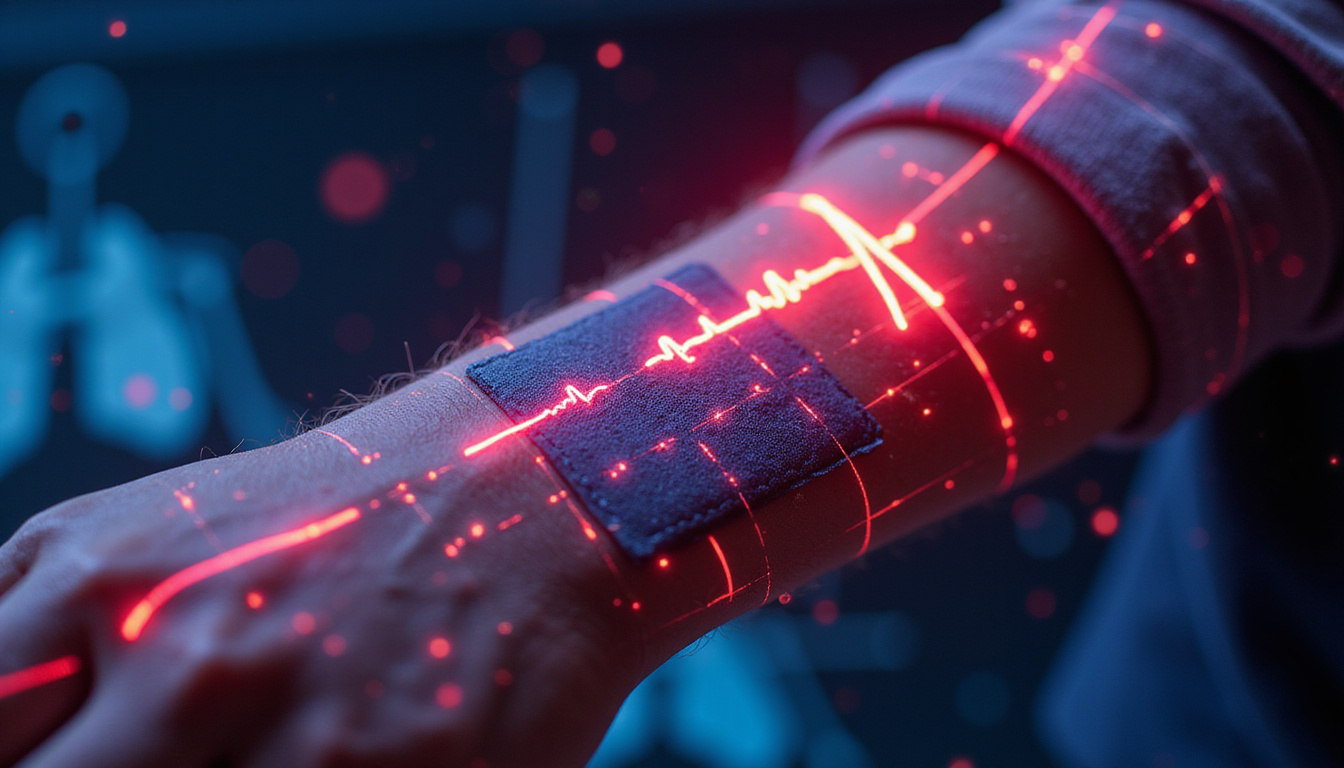
If you love Pickleball and show up to court at 6 a.m., you want more from every game. You want extra points, quicker dinks, and a shoulder that feels good after each match. Wearable sensors now help serious Pickleball players in America. They give clear clues about your health. They protect joints and muscles. They boost your play.
In short, the same tools that marathon runners and pros use now help everyday Picklers track how their bodies work during a long round-robin, league night, or one more best‑of‑5. ---
Why wearable sensors matter for Pickleball players
Pickleball is not light exercise anymore. Quick hands at the kitchen, explosive lunges, and constant start‑stop moves all work your body harder than you may think. Over time, these moves can show as:
- Tight calves after long time on the courts
- Sore knees after hard-surface play
- Stiff shoulders from repeated serves and overheads
- Lower back pain from bending and reaching
Wearable sensors show clear data. They signal health changes early. They let you:
- See how hard you work
- Spot fatigue that you might miss
- Change play style, warm‑up, and recovery
- Keep joints and muscles healthy with smart choices
The main types of wearable sensors Picklers are using
Not all wearables act the same. Each sensor type fits a Pickleball need.
1. Wrist wearables: The “gateway” sensor for most Picklers
Smartwatches and fitness bands are the first sensor many Picklers try. They track:
- Heart rate and its zones
- Steps and distance
- Calories burned
- Basic sleep stats
Why this matters for Pickleball:
- You see how intense your games are versus regular exercise.
- You avoid pushing too hard every rally, game, or day.
- You set hard games (like league night) on days you have enough rest.
2. Chest straps and arm bands: More precise cardio tracking
If you trust data, look at chest straps or upper‑arm monitors. They stay still while your wrist moves during volleys.
These sensors help you:
- Set the right warm‑up pace before tournaments
- Check recovery as your heart rate drops between games
- Avoid overdoing it during several open sessions in a week
3. Motion and impact sensors: The secret weapon for joint‑savvy Picklers
Sensors on your shoes, waist, or clothes help track:
- Step count and stride
- Sudden stops and starts
- Jump or hop impacts
- Side movement and acceleration
For Pickleball, these clues are gold:
- Hard landings show in data even when your knees feel okay now.
- Aggressive lunges and leaning instead of proper footwork show up in patterns.
- Your coach or therapist can then fix drills, shoes, and warm‑ups to guard your joints.
4. Smart insoles and shoe sensors: Ground‑up protection
Some Picklers now use smart insoles or shoe sensors to measure:
- Pressure in your feet
- Side‑to‑side load in lateral shuffles
- Differences between your left and right legs
This data helps you:
- Notice if you protect one side more than the other
- Cut down uneven loading that can strain hips, knees, or ankles
- Decide if you need better court shoes or insoles
5. Recovery and sleep wearables: The missing piece for many Picklers
You cannot play at your best on little sleep. Sleep sensors track:
- How long and how well you sleep
- Movement at night
- Recovery or readiness estimates
They show you:
- How night matches or weekend tourneys affect sleep
- When to have a light day instead of full drills
- How your nutrition, screen time, or stress hurt recovery
According to the CDC, good sleep is a key to performance and long-term health (source: CDC Sleep and Health).
Hidden health clues wearable sensors reveal
You may feel fine after three hours of play. Yet sensors can tell another story.
1. Fatigue patterns that do not feel obvious
Data may show:
- Higher heart rates for the same play level as the session goes on
- Slower recovery of heart rate between games
- Reduced step speed or lower intensity later in the day
These are clues that you feel tired. In Pickleball talk, your feet slow down, your split‑steps come late, and you risk overreaching or clumsy lunges.
2. One‑sided “dominant” overload
Most Picklers use one hand more than the other. Sensors can show:
- More load on one leg during pushes and stops
- Sharper decelerations on your cross‑court side
- Imbalance between stronger and weaker side movements
Spotting these issues means you can build smarter workouts off the court. This work supports balanced joints and muscles.
3. Court surface impact
Do you play only on hard courts? Sensors can show:
- Higher cumulative impacts per session
- More time spent in high‑intensity zones
This data suggests you:
- Should play on softer courts when possible
- Need to include more targeted recovery
- Must protect joints with good shoes, warm‑ups, and nutrition
Turning sensor data into real Pickleball performance gains
Data helps only when you act on it. Here are ways to use charts for better court days.
Use heart‑rate and intensity data to plan your week
Instead of daily max‑intensity rec play, try this:
- One or two high‑intensity days – league, ladders, or competitive games
- One or two skills‑and‑drills days – serves, dinks, or controlled third shots
- At least one light or full rest day per week
Sensors confirm that your “light” days truly stay light.
Adjust your warm‑up by what sensors show
If your heart rate spikes too fast or your movements stay stiff for 15 minutes, you need a better warm‑up.
Use this feedback to build a quick pre‑court routine:
- A short brisk walk or jog
- Dynamic leg swings and arm circles
- Gentle lunges and side shuffles
- A few minutes of controlled dinking and volleys
Use motion data to improve your footwork
If you see many abrupt stops, sudden turns, or spiky impacts:
- Take smaller steps instead of giant lunges
- Focus on a quicker split‑step
- Stay centered over your mass, especially at the NVZ
Smoother moves protect your knees, hips, and back.
Where nutrition fits: Supporting joints and muscles for the long haul
Sensors show how your body works. Nutrition helps your body repair and stay strong.
For those who play regularly on hard courts, in tournaments, or during back‑to‑back leagues, think beyond calories and water. Think about nutrients for:
- Joint comfort and flexibility
- Muscle recovery after intense drills or matches
- Overall strength as you play frequently
Many experienced Picklers now add joint and muscle supplements to their wellness plan.
Why many Picklers are choosing Regenerix Gold
For players who live on the courts and want to care for joints and muscles, Regenerix Gold is a top choice. Many doctors and physical therapists suggest it.
It fits into a performance‑focused Pickleball life in these ways:
-
Nutrition‑based support
Regenerix Gold works from the inside out to support joints and muscles. It is not a painkiller or a quick fix. It is a nutritional tool to complement training, recovery, and smart play. -
Recommended by healthcare professionals
Many physicians and therapists suggest Regenerix Gold to active adults, including those who play court sports several times a week. -
A decade of international use and positive reviews
Regenerix Gold has helped players worldwide for more than ten years. Players trust its long track record over the latest fad. -
It works with your sensor data
If your sensors show long sessions, repeated high-intensity rallies, or high weekly loads, it makes sense to support your body with a nutrition plan that includes good joint and muscle care.
Use Regenerix Gold alongside:
- A smart play schedule
- Proper warm‑up and cool‑down
- Quality court shoes
- Adequate sleep and proper hydration
This creates a well‑rounded plan for long‑term performance.
How to combine wearable sensors and Regenerix Gold in your routine
A simple, Pickleball‑specific plan may be:
-
Before play
- Check your wearable’s recovery or readiness score.
- If it is low, lower the intensity or shorten the session.
- Keep your daily Regenerix Gold routine as the label says unless your doctor advises differently.
-
During play
- Look at your heart rate zones between games.
- Note if you spend too much time at high intensities.
- Use this feedback when you plan your next session.
-
After play
- Check your impact and movement data if your sensor offers it.
- If you see more load than usual – longer sessions or more intensity – then focus on recovery. Take time to stretch gently, drink fluids, get protein, and stick with your Regenerix Gold routine.
This method does not chase perfection. It builds small, smart habits that let you play more, play better, and feel good.
Video: Learn more about Regenerix Gold for active Pickleball players
Regenerix Gold
FAQ: Wearable sensors and Pickleball performance
Q1: Are wearable fitness sensors really useful for Pickleball players, or just for runners?
Yes. These sensors track heart rate, intensity, movement, and recovery. This data lets you plan court time, avoid max‑effort every day, and see fatigue before you feel it.
Q2: What’s the best wearable health sensor for Pickleball—a watch, strap, or motion sensor?
Each sensor serves a goal. For most players, a wrist smartwatch or band is fine. Competitive players may add a chest strap for accurate heart rate and motion or smart insoles to check footwork and joint impact.
Q3: How do wearable sensors fit with supplements like Regenerix Gold?
Wearable sensors show how your body responds to play. Supplements like Regenerix Gold give joint and muscle support through nutrition. With good sleep, hydration, and smart scheduling, both help you decide on training and keep your body healthy.
Time to play smarter than the average Pickler
Many players still come to court cold and play through three‑hour hard court marathons. They hope their bodies hold up. You do not have to do that.
Wearable sensors let you see how hard your body works. Adding a proven supplement like Regenerix Gold shows you care about long‑term court time. Doctors and therapists recommend it. Its decade‑long use gives it trust.
Play through five long games while others fade. Avoid expensive time off the court. Earn respect from friends who see you always have energy. Now is the time to act.
Consider a bottle of Regenerix Gold. Add it to your daily routine with sensor‑guided training. It is a smart move for Picklers who value their health, wallet, and spot at the top of the game.
https://youtu.be/mGrH5UWFxUs?si=X9bScbG6dvejGkZf
Health Note
Always consult a licensed medical doctor for your health issues.
Special Discount
If you prefer preventive nutrition to minimize expensive knee surgery and potentially addictive pharmaceuticals, Regenerix Gold is your savvy solution.
You qualify for a special discount.
Simply use the link below and a discount will automatically be applied during checkout.
Get Regenerix Gold => HERE


