

If you or a family member has stiff joints, muscle aches, or deep bone pain, you know each twinge in your body. Your body sends signals. These signals help you notice new dangers. One danger is anaphylaxis. Anaphylaxis is a fast, severe allergic reaction that can end life in minutes. Knowing its signs and acting fast can keep you, your loved ones, and your teammates safe.
This guide shows you how to spot anaphylaxis, act immediately, and use daily habits—including nutrition support like Regenerix Gold for joints and muscles—to protect your health and independence.
What Is anaphylaxis?
Anaphylaxis is a sharp, severe allergic reaction. It affects many parts of your body: skin, breathing, circulation, gut, and more. This reaction often starts within minutes of contact with a trigger such as:
- Certain foods (peanuts, shellfish, eggs, milk)
- Insect stings or bites
- Medications
- Latex
- Sometimes exercise linked to food, medicine, or alcohol
Milder allergic reactions cause a rash or light itching. Anaphylaxis can block your breathing or blood flow. It demands immediate emergency care.
People with joint or muscle issues already feel limited. They may need both hands to rise from a chair or brace a shaky knee when they stand. Losing more function because of an allergy makes life harder. Learning about anaphylaxis helps you protect your mobility and independence.
Early anaphylaxis Warning Signs You Should Never Ignore
Anaphylaxis begins with vague or mild signs. You might think, “I ate something odd” or “I feel off.” It is important to see the pattern. More than one body system usually shows symptoms.
Common early warning signs include:
Skin and Mucous Membranes
- Flushing or sudden warmth
- Itchy skin on the palms, scalp, or ears
- Hives or red, raised bumps that itch intensely
- Swollen lips, tongue, face, eyelids, or throat
- Itchy, watery, or red eyes
Breathing and Chest
- A tight throat
- Trouble getting a full breath
- Noisy breathing, wheezing, or whistling
- A sudden cough
- A chest that feels squeezed
Circulation and Heart
- Feeling faint or lightheaded
- A racing, pounding heartbeat
- Sudden weakness or wobbly legs
- Pale or blue skin, lips, or nail beds
Gut and Internal Sensations
- Nausea or stomach cramps
- Vomiting or diarrhea
- A strong sense of doom or high anxiety
If you see two or more of these signs soon after a trigger, treat it as anaphylaxis. Do not wait to see if the signs get worse.
Why anaphylaxis Escalates So Quickly
In anaphylaxis, your body releases many chemical messengers like histamine. These messengers make your blood vessels leak and your airways swell. This can lead to:
- Throat or tongue swelling that narrows airways
- A drop in blood pressure that cuts blood flow to organs
- Fluid leaving the circulation, which can cause dizziness and collapse
Just as a sore joint may suddenly lock or buckle, your body during anaphylaxis can change from “something is off” to “emergency” within minutes. That is why acting quickly is so important.
The American Academy of Allergy, Asthma & Immunology advises using epinephrine as soon as anaphylaxis is suspected.
Immediate Actions to Take in Suspected anaphylaxis
If you think someone has anaphylaxis, act without delay. Do not wait until breathing is very hard or the person loses consciousness.
-
Use Epinephrine Immediately (If Available)
- If you have a prescribed epinephrine auto-injector, use it at the first sign.
- Inject into the outer thigh, over clothing if needed. Follow your training exactly.
-
Call 911 (or Your Local Emergency Number)
- Even if the symptoms seem better after epinephrine, they may return.
- Tell the operator you suspect anaphylaxis so that paramedics bring the correct tools and drugs.
-
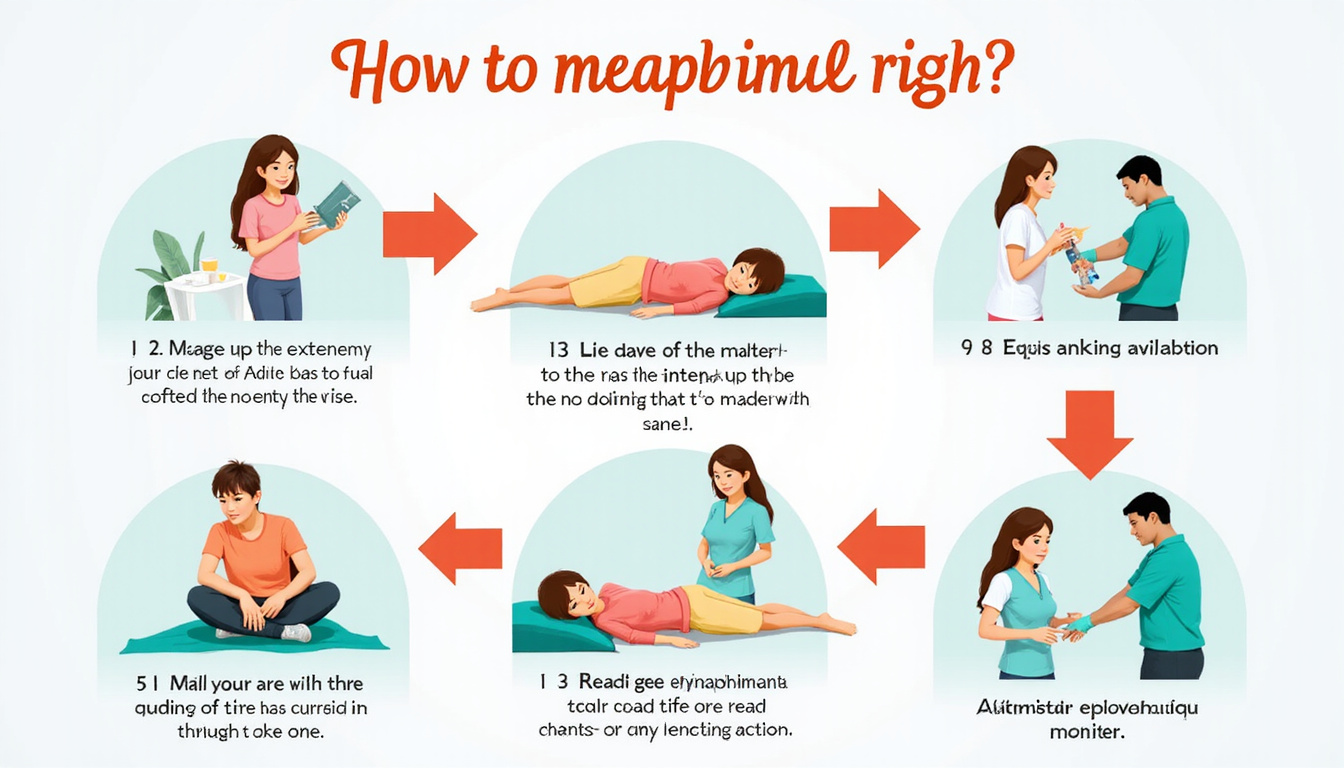
Lay the Person Flat (Unless They’re Vomiting or Pregnant)
- If you can, lie them on their back with legs raised for better blood flow.
- If they are vomiting or having trouble breathing, place them on their side.
- Pregnant people should lie on their left side.
-
Avoid Standing or Walking
- Sudden standing can drop blood pressure dangerously.
- This matters especially if you already have weak or aching knees or hips.
-
Use a Second Epinephrine Auto-Injector If Needed
- If symptoms do not improve within 5–15 minutes and you have another injector, use it as noted.
-
Monitor Breathing and Pulse
- Be ready to start CPR if breathing or the heartbeat stops and you are trained.
-
Avoid Food, Drink, or Oral Medications
- Do not give anything by mouth if the person struggles to swallow or may lose consciousness.
Everyday Strategies to Reduce anaphylaxis Risks
Living with joint or muscle problems means you already have routines. You pace your steps, adjust how you climb in and out of cars, and stretch carefully. Preventing anaphylaxis risks uses similar habits.
Key strategies include:
-
Know Your Triggers.
After any allergic event, see a health professional for evaluation or allergy testing. -
Carry Epinephrine (if Prescribed).
Keep it close at work, the gym, and in your bag—like you carry a brace for a flare. -
Wear Medical Identification.
A bracelet or wallet card can speak for you if you cannot talk. -
Educate Your Inner Circle.
Ask your spouse, children, close coworkers, and workout partners to learn where your epinephrine is kept and how to use it. -
Read Labels Carefully.
Check food, medication, and supplement labels for hidden allergens. -
Have an Emergency Plan.
Talk with your doctor about steps after using epinephrine and when to seek hospital care.
This plan keeps you active, helps you work, supports your family, and prevents the added fear of an unexpected allergic reaction.
Protecting Your Mobility and Independence
If you deal with:
- Knee joints that grind or feel rough
- A lower back that tightens after a short walk
- Shoulders that feel stuck when you reach overhead
even a small fall or emergency can change your life. You may worry that an injury will stop you from working, caring for your family, or doing what calms you.
That is why viewing your health as a complete system matters. Managing allergy risks like anaphylaxis along with caring for joint and muscle health can help you:
- Stay steady on your feet
- Keep working without long breaks
- Avoid costly treatments later on
Every decision—what you eat, how you move, and how you support your joints—is part of keeping you strong and independent.
Where Nutrition-Based Support Like Regenerix Gold Fits In
While anaphylaxis needs fast treatment with epinephrine and professional help, your everyday health is built with good habits and nutritional support.
Regenerix Gold is a nutrition-based supplement that many use for:
- Healthy, comfortable joints
- Strong, resilient muscles
- Daily support to stay active
Doctors and physical therapists recommend Regenerix Gold for people who:
- Have ongoing discomfort in the knees, hips, or shoulders
- Feel stiff when getting out of bed or after long sitting periods
- Worry that one wrong move could trigger a long flare-up
For more than ten years, Regenerix Gold has helped people around the world. Many report:
- Less grinding or sharp pain in their joints
- Easier climbing of stairs and getting in and out of vehicles
- Greater comfort when standing, bending, or lifting at work
Please note: In line with FDA guidelines, Regenerix Gold is not meant to diagnose, treat, cure, or prevent any disease. It provides nutritional support for joint and muscle health. Always follow your healthcare provider’s advice for treating allergies.
Regenerix Gold
Putting It All Together: Joint Health, Anaphylaxis Preparedness, and Your Future
When your joints feel unstable, like a knee that might buckle on stairs or a back that might seize when you bend, any emergency poses extra risks. A sudden drop in blood pressure or a collapse during anaphylaxis can also cause injury. This injury can worsen your regular joint pain and mobility issues.
Think of your approach in three layers:
-
Acute Protection
- Recognize the warning signs of anaphylaxis.
- Use epinephrine promptly if you have it.
- Call 911 and follow emergency instructions.
-
Preventive Planning
- Know and avoid your triggers as much as possible.
- Carry your emergency medicine and inform those around you.
- Prepare an action plan before an emergency happens.
-
Long-Term Joint and Muscle Support
- Follow a movement routine that respects your limits.
- Rest well, keep good posture, and adjust your workspace.
- Try nutritional support like Regenerix Gold to help joints and muscles work at their best.
FAQ About Anaphylaxis and Related Concerns
-
What are the first signs of anaphylaxis I should watch for?
Watch for quick signs after exposure. Look for widespread itching or hives, swollen lips or tongue, difficulty breathing, tight chest, sudden dizziness, or strong stomach cramps. When more than one system shows signs, treat it as possible anaphylaxis and act immediately. -
How is a severe anaphylactic reaction treated in an emergency?
The first treatment is an injection of epinephrine into the outer thigh using an auto-injector if you have one. Call emergency services immediately. Doctors watch the person in the hospital after the shot because the symptoms might return. -
Can good joint and muscle health help me recover better after an anaphylaxis episode?
Strong joints and muscles do not stop anaphylaxis. However, good overall health helps you recover from any health emergency. When you experience less joint stiffness or muscle weakness, you cope better with the fatigue and soreness that may follow. Nutritional support like Regenerix Gold can be part of your everyday care along with your allergy management.
Take Action Now—Before You Face an Emergency
If you are reading this far, you may already juggle joint flare-ups, muscle fatigue, or count your steps carefully each day. On top of that, the thought of a sudden anaphylaxis episode—at work, on the road, or alone—can be unsettling.
Be proactive. Learn the warning signs of anaphylaxis and share them with your family. Talk with your health provider about your risks, triggers, and an emergency plan. Make sure your prescribed epinephrine is up to date and always within reach.
And if you want to avoid setbacks like falls, missed workdays, or being sidelined because of joint pain, consider adding Regenerix Gold to your routine. This doctor- and physical-therapist-recommended supplement supports healthy joints and muscles. For over a decade, many have used it to feel more confident in their ability to move.
Getting a bottle today helps protect your ability to work, care for your family, and live fully—even as medical costs rise. People who plan ahead are the ones who keep moving, working, and thriving.
Invest in your emergency readiness and everyday strength now while you can.
Special Discount
If you prefer preventive nutrition to minimize expensive knee surgery and potentially addictive pharmaceuticals, Regenerix Gold is your savvy solution.
You qualify for a special discount.
Simply use the link below and a discount will automatically be applied during checkout.
Get Regenerix Gold => HERE


