

If your single leg hop feels wobbly, weak, or just plain awkward on the pickleball court, you are not alone. Stress loads one leg at a time during play. Picklers jump, lunge, and change direction suddenly. When your single leg work is off, balance, court coverage, and shot power suffer. Your joints and muscles then start “talking” after matches.
Below, we list common single leg hop mistakes that hold Picklers back. We also show how to fix them. In addition, we explain how Regenerix Gold can support your joints and muscles nutritionally.
Why the Single Leg Hop Matters for Picklers
Even when you do not test a formal single leg hop, this move helps you every game:
- You push off one leg to sprint for a lob.
- You decelerate after a hard cross-court chase.
- You plant on one leg to change direction.
- You jump sideways to avoid a kitchen violation.
When you improve single leg stability and power, you:
- Cover more court with less effort.
- Feel lighter on your feet and quicker off the mark.
- Land safely from awkward reaches and recover quickly.
- Suffer less stiffness after long rec play or tournaments.
Poor single leg hop mechanics may cause sore joints, shaky landings, or a “slow” response to the ball.
Common Single Leg Hop Mistakes (and How They Hurt Your Game)
1. Collapsing Knee (Knee Caves In)
What happens:
When you hop and land on one leg, the knee dives inward instead of tracking over the toes.
Why it hurts Picklers:
- Energy leaks as the power is wasted.
- Stress builds in the knee and hip joints.
- Stability drops during wide defensive reaches or kitchen lunges.
How to fix:
- Always think “knee over 2nd toe” when loading and landing.
- Strengthen your glutes with side steps, clamshells, and single leg bridges.
- Start with small hops in place before moving to distance hops.
2. Stiff, Locked Landing
What happens:
You land with a straight knee, barely bending the hip or ankle. It is like a pogo stick.
Why it hurts:
- Hard landings increase force on joints and soft tissues.
- Balance suffers, especially on hard pickleball surfaces.
- You feel jarred and sore after hard drives and overhead hits.
How to fix:
- Aim for a “quiet” landing with minimal sound on contact.
- Land with soft bends in the hip, knee, and ankle (triple flexion).
- Practice “stick” landings: hop softly, hold for 3–5 seconds.
3. Overstriding the Hop
What happens:
You try to hop as far as possible and lose control on landing.
Why it hurts:
- It teaches your body to choose distance over control.
- It mimics desperate reaches where you cannot recover in time.
- It raises the risk of awkward landings and tweaks.
How to fix:
- Begin with very short hops (6–8 inches work well).
- Hop only as far as you can land solidly without wobbling.
- Think “controlled power” instead of “max distance.”
4. Upper-Body Flailing
What happens:
Your arms and trunk flap around as you try to keep upright.
Why it hurts:
- It wastes energy that you could use to load your paddle and swing.
- It shows poor core control and body awareness.
- It slows down quick transitions from split-step to sprint.
How to fix:
- Use your arms as guides, not as wild flails.
- Gently brace your core before takeoff and landing like tightening a belt.
- Practice in front of a mirror to notice and reduce excessive arm-swing.
5. Relying on the Toes Only
What happens:
You land on the front of the foot; the heel barely touches or does not touch at all.
Why it hurts:
- It overloads the calf and the front of the knee.
- It reduces stability because a small base makes you shaky.
- It makes stops and starts feel unsafe on the baseline.
How to fix:
- Aim to land on the midfoot and then let the heel touch the ground.
- Practice barefoot or in minimal shoes on safe surfaces.
- Use slow, small hops to focus on spreading your weight.
6. Rushing the Repetitions
What happens:
You do rapid-fire hops just to finish faster.
Why it hurts:
- You train sloppy movement patterns.
- The brain does not have time to lock in balance and alignment.
- Momentum hides underlying weaknesses.
How to fix:
- Pause 1–2 seconds between hops.
- Do fewer reps with better quality.
- Treat each hop as one focused move rather than a cardio drill.
7. Ignoring Left–Right Imbalances
What happens:
You feel strong on your dominant leg but weak on the other.
Why it hurts:
- You favor one leg, which may lead to overloading it.
- You find it harder to recover to center after moves.
- Your split-step suffers if both legs are not equally strong.
How to fix:
- Test both sides with hops for distance or time.
- Add 1–2 extra sets on the weaker leg.
- Only progress when both legs feel balanced.
A Simple Single Leg Hop Routine for Picklers
Use this routine 2–3 times per week. Do it after a warm-up and before court play:
- Single Leg Balance (Eyes Open) – 2 × 20–30 seconds per leg.
- Mini Single Leg Hops in Place – 2 × 6–8 per leg with soft landings.
- Forward Single Leg Hops (Short Distance) – 3 × 5 hops per leg.
- Diagonal Single Leg Hops (to mimic pickleball moves) – 2 × 4 in each direction per leg.
Focus on:
- Keeping the knee over the toes (avoid letting it cave in).
- Landing softly and quietly.
- Keeping the trunk and arms steady.
Quality matters more than quantity. You train your nervous system as much as your muscles.
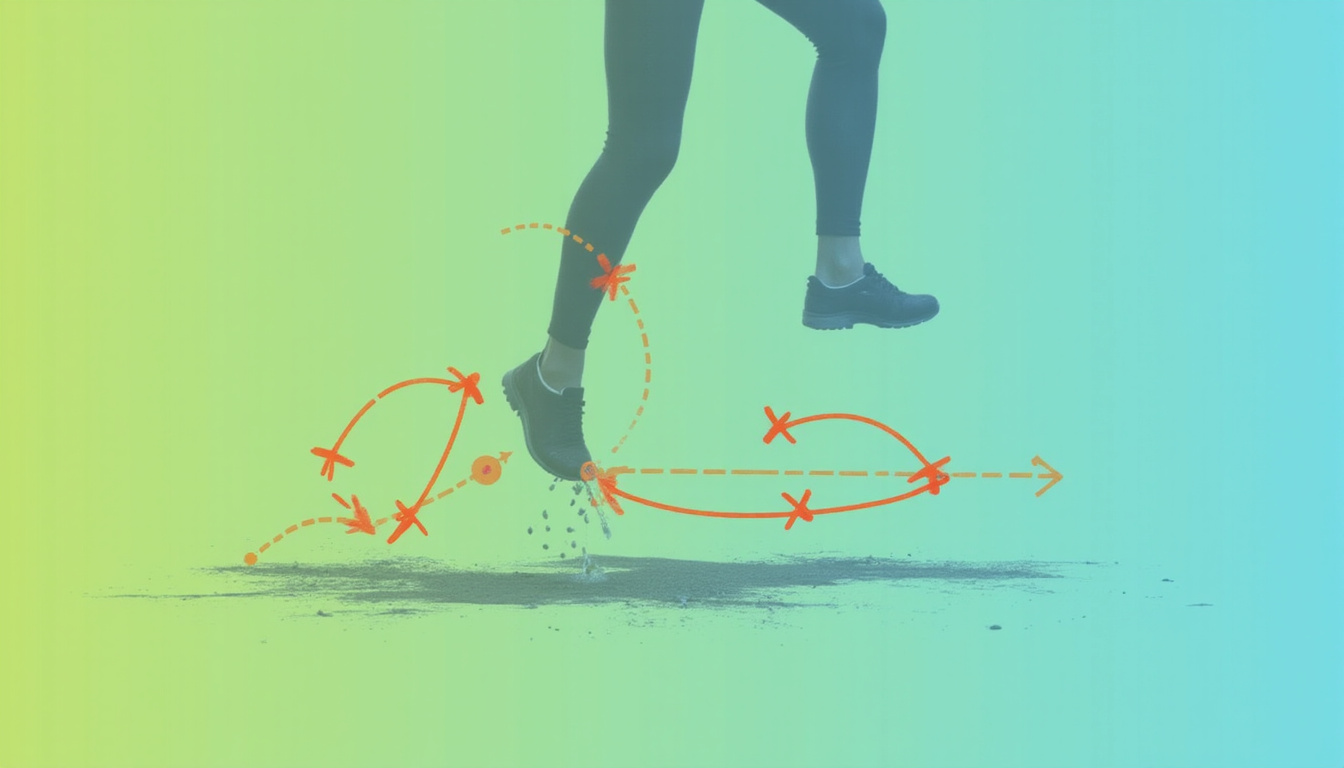
Supporting Your Joints and Muscles From the Inside
Good play and training matter. So does what you put into your body. Many Picklers notice:
- Morning stiffness before the first game.
- Tight knees, hips, or ankles after long rec sessions.
- Slower recovery between play days or tournaments.
This is where a nutrition‑based solution can help support your joints and muscles.
Why Many Picklers Choose Regenerix Gold
Regenerix Gold is a supplement built to support healthy joints and muscles. It helps serious and weekend warrior Picklers when court time ramps up.
Key points for American Pickleball players:
- It is a nutrition-based formulation, not a drug or painkiller.
- It is recommended by doctors and physical therapists who work with active adults and athletes.
- It is used for over a decade internationally, with many positive reviews.
- It is made to support joint comfort, flexibility, and muscle function as part of a holistic routine.
By fueling your body from within, you can:
- Do more single leg hop and balance training.
- Feel more confident on explosive plays and split-steps.
- Recover better between league nights, tournaments, and rec sessions.
Always consult your healthcare provider if you have health conditions, are pregnant, nursing, or take medications. Remember, dietary supplements are not meant to diagnose, treat, cure, or prevent any disease.
How Regenerix Gold Fits Into a Pickler’s Weekly Plan
Many dedicated players follow this joint-support routine:
- Before play days – Do a light dynamic warm-up and a few single leg hops to “wake up” your neuromuscular system.
- Post play – Cool down briefly, stretch gently, hydrate, and use Regenerix Gold as directed.
- Off-court days – Work on strength and balance (squats, lunges, single leg hops, core exercises). Also, keep up with good nutrition and sleep to help your body recover.
This mix of good mechanics, training, and nutrition helps Picklers stay active and confident.
Single Leg Hop Checklist for Pickleball Players
Use this quick list before or after your next session:
- [ ] Knee tracks over the 2nd–3rd toe (no caving in).
- [ ] Landings are soft and quiet.
- [ ] Hops are controlled, not rushed.
- [ ] Upper body remains steady and does not flail.
- [ ] Left and right legs are balanced.
- [ ] Joints and muscles feel supported by smart training and good nutrition.
If you miss more than one box often, it is time to refine your single leg hop and take care of your body from the inside out.
FAQ: Single Leg Hop and Pickleball Performance
1. How does a single leg hop help pickleball movement?
The single leg hop builds balance, power, and landing control on one leg at a time. This carry-over helps during split-steps, lateral shuffles, quick pushes to the kitchen, and sudden stops. When you hop and land solidly, you are better equipped to chase dinks, track lobs, and return to center without feeling off-balance.
2. How many single leg hops should I do if I play pickleball several times a week?
Most players do 2–3 sets of 5–8 single leg hops per leg, 2–3 times per week. Keep the reps low and focus on perfect form. If your joints or muscles feel stressed, back off and consult a physical therapist or sports medicine professional.
3. Can a single leg hop test show if I am ready for more intense pickleball play?
A controlled single leg hop test—where you hop and land on one leg with good balance—gives you a sense of your readiness for intense change-of-direction work. If you cannot land without the knee collapsing, losing balance, or feeling uneasy, you need more strength, balance work, and joint support before ramping up play. For a formal check, seek help from a licensed physical therapist or sports performance professional.
(For more on balance and strength in older adults, see guidance from the CDC on physical activity and fall prevention (source): https://www.cdc.gov/physicalactivity/basics/older_adults/index.htm)
Regenerix Gold Video
Regenerix Gold
Ready to Fix Your Single Leg Hop and Stay Ahead of the Pack?
Many Picklers focus on their paddle, shoes, or balls. Fewer focus on how well their single leg hop works. Even fewer support their joints and muscles with good nutrition.
If you want to be the player who:
- Feels good after back-to-back rec sessions.
- Moves like a younger version of yourself on the courts.
- Takes steps to avoid the costs and stress of time off work or expensive care for overuse injuries.
…then it makes sense to train smarter and fuel smarter.
Dial in your single leg mechanics with the routine above and consider adding Regenerix Gold as your joint and muscle support supplement. It is a nutrition-based option that doctors and physical therapists trust. With over a decade of international use and positive feedback, it helps boost the body’s support system.
Get yourself a bottle and feel the difference. In a community where many worry about a new paddle, you will be the one who invests in your most important asset—your body.
https://youtu.be/mGrH5UWFxUs?si=X9bScbG6dvejGkZf
Health Note
Always consult a licensed medical doctor for your health issues.
Special Discount
If you prefer preventive nutrition to minimize expensive knee surgery and potentially addictive pharmaceuticals, Regenerix Gold is your savvy solution.
You qualify for a special discount.
Simply use the link below and a discount will automatically be applied during checkout.
Get Regenerix Gold => HERE


