
Basketball ankle pain: Proven Rehab and Prevention Strategies for Players
由 Zestora 上 Dec 15, 2025

If you’ve spent decades on the hardwood, you know the drill. You have faced basketball ankle pain more than once. Maybe you landed hard after a 1992 rebound. Or you played many years on blacktop in old, worn-out shoes. Now when you lace up for men’s league, a pickup at the Y, or a father-son game, your ankles tell you that you are older.
This guide is for Basketball Oldheads in America. You still love the game. You are tired of hobbling to the car after a run or waking up with stiff and sore ankles. Let’s go step by step with proven rehab and prevention moves that match an older hooper’s body, schedule, and pride.
Why Basketball Oldheads Get So Much Ankle Pain
You know the moves: jab step, crossover, step-back, spin. Each move loads your ankle. Over the years you have:
• Jumped and landed hard
• Cut and stopped sharply
• Played on concrete, dusty church floors, or warped rec center courts
• Worn out shoes past their prime
Your ankles have logged serious mileage.
As you grow older, several things occur:
• Calves and Achilles grow less flexible
• Ankle stabilizers weaken
• Recovery slows after runs
• Stiffness and soreness follow games
This drama does not force you to retire. It only means your approach to basketball ankle pain must be smarter than before.
Step 1: Know Your Pain Pattern Like a Vet
Oldheads know film study matters. They also know their body. Watch your body as it speaks:
• Note where it hurts: front, sides, back of the heel, or under the foot
• Note when it hurts: during a game, after running, while walking down stairs, or at the first steps in the morning
• Note what triggers the pain: hard cuts, jump landings, long walks, or playing many days in a row
If you see these red flags, see a qualified health professional (a sports doctor, physical therapist, or athletic trainer):
• A sudden, sharp pain with a pop
• An inability to weight bear on that foot
• Big swelling or a change in shape
• Pain that does not get better with time
Online info may help but can never replace an in‑person checkup when things seem serious.
Smart Rehab for Basketball Ankle Pain: Oldhead Edition
If your pain feels more like a nag than an emergency, a good rehab plan will help. It can ease the pain and build you up again.
1. Respect the Flare-Up; Don’t Nurse It Forever
If your ankle screams after a bad roll:
• In the short term, take a break, use ice after runs, and elevate the leg when possible.
• Keep it moving with gentle motions that do not hurt. This aids circulation and heals tissue.
• Do not stop all movement. Total rest for too long can weaken the ankle and prolong issues.
You are smart if you take a break. You are not soft.
2. Regain Mobility: Get That Old Spring Back
Older hoopers often lose ankle dorsiflexion. That motion, when your knee moves over your toes, protects your joints. Limited motion places more load on other joints and adds to basketball ankle pain.
Try these daily moves. Keep them smooth and controlled:
• Wall ankle rocks:
– Face a wall.
– Place your front foot a few inches away.
– Keep your heel on the ground.
– Gently drive your knee toward the wall.
– Do 2–3 sets of 10–15 on each side.
• Calf and soleus stretch:
– Use a straight-leg stretch for your upper calf.
– Use a bent-knee stretch (heel down) for your lower calf.
– Hold for 20–30 seconds, 2–3 times each.
Keep the stretch mild and free of pain.
3. Strengthen: Ankles Need Muscle, Not Just Braces
If you have used ankle braces or tape since the Iverson era, it is time to build muscle support.
Focus on these areas:
• Outside and inside muscles of your lower leg
• Calves and muscles around your heel
• Foot and arch muscles
• Hips and glutes (yes, strong hips support ankles)
Try this starter routine 3–4 times a week:
-
Calf raises (start with both legs; progress to single-leg)
– Do 3 sets of 10–15, controlled up and down. -
Towel scrunches or short foot:
– Stand barefoot.
– Shorten your foot while lifting the arch—do not force your toes to curl.
– Do 2–3 sets of 10–15 seconds. -
Resisted ankle moves (using a band):
– Move your foot in, out, up, and down against the band.
– Do 2–3 sets of 10–15 in each direction. -
Hip exercises:
– Do bridges, side‑lying leg raises, or clamshells.
– Perform 2–3 sets of 10–15. Progress later to single-leg calf raises, step‑downs, and light plyometrics as you can handle them.
Oldhead-Approved Ankle Stability & Balance Work
This section is about not rolling your ankle again. Though it may feel odd, even NBA trainers work on balance.
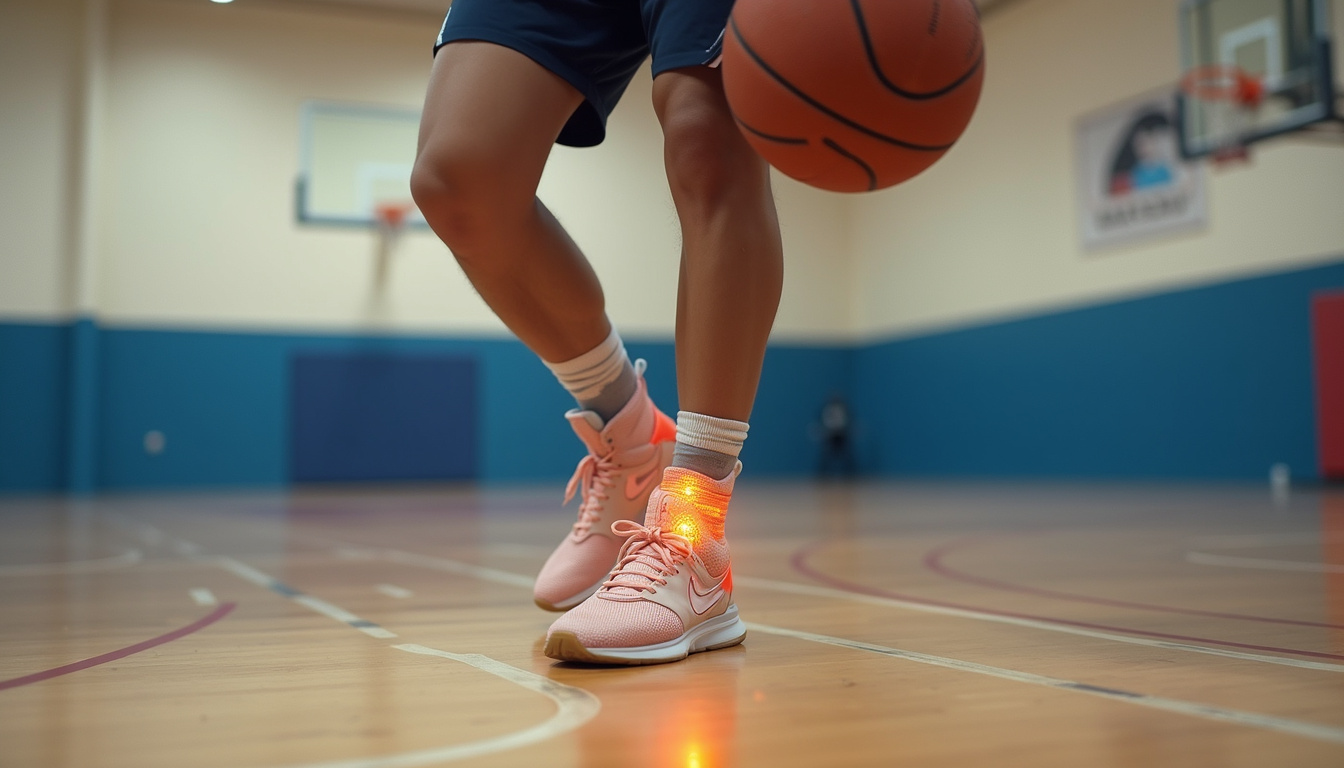
• Single-leg stands:
– Stand on one leg with a soft knee.
– Hold for 20–30 seconds.
– Try closing your eyes or standing on a pillow later.
• Single-leg deadlifts (bodyweight only):
– Hinge at your hips.
– Reach toward the ground as your back leg extends.
– Focus on balance, not on touching the floor.
• Side steps with a band:
– Place the band above your knees or on your ankles.
– Step sideways.
– This move also supports your glutes and aligns your knee and ankle.
Spend 5–10 minutes on these drills, 3–4 times per week. Think of it as “ankle film room” time.
On-Court Adjustments: Hooping Smart, Not Just Hard
You do not have to become a spot‑up shooter (unless you want to). However, some on‑court tweaks can spare your ankles:
1. Better Warm-Up Than “Two Layups and a Three”
A proper warm-up for older players:
• 3–5 minutes of light jogging or biking
• Dynamic moves: leg swings, ankle circles, walking lunges, and high knees
• A few slow practice cuts, shuffles, and jumps to wake your joints
2. Play Style Tweaks That Protect Ankles
Here are some changes that keep you effective without wrecking your body:
• Use shorter bursts for maximum-intensity cuts and slow down the rest of the game.
• Improve your positioning and anticipation on defense instead of taking too many big risks.
• Adjust landing mechanics:
– Land softly on both feet when you can.
– Stay aware in crowded paint areas to avoid someone’s foot.
You can still outplay younger guys—you just use less reckless force.
Gear & Court Setup: Don’t Sabotage Your Ankles
1. Shoes: Retire the Classics (for Playing, Not for Drip)
Those retro shoes look great. Still, older ankles need:
• Good lateral support
• A solid heel counter
• Fresh cushioning
• Strong traction
Rotate your hoop shoes and retire them as soon as the midsole feels dead, the outsole wears out, or the upper feels soft like a slipper instead of a firm shoe.
2. Braces and Taping: Tools, Not Crutches
Ankle braces and taping boost confidence and support, especially if you have a history of rolls. However:
• Use them with a plan that includes strengthening
• They must be part of your broader routine that covers strength, mobility, balance, and load management
A sports medicine pro or athletic trainer can help you choose the right type and fit (source: American Academy of Orthopaedic Surgeons).
Recovery Habits: What You Do After Runs Matters
When you were 20, you could play for three hours, eat a lot, and be fine. Now each run is a conversation with your joints.
Helpful recovery tips:
• Cool‑down walk: 3–5 minutes after your game to let your body wind down.
• Gentle post‑game stretches for calves, hamstrings, and hips.
• Hydrate and enjoy proper nutrition to help your tissue recover.
• Sleep well: It is a key factor for joint comfort and recovery.
If your basketball ankle pain worsens with extra minutes or frequency, cut back a bit. Build your capacity gradually instead of jumping from 0 to full‑court every night.
Support from the Inside: Joint & Muscle Nutrition for Oldheads
Many veteran hoopers now check what they eat when joints and muscles start to complain. No supplement can cure medical conditions. However, the right product can:
• Support healthy joint motion
• Help maintain normal cartilage and connective tissue
• Support muscle comfort and recovery after play
For older players juggling work, family, and limited practice time, nutritional support is a key part of staying in the game.
For a quick FAQ overview on one popular option among Basketball Oldheads, check out this video:
Regenerix Gold FAQ: https://youtu.be/mGrH5UWFxUs?si=X9bScbG6dvejGkZf
Quick Checklist: Oldhead Ankle Game Plan
Use this as a locker‑door reminder:
• Warm up properly before playing.
• Do ankle and hip strength work 3–4 times per week.
• Include balance and proprioception drills.
• Check your shoes and upgrade when they wear out.
• Use braces or tape if advised, but do not skip strength work.
• Pace your weekly load and avoid sudden big jumps in play.
• Support your joints and muscles with smart nutrition and lifestyle habits.
FAQ: Basketball Ankle Pain for Older Players
Q1: How can I relieve chronic ankle pain from basketball without quitting?
A1: Mix strength training with balance work and smart load management. Strengthen your calves, ankles, and hips. Improve your flexibility. Reduce game intensity or frequency slightly at first. If the pain stays or worsens, have a pro check it.
Q2: What’s the best way to prevent ankle injuries when playing basketball as an older player?
A2: Consistency is key. Wear quality shoes, warm up properly, and work on ankle and hip strength and stability. Watch your fatigue. Many oldheads also add braces or taping for extra support if they have past issues, plus a long-term plan for strength.
Q3: Are supplements helpful for basketball players with ankle and joint discomfort?
A3: Supplements do not cure conditions. They can support healthy joints, cartilage, and muscles. For older players who feel stiffness or discomfort after play, a high-quality joint and muscle supplement may help along with exercise, recovery, and good nutrition. Always follow label directions and ask your healthcare provider if needed.
Why Regenerix Gold Fits the Basketball Oldhead Mindset
You have put in the hours on tough rims, empty gyms, and double‑rim parks. You deserve to keep playing without feeling that every run taxes your future mobility or drains your wallet.
That is where Regenerix Gold fits in. It is made for people who use their joints and muscles every day—not just those who sit at a desk. For Basketball Oldheads who still play hard, coach their kids, or refuse to be the one on the sidelines at the barbecue, supporting joint and muscle health is not a luxury. It is a necessity.
Medical bills, missed work, or quitting because you ignored your body are very expensive. Supporting your joints and muscles with a premium supplement such as Regenerix Gold is a smart and cost‑effective play. It is the choice of savvy hoopers who know that their body is their most valuable contract.
If you want to keep making buckets, stay active for your family, and live a full life where age is just a number, consider adding Regenerix Gold to your regimen. Oldheads who plan ahead do not only last longer on the court—they live better off it, too.
[justify]https://youtu.be/mGrH5UWFxUs?si=X9bScbG6dvejGkZf[/justify]
[justify][/justify]
[justify]Health Note[/justify]
[justify]Always consult a licensed medical doctor for your health issues.[/justify]
[justify][/justify]
[justify]Basketball Oldheads Discount[/justify]
[justify]If you are a Basketball Oldhead who prefers preventive nutrition to minimize expensive surgery and potentially addictive pharmaceuticals, Regenerix Gold is your savvy solution.[/justify]
[justify]Basketball Oldheads qualify for a special discount. [/justify]
[justify][/justify]
[justify]Simply use the link below and a discount will automatically be applied during checkout.[/justify]
[justify][/justify]
[justify]Get Regenerix Gold => HERE[/justify]
[center][h2]
[/h2][/center]


