

If you’re a Basketball Oldhead—an OG who still wants to run the pick-and-roll, hit a baseline cut, or drop a fadeaway—you know knee pain.
Knee pain comes like an unwanted teammate. It shouts, it lingers, and it always shows up at the worst time.
This guide gives veteran ballers expert rehab tips. Use these tips to calm your knees, boost your confidence, and stay on the court without giving up your game.
──────────────────────────── Why basketball knee pain hits oldheads more often
Years of hard cuts, rebounds, and extra landings build up damage.
Your knees face force: they decelerate fast, pivot on one leg, and absorb many tiny shocks with every move.
Your calves lose spring. Your glutes do not fire like before, and poor footwear adds to the stress.
All these factors mix to create nagging knee pain.
──────────────────────────── Quick reality check: don’t ignore it
Do not ignore your knee pain.
If you feel extra stiffness or fear a strong step, pay attention.
Smart, steady rehab cuts the noise, eases stiffness after long sits, and reduces fear when you move.
Good rehab keeps you playing pick-up games, dominating old-timers’ league nights, and staying active outside the gym.
Trusted sources list common causes and management tips for knee pain.
──────────────────────────── Prep like an old pro: warm-ups that actually matter
Before you lace up:
- Dynamic warm-up: leg swings, walking lunges, hip circles.
- Activation: two sets of 10 glute bridges and banded side-steps.
- Mobility: ankle dorsiflexion drills and gentle quad/hamstring flossing.
These warm-ups work. They prime your muscles and help your knees take the load without strain.
──────────────────────────── Expert rehab tips to stop basketball knee pain fast
Sub-heading: Load management — play smarter, not just harder
You are not 23 now.
Space out hard sessions. Limit back-to-back games.
Track your pain on a 0–10 scale.
If your knee hits a 4 after practice, lower the intensity the next day.
Smart load management stops flare-ups and keeps you in the game.
Sub-heading: Build a streetwise strength plan
Oldheads need strength that works on the court.
Focus on single-leg moves and posterior chain work.
Try this rotation three times a week:
- Romanian deadlifts — 3 sets of 8 (light to moderate weight)
- Split squats (rear foot elevated) — 3 sets of 8 per leg
- Single-leg deadlifts (bodyweight to start) — 3 sets of 6–8
- Nordic hamstring negatives (or hamstring curls) — 3 sets of 6–8
- Banded lateral walks — 3 sets of 20 steps
These exercises build your glutes and hamstrings, improve balance, and lower stress on your knees.
Sub-heading: Landing mechanics and cutting drills
Learn how to absorb force properly.
Practice soft, hip-driven landings on short box jumps.
Do ladder drills so your knees share the load with your hips and ankles.
Work with a coach or record yourself; your form will show you where to adjust.
Sub-heading: Hands-on tools oldheads swear by
- Foam roll your quads and IT band (gently).
- Use a lacrosse ball to massage tender spots around your kneecap and calves.
- Wear a knee sleeve for warmth and confidence—but remember, it is support, not a fix.
Sub-heading: Mobility that matters
Stiff hips and ankles force your knees into bad angles.
Work on hip flexor and glute mobility.
Do calf and ankle dorsiflexion drills.
Include quadriceps soft-tissue work.
A little mobility goes a long way. It makes the difference between a clean drive and a painful tweak.
Sub-heading: Court-wise footwear and surface choices
Oldheads, do not skimp on shoes.
Replace worn-out cushioning and choose a shoe that fits your play style.
If the court surface is rough, avoid max-effort drives until you check it out.
A small change in shoe or surface can ease that nagging sensation.
──────────────────────────── Progression plan for the week (example)
- Day 1: Strength + mobility
- Day 2: Light cardio (bike or swim) + activation
- Day 3: Plyometrics (low box jumps) + landing drills
- Day 4: Rest or active recovery (walk, mobility)
- Day 5: Court session — limit to controlled scrimmage
- Day 6: Strength maintenance
- Day 7: Rest
──────────────────────────── Bulleted checklist before every game
- Warm-up 10–15 minutes
- Do one set of activation drills
- Wear a supportive shoe and knee sleeve if it helps
- Keep a pain log for post-game review
──────────────────────────── Video demo: moves you can trust
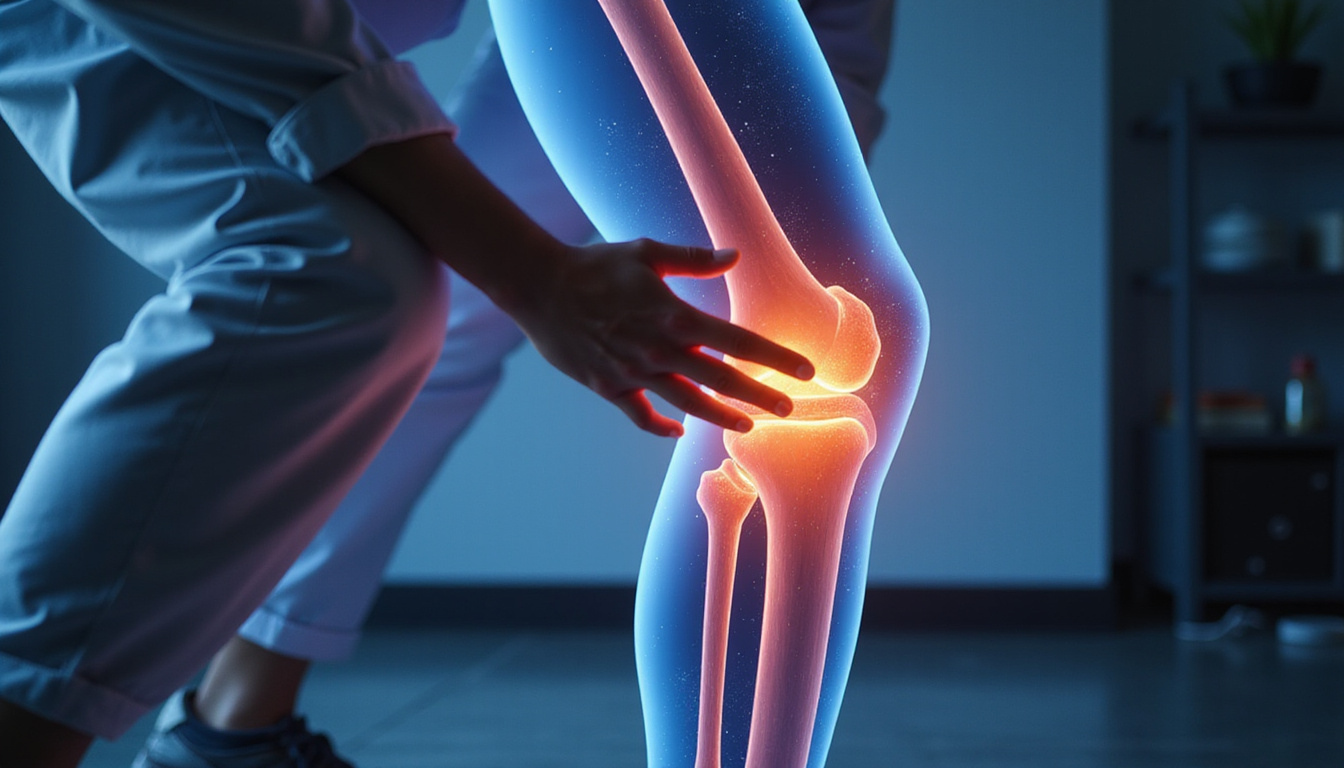
Watch this short run-through for landing drills and single-leg work:
https://youtu.be/lqUsGnM3tAU?si=lqyxSOU32bvlpWX2
──────────────────────────── When to get extra help
If your knee acts up despite steady rehab and careful load adjustments, go for a deeper evaluation.
A sports therapist or orthopedist can help tailor your plan.
Early attention keeps you in the game and avoids long, expensive downtime.
──────────────────────────── What oldheads should avoid
- Do not grind through pain like it is a rite of passage.
- Do not rely only on ice after every game while ignoring mechanics.
- Do not skip glute work just because it feels like leg day.
──────────────────────────── FAQ — quick answers oldheads ask
Q: Why do I get basketball knee pain after pickup games?
A: Repeated cutting and abrupt stops without a proper warm-up load your knees too harshly. Fix your mechanics and build strength to ease the pain.
Q: How do I stop basketball knee pain when playing late-night league?
A: Start by reducing intensity early. Scale back your minutes. Use dynamic warm-ups and activation drills. Always ensure your shoes and court surface fit your game. Add extra strength sessions to build resilience.
Q: Can basketball knee pain be managed without surgery?
A: Many veteran ballers improve with load management, focused strength, mobility work, and better technique. If the pain continues, seek professional evaluation for more options.
──────────────────────────── Cite for further reading
For more on knee pain and its causes, visit Mayo Clinic’s overview:
https://www.mayoclinic.org/symptoms/knee-pain/basics/causes/sym-20050738
──────────────────────────── Stay legal and sensible about supplements
Do not trust every pill that claims to fix joints.
Follow FDA guidance.
Supplements are not replacements for proper care and cannot cure or prevent conditions.
If you use supplements, combine them with good training, nutrition, sleep, and professional advice.
──────────────────────────── Final play: why Regenerix Gold belongs in your locker
You have hustled enough on and off the court to know what works.
For Basketball Oldheads, Regenerix Gold offers joint and muscle support that keeps you moving without long rests.
Think of it as smart insurance. It supports your knees and your game without adding drama.
If you value long-term play and want to ward off costly fixes later, put Regenerix Gold in your bag.
Ready to keep your knees in the game?
Try Regenerix Gold and invest in joint and muscle support that respects your experience, your budget, and your love for the hardcourt.
Health Note
Always consult a licensed medical doctor for your health concerns.
https://youtu.be/lqUsGnM3tAU?si=lqyxSOU32bvlpWX2


