

If a doctor tells you that bone spurs affect your knee, you feel the pain. You know that grinding, catching, and a “stuck” feeling hurt. In America, millions face stiff knees, locking joints, and pain when they walk downstairs, kneel, or rise from the couch. This guide shows what bone spurs are, links them to knee pain, and gives home strategies to try today. It also explains how a nutrition‑based supplement like Regenerix Gold may help support healthy knee joints and muscles.
This information is for education only and does not diagnose, treat, cure, or prevent any disease. Always talk with a licensed healthcare professional before changing your health, exercise, or supplement routine.
What bone spurs really are (and why your knees feel “jammed”)
Bone spurs—called osteophytes—are extra bits of bone. The body lays them down near joints. In the knee, they can form near:
- The margins where the femur meets the tibia
- The back of the kneecap
- The spots where tendons and ligaments attach
On their own, spurs do not cause pain. Many people have them without symptoms. But when spurs disturb your knee’s smooth glide, you may feel:
- A grinding or crunching sound when bending
- Sharp twinges when turning, squatting, or standing
- A sense that something catches inside
- Stiffness in the morning or after long sitting
Tight muscles, extra weight, old injuries, joint strain at work, or long wear-and-tear can worsen these feelings.
Can you get bone spurs relief at home?
For many in America, home care is the first step. Home remedies do not dissolve bone spurs. They can, however:
- Ease joint pain and stiffness
- Help your knee flex and straighten better
- Cut down flare‑ups after a long day
The key stays in a combination approach: steady movement, muscle support, joint‑friendly habits, and smart nutrition.
1. Movement that’s kind to bone spurs (not “no pain, no gain”)
If your knee hurts, you know certain moves trigger pain. Deep squats, hard kneeling, and steep stairs hurt. However, complete knee rest often backfires. Rest makes muscles tighter and joints more sensitive.
Instead, use gentle, steady motion:
-
Short, frequent walks
Walk 5–10 minutes at a time on flat ground. Short walks keep motion correct. -
Range‑of‑motion drills
While sitting, slide your heel slowly under your chair. Then straighten your leg. Do this 10–15 times per side. Stop before pain begins. Aim for a mild stretch. -
Low‑impact cardio
Use a stationary bike, elliptical machine, or walk in a pool. These moves let the joint get lubricated with little pounding. -
Avoid deep knee bending
Choose higher chairs or grab railings. Use a small stool instead of kneeling repeatedly.
If a movement causes a sharp pain, stop it. You want a “sweet discomfort” from effort. Do not endure a “knife in the joint” feeling.
2. Targeted stretching to calm tugging on the joint
Tight muscles pull on the knee. That pull makes the bone spurs feel worse. Daily stretching can ease this pull. Try these stretches:
-
Hamstrings (back of the thigh)
Sit on a chair’s edge. Straighten one leg. Place your heel on the floor and lean forward until you feel a stretch. Hold for 20–30 seconds. -
Quads (front of the thigh)
Hold onto a counter. Grab your ankle behind you. Bring your heel toward your buttock. Keep your knees close. Hold for 20–30 seconds. -
Calves
Lean against a wall with one foot behind. Press the heel down and feel a stretch in the calf. Hold for 20–30 seconds.
Do each stretch 2–3 times per side once or twice a day. Aim for a mild to medium stretch. Avoid pain.
3. Strengthening the muscles that protect your knee
Many say, “Stronger leg muscles keep my knee safe.” Strong quads, hamstrings, hips, and glutes absorb shock and guide the knee. Try joint‑friendly exercises:
-
Straight leg raises
- Lie on your back. Bend one leg and keep the other straight.
- Tighten the straight leg and lift it 12–18 inches.
- Lower it slowly.
- Do 8–12 reps and 1–3 sets per side.
-
Seated knee extensions (short arc)
- Sit on a chair with knees at 90 degrees.
- Slowly straighten one leg until almost straight. Do not lock it.
- Hold for 2 seconds and then lower it steadily.
- Do 8–12 reps and 1–3 sets per side.
-
Glute squeezes
- Whether lying down or standing, squeeze your buttocks tightly as if pinching a coin.
- Hold for 5 seconds then relax.
- Do 10–15 reps.
-
Side‑lying leg lifts (for hips)
- Lie on your side. Bend your bottom leg and keep the top leg straight.
- Lift the top leg up and slightly back.
- Do 8–12 reps and 1–3 sets per side.
If you feel unsure of a move, meet with a physical therapist. A good PT can design a home program for your knee pain.
4. Smart use of heat and cold
People with knee pain study their own triggers. They note the time of day, weather, and activities that hurt. Heat and cold use can fit well in this study:
-
Cold packs
Wrap a gel pack or a bag of frozen vegetables in a thin towel.
Use cold packs after activity or during flare-ups.
Apply for up to 15 minutes a few times a day. Take breaks between sessions. -
Warm packs or a warm shower
Use warmth for morning stiffness, a “rusted hinge,” or muscle tightness.
Use a warm (not scalding) temperature for 10–15 minutes.
Then stretch gently or take a short walk.
Always protect your skin from extreme temperatures. Avoid heat if the joint is very hot or swollen.
5. Everyday lifestyle tweaks that ease joint load
Small changes add up when your knees suffer from bone spurs. Try these tweaks:
- Footwear: Choose shoes with cushioning and support. A slight heel drop can lessen the impact of stairs or concrete walking.
- Weight management: Even modest weight loss reduces knee load. Check with your clinician.
- Modify chores: Use kneeling pads, rolling stools, or long-handled tools. This helps you avoid deep knee bending.
- Work setup: If you stand at work, ask for anti‑fatigue mats. If you sit, stand or move every 30–60 minutes to keep your knee flexible.
The CDC says that structured activity and lifestyle changes help joint comfort and function over time. (source: CDC – Physical Activity & Arthritis)
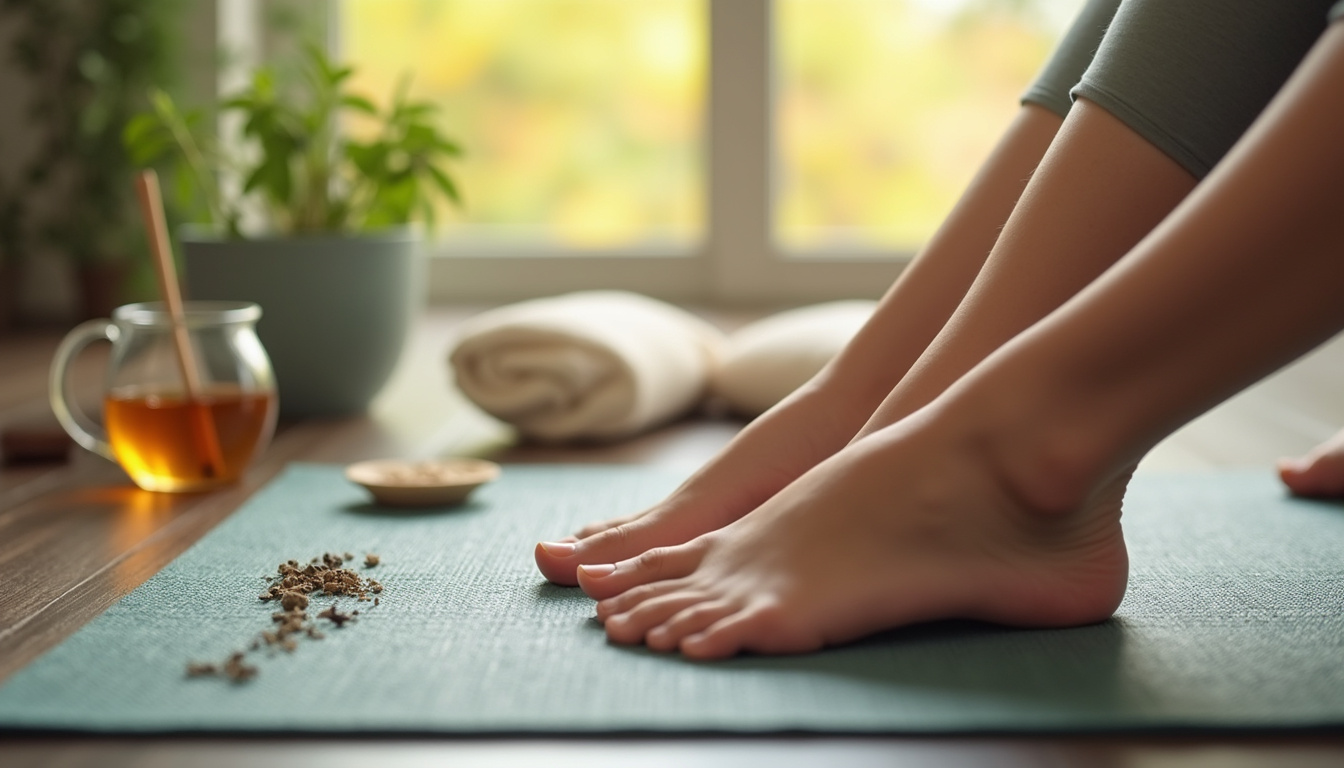
6. Nutrition support: How Regenerix Gold fits into a bone spurs relief strategy
No pill or powder can remove bone spurs. Yet many Americans with long-term knee pain seek nutrition‑based support. This is where Regenerix Gold comes in.
What is Regenerix Gold?
Regenerix Gold is a supplement made for those who want to support healthy knee joints and muscles. It is built on these ideas:
- Nutrition-focused: It supplies nutrients and bioactive compounds rather than acting like a drug.
- Recommended by professionals: Many doctors and physical therapists include it in plans with exercise, weight management, and joint-friendly habits.
- Tested over time: It has supported many people worldwide for more than a decade, with positive reviews from those with joint pain and stiffness.
Why people with bone spur-related knee issues consider supplements
People describe their knees as “crunchy” or “fragile” because of bone spurs. In these cases:
- Extra nutritional support for joints and muscles may help.
- Non‑prescription options are appealing when added to home care.
- People may wish to avoid invasive treatments for as long as it is safe, with guidance from a clinician.
Regenerix Gold is aimed at proactive people. Those who use it combine movement, healthy lifestyle choices, and targeted nutrients.
Always talk with your healthcare provider before starting any supplement, especially if you take medications, are pregnant, nursing, or have other health conditions.
Regenerix Gold
7. Putting it all together: a home routine for stubborn knee pain
Here is a sample day if you use these home treatments:
-
Morning
- Use gentle heat for 5–10 minutes with a warm shower.
- Do simple range‑of‑motion drills for the knee.
- Stretch your hamstrings and calves lightly.
-
Daytime
- Walk in short bursts (5–10 minutes) on a flat surface several times a day.
- Take breaks from sitting so your knee does not freeze up.
- Wear supportive shoes and use joint‑friendly methods at work.
-
Evening
- Do strength exercises like straight leg raises, seated knee extensions, and glute squeezes 2–3 times a week.
- Use a cold pack if your knee feels hot or irritated after activity.
- Follow your daily nutrition plan, including any supplements like Regenerix Gold approved by your clinician.
With a consistent routine, many notice that good days begin to outnumber bad days.
FAQ: Home relief options for bone spurs and knee joint discomfort
Q1: What helps bone spurs in the knee feel better without surgery?
A1: Many people get relief when they combine low‑impact exercise, focused stretching, joint‑friendly strengthening, weight management if advised, smart heat and cold use, and nutritional supplements. These methods do not remove bone spurs. They only help make movements like standing, walking, and using stairs easier. Always work with a licensed professional to ensure your plan is safe.
Q2: Can bone spurs go away with home remedies?
A2: Bone spurs usually do not disappear on their own. However, the symptoms—grinding, stiffness, and soreness—can be eased with steady home care, lifestyle changes, and nutrition support. The focus is on improving joint function and comfort rather than “dissolving” the spurs.
Q3: Are there natural ways to support joints when living with bone spurs?
A3: Yes. Natural support includes low‑impact movement, stretching, strengthening, weight control if needed, joint‑friendly footwear, and supplements like Regenerix Gold. These support your joints and muscles. They complement, but do not replace, professional guidance.
Why now is the right time to act on your knee pain
You may plan your day around your knee pain. You avoid long walks, fear stairs, and choose seats carefully. You also worry about future medical bills, missed work, or the loss of your current lifestyle.
Do not wait until pain worsens.
Start with a strong home routine built on gentle movement, targeted strengthening, smart use of heat and cold, and joint‑friendly habits. Add nutrition‑based support like Regenerix Gold when your clinician agrees. This approach helps you manage the problem instead of chasing flare‑ups.
If you are someone who:
- Wants to stay ahead of joint problems rather than reacting to them,
- Knows that medical care is expensive and sees prevention as an investment,
- Feels proud of being health‑savvy and informed,
…then consider adding a bottle of Regenerix Gold to your plan (with your clinician’s approval). Many people worldwide have used it for over a decade with good results.
Talk with your healthcare provider, fine‑tune your home routine, then try Regenerix Gold to see its benefits for yourself. Your future self—still moving, working, and living life on your terms—may thank you.
Health Note
Always consult a licensed medical doctor for your health issues.
Special Discount
If you prefer preventive nutrition to minimize expensive knee surgery and potentially addictive pharmaceuticals, Regenerix Gold is your savvy solution.
You qualify for a special discount.
Simply use the link below and a discount will automatically be applied during checkout.
Get Regenerix Gold => HERE


