
Cartilage thickness: How to Measure, Improve, and Protect Joint Health
由 Zestora 上 May 02, 2026

If you feel grinding, stiffness, or a “bone-on-bone” ache in your joints, you wonder about your cartilage thickness.
That cushiony, smooth layer sits right between your bones. It lets you bend, squat, walk, and climb stairs without joint surfaces feeling rough like sandpaper.
Understanding what cartilage thickness means, how experts measure it, and how you can support healthy joints gives you more control over your body.
This guide helps people in America who live with daily joint twinges, morning stiffness, and that familiar “creaky” feeling. It offers practical, real ways to protect your joint health.
What Is Cartilage Thickness and Why Does It Matter?
Cartilage is a slick, rubbery tissue that covers the ends of your bones.
Cartilage thickness means how deep or “full” that cushion really is.
When your cartilage is healthy, you usually notice:
- Less grinding or catching when you move
- Smoother, more fluid motion
- Less soreness after activity
- Less of that “shocking” pain when stepping off a curb or going downstairs
When the cartilage thins, people often say they feel:
- A crunchy or gravel-like sensation in the knees
- Pain when going downstairs or downhill
- Stiffness after sitting for a long time
- A feeling that there is “no padding left” in some joints
Cartilage has no blood supply of its own. This fact means it does not heal as fast as muscle or skin. That is why it is crucial to support your cartilage thickness early, before you feel serious wear.
How Is Cartilage Thickness Measured?
You cannot check your cartilage thickness by just looking in the mirror or by flexing.
Doctors use imaging tests and motion checks to see a clear picture.
1. MRI (Magnetic Resonance Imaging)
MRI is the most common test to measure cartilage thickness in detail. It shows:
- The depth of cartilage in each joint area
- Whether the cartilage appears smooth or ragged
- How evenly the cartilage covers the joint surface
MRI works well for knees, hips, and ankles when joint pain, catching, or locking problems occur.
2. Ultrasound
Musculoskeletal ultrasound is now common in sports and orthopedic clinics. It can:
- Show cartilage layers in joints near the surface, like the knees
- Display fluid builds-up and soft-tissue issues
- Work in real time while you move
Although not as detailed as MRI, it is more accessible and lower in cost. It still gives a good sense of cartilage thickness and the joint environment.
3. X-Ray (Indirect Measure)
Standard X-rays do not show cartilage directly. They show the space between bones.
When joint space looks narrow, doctors infer that the cartilage may be reduced.
X-rays display:
- The overall width of the joint space
- Changes over several years
- Alignment issues (like knock knees or bow legs) that can stress the cartilage
4. Movement and Functional Tests
Good doctors and physical therapists also check signs like:
- How easily you squat, stand, or climb stairs
- If you favor one side of the body
- Your range of motion and joint stiffness
- The strength in the muscles around the joint
When these functional signs combine with imaging results, you get a clearer view of your cartilage and joint health.
Can You Improve Cartilage Thickness?
Cartilage is not like a muscle that you can easily “build up.”
Yet, you can support its environment to keep it healthy and slow down its wear.
There are three main levers you can use:
- Mechanical support – how you move and load your joints
- Nutritional support – what building blocks you give your body
- Lifestyle support – the habits you follow each day
None of these choices serve as a magic cure or a substitute for personalized advice from a doctor. And while supplements cannot claim to treat or reverse disease, these strategies are body-friendly ways to care for your cartilage.
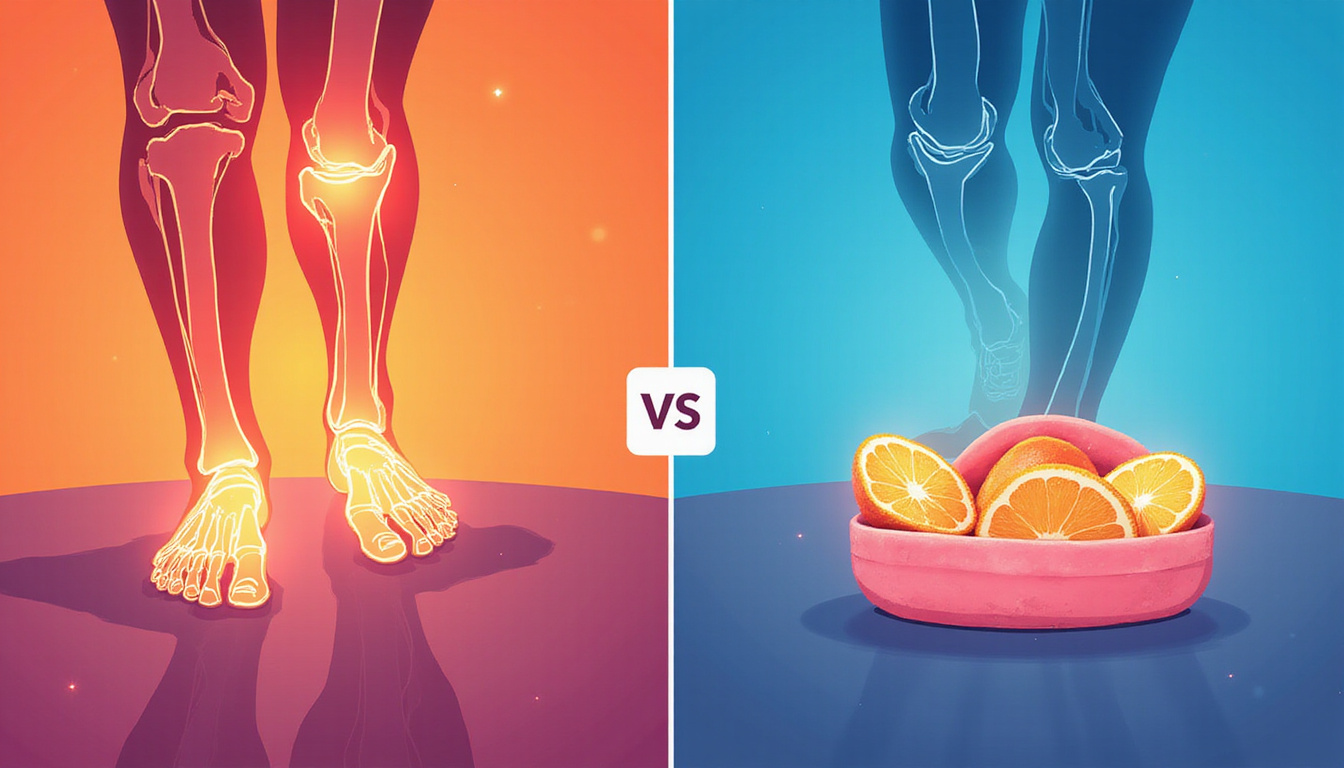
Mechanical Support: How Movement Affects Cartilage Thickness
Cartilage loves gentle, rhythmic motion. It suffers when overloaded with constant twisting or heavy stress.
Think of it like a sponge that gets fed when it is compressed and then released the right way.
Joint-Friendly Activities
Low- to moderate-impact movement helps joint fluid carry nutrients and supports cartilage. Try to pick activities that ease life for your joints. For example:
- A brisk walk on flat surfaces
- Cycling or using a stationary bike
- The elliptical trainer
- Swimming or water aerobics
- Light-to-moderate resistance training
Aim to move your joints through a comfortable range most days. If your knees or hips hurt, water-based exercises can feel much kinder.
Strengthening the “Shock Absorbers”
Strong muscles around your joints ease the load on your cartilage. Key muscle groups include:
- For knees: the quadriceps, hamstrings, glutes, and calves
- For hips: the gluteal muscles and hip rotators
- For your spine: the core and back muscles
- For shoulders: the rotator cuff and upper back muscles
A physical therapist can show you exercises that do not worsen your symptoms while building protective strength.
Avoiding “Cartilage-Unfriendly” Habits
If your joints already feel burdened, try to:
- Limit repetitive deep squats and lunges on hard surfaces
- Avoid sudden, high-intensity workouts after long periods of inactivity
- Be cautious when lifting heavy things without proper form
- Listen to your body when pain lingers or worsens after movement
Your joints may ask for smarter loading instead of just pushing through pain.
Nutritional Support for Healthy Cartilage Thickness
Healthy cartilage needs a good joint environment. In your joints, high-quality fluid, the right nutrients, and balanced inflammation all play a role.
Food and supplements will not regrow cartilage.
Many people with joint discomfort choose nutritional strategies to support joint structure and comfort.
Everyday Nutrition Habits
These overall eating habits can support joint health:
- Colorful produce like berries, leafy greens, and peppers. They provide antioxidants and phytonutrients.
- Healthy fats from fatty fish, walnuts, and olive oil support overall wellness.
- Adequate protein from lean meats, eggs, beans, dairy, or soy boosts muscle and tissue health.
- Keeping a stable body weight. Even modest weight management can reduce pressure on your knees and hips (source: Arthritis Foundation).
Drinking enough water also helps maintain the quality of the joint fluid that bathes your cartilage.
Regenerix Gold: Nutrition-Based Support for Joints and Muscles
For many who feel grinding and stiffness most days, food alone may not be enough.
This is where a well-formulated joint supplement fits into your overall joint-care plan.
Regenerix Gold is a nutrition-based solution for people who want healthy joints and muscles. It is not a drug and does not claim to diagnose, treat, cure, or prevent any disease.
It provides targeted nutrients that support the structures needed for joint comfort and function.
Why People With Joint Issues Choose Regenerix Gold
Many describe their knees as “creaky,” their hips as “tight,” or their hands as “stiff in the morning.”
They look for a supplement that:
- Works alongside advice from their doctor or physical therapist
- Focuses on nutrition and tissue support, not just on masking symptoms
- Comes with a good track record from real-world users
Doctors and physical therapists have recommended Regenerix Gold for a comprehensive approach. Over a decade, users internationally report that they:
- Feel more comfortable moving during the day
- Experience less soreness after daily tasks
- Believe their joints are better supported
Everyone’s experience will differ. Supplements can take time to show benefits. Yet if you already work on better movement and joint care, Regenerix Gold makes sense as a nutritional add-on.
Lifestyle Choices That Help Protect Cartilage Thickness
Apart from movement and nutrition, your daily habits shape your joint health over time.
Smart Joint Protection
You do not have to protect your joints like fragile glass.
Simple changes can help, such as:
- Using handrails when you climb stairs if your knees or hips hurt
- Wearing supportive shoes instead of flat, worn-out ones
- Using knee pads or cushions if your work or hobbies involve kneeling
- Taking short movement breaks if you stand or sit for long periods
Sleep and Recovery
People with joint discomfort often say nights and mornings are hardest.
Quality sleep helps your body recover. Try to:
- Keep a regular bedtime and wake-up time
- Use pillows to support your knees or hips when you sleep on your side
- Do gentle stretches before bed instead of heavy workouts
Managing Whole-Body Stress
Ongoing stress can make joint pain feel worse.
Gentle practices like outdoor walks, breathing exercises, or light yoga can help lower both stress and stiffness.
A Simple Joint-Friendly Routine
If you are unsure where to begin, here is a basic daily plan to support cartilage thickness and joint comfort:
-
Morning:
- Spend 5–10 minutes on gentle moves: knee bends, hip circles, and shoulder rolls.
- Drink a glass of water with a protein-rich breakfast.
- Take your chosen joint-support supplement, like Regenerix Gold.
-
Midday:
- Take short walks if you sit for long periods.
- Check your posture and do light stretching.
-
Evening:
- Enjoy a light, joint-friendly activity (walking, cycling, or swimming) most days.
- Do gentle stretches or foam rolling for tight muscles.
- Hydrate well and relax to prepare for sleep.
This routine gives your joints both mechanical and nutritional support over time.
FAQ: Cartilage Thickness and Joint Support
-
Can cartilage thickness increase naturally?
Your body remodels tissues all the time. Once cartilage thins noticeably, it usually does not bounce back like muscle. You can help by moving in joint-friendly ways, managing your weight, eating balanced nutrition, and using targeted supplements such as Regenerix Gold. Always talk with your healthcare provider for advice. -
What is a normal knee cartilage thickness?
There is no single “normal” number. It varies by age, genetics, gender, and which knee area is measured. Doctors compare cartilage thickness and joint space relative to your age and symptoms. The key question is whether your cartilage supports you for comfortable daily movement. -
Which foods and supplements support healthy cartilage thickness?
Foods high in antioxidants, healthy fats, and enough protein support joint tissues. Many people choose joint-support supplements that offer nutrients for cartilage, joint fluid, and the muscles around the joint. Regenerix Gold is one such nutrition-based supplement, recommended by doctors and physical therapists for joint and muscle health. Supplements do not diagnose, treat, cure, or prevent disease and work best as part of a plan that includes movement, nutrition, and professional advice.
Take Control of Your Cartilage Health—Before Your Joints Decide for You
Living with daily joint pain, grinding, or stiffness can feel like your independence is slowly fading.
Ignoring these signs may lead to bigger medical bills, more work absences, and fewer options for your favorite activities.
You do not have to wait until an MRI shows severe cartilage loss to act.
Start protecting what you have now through smarter movement, good nutrition, and targeted joint support.
If you want to act now rather than wait for a crisis, consider adding Regenerix Gold to your routine.
This nutrition-based supplement comes recommended by doctors and physical therapists. Used internationally for over a decade, it helps many people maintain joint and muscle health.
Buying a bottle today is a small step compared to the cost—both personal and financial—of letting joint pain limit your life.
Give yourself a chance to support your cartilage and joints from the inside out and stay the active person who moves with confidence rather than caution.
Special Discount
If you prefer preventive nutrition to minimize expensive knee surgery and potentially addictive pharmaceuticals, Regenerix Gold is your savvy solution.
You qualify for a special discount.
Simply use the link below and a discount will automatically be applied during checkout.
Get Regenerix Gold => HERE


