

Long days on the tractor bounce you hard. You climb in and out of the pickup. You wrestle hay bales, walk rutted fields, and work cattle. All this work brings on one pain: farmers knee.
That deep ache at day’s end or the sharp twinge when you leave the hay wagon can make even the strongest hand pause before climbing back in the cab.
This guide speaks plain for American farmers and ranchers. It shows practical ways to ease knee and leg pain. It builds your joint strength and gives you prevention tips you can use today.
What is “farmers knee” in everyday terms?
“Farmers knee” is not a medical cure. It is the term we use for the pain in your knees and legs that comes from a life spent:
- Squatting to pull calves or fix equipment
- Climbing bins, ladders, and gates
- Walking over uneven pastures and plowed ground
- Jumping on and off tractors, combines, and flatbeds
- Standing for hours when sorting, branding, or at the sale barn
Over many years, this constant pounding and twisting leaves your knees:
- Stiff first thing in the morning
- Sore after riding the tractor or semi
- Weak when you stumble over a hole or a bale
- Clicky or cranky when you climb steps or loader tires
The good news is clear. With the right exercises, good daily habits, and strong joint nutrition, many farmers and ranchers keep moving and stay ahead of farmers knee.
Why farmers and ranchers are hard on their knees
Unlike desk jobs that let you sit on a padded chair, you sit on a tractor seat, a loader bucket, or a saddle. The earth is your office.
These stressors lead to farmers knee:
- Hours in the cab: Vibration and a fixed position stiffen your knees and hips.
- Heavy lifting: Lifting feed sacks, mineral tubs, fence posts, salt blocks, seed, and chemical boxes strains your joints.
- Twisting loads: Carrying a calf, swinging gates, or handling augers torques your knee.
- Uneven terrain: Holes, ruts, frozen ground, and loose gravel force your stabilizing muscles to work hard.
- Sudden bursts: Sprinting after livestock or jumping off equipment shocks your knee.
You might shrug this off as “just part of the job.” But worn-out knees can harm:
- Your ability to work
- Your income (lost time, extra help, medical bills)
- Your independence and long-term farm plans
That is why you treat farmers knee like you do your machinery. Both need regular care.
Simple warm-up: 5 minutes before chores to protect your knees
Think of this warm-up as “greasing the fittings” on your body before you start the day. Do these moves before heavy work, planting, harvest, moving cattle, or long work on your feet.
1. Gate-post knee swings (1–2 minutes)
Hold a gate, wall, or the side of the pickup.
- Stand tall on your left leg.
- Let your right leg swing forward and back, easy and loose like a pendulum.
- Do 15–20 swings, then switch legs.
This move warms your hips and bends your knee gently without harsh impact.
2. Calf pump at the bumper (1 minute)
Stand near a truck bumper or barn wall.
- Keep your knees straight.
- Rise onto your toes, then slowly lower down.
- Do 15–20 reps.
Strong calves ease the strain on your knees when you walk on slopes or uneven ground.
3. Easy barn-rail squats (1–2 minutes)
Use a sturdy rail, gate, or feeder.
- Keep your feet shoulder-width apart and hold the rail with both hands.
- Shift your hips back as if you sit into a chair; bend your knees, but do not push them past your toes.
- Go only as low as feels safe. This is not a gym squat.
- Stand back up.
- Do 10–12 slow reps.
This move wakes up the big leg muscles so your knees share the load.
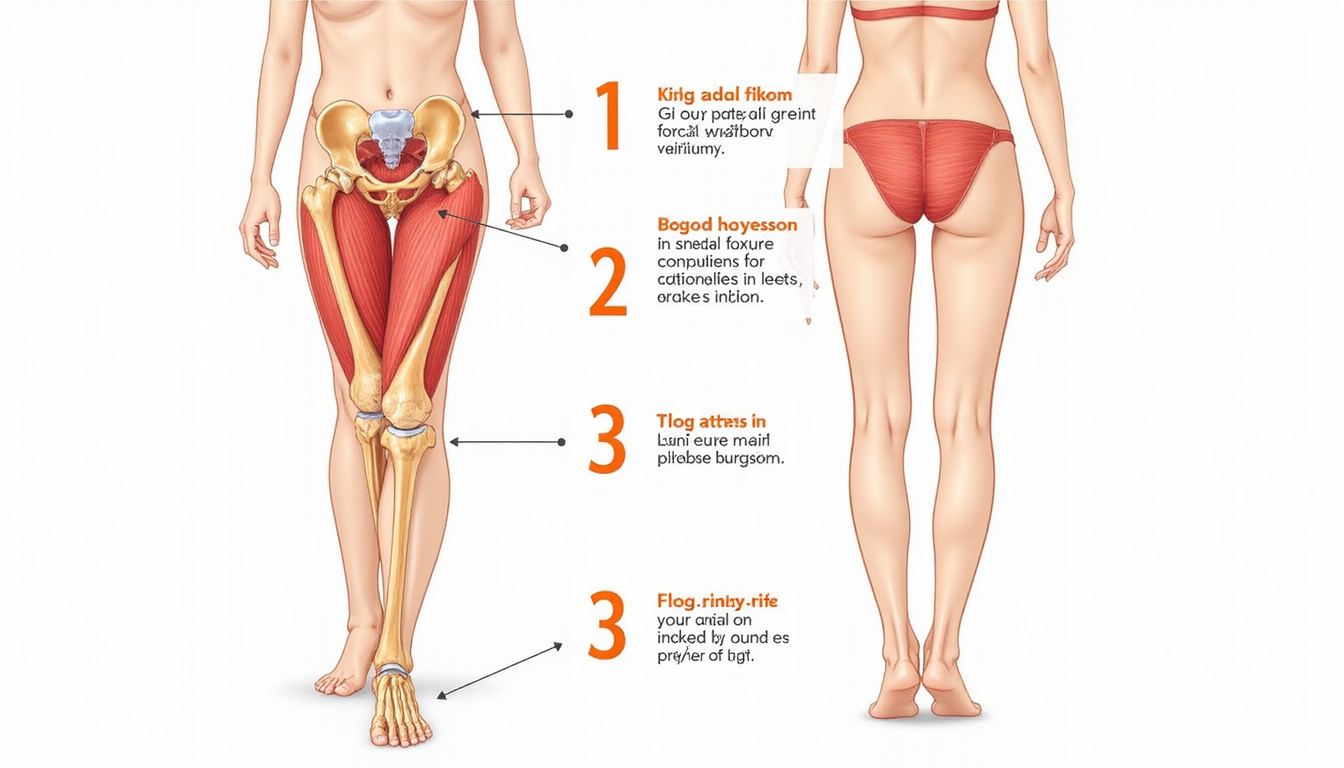
Strength exercises to keep farmers knee in check
Do these moves 3–4 times per week. They are built for the farm, need no fancy gym, and take 10–15 minutes.
1. Heel-to-butt kicks for knee mobility
- Stand and hold a fence or tractor for balance.
- Bend your right knee and bring your heel toward your backside.
- Hold for 1–2 seconds, then lower your foot.
- Do 15 reps on each leg.
This move loosens the front of your thigh so your knee moves smoothly.
2. Wall sit “truck tire hold”
- Stand with your back against a barn wall or shop wall.
- Step your feet out and slide down until your knees form a 90‑degree angle—as if you sit on an invisible bucket.
- Keep your knees over your ankles; do not let them cave in.
- Hold for 20–30 seconds, rest, then repeat 2–3 times.
This move builds the front thigh muscles that stabilize your knee during heavy work.
3. Step-ups on a bale or block
Use a sturdy hay bale, step, or low block.
- Place your right foot on the bale or step.
- Press through your heel to step up and bring your left foot up.
- Step back down with the left leg first.
- Do 10–15 reps, then switch the lead leg.
This mimics climbing machinery and builds safer, stronger steps into tractors, trucks, and combines.
4. Side leg raises for “fence-walking” strength
- Lie on your side on a mat or firm bed indoors.
- Keep your bottom leg bent and your top leg straight.
- Lift the top leg to about a 45‑degree angle, keeping your toes forward.
- Do 15 reps per side for 2 sets.
These moves strengthen the “fence line muscles” that help protect your knee when you step sideways.
Stretching routine to cool down sore knees after work
At the end of the day, after you check waterers and gates, take 5 minutes to stretch your knees and legs.
Hamstring stretch on the tailgate
- Sit on the tailgate or a sturdy bench.
- Extend one leg so the heel stays on the ground.
- Keep your back straight. Lean forward from the hips until you feel a stretch in the back of your thigh.
- Hold for 20–30 seconds, then switch legs.
This stretch eases tension behind the knee and in your lower back.
Quad stretch at the corral fence
- Stand facing a fence; hold it for balance.
- Grab your right ankle or pant leg behind you.
- Gently pull your heel toward your backside until you feel a stretch in the front of your thigh.
- Keep your knees together.
- Hold for 20–30 seconds, then switch legs.
This stretch supports a smooth knee bend and lessens tightness in the front of your knee.
Calf stretch against the wall
- Stand facing a wall or gate post.
- Step one foot back so your heel stays on the ground, while your front knee bends.
- Lean into the wall until you feel a stretch in the calf of the back leg.
- Hold for 20–30 seconds per side.
Good calf mobility eases strain on your knees and ankles when you work on slopes or uneven ground.
Everyday prevention tips for farmers knee
These tips are as solid as the common sense you use for your machinery and livestock.
-
Rotate tasks when you can
If you spend hours on your feet, swap to a job in the cab or vice versa. Changing positions can give your knees a break. -
Use steps, not jumps
Always use the built-in steps on your tractor, combine, or truck. Avoid jumping off tailgates, flatbeds, or hay wagons, as that pounds your knees like heavy rock on concrete. -
Wear real work boots with support
Select quality boots with solid arch support and cushioning. Worn‑out soles are like bald tires on a heavy load. -
Mind the ruts and holes
In fields and pastures, avoid deep ruts or badger holes. A bad twist can set your farmers knee back for weeks. -
Use knee pads when kneeling a lot
When you work on low equipment, near fencing, or crawl in pens, padded kneelers or strap‑on knee pads help protect the joint. -
Keep body weight in a healthy range
Extra pounds are like overloading a trailer. Your knees feel the excess weight. Even modest weight control reduces daily joint strain (source: Arthritis Foundation).
Supporting joint health from the inside
How you support your body from within is as important as your physical habits outside.
Many farmers and ranchers now:
- Eat whole foods—lean beef, poultry, eggs, beans, and vegetables.
- Drink plenty of water—choose water over just coffee and pop.
- Use high‑quality dietary supplements for joint and muscle support.
Supplements cannot claim to treat, cure, or prevent disease. Still, some ingredients help support:
- Normal cartilage structure and joint lubrication
- Comfort during everyday wear and tear
- Healthy muscle function and faster recovery after hard work
Always read supplement labels and talk with a healthcare professional—especially if you use medications or have health concerns—to pick what is best for you.
Regenerix Gold: a joint and muscle supplement for working landowners
If you look for more than just enduring the pain, Regenerix Gold is a premium dietary supplement. It is made to support healthy joints and muscles for those whose work depends on mobility and strength.
Farmers and ranchers may find it useful for:
- Supporting smooth movement during long days in the cab or on your feet
- Strengthening your knees, hips, and shoulders when you wrestle livestock or swing gates
- Helping you feel ready for tomorrow instead of only having survived today
Regenerix Gold is not a drug. It is not meant to diagnose, treat, cure, or prevent any disease. It is meant to support your body’s natural joint and muscle health, along with a balanced diet and an active lifestyle.
Regenerix Gold
FAQ about farmers knee and joint support
1. What is farmers knee pain and when should I be concerned?
Farmers knee pain is the usual soreness or stiffness in your knees from farm or ranch work—climbing on machinery, walking in fields, or lifting heavy loads. If the pain feels sharp, persists, stops you from doing chores, or if your knee swells or gives out suddenly, see a healthcare professional for a proper check.
2. Can farmers knee exercises really help my joints?
Yes. Simple, targeted farmers knee exercises build leg strength and flexibility. When your thigh, hip, and calf muscles are strong, they share the work with your knees. Start slowly, maintain good form, and keep a consistent routine.
3. Are supplements useful for farmers knee problems?
While supplements cannot replace medical care or promise to fix farmers knee problems, a high‑quality joint and muscle formula may support overall joint comfort, flexibility, and muscle function. Many landowners combine smart movement, better habits, and a trusted supplement like Regenerix Gold to support long‑term mobility. Always check with a healthcare professional before starting any new supplement.
Take care of your knees like you take care of your best tractor
Knee trouble can slow you down in the busy season, force you to hand off jobs, or pile up unplanned bills. Just as you never skip greasing bearings or checking oil, you should not ignore farmers knee.
By adding a few simple exercises to your daily routine, watching how you climb, lift, and walk, and supporting your body with quality food and supplements, you put yourself in a better position to work. This way, you can keep ranching or farming on your own terms.
For farmers and ranchers who plan ahead and know the true cost of downtime—Regenerix Gold is a smart, proactive support for healthy joints and muscles. It suits landowners who want to keep running their place instead of sitting on the sidelines. It is for anyone who wants to stay active and independent while keeping future medical costs and work worries low.
Your operation depends on you staying strong. Your knees have carried you this far—now it is time to care for them in return.
Health Note
Always consult a licensed medical doctor for your health issues.
Special Discount
If you prefer preventive nutrition to minimize expensive knee surgery and potentially addictive pharmaceuticals, Regenerix Gold is your savvy solution.
You qualify for a special discount.
Simply use the link below and a discount will automatically be applied during checkout.
Get Regenerix Gold => HERE


