

If your knee is acting up, each stair, curb, or bathroom trip turns into an obstacle.
A hands free crutch changes everything when your knee will not cooperate. It helps you move without loading that sore leg. If you have tried regular crutches and felt clumsy, exhausted, or even scared of a slip, you are not alone – there are better choices.
This guide explains how a hands free crutch works, who it helps most, a few tips to avoid falls and frustration, and a nutrition option – Regenerix Gold – that supports healthy knee joints and muscles from within.
Why a hands free crutch feels so different from regular crutches
If you have already used typical underarm crutches, you know the challenges:
- Sore armpits
- Wrist and hand pain
- Sweaty palms and fear of slipping
- No free hands for coffee, kids, or carrying anything
A hands free crutch straps to your lower leg (usually the shin and knee). It lets you rest your knee on a padded platform while keeping weight off your knee, ankle, or foot. Your thigh and hip do more work, and your arms are free.
People often say:
- “It felt more like a peg leg than a crutch.”
- “I could carry my laptop and coffee again.”
- “My arms and shoulders finally got a break.”
It is not magic. You need balance and practice. But for many with sensitive knees, it is a more workable option than hopping on regular crutches.
Are you a good candidate for a hands free crutch?
Before you choose one, check that it makes sense for you. You should speak with your healthcare professional about any mobility device. This is especially important if your provider gave you strict rules about weight on your leg.
People who often do well with a hands free crutch:
- Need to keep weight off the lower leg, ankle, or foot
- Have enough strength in the hip and the other leg to balance
- Do not have major balance problems, dizziness, or serious back issues
- Want more mobility at home, work, or outside
Sometimes, a hands free crutch may not be ideal:
- Your knee or shin must not be loaded at all
- You have serious knee instability in the leg that would be strapped
- You struggle with vertigo, poor balance, or frequent falls
- You live in a tight, cluttered space with many trip hazards
If these points apply, a walker, regular crutches, knee scooter, or even a wheelchair for short periods may be safer. Your healthcare professional can guide your decision.
How to fit a hands free crutch so your knee does not hurt
Many give up on these devices when they do not fit well. A poor fit makes you feel wobbly, overworks your good leg, and leaves your knee feeling twisted.
Step‑by‑step fitting basics
-
Adjust the height
The knee platform must let your injured leg bend at a 90‑degree angle with your thigh parallel to the floor. -
Align your knee
Your kneecap should sit right in the center of the pad. It should not hang or twist to one side. -
Secure the straps
Straps must be snug, not too tight. If your toes tingle or your leg turns red, loosen them. -
Check your hips and back
When you stand, your hips should not lean to one side. If your lower back starts to hurt, the device might be too high. -
Test short distances first
Walk next to a counter or a wall to hold on if needed. Take small, slow steps and focus on balance.
If something feels sharp, unstable, or “wrong,” stop, adjust the device, or ask a physical therapist or orthopedist for help.
Expert walking tips: move more and stress your knee less
Once your hands free crutch is ready, good technique is key. Here are some clear tips that many with knee issues find helpful:
1. Start on flat, clear ground
Work in your kitchen, a hallway, or on a flat driveway. Remove throw rugs, stray shoes, pet toys, and cords. A clear space builds your confidence.
2. Use a “step‑through” rhythm
Keep it simple:
- Step with your good leg
- Swing your crutch leg to meet it
- Repeat
Do not hop or take large lunging steps. Small, steady steps are easier on your joints and your energy.
3. Do not lock your good knee
If your good knee feels tired, do not lock it straight. Keep a slight bend and let your hips and glutes help carry the load.
4. Stairs: only with a pro’s approval
If your provider allows stairs:
- Upstairs: Step with your good leg first, then bring the crutch leg up
- Downstairs: Position the device first, then step down with your good leg
Always use the handrail. If your provider advises against stairs with any assistive device, follow that rule.
5. Take “reset breaks”
If your lower back or good leg acts tired, sit down for a break. Unstrap, shake out your legs, and stretch gently. Over-fatiguing your good knee is a common mistake.
Protecting your “good” knee when your bad knee acts up
Many worry: “If I overuse my good knee, what if it fails too?”
This worry is valid. A hands free crutch shifts some effort from your arms, but your good leg still does much work.
To ease stress on your good knee:
- Wear cushioned, supportive shoes with good grip
- Avoid long times on hard concrete floors
- Use a stool or tall chair for tasks like cooking or brushing teeth
- Keep your core tight so your back and hips share the load
- Do low‑impact strengthening (with your provider’s approval) for hip and thigh muscles
Supporting your joints and muscles from the inside can also help.
Regenerix Gold: Nutrition support for healthy knee joints and muscles
Mobility aids like a hands free crutch help you move. Many people also want to support their joints and muscles with nutrition so that they can stay active with confidence.
Regenerix Gold is a nutrition‑based supplement for healthy knee joints and muscles. It is not a drug. It is not meant to diagnose, treat, cure, or prevent any disease. Instead, it gives your body targeted nutrients to support:
- Smooth joint movement
- Muscle performance around the knee
- Overall joint function in the lower body
Regenerix Gold has earned praise from doctors and physical therapists. For over a decade users around the world have trusted it as they work, care for their families, and keep doing the things that matter.
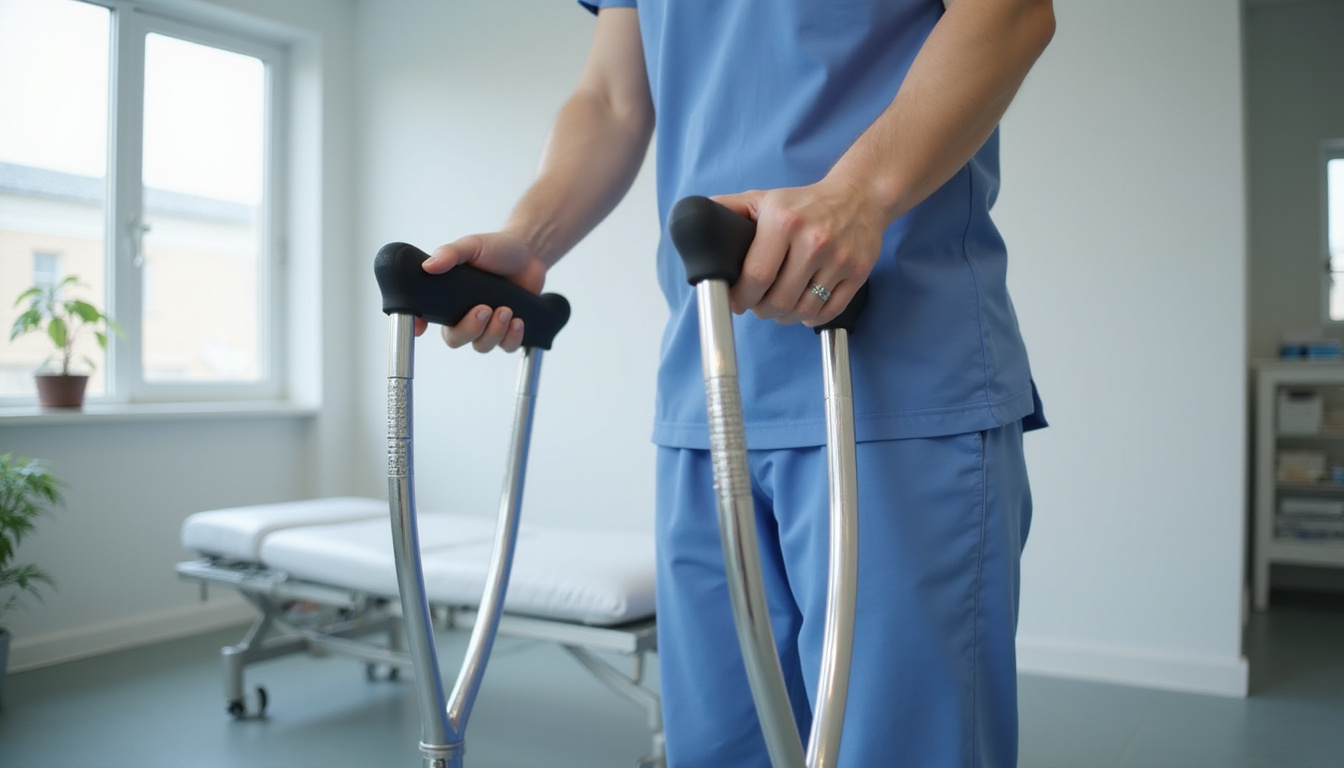
Here is the requested video embed:
<iframe width="560" height="315" src="https://www.youtube.com/embed/mGrH5UWFxUs?si=enLOx67aeklAOHfA" title="Regenerix Gold Video" frameborder="0" allow="accelerometer; autoplay; clipboard-write; encrypted-media; gyroscope; picture-in-picture; web-share" referrerpolicy="strict-origin-when-cross-origin" allowfullscreen></iframe>
Because it is nutrition‑based, Regenerix Gold fits with lifestyle choices like using a hands free crutch properly, doing your rehab exercises, and watching your body weight and activity level.
Always talk with your healthcare professional before you try a new supplement, especially if you are pregnant, nursing, have a medical condition, or take other medications.
Simple daily habits to pair with your hands free crutch
You get more benefit from your device and your knees when you add joint‑friendly habits.
1. Joint‑smart movement
With your provider’s approval, focus on:
- Gentle range‑of‑motion exercises for both knees
- Light strengthening for the hips and thighs
- Short, frequent walks instead of long, tiring ones
2. Weight and load management
A modest weight loss can ease pressure on your knee joints (source: Arthritis Foundation). Combined with a hands free crutch, smart weight management makes you feel more stable and less overworked on your good leg.
3. Rest, ice, and pacing
When your knee aches after long use of your hands free crutch, take care:
- Sit or lie with the leg raised
- Use cold packs as advised by your provider
- Break your day into chunks instead of long hours of standing
4. Supportive nutrition
Along with a balanced diet:
- Stay well-hydrated
- Get enough protein to support muscles around the knee
- Ask your doctor about joint‑support supplements like Regenerix Gold to keep knee comfort and function
Common mistakes people make with hands free crutches
Avoid these pitfalls that lead to frustration or falls:
-
Rushing the learning curve
Allow a day or two of clumsy steps. Give yourself time to practice in a safe space. -
Ignoring pain signals
If your strapped leg or good knee hurts, adjust the fit, form, or the time you stand. -
Wearing slick socks or shoes
Slippery footwear on uneven surfaces is dangerous when your balance is already tested. -
Carrying too much
Even though your hands are free, heavy backpacks or grocery bags can throw you off balance. -
Skipping professional input
A quick session with a physical therapist can greatly boost your technique and confidence.
Quick checklist: getting the most from your hands free crutch
Use this list every day:
- [ ] Device fits so that your hips are level and your knee is comfortable
- [ ] Straps are snug but do not cut circulation
- [ ] Home floor space is clear of clutter and trip hazards
- [ ] You wear shoes with good grip and cushioning
- [ ] You do short practice sessions until movement feels natural
- [ ] You combine smart movement, rest, and joint‑supportive nutrition
- [ ] You consider a supplement like Regenerix Gold with provider approval to support healthy knee joints and muscles
FAQ: Hands Free Crutch Questions People with Bad Knees Ask
-
Is a hands free crutch better than regular crutches for knee issues?
A hands free crutch can feel better because it frees your hands, removes pressure from your wrists and underarms, and reduces strain on your shoulders. What is best depends on your knee, your balance, and your doctor’s advice. -
Can I use a hands free crutch all day at work?
Some people use it all day, especially if their job allows short breaks. The key is pacing. Change between standing, walking, and sitting. Listen to your knees and lower back. Discuss a safe plan with your provider or physical therapist. -
What should I look for when buying a hands free crutch?
Choose a model with adjustable height, good padding for the knee and shin, secure straps, and solid reviews from others in your situation. Make sure it fits your height and weight. Ask your healthcare professional or PT for advice.
Take the next step: Protect your knees, your independence, and your wallet
Relying on a sore, unreliable knee can drain your energy and confidence and even cost you more in the long run. Using a well‑fitted hands free crutch and smart daily habits helps you stay active and independent.
Adding a nutrition‑focused joint supplement like Regenerix Gold shows that you plan ahead. It supports healthy knee joints and muscles now instead of waiting until pain forces your hand. Many doctors and physical therapists recommend it. Users around the world trust it to keep moving without knee problems dictating their every step.
If you want to stay independent, work without worry, and avoid higher costs from limited mobility, consider trying Regenerix Gold. It is a simple, proactive step for your joint health, instead of hoping your knees will always hold up.
Health Note
Always consult a licensed medical doctor for your health issues.
Special Discount
If you prefer preventive nutrition to minimize expensive knee surgery and potentially addictive pharmaceuticals, Regenerix Gold is your savvy solution.
You qualify for a special discount.
Simply use the link below and a discount will automatically be applied during checkout.
Get Regenerix Gold => HERE


