

If you are a former athlete in America, joint instability is not just a phrase. It is the “give-way” in your knee on the stairs, the shoulder that slips when you reach up, or the ankle that does not trust the ground after cuts, pivots, and landings. You no longer play for a contract, yet your body still recalls each sprint, collision, and two-a-day.
This guide is for retired and former athletes. It gives fast, practical tips to stabilize joints, keep you moving well, and support long-term musculoskeletal health. It does so without pretending you have never taken a hit.
────────────────────────────── What joint instability really feels like to former athletes
You may know the textbook definition of joint instability: a reduced ability of the joint to hold proper alignment under load. In life, it shows up as:
• A knee that “bails” or “buckles” when you slow down.
• A shoulder that feels loose when you throw, press, or reach.
• An ankle that rolls as soon as you leave flat ground.
• Hips or a low back that feel unsteady when you change direction.
You might see these signs:
• Repeated tweaks or near sprains under low loads
• A feeling that the joint never feels locked after warm-up
• Clicking, catching, or shifting during certain moves
• Unintentional guarding or over-bracing on one side
• Frequent swelling or stiffness after workouts or games
This is not a sign of a broken body. It means that the joint and its tissues do not work together as they once did. The good news is that you can train them to work better.
────────────────────────────── Why former athletes often face joint instability
Your body took a lot of wear and tear in your 20s. This leaves marks:
• Old sprains and strains – Ligaments and soft tissues healed, but not with full tension and control.
• Overuse patterns – Repeating sport moves builds strong muscles in one way and leaves weakness the other way.
• Compensation habits – You learned to play through pain. Your backup muscles and movements now seem normal.
• Reduced neural drive – Without regular training, the wiring that stabilizes your joints loses sharpness.
Over time, small instability issues can create extra wear on joints and tissues (source: American Academy of Orthopaedic Surgeons).
────────────────────────────── Fast fixes when a joint feels unstable today
Try these short-term, athlete-style solutions when a joint feels off. They do not replace a medical check-up after trauma, major swelling, or obvious deformity.
- Use reset positions to calm the joint
Before you stretch or push through reps, spend 3–5 minutes in low-load, supported poses. This helps the nervous system relax and re-set the joint.
For example:
• Knee or ankle – Lie on your back with feet on the wall. Keep your knees and hips at a 90° angle. Gently press your heels into the wall for 5 seconds. Relax for 5 seconds. Repeat 8–10 times.
• Shoulder – Lie on your back with your arm supported by pillows. Place your forearm across your chest. Breathe slowly as the shoulder melts into its socket.
These reset poses ease tension so the joint can settle into its groove.
- Use external support strategically
You may avoid braces out of pride, but temporary supports can:
• Give your nervous system confidence
• Reduce guarding
• Help you move with better quality
Use light supports (sleeves, taping, mild braces) for:
• New or unexpected activities (the first hike in years)
• Heavy strength sessions
• Long days on your feet
If you feel you need a brace all day, talk to a clinician.
-
Tune your warm-up like you used to
A brief warm-up can increase instability. Use a mini pre-game routine: -
Heat and blood flow – 3–5 minutes of light cardio (bike, row, or incline walk).
-
Targeted activation – Easy band or bodyweight moves to wake up joint stabilizers.
-
Low-impact rehearsal – Practice controlled versions of the moves you plan (such as step-downs before squats or wall slides before presses).
────────────────────────────── The non-negotiables: stability exercises for former athletes
These exercises are the core of joint stability. They target deep stabilizers, control, and balance rather than only large muscles. Always work within a safe range, and check with a healthcare professional after significant injury or surgery.
- For wobbly ankles and knees
Focus on lower limb control, proprioception, and hip support.
A. Single-leg balance with reach
• Stand on one leg with a soft bend at the knee.
• Reach the opposite foot forward, sideways, and backward like a clock.
• Ensure the knee tracks over the middle of the foot.
Start with 3 sets of 5 reaches in each direction per leg.
B. Lateral band walks
• Place a mini-band above your knees or around your ankles.
• Stay in a slight athletic stance, with your chest high and hips back.
• Step sideways under control. Avoid letting your knees cave in.
Do 2–3 sets of 8–12 steps in each direction.
C. Step-downs
• Stand on a low step or box.
• Slowly lower one heel to the ground like a controlled single-leg squat.
• Tap, then return to standing. Keep hips level and the knee aligned.
Complete 2–3 sets of 6–10 reps per side.
- For loose shoulders
Focus on rotator cuff and scapular control—what you might have called “prehab.”
A. Sidelying external rotation
• Lie on your side with your top elbow at your side and bent at 90°.
• Hold a light dumbbell.
• Rotate your forearm upward while keeping the elbow tucked in.
Move slowly without shrugging.
Do 2–3 sets of 10–15 reps.
B. Wall slides with lift-off
• Stand with your back against the wall and place your forearms against it. Keep your elbows at 90°.
• Slide your arms overhead, maintaining contact.
• At the top, lift your hands slightly, then return.
Complete 2–3 sets of 8–12 reps.
C. Prone Y and T raises
• Lie face-down on a bench or stability ball.
• Raise your arms into a Y shape, then into a T shape with thumbs up, using a small range of motion.
• Focus on moving your shoulder blades, not lifting your shoulders.
Do 2–3 sets of 8–10 reps for each movement.
- For hips and low back that feel unstable
Focus on core control and hip strength.
A. Dead bug variations
• Lie on your back with your hips and knees at 90° and arms pointed at the ceiling.
• Slowly lower the opposite arm and leg toward the floor. Keep your low back pressed gently down.
• Alternate sides.
Complete 2–3 sets of 8–10 reps per side.
B. Hip airplanes (advanced)
• Stand on one leg with a slight hinge at the hip.
• Rotate your torso and pelvis outward, then inward while you balance.
• Keep the movement controlled.
Do 2–3 sets of 4–6 slow reps per leg.
C. Loaded carries
• Hold a dumbbell or kettlebell in one hand (suitcase carry).
• Walk slowly while keeping a tall posture. Resist bending to the side.
• Switch sides.
Do 2–3 rounds of 20–40 seconds per side.
────────────────────────────── Weekly stability blueprint for former athletes
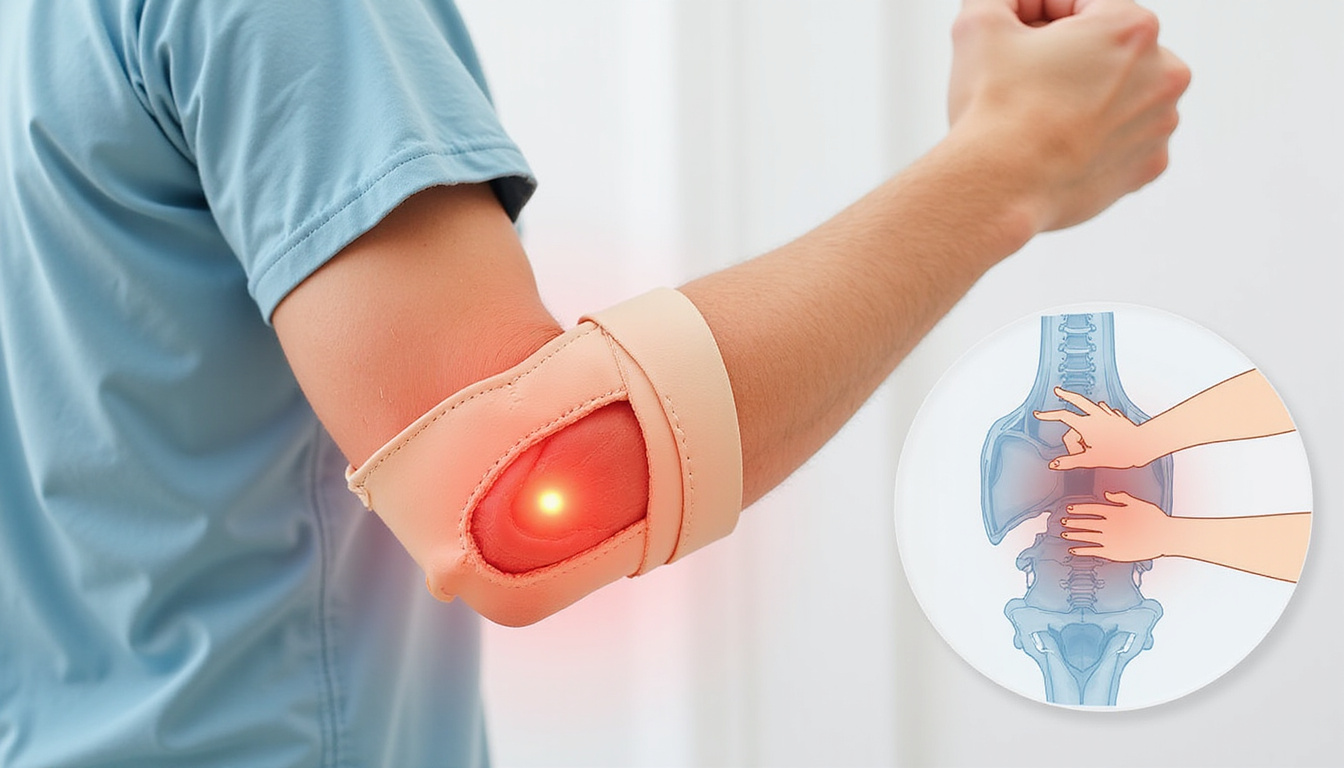
You need consistency, not camp-level training. Try this simple week structure:
• 2–3 days per week:
– 10–15 minutes of joint-specific stability drills (ankle, knee, shoulder, etc.)
– 20–30 minutes of strength work (compound lifts with machines or free weights)
• 2–3 days per week:
– 20–30 minutes of low-impact cardio (bike, rower, incline walk, or pool)
– 5–10 minutes of mobility work for stiff areas
A sample week may be:
• Day 1 – Lower-body stability plus strength (ankles, knees, hips)
• Day 2 – Cardio plus shoulder and upper back stability
• Day 3 – Rest or light walking/mobility work
• Day 4 – Full-body strength with core stability
• Day 5 – Cardio with a bit of joint-specific work
• Days 6–7 – Active recovery, family time, or recreational sport
────────────────────────────── Pain-relief tips that do not harm long-term stability
Pain around unstable joints is common for ex-athletes. The old methods (high-dose NSAIDs, numbing creams, or grit-your-teeth tactics) are not the best long-term strategy.
Smart short-term relief options include:
• Cold and/or heat
– Use cold packs after high-impact days for temporary relief.
– Apply gentle heat before activities to relax muscles.
• Deload weeks
– Every 4–6 weeks, reduce volume or intensity by 30–50% so your joints and tissues can regroup.
• Soft-tissue work
– Try light foam rolling, massage, or mobility work around tender spots.
Recovery habits that help long-term stability are:
• Sleep – No recovery means no gains. Aim for 7–9 hours each night.
• Nutrition and hydration – Eating the right amount of protein, taking enough fluids, and keeping a balanced diet boost your musculoskeletal health.
• Gradual loading – Let your current ability set the pace, not your old highlight reel.
────────────────────────────── How thoughtful supplementation may support joint and muscle health
Many former athletes focus first on lifestyle, training, and recovery. Some also add dietary supplements to support their joints and muscles.
Supplements in the United States are regulated as food. They are not meant to diagnose, treat, cure, or prevent any disease. Yet many adults use these supplements to:
• Support joint comfort and mobility
• Maintain the health of cartilage and connective tissue
• Enhance muscle function and recovery
• Supply antioxidants against daily physical stress
When you consider a supplement for joint or muscle support, remember to:
• Look for clear labeling and ingredients.
• Choose brands that follow Good Manufacturing Practices (GMP).
• Talk with your healthcare provider, especially if you take medication or have other health issues.
────────────────────────────── One-minute checklist: Are you training your stability like your performance matters?
Ask yourself:
• Do I warm up with clear purpose instead of just going through the motions?
• Do I have at least two weekly sessions that include joint-specific stability work?
• Have I dealt with old injury patterns with a professional, or have I just worked around them?
• Do I recover like an athlete, or do I live like a weekend warrior?
• Do my daily habits and any supplements match the long-term performance I hope for?
If you want your joints and muscles to perform at a high level for years, your habits must match that standard—even if empty stands are now the norm.
────────────────────────────── Regenerix Gold: for former athletes who still demand more from their bodies
Regenerix Gold
As a former athlete, you know that your body is an investment. You spent years building it, and now you must protect it. Regenerix Gold is a premium dietary supplement for adults who want to support healthy joints and muscles. It fits into an active, high-performance lifestyle.
Stack Regenerix Gold with smart training, solid recovery, and good nutrition. It is made for people who:
• Move with clear intent—at the gym, on the golf course, or chasing kids.
• Want joint comfort and healthy, strong muscles.
• Prefer proactive care to expensive fixes later.
If you analyze value rather than hype, Regenerix Gold is a smart choice. It treats long-term mobility as an asset, not an afterthought. Talk to your healthcare professional to see if a joint and muscle support supplement like Regenerix Gold is right for you. Keep living as if your best days on the field were only the beginning.
────────────────────────────── FAQ: joint instability and joint support for former athletes
Q1: What causes joint instability in former athletes?
Years of intense loading, past sprains, overuse, and compensation habits can all cause joint instability. Ligaments and soft tissues may change in ways that affect joint movement. A mix of strength, stability training, good recovery, and joint-support supplements can help maintain joint function and comfort.
Q2: Can exercises help with knee joint instability after sports?
Targeted strength and stability exercises, especially single-leg work, hip strengthening, and balance drills, can boost knee control. They help train the muscles and nervous system around the joint. Many former athletes benefit from customized programs with a physical therapist or strength coach, particularly if they have had serious knee injuries.
Q3: Are joint support supplements useful if I do stability training?
For some former athletes, dietary supplements for joint and muscle support add value to an overall strategy that includes training, nutrition, and recovery. Supplements do not replace exercise or professional care. They are not meant to diagnose, treat, cure, or prevent disease. However, for those who already train smart and eat well, a high-quality joint and muscle support supplement can support a long life of active, resilient movement.
Health Note
Always consult a licensed medical doctor for your health issues.
Special Discount
If you prefer preventive nutrition to minimize expensive knee surgery and potentially addictive pharmaceuticals, Regenerix Gold is your savvy solution.
You qualify for a special discount.
Simply use the link below and a discount will automatically be applied during checkout.
Get Regenerix Gold => HERE


