

If every time you step on stairs you wince, grab the rail, or test each step, you are not alone. Many Americans seek help with their knee pain when climbing stairs. The “knife-in-the-knee” feeling can hurt a lot. Good news: with the right gear, technique, and nutrition, stairs can become easier and boost your confidence.
Below is a guide written for people who avoid stairs at work, circle parking lots for ramps, or step sideways because it hurts.
Why Stairs Hurt When Your Knees Are Angry
When flat ground feels fine but stairs cause pain, it is a clear sign. Climbing and descending stairs put far more load on your knees. Biomechanical studies show that going up stairs can force 2–3 times your body weight through your knee. Going down can force even more weight.
You might feel:
- A sharp stab under or around the kneecap when you push off a step
- A grinding sound or crunch when you bend
- A lingering ache after you reach the top
- A weak feeling as if the knee might give way on the way down
Over time, your body changes in unhelpful ways. You might:
- Take stairs one step at a time using your stronger leg
- Turn your body sideways to ease the pain
- Grab the rail and pull yourself up with your arms
- Avoid stairs altogether, losing strength and confidence
Understanding this extra load is key. The goal is to reduce stress on the knee and improve muscle, ligament, and nutritional support. A good knee brace, better stair technique, and joint-support supplements work best when combined.
How a Knee Brace Helps on Stairs (and When It Doesn’t)
If you search for “knee brace stairs,” you may have tried a sleeve or strap from the drugstore already. Some feel instant relief; others feel no change.
A good knee brace can help you on stairs by:
- Giving gentle compression so that your knee feels held together
- Helping you sense your joint position and trust your steps
- Supporting the area around your kneecap to lessen the sting
- Reminding you not to twist or move in painful ways
However, a brace is not magic. It does not:
- Fix weak thigh or hip muscles on its own
- Reverse years of joint wear and tear
- Make it safe to ignore pain and overdo your activity
Think of your knee brace as one tool in a broader plan – not the whole plan.
Choosing a Knee Brace for Stairs: What Actually Matters
If stairs bother you, focus on these key points:
1. Support Level
• A light compression sleeve is good if your knee feels merely sensitive and you need support.
• A wrap-around or hinged brace is better if the knee feels unstable, buckles, or twists.
2. Comfort and Fit
You will not use a brace that digs into your skin, slides down, or bunches up when you bend.
Choose a brace with:
- Soft edges at the top and bottom
- Breathable, smooth material
- Adjustable straps for a good fit
3. Stair-Specific Feel
Try these checks, ideally with a physical therapist:
- Walk up and down 6–10 steps with and without the brace.
- Note your pain level, your confidence, and how much you pull on the rail.
Even if the pain stays the same, smoother movement and greater safety is a win.
Using a Knee Brace on Stairs Without Making Things Worse
Once your brace feels comfortable, use it wisely – not all the time.
• Wear it for stair-heavy days—work shifts, errands, or home chores with many steps.
• Do not overtighten. If your leg tingles, feels numb, or changes color, loosen it.
• Give your skin a break if you sweat or notice irritation.
• Understand that a brace is a temporary aid while you build stronger knees and legs.
Stair Technique: Small Tweaks That Protect Your Knees
Even the best knee brace will not help if your stair technique is poor. Follow these rules:
- Use the rail without shame. The rail takes pressure off your knees and lowers the risk of a fall.
- Use a “good” leg to lead when going up, and use the more painful leg to step down first when going down so that the stronger leg pushes off from above.
- Keep your body close to the rail. Leaning away from support makes you unstable.
- Shorten your stride. Small steps reduce force on your knee.
- Keep your toes pointed forward. Twisting your foot can torque the knee badly.
If you often go down sideways on stairs, this is a sign that you need extra support. That support comes from stronger muscles, joint care, and professional guidance.
Strengthening for Stairs: Train the Muscles That Take the Hit
Strong muscles act as shock absorbers for your knee.
Try these movements, after checking with a professional if needed:
- Seated straight leg raises: Tighten your thigh, lift your straight leg a few inches, hold, and slowly lower it.
- Mini wall sits: Lean against a wall, slide down a little (keep the bend small), hold, then push back up.
- Step-ups on a low step: Use a short step or a sturdy book and step up and down slowly while holding a rail.
- Side leg raises: Lie on your side and lift the top leg to strengthen the hip muscles.
Start with a few repetitions, 3–4 days a week. This routine can help stairs feel easier.
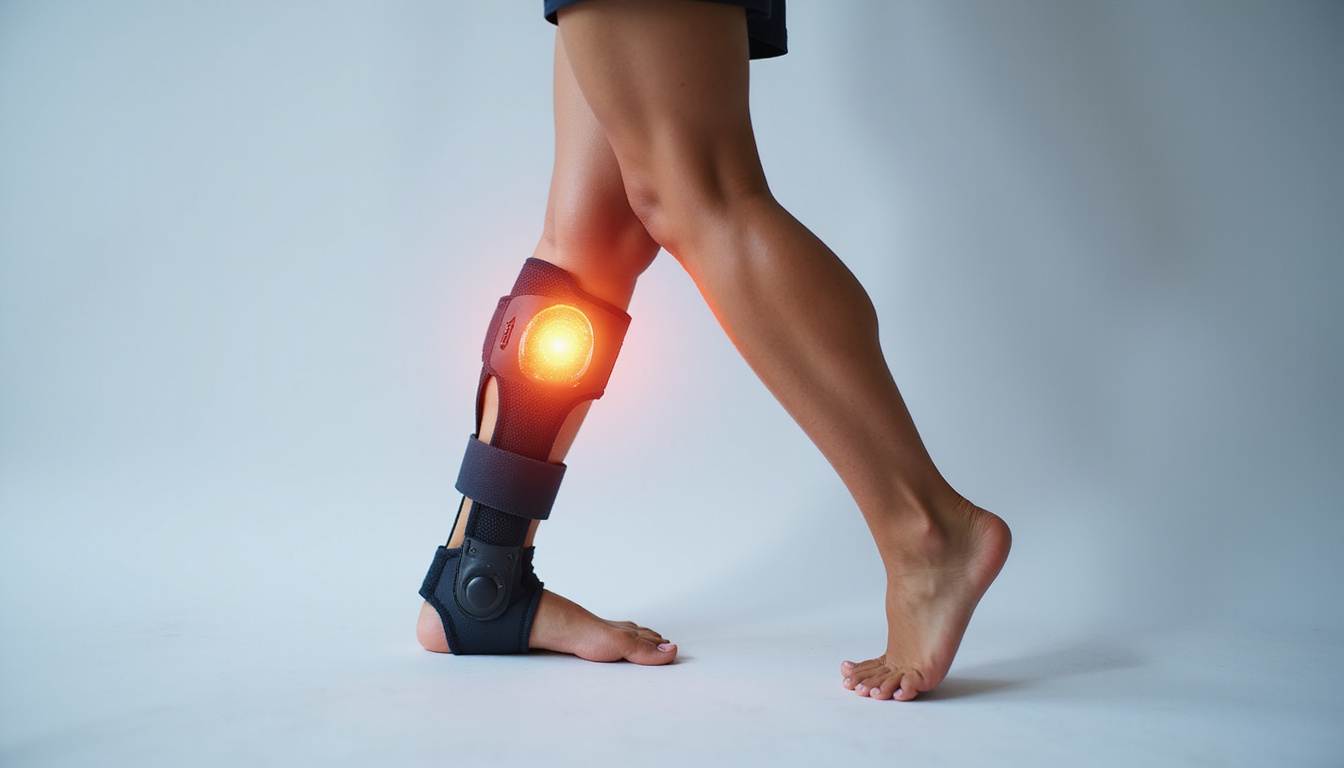
Nutrition Support for Joint & Muscle Comfort: Where Regenerix Gold Fits In
Healthy joints and muscles need good nutrition to work well—especially when stairs are part of your day. No supplement can replace exercise or act as a drug, but many people add nutrition-based support to help maintain flexible joints and strong muscles.
Regenerix Gold is a supplement that people use for joint and muscle support. It is recommended by some doctors and physical therapists. People in many countries have used it for over a decade with good results on their active, stair-filled days.
Here is a video that explains how Regenerix Gold works for joint and muscle support:
<iframe width="560" height="315" src="https://youtu.be/mGrH5UWFxUs?si=enLOx67aeklAOHfA" title="Regenerix Gold Joint Support" frameborder="0" allowfullscreen></iframe>
People who need help with stairs look for three things in a supplement:
- Nutritional support for joint tissues to help them stay comfortable and resilient.
- Support for muscle function and recovery so muscles do not tire quickly.
- A product that professionals and real users trust.
Regenerix Gold is a nutrition-based product and is not meant to diagnose, treat, cure, or prevent disease. It should be part of a broad joint-care plan that includes exercise, proper footwear, weight management, good stair habits, and the right knee brace.
Before starting any joint-support supplement:
- Talk to your healthcare provider, especially if you take other medications or have health issues.
- Follow label directions and be patient, as nutritional support works with time and consistency.
- View it as part of a long-term plan for healthy knees, not a quick fix.
Daily Stair-Survival Checklist for Sore Knees
When you face stairs at work, home, or on the subway, use this checklist:
- [ ] Put on your knee brace if stairs usually cause flare-ups
- [ ] Wear shoes with good cushioning and non-slip soles
- [ ] Warm up with a short walk on flat ground first
- [ ] Use “up with the good, down with the bad” on steps
- [ ] Keep one hand lightly on the rail for support
- [ ] Rest on landings instead of pushing through pain
- [ ] Stretch gently and move lightly after heavy stair use
- [ ] Follow your strengthening routine and take your joint-support nutrition like Regenerix Gold
These small habits can help your knees feel stronger and more secure every day.
When to Get Professional Help
Even with the right brace and stair rules, sometimes you need professional advice:
- The pain is very severe, gets worse, or starts suddenly.
- The knee is very swollen or looks deformed.
- You cannot put weight on the leg without great discomfort.
- The knee locks, catches, or gives way when you use stairs.
A doctor or physical therapist can check your knee, advise you on safe movement, and help choose the right mix of bracing, exercises, and lifestyle changes.
FAQ: Knee Braces, Stairs, and Joint Support
-
Is it OK to wear a knee brace on stairs every day?
Yes. Many people wear a knee brace on stairs daily to feel safer and reduce pain. Ensure the brace fits well, does not restrict blood flow, and is used together with strengthening exercises. If you feel completely dependent on the brace, talk to a healthcare provider. -
What type of knee support works best for stairs?
For most, a comfortable compression or wrap-around brace works well on stairs. If your knee feels unstable or tends to buckle, a hinged brace may give more control. Try different options and pay attention to how your knee feels during stair use. -
Can a joint supplement really help with knee pain on stairs?
Joint-support supplements like Regenerix Gold are designed to provide nutrients that support healthy joints and muscles. They do not work like drugs and are not meant to treat medical conditions. Many users and clinicians include them as part of a program that also includes exercise, smart stair technique, and proper footwear. Always discuss with your healthcare provider to decide what is best for you.
Moving Forward: Take Control of Your Stair Story
Stairs do not have to be a daily battle. With a smart mix of:
- The right knee brace for stair support
- Better technique that reduces joint stress
- Targeted strengthening to build muscle shock absorbers
- Thoughtful nutrition for your joints and muscles, like Regenerix Gold
You can slowly change how your knees handle each step.
If you worry about high co-pays, missed work, or lost opportunities because of painful stairs, now is the time to act. Adding a trusted, nutrition-based joint and muscle support like Regenerix Gold is a smart, low-cost way to invest in your mobility.
Consider getting a bottle and give your knees the support they need. Taking care of your knees today can help you avoid problems tomorrow.
Health Note
Always consult a licensed medical doctor for your health issues.
Special Discount
If you prefer preventive nutrition to minimize expensive knee surgery and potentially addictive pharmaceuticals, Regenerix Gold is your savvy solution.
You qualify for a special discount.
Simply use the link below and a discount will automatically be applied during checkout.
Get Regenerix Gold => HERE


