

A knee fracture can change everyday life in Singapore. It makes a short walk to the MRT, a climb on an overhead bridge, or standing on a busy bus feel hard. If your knee broke from a fall, sports, a traffic accident, or a work mishap, you may ask, “How long will this hurt? Will my knee ever feel right?”
This guide shows key steps in recovery. It explains what to expect and how to support your knee. It helps you rebuild movement and confidence.
Understanding a Knee Fracture (In Simple Terms)
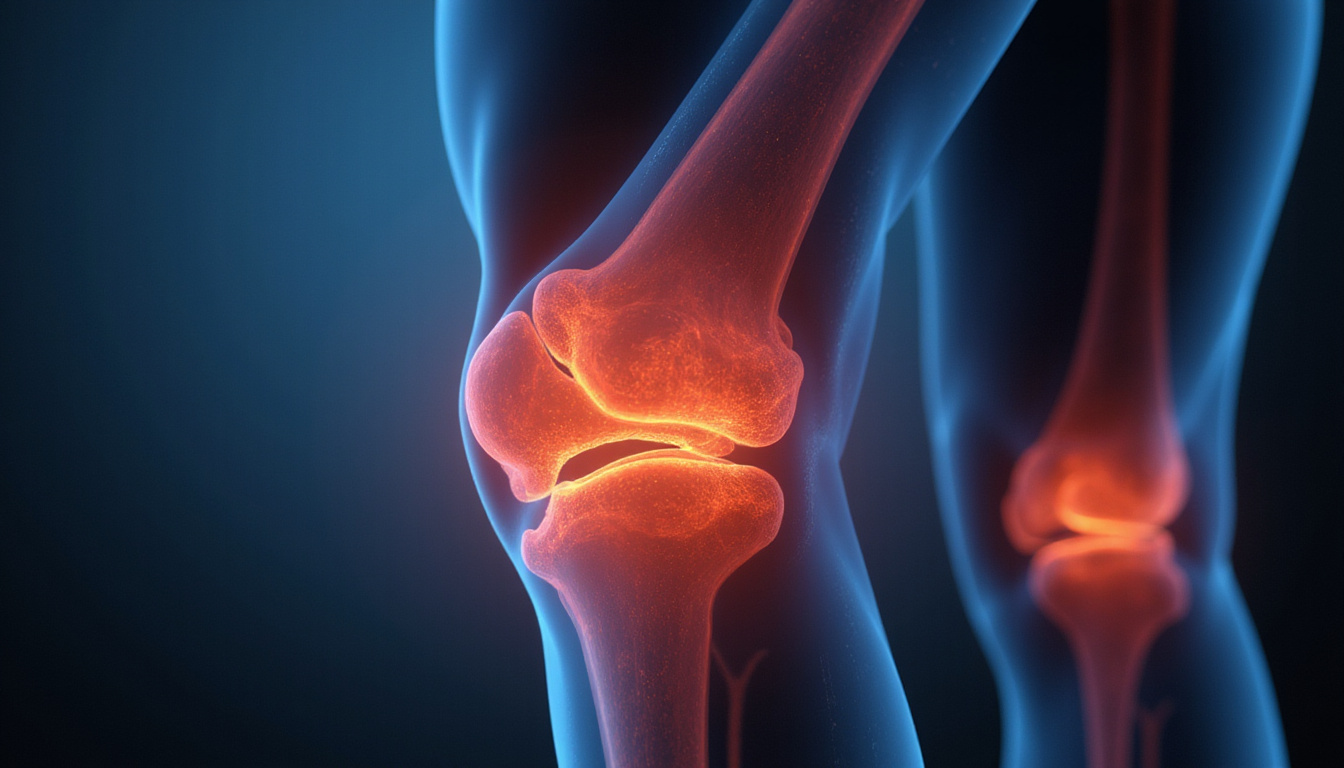
The knee links three bones. In a dependency view, each bone connects directly with the joint. They are:
- Femur – the thigh bone
- Tibia – the shin bone
- Patella – the kneecap
A knee fracture means one of these bones near the joint has a break. Most often, the patella or the top of the tibia (tibial plateau) is affected.
In Singapore the causes often are:
- A slip on wet stairs or floors
- Sports like football, basketball, running, or court games
- Falls at work or accidents from heights
- Road traffic incidents
The injury’s seriousness depends on:
• Whether the bone is cracked or completely broken
• If bone pieces stick together or move apart
• Whether the joint surface is hurt
• If the ligaments, cartilage, or meniscus are damaged
Only a licensed medical doctor can pinpoint the type and degree of your fracture. They use X‑rays, and sometimes CT or MRI scans to decide.
Typical Recovery Phases After a Knee Fracture
Recovery is a process. It lasts many months. While each person is different, most follow these phases:
1. Acute Phase (First Few Days to a Few Weeks)
The main tasks are to protect the bone, ease pain and swelling, and stop extra harm. You can feel:
• Sharp pain or an ache near your knee
• Swelling or warmth
• Trouble or inability to bear weight
• Difficulty in bending or straightening
The treatments often involve:
• A cast, brace, splint, or immobiliser
• Crutches or a walker that share your weight
• Medicine for pain as directed
• Ice packs and leg elevation
2. Early Healing & Gentle Movement (Weeks 3–8)
When your doctor says the fracture is stable, you can start gentle movement. The goals now are to improve range of motion and prevent stiffness. You work to keep your muscles in the thigh, calf, and hip active. In this stage you may:
• Begin gentle bending and straightening
• Tighten your quadriceps with small exercises
• Slowly bear more weight as allowed
3. Strengthening & Functional Training (Months 2–6+)
As the bone mends and your doctor gives more freedom, you add resistance exercises. You build strength in your quadriceps, hamstrings, hips, and calves. You also work on balance and coordination. You try more walking, steps, and eventually stairs. Now questions arise like:
• “Can I squat again?”
• “Is jogging safe?”
• “When is it okay to return to work or sports?”
Doctors use imaging and tests to set exercise levels for your knee.
Daily-Life Challenges After a Knee Fracture
In Singapore, everyday tasks may feel different after a knee fracture. For example:
• Walking: You might limp, walk slower, or feel unsteady.
• Stairs: Climbing can seem scary because your knee feels weak.
• Sitting & Standing: Rising from low chairs or squatting toilets may hurt.
• Work: Standing long, walking many steps, or carrying items may bring discomfort.
• Exercise: A fear of re-injury can hold you back.
These signs do not always mean permanent harm. They tell your body that it needs steady and structured care.
Common Knee Care Options in Singapore
If you face a knee fracture, you have several care choices. Many people mix different treatments. Here is a look at the main options:
MOH-Licensed Medical Doctors
• General practitioners (GPs):
- They assess your injury, manage pain, and send you for imaging or to specialists.
• Orthopaedic specialists:
- They target bones, joints, ligaments, and tendons.
- They suggest surgery (using screws or plates) or non-surgical care.
- They help you decide when to increase weight on the knee or resume activities.
Licensed Traditional Chinese Medicine (TCM) Practitioners
Some people visit TCM physicians for:
• Acupuncture
• Tui na (manual therapy)
• Herbal treatments
These professionals are regulated in Singapore. Share your full history with both your medical doctor and your TCM practitioner.
Standard Physiotherapy (Primarily Exercise-Based)
Physiotherapists help you work in steps:
• They guide range-of-motion exercises.
• They lead strengthening tasks for your quadriceps, hamstrings, hips, and core.
• They retrain your walking pattern.
• They help you practise functional activities like using stairs or rising from a chair.
• They teach safe exercise progressions.
You can find these services at:
• Public hospitals and polyclinics
• Private hospitals and specialist centres
• Private physiotherapy clinics
Non-Licensed Providers (Use With Care)
There are other providers in Singapore:
• Personal trainers
• Massage therapists
• Alternative wellness practitioners
• Sports recovery or “stretch” studios
These providers may give general relief, but keep in mind:
– They are not regulated as medical or allied health professionals.
– They do not diagnose fractures or manage complications.
Always share your full health history with them. Follow your doctor’s advice first.
Non-Invasive Technology-Based Options
Some clinics in Singapore give extra care with technology. These tools work with physiotherapy. They do not replace medical care. They add support and comfort.
Shockwave Therapy
• Available in many public and private hospitals.
• Applied by licensed physiotherapists or doctors.
• A device sends targeted sound waves to your tissues.
• It is usually meant for tendon, ligament, or soft-tissue issues rather than new fractures.
A provider example is:
https://thepainreliefpractice.com
Make sure a licensed professional supervises the treatment.
Hotheal Therapy
Hotheal Therapy uses radiofrequency to heat deep tissue. Its benefits are:
• It warms even the deep layers around the knee.
• Users say the heat works fast for comfort.
Some people try it when they need help with stiffness after the main healing phase. A home-based option is:
As with any therapy, stop if it causes more pain and seek proper guidance.
Medical Oversight, Cost & Convenience
When you plan your knee recovery in Singapore, keep these in mind:
-
Medical Oversight
- See a MOH-licensed doctor or therapist. They check your healing, stiffness, or weakness. -
Cost
- Public hospitals, polyclinics, and CHAS/Medisave options help lower costs.
- Private care can be convenient but may cost more. -
Convenience
- Home-based or nearby services ease travel when walking hurts.
- Technology and supplemental options might support you between appointments.
Your needs in budget, insurance, and work help guide your choice. Always talk to your doctor when in doubt.
Exercise & Movement Tips After a Knee Fracture
Follow your doctor’s rules. In general, keep these ideas in mind:
• Start small and progress slowly: Increase distance or weight in steps.
• Prioritise good form: Use proper movement to protect your knee.
• Work on hips and core: They lessen the stress on your knee.
• Watch your body: Mild soreness is normal; sharp pain means you should slow down.
A simple plan you can adjust with professional help:
-
Early phase:
- Practice knee bending and straightening, leg raises, and isometric quad squeezes. -
Intermediate phase:
- Do mini-squats, step-ups, and stationary cycling. -
Advanced phase:
- If cleared, try deeper squats, lunges, light jogging, or sport drills.
Nutrition & Long-Term Support for Knee Health
After a knee fracture, good health and nutrition matter. They support bone and muscle repair.
• Protein helps rebuild muscles and tissue.
• Calcium and vitamin D strengthen bones.
• A balanced diet rich in fruits, vegetables, and healthy fats helps the whole body heal.
In Singapore, some add nutrition-based choices to keep knee joints and muscles healthy.
Regenerix Gold: Nutritional Support for Knee Joints & Muscles
One nutrition option is Regenerix Gold.
Key points to know:
• It is a nutritional supplement, not a medicine.
• It does not diagnose, treat, cure, or prevent disease.
• It is for preventive use and to support joint and muscle function.
Who Might Consider Regenerix Gold?
People who want:
• Healthy knee joints and muscles.
• To keep long-term mobility for work, family, or retirement.
• A nutrition-based boost alongside exercise and regular medical care.
Over the past decade, many doctors and physical therapists have recommended Regenerix Gold. People share positive experiences in public reviews and testimonials. Remember: experiences can differ. It is not a substitute for professional assessment.
Why Do Some People Choose a Supplement Like Regenerix Gold?
• Prevention: Some prefer to support joint health early instead of waiting for pain.
• Work concerns: Staying mobile matters when jobs need long hours of standing or moving.
• Healthcare costs: A nutrition option may help prevent expensive future joint issues.
• A healthy lifestyle: Many in Singapore value proper nutrition, regular exercise, and well-researched supplements.
If you think of trying Regenerix Gold, speak with your doctor or physiotherapist. This is especially important if you take other medications, are pregnant, or have special health concerns.
Regenerix Gold
FAQs About Knee Fracture Recovery
1. How long does a knee fracture take to heal enough for normal walking?
Bone healing can take about 6–12 weeks. However, walking “normally” may take longer. Stiffness, weakness, and fear of weight on the leg can slow progress. Full recovery might take several months. Your doctor will help you know the right timeline.
2. Can I exercise after a knee fracture, and what is safe?
Yes. Exercise helps recovery if done right. Early exercises are light and done while sitting or lying down. As your knee grows stronger, you can stand and walk, and do strengthening exercises under professional guidance.
3. How can I support my knee long-term after a fracture?
You can do several things:
• Keep a healthy weight to lessen knee pressure.
• Continue strength and flexibility exercises.
• Wear supportive shoes and avoid sudden heavy loads.
• Consider nutrition-based support, such as Regenerix Gold, with advice from your healthcare provider.
Taking the Next Step Towards Better Knee Mobility
A knee fracture can disrupt your life. Yet, with careful care, guided rehabilitation, and smart lifestyle changes, many in Singapore regain strong, working knees. These knees help with walking, stairs, work, and exercise.
If you wish to:
• Protect long-term mobility
• Manage future healthcare costs
• Stay reliable at work
• Take proactive control of your health
Then think about adding a sound, nutrition-based joint and muscle support plan. Consider a bottle of Regenerix Gold. Use it as an investment in future mobility and independence—one that keeps you one step ahead instead of waiting for knee issues to arise.
Special Discount
If you prefer preventive nutrition to minimize expensive knee surgery and potentially addictive pharmaceuticals, Regenerix Gold is your savvy solution.
You qualify for a special discount.
Simply use the link below and a discount will automatically be applied during checkout.
Get Regenerix Gold => HERE