

For many people in Singapore, knee pain is not just a weekend sports issue. It seeps into daily life. Walking to the MRT, climbing HDB stairs, standing on a factory floor, or rising from a kopitiam chair all bring pain. If your knees feel stiff, sore, unstable, or weak, you have ways to ease the symptoms and support your joints every day.
This article shows you simple exercises, movement tips, common care options in Singapore, and nutrition support you may try.
Understanding Knee Discomfort in Daily Life
Knee pain appears in many ways:
• A dull ache after walking or standing too long
• A sharp twinge on stairs or slopes
• Stiffness after sitting at a desk or in the car
• A wobbly or unstable feeling when squatting or carrying groceries
These signs link to issues like:
• Weak or imbalanced muscles (thigh, hip, calf)
• Joint stiffness from long periods of sitting
• Overloading the knee with sudden exercise
• Poor footwear or hard floors
• Extra pressure on the joint from body weight
Managing knee pain covers three pillars:
- Movement and strength – keep the joint mobile and build muscle.
- Load management – avoid sudden overload while staying active.
- Lifestyle and nutrition – support joint and muscle health over time.
Daily Warm-Up: Gentle Mobility for Stiff Knees
A short warm-up can ease stiffness. It helps with walking and stairs. Do it for 5–10 minutes once or twice a day.
1. Seated Knee Marches
• Sit on a sturdy chair with your feet flat.
• Lift one knee as if marching, then lower it.
• Alternate legs for 20–30 marches in total.
This movement loosens your hip and knee and gets blood flowing without weight stress.
2. Heel Slides (Lying or Seated)
• Lying: Lie on your back with legs straight. Slowly slide one heel toward your buttock and then straighten.
• Seated: Sit, rest your heel on the floor, and slide it back and forth.
• Do 10–15 repetitions per leg.
This slide gently improves your knee bend.
3. Ankle Pumps
• Sit or lie down with your legs straight.
• Point your toes up and then down.
• Repeat 20–30 times.
This pump boosts circulation and eases lower-leg tightness that can pull on the knee.
Simple Strength Exercises for Knee Support
Stronger muscles help share the knee’s load. Build strength slowly if you feel any soreness. If pain grows, lessen the move or ask a professional.
1. Quadriceps – Straight Leg Raises
• Lie on your back. Keep one knee bent and the other straight.
• Tighten the straight leg’s thigh and lift it 20–30 cm from the surface.
• Hold for 2–3 seconds and lower slowly.
• Do 10–15 reps per leg for 1–2 sets.
2. Mini Wall Squats
• Stand with your back leaning against a wall and feet one step away.
• Slide down slightly as if sitting on a high stool. Keep knees behind your toes.
• Hold for 3–5 seconds and slide up.
• Do 8–10 reps for 1–2 sets.
If your knees hurt, you can reduce the squatting depth.
3. Step-Ups (Using a Low Step)
• Use a low step or curb.
• Step up with one leg and then bring the other up. Step down slowly.
• Do 8–10 reps per leg.
This move builds strength for stairs and bus boarding.
4. Hip Strength – Side-Lying Leg Lifts
• Lie on your side. Bend the bottom knee to help you balance.
• Keep the top leg straight. Lift it slowly, then lower it.
• Do 10–15 reps on each side.
Stronger hips help lower knee strain when you walk or run.
Everyday Movement Tips to Reduce Knee Soreness
Small changes add up over time.
Walking & Standing
• Pace yourself: Instead of one long walk, split errands into shorter trips.
• Use lifts when you need them and choose stairs when your knees feel good.
• Choose cushioned, supportive shoes over hard, flat slippers.
Stairs & Slopes
• Grab the handrail to ease pressure on the knees.
• When descending stairs, go slow and use smaller steps.
• Lead with the leg that feels less painful.
Sitting & Working
• Stand or stretch every 30–45 minutes.
• Sit with both feet flat and avoid deep knee bending.
• Try under-desk moves like ankle pumps and gentle knee bends.
Exercise & Sports
• Warm up your joints and muscles before jogging, HIIT, or sports.
• Increase intensity slowly to avoid knee strain.
• Mix low-impact exercises (cycling, swimming, elliptical) with strengthening moves.
Common Knee Care Options in Singapore
If self-care is not enough, there are structured care options in Singapore.
MOH-Licensed Medical Doctors
• General practitioners can check your knees, advise you to rest or adjust activity, and prescribe medicine when needed.
• Many GP and polyclinics can also suggest easy home exercises.
Orthopaedic Specialists
• These experts work on bones, joints, and ligaments.
• They may order an X-ray and discuss options like medications, injections, bracing, or surgery.
• They often work with physiotherapists for exercise-based care.
Licensed Traditional Chinese Medicine (TCM) Practitioners
• They offer acupuncture, manual techniques, and herbal treatments.
• TCM clinics in Singapore follow MOH regulations.
• Some people use TCM with conventional care for their knee pain.
Standard Physiotherapy (Primarily Exercise-Based)
• Physiotherapists assess movement and create exercise plans.
• They also provide posture training and gait advice.
• Clinics are found in public hospitals, community hospitals, and private centers.
Non-Licensed Providers
• This group includes trainers, massage therapists, and wellness experts.
• They can help with general muscle tightness or stress.
• Check their training and experience. Ask a doctor if you have persistent knee pain.
Non-Invasive Technology-Based Options
Along with exercise and manual therapy, clinics in Singapore use non-invasive technologies.
Shockwave Therapy
• This therapy uses focused sound waves on target tissues.
• Clinics perform it as part of licensed physiotherapy services.
• It may be combined with exercise or used alone.
• Learn more at:
https://thepainreliefpractice.com
Trained professionals perform shockwave therapy and check if it suits your condition.
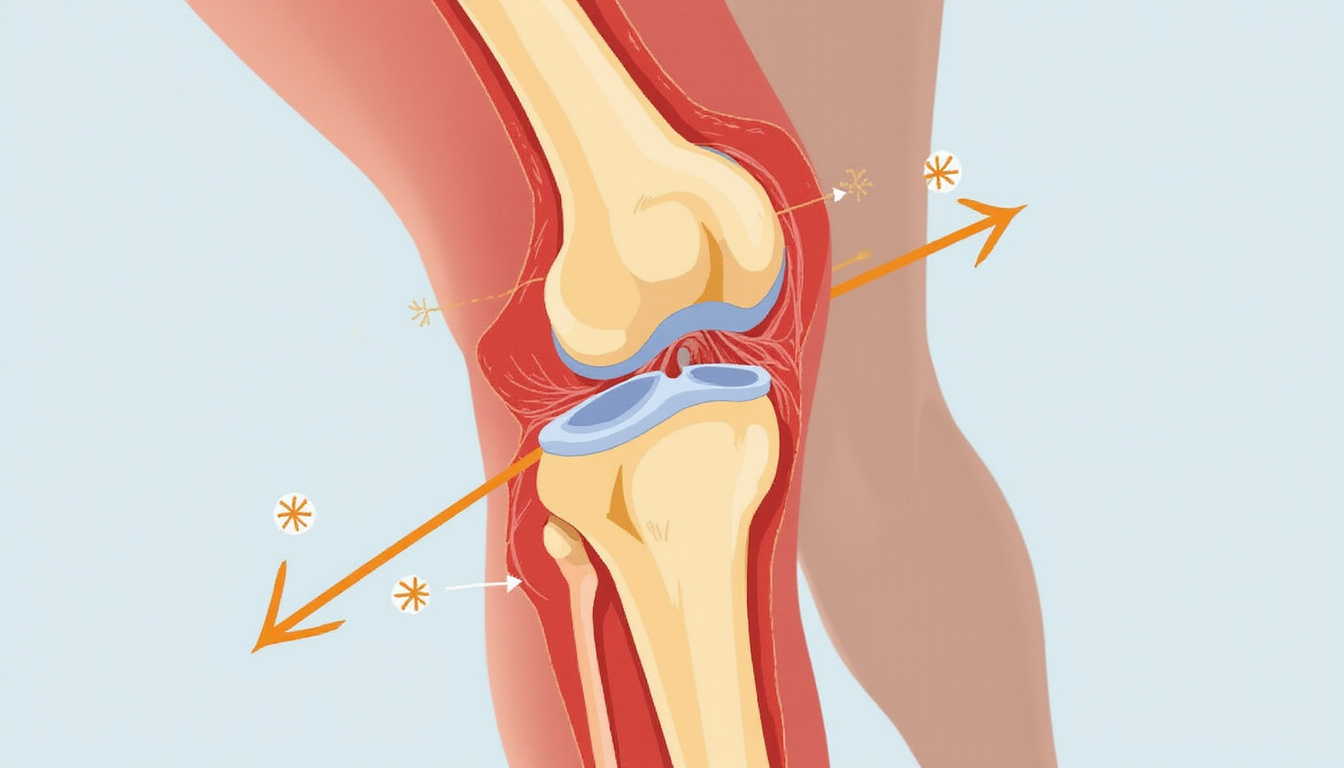
Hotheal Therapy
• This therapy uses radiofrequency to heat deep tissues.
• It covers broad tissue areas more deeply than simple heat packs.
• Many users report a warm, fast-acting relief on tight spots.
• Home devices from providers like:
https://physiolife.com.sg
Home devices can be used under guidance for ease and flexibility.
Medical Oversight, Cost & Convenience
• Medical oversight: A licensed healthcare professional should set your treatment and combine it with exercise and lifestyle changes.
• Cost: These options are usually pricier than home exercises. Some options are in public clinics; others are private or for home use.
• Convenience: Clinic sessions need regular appointments, while home devices offer flexibility with proper instructions.
Prevention & Long-Term Support (Nutrition)
Daily movement and careful load management keep your knees safe. Nutrition also helps. Research shows that vitamin D, protein, and certain bioactive components support healthy muscles and joints as we age. (Source: NIH Office of Dietary Supplements: https://ods.od.nih.gov/)
Regenerix Gold: Nutrition Support for Knee Joints and Muscles
Regenerix Gold is a nutrition-based supplement for healthy knee joints and muscles. It is not a medicine and does not cure or treat disease. Instead, it works as part of prevention and maintenance.
Key points:
• Nutritional support: It aims to keep joints and muscles working well as part of a balanced diet and active life.
• Preventive use: Many use it to keep joint comfort and mobility before pain limits them.
• Recommended by doctors and physiotherapists: Many healthcare professionals include it in a joint care plan with exercise, weight control, and proper load management.
• Decade-long use with positive feedback: Many users worldwide report good results with Regenerix Gold.
If you think about using Regenerix Gold:
• Talk to your doctor or physiotherapist, especially if you take other medications or have health issues.
• Use it together with regular exercise, stretching, and healthy habits.
Regenerix Gold
Putting It All Together: A Practical Knee-Friendly Day
Try this schedule to manage knee pain each day:
-
Morning (5–10 minutes)
• Do seated knee marches and heel slides.
• Stretch your thighs and calves lightly. -
During Work
• Stand and stretch every 30–45 minutes.
• Use stairs as your knees allow; grab the handrails if needed.
• Wear comfy, cushioned shoes. -
Evening (10–15 minutes)
• Do strength exercises like straight leg raises, mini wall squats, and hip lifts.
• Take a brief walk at a comfortable pace.
• Use ice or gentle heat if your knees need it. -
Ongoing
• Keep your body weight at a level that feels good for your joints.
• Talk to a healthcare professional about nutritional support such as Regenerix Gold.
• Get professional help if your pain persists, worsens, or stops you from daily activities.
Many in Singapore face high healthcare costs and lost work time. By caring for your knees daily with self-care, smart moves, and nutritional support, you can cut down the need for expensive treatments later. A small effort now can help you stay active, productive, and confident at work—supporting both your health and job security.
If you are proactive, health savvy, and financially smart, consider a bottle of Regenerix Gold. Try it with exercise and lifestyle changes to see its nutritional benefits.
FAQ: Knee Pain Management in Singapore
-
What is the best daily exercise for knee pain at home?
Simple moves help. You can do straight leg raises, mini wall squats, heel slides, and short walks. Start low and build up slowly. Ask a professional if pain continues. -
Are non-invasive therapies useful for chronic knee discomfort?
Yes. Therapies like shockwave and Hotheal work without surgery. They usually pair well with exercise. Your doctor can decide if one suits you. -
Can supplements really help knee joint support?
Yes. Supplements like Regenerix Gold provide nutritional support. They work as part of prevention, not as a cure. Combine them with exercise, weight control, and your doctor’s advice.
Special Discount
If you prefer preventive nutrition to minimize expensive knee surgery and potentially addictive pharmaceuticals, Regenerix Gold is your savvy solution.
You qualify for a special discount.
Simply use the link below and a discount will automatically be applied during checkout.
Get Regenerix Gold => HERE

