
knee surgery recovery: expert tips to reduce pain and rebuild mobility
由 Zestora 上 Dec 24, 2025

If you think about knee surgery or count weeks after your operation, you focus on knee surgery recovery. You worry about pain and your ability to stand and walk. You may dread sharp twinges when you stand, feel stiffness like a cement block each morning, or sense weakness when you descend stairs. This guide is for people in America who feel these knee aches and seek clear, simple advice to ease pain, protect their surgery, and rebuild mobility.
What actually happens during knee surgery recovery?
Right after surgery, your knee and nearby muscles face a storm of changes. Your tissues swell and your muscles feel weak. Your kneecap and the back of your knee grow tight. Your knee may not "trust" you when you put weight on it.
Most people say that the first 2–4 weeks are the hardest. Getting in and out of bed feels like a workout. Your knee throbs at night, and each bend brings a small win.
If you follow your surgeon’s and physical therapist’s plan, your knee will usually:
- Calm down (with less swelling, heat, and throbbing)
- Regain the ability to bend and straighten
- Build strength and stability
- Return to normal activities—climbing stairs, rising from a chair, and walking longer distances
You must supply your body with what it needs so each stage goes well.
The first 2 weeks: pain control, swelling, and basic motion
At first, many people are surprised at how angry their knee feels. It is tempting to protect it by barely moving. Yet, this can lead to stiffness and more pain when you do move.
Focus on these early steps:
1. Smart pain management (not bravado)
Trying to be tough can stop you from moving, which increases stiffness. Do not rely too much on heavy medications either. Work with your surgical team on a plan. This plan may include:
- Prescription pain relievers (used briefly and then reduced)
- Over-the-counter options like acetaminophen or NSAIDs when it is fine to do so
- Ice and elevation that can help a lot
A typical ice routine is:
- 15–20 minutes at a time
- 3–5 sessions per day
- Always use a thin towel as a barrier to protect your skin
When you control pain, you can bend, straighten, and walk short distances with more confidence. This step is crucial for good knee surgery recovery.
2. Swelling control: elevation done right
The phrase "put your feet up" is not just a saying. Correct elevation helps drain fluid from your knee:
- Lie on your back.
- Place pillows under your calf and ankle—not under the knee.
- Try to keep your knee above the level of your heart whenever you can.
If your knee acts like a water balloon or the skin over it looks tight and shiny, you may need more ice and elevation (unless your doctor says otherwise).
3. Gentle mobility: don’t let your knee “lock up”
Early exercises are simple but strong:
- Ankle pumps keep blood flowing and lower clot risks.
- Heel slides let you gently bend and straighten the knee while in bed.
- Quad sets let you tighten your front thigh while keeping the leg straight.
- Straight leg raises come next once you can do them without the knee buckling.
You might feel a deep pull or a tight band when bending. This is normal. You should feel discomfort but not sharp or tearing pain. If you are unsure, ask your physical therapist.
Weeks 3–6: rebuilding strength, confidence, and daily function
At this stage, many people say, "My pain has lessened, but my knee still feels weak and odd." Stairs seem risky, and you may lean on the other side for support.
Now your priorities are:
1. Commit to physical therapy (and home exercises)
This is where real progress happens. Skipping PT or doing exercises only on good days slows your recovery.
Your PT might suggest these exercises:
- Using a stationary bike (even with short pedal strokes)
- Doing step-ups and step-downs on a low step
- Performing mini squats and rising from a chair
- Strengthening your hips with bridges and side leg lifts to support the knee
- Practicing balance by standing on one leg (with a hand nearby for support)
You may feel some soreness. That shows your muscles are working. But if you feel sudden or sharp pain that lasts into the next day, slow down and tell your therapist.
2. Walking better, not just farther
It is easy to think only about how far you can walk. But the way you walk matters too. A limp can teach your body poor habits.
To improve your walk:
- If your PT tells you to use a cane or walker, keep using it. Stopping too soon may cause limping and strain on your hip or back.
- Focus on taking equal steps. Push off using your toes and avoid shuffling.
- Imagine rolling your foot with each step instead of stomping.
A smooth, careful walk takes less stress on your new knee and the other leg.
3. Managing stiffness and “cement knee” sensations
A heavy, tight feeling in your knee after sitting is common. To fight stiffness:
- Stand up and move every 30–45 minutes while you are awake.
- Do a few heel slides or gentle knee bends before you stand.
- Use heat on the muscles around your knee (but not on fresh incisions unless your doctor approves) and ice on the joint if it swells after moving.
Remember: motion comes first, then distance. Small bouts of gentle movement throughout the day work better than one long workout.
Nutrition support during knee surgery recovery
Your knee heals on many levels. Tissues, muscles, and ligaments need building blocks. They require protein, vitamins, minerals, and joint-supporting nutrients.
1. Daily eating habits that help healing
- Eat enough protein from poultry, fish, eggs, beans, or Greek yogurt.
- Add colorful fruits and vegetables to get antioxidants.
- Drink plenty of water. Dehydration makes soreness and fatigue worse.
- Watch your weight. Each extra pound puts more stress on your recovering knee (source: CDC).
2. Regenerix Gold: a nutrition-based option for joint and muscle support
Some people add a targeted supplement to support muscles and joints during knee surgery recovery. Regenerix Gold is a nutrition-based option for those who need:
- Healthy and strong knee joints.
- Supportive muscles around the knee.
- Extra nutrients as they go through physical therapy and daily activities.
Key points about Regenerix Gold:
- It is a nutritional supplement, not a drug. It does not diagnose, treat, cure, or prevent any disease.
- Doctors and physical therapists often recommend it as part of a larger plan for joint health.
- It has been used for over a decade in many countries with positive results.
- It is meant to complement your physical therapy, good diet, and exercise—not to replace them.
Always check labels and talk with your healthcare professional before you add any supplement, especially if you take medications, are pregnant, nursing, or have medical conditions.
Long-term knee surgery recovery: protecting your “new normal”
After the first 2–3 months, many people feel much better and start testing their limits. Now is the time to make choices that protect your knee for years.
1. Choose joint-friendly activities
When your doctor or PT gives you the green light, these activities are often safe:
- Flat walking (increasing the distance gradually)
- Stationary or easy outdoor cycling
- Using an elliptical machine
- Pool walking or gentle swimming
- Light strength training
Be cautious with these:
- Running or jogging
- High-impact exercise classes
- Court sports with many twists or sudden stops
Your long-term goal is to keep your knee strong and reliable for many years, not just to feel pain-free for a month.
2. Ongoing strengthening: half the work is “after you feel better”
Many people make a mistake by stopping their exercises once the knee feels better. This can lead to problems in the other knee, hips, or back.
Consider a simple routine:
- 2–3 days per week:
- Squats to a chair
- Step-ups on a low step
- Bridges
- Side-lying leg raises
- On other days, take short walks.
These small daily habits help your muscles support your knee and keep you confident at work, while doing chores, or during family time.
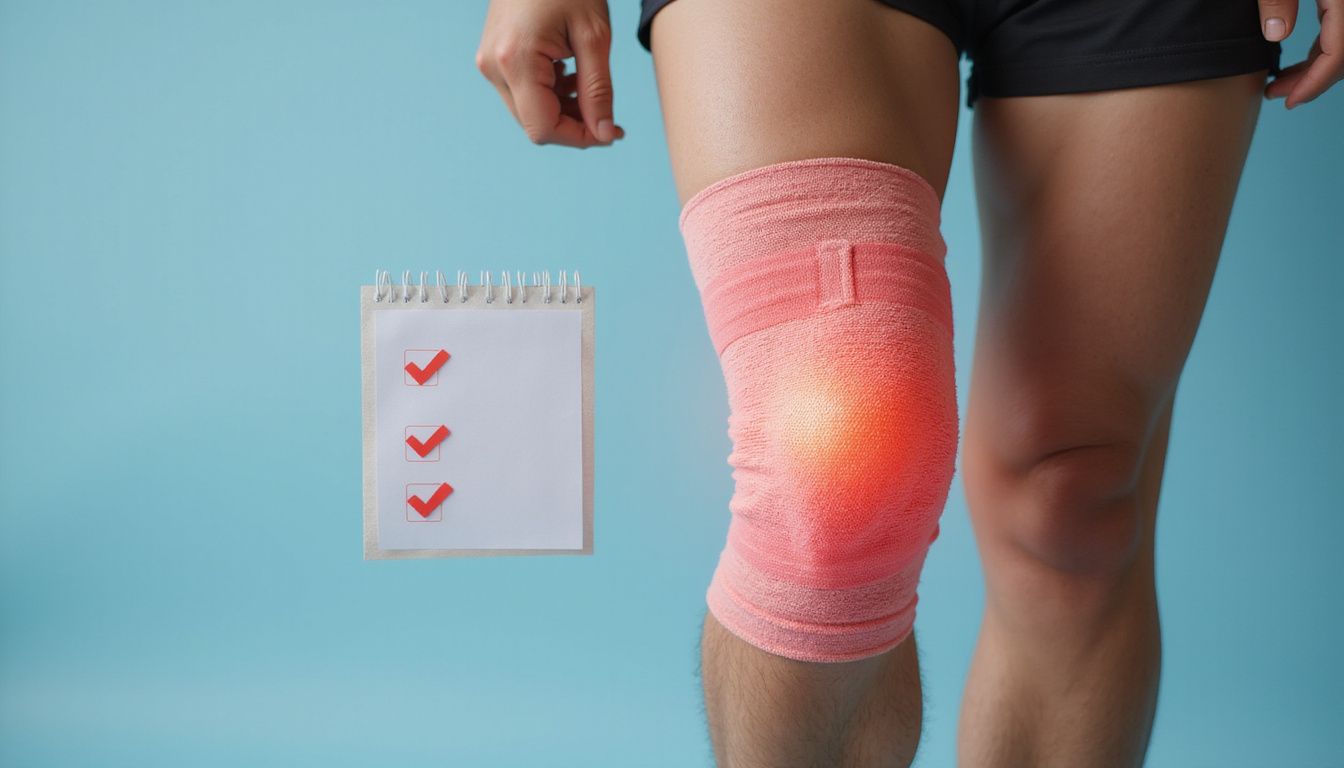
Simple checklist to keep your knee recovery on track
Use this checklist as a quick self-audit:
- Do I do the home exercises my PT gave me at least 4–5 days per week?
- Do I manage pain so I can move, bend, and walk?
- Do I keep my follow-up appointments with my surgeon or healthcare provider?
- Do I use ice and elevation when swelling occurs?
- Do I fuel my body with enough protein, fluids, and nutrient-rich foods?
- Have I talked with a professional about nutritional support like Regenerix Gold?
- Am I walking with good form and not just trying to cover distance?
If you answered “no” to several of these, it is a good time to reset your plan.
Video: Learn more about Regenerix Gold
Regenerix Gold
FAQ about knee surgery recovery and joint support
Q1: How long does knee surgery recovery usually take before I feel “normal”?
Many people notice big improvements in the first 3 months. Full knee surgery recovery can take 6–12 months. This time helps you build strength, stamina, and confidence on stairs or uneven ground. Your age, overall fitness, body weight, and how well you follow your PT plan all matter.
Q2: Can a supplement help my knees after surgery?
A nutrition-based supplement may support overall knee health. Supplements like Regenerix Gold give targeted nutrients for joint and muscle support. Doctors and PTs may recommend it as part of a complete recovery plan. Always confirm with your healthcare provider first.
Q3: What should I avoid during knee replacement surgery recovery?
During knee surgery recovery, most people are told to avoid:
- Sitting for very long times without moving their knee
- High-impact activities like jumping or running (unless you are cleared)
- Sudden twists or pivots on the operated leg
- Ignoring swelling, redness, fever, or calf pain. These signs need prompt medical help.
Your surgeon and PT will give you specific do’s and don’ts for your procedure.
Take the next step: protect your knees and your future
You have taken a big step by having surgery or planning for it. The true difference now comes from how you handle knee surgery recovery. Keep doing your exercises even when you are tired, eat and sleep well to support healing, and always give your joints and muscles the right nutritional backup.
Medical care, time off work, and repeat procedures are costly. Losing days because you cannot stand comfortably, climb steps, or focus at work can affect your income and independence. People who care for their knee health with smart rehab, everyday movement, and good nutrition often avoid these setbacks.
If you plan ahead, value your ability to work and support your family, and wish to avoid rising healthcare costs, consider adding Regenerix Gold to your daily routine. This nutritional supplement has been used worldwide for over a decade and comes with recommendations from doctors and physical therapists.
Talk with your healthcare provider. Then, get a bottle for yourself and feel the benefits. You have invested so much in your knees—now support that investment with a plan that makes sense for your future.
Health Note
Always consult a licensed medical doctor for your health issues.
Special Discount
If you prefer preventive nutrition to minimize expensive knee surgery and potentially addictive pharmaceuticals, Regenerix Gold is your savvy solution.
You qualify for a special discount.
Simply use the link below and a discount will automatically be applied during checkout.
Get Regenerix Gold => HERE


