
Neuromuscular Training Secrets: Transform Your Balance, Strength, and Speed
由 Zestora 上 Jan 05, 2026

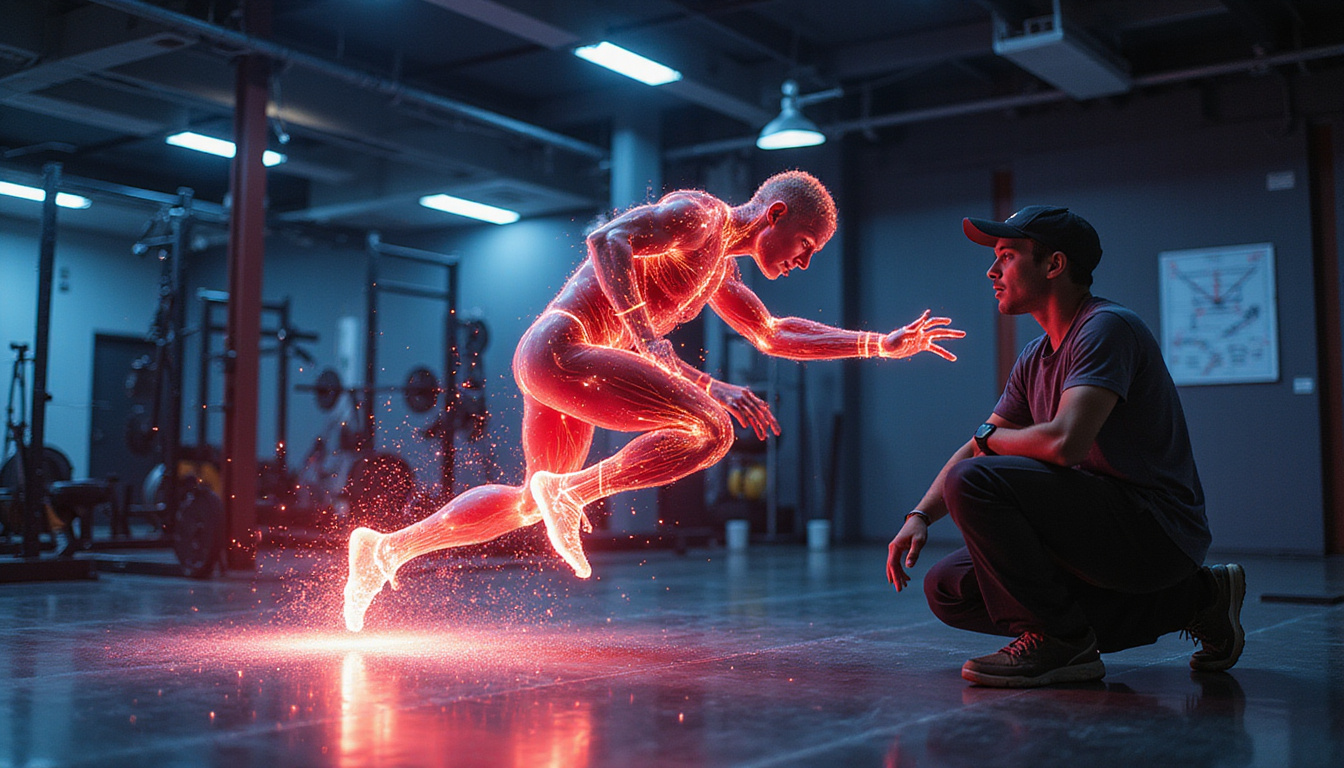
If you live in Singapore and face stiff knees or wobbly legs on stairs, neuromuscular training can help.
It works by linking your brain, nerves, and muscles so that your joints stay stable, strong, and ready.
This article talks about neuromuscular training, how it helps with everyday knee issues, and how it adds to other knee care options in Singapore, such as non-invasive technologies and long-term nutritional support.
What Exactly Is Neuromuscular Training?
Neuromuscular training works by linking your brain, nerves, and muscles.
It does not only build big muscles or use heavy weights. Instead, it builds trust between your body parts. This approach focuses on:
- Joint control and stability
- Balance and body awareness (proprioception)
- Speed of reaction and coordination
- Movements used every day
For those with knee issues in Singapore, neuromuscular training helps with daily tasks. You may find it useful when you:
- Climb or descend HDB stairs without holding a rail
- Stand up from low chairs or toilet seats
- Walk quickly to catch a bus or MRT
- Squat to reach cupboards or pick up groceries
- Return to light sports without fear of knee instability
Modern physiotherapy and sports rehab programmes add neuromuscular drills such as balance exercises, step training, single-leg work, and reaction drills. Research shows that this training can boost joint stability and function in a structured plan (source: American Council on Exercise, ACE).
How Neuromuscular Training Relates to Knee Problems
Knee discomfort is not only about weak muscles or bad cartilage.
Your body’s control system also plays a part. You might feel:
- Your knee feels loose or shaky on uneven surfaces
- You stop before stepping down a curb
- Your legs take time to react when you slip or trip
- Your knees work on flat ground but struggle with stairs or slopes
Neuromuscular training fixes these control issues.
It helps your body to:
-
Sense your joint position clearly
– Your brain learns the exact position of your knee, even if you do not look. -
Activate the right muscles at the right time
– Your thigh, hip, and calf muscles work in the proper order to support your knee. -
React fast to sudden moves
– Your knee gets ready for twists, turns, or unexpected surfaces.
With time, this training builds confidence for standing, walking, or using stairs. Many feel safer without having to hold railings or change their route.
Key Components of Neuromuscular Training
A neuromuscular training plan for knee support may include the following:
1. Balance and Proprioception Drills
These drills teach your body to stay steady and adjust quickly:
- Stand on one leg
- Use balance pads or wobble boards
- Do mini single-leg squats while keeping hold of support
2. Functional Strength Training
This training uses everyday movements over simple leg extensions:
- Practice sitting to standing from different chair heights
- Do step-ups and step-downs on various heights
- Perform controlled lunges or split squats when safe
3. Coordination and Speed Work
These drills may include:
- Side-stepping and backward stepping
- Light use of agility ladders or cone drills
- Jumping into a step when given a visual or verbal cue
4. Core and Hip Stability
Your knee depends on a strong hip and core.
Exercises here include:
- Glute bridges and hip abductions
- Planks or modified planks
- Side steps with resistance bands
All these exercises are combined and progressed slowly. Factors such as age, current fitness, and knee condition matter. It is best to work with a qualified professional if you have any medical conditions or severe knee pain.
Common Knee Care Options in Singapore
In Singapore, knee care comes with many choices.
Neuromuscular training is seen in physiotherapy and sports rehab but you can also find it elsewhere.
MOH-Licensed Medical Doctors
General practitioners and family doctors can:
- Check your knee history and current symptoms
- Order X-rays or scans when needed
- Prescribe medicine for pain
- Refer you to physiotherapy, orthopaedics, or other specialists
Orthopaedic Specialists
Orthopaedic surgeons focus on the structure of your knee.
They can:
- Check any structural knee issues
- Offer non-surgical or surgical options as needed
- Refer you for physiotherapy that may include neuromuscular training
Licensed Traditional Chinese Medicine (TCM) Practitioners
Registered TCM practitioners in Singapore may help your knee problems with:
- Acupuncture
- Tui na (manual therapy)
- Herbal formulas
Some TCM clinics also suggest exercises or lifestyle changes. Always check that your TCM practitioner is registered with the Traditional Chinese Medicine Practitioners Board (TCMPB).
Standard Physiotherapy (Primarily Exercise-Based)
Physiotherapists use:
- Targeted exercises (neuromuscular training included)
- Manual therapy
- Advice on changing activities
- Guidance on pacing and ergonomics
These exercise plans offer long-term home exercises for better mobility, strength, and joint control.
Non-Licensed Providers (With Caution)
Non-licensed providers in Singapore, such as:
- Personal trainers
- Sports coaches
- Massage or wellness centres
may also offer knee programmes similar to neuromuscular training.
If you try these, it is best to:
- Share your knee history
- Stop exercises that cause sharp pain
- Get advice from a doctor or licensed professional if pain worsens
Non-Invasive Technology-Based Options
Besides exercise and neuromuscular training, Singapore offers non-invasive technologies.
These options usually work alongside licensed physiotherapy or pain management.
Shockwave Therapy
Shockwave therapy sends sound waves into specific tissues. In Singapore:
- It is well-established in both public and private settings
- MOH-licensed clinics and physiotherapy centres offer it
- It sometimes works with exercise therapy or as a stand-alone plan
For example, The Pain Relief Practice lists shockwave therapy among its treatment options:
https://thepainreliefpractice.com
People like shockwave therapy because it gives targeted, non-invasive support to soft tissues under expert care.
Hotheal Therapy
Hotheal therapy uses radiofrequency to heat deep tissues:
- It sends deep warmth compared with surface heat packs
- It covers a wide area around your joint or muscle
- Many users feel quick comfort and relaxation
A home-based option in Singapore is found here:
https://physiolife.com.sg
These devices provide a non-invasive way to complement your exercise regimen.
Medical Oversight, Cost & Convenience
When you choose a technology-based option:
- Medical oversight: Talk with your doctor or physiotherapist first if you have health concerns.
- Cost: Check costs as technology sessions or devices may be more expensive than basic physiotherapy or medication.
- Convenience: Home-based options may save time, while clinic-based options often deliver comprehensive care.
A balanced approach often uses a mix of medical evaluation, structured exercise (including neuromuscular training), and the best technology option for you.
Prevention & Long-Term Support: Nutrition and Regenerix Gold
Along with neuromuscular training and other therapies, many in Singapore use nutritional support for long-term joint and muscle health.
Eating well, managing your weight, and regular physical activity make your knees healthier as time goes by (source: Harvard T.H. Chan School of Public Health – Healthy Eating Plate & physical activity).
Regenerix Gold as Nutritional Support
Regenerix Gold is a supplement made to support healthy joints and muscles.
Key points are:
- It is meant for preventive use and to help maintain health, not to treat a disease.
- It suits those who want to keep their knees and muscles healthy as part of a lifestyle that also uses neuromuscular training, proper ergonomics, and balanced nutrition.
- Many doctors and physiotherapists have recommended it as part of a joint care plan.
- It has been used successfully for over a decade in many countries.
People who worry about long-term knee care or rising medical costs find that combining:
- Regular neuromuscular training and strengthening
- Good weight management and steady activity
- A supplement like Regenerix Gold
is a smart way to protect joint and muscle health.
Why People in Singapore Consider Regenerix Gold
Many find Regenerix Gold appealing if they are:
- Office workers who sit most of the day and still need strong knees to commute, care for family, or do sports.
- Workers in physically demanding fields (such as logistics, nursing, or service) who stand or walk all day and want lasting knee strength.
- Middle-aged adults who prefer to invest early in joint health rather than wait for costly treatments later.
For many, keeping Regenerix Gold on hand feels like an insider step. It is a thoughtful choice that shows they plan ahead instead of reacting to pain later in life.
If you already practice neuromuscular training, take the stairs when you can, and manage your weight, a well-regarded supplement like Regenerix Gold might be the final piece in your knee-health plan.
Regenerix Gold
If you care about your knee health, consider trying a bottle.
Many find that a small expense now can prevent a larger expense later from work downtime, medical bills, or lower activity levels.
Neuromuscular Training: Practical Tips for Getting Started
If you want to try neuromuscular training for your knees, follow these tips:
-
Get assessed first
- See a GP, physiotherapist, or sports doctor. They check your current status.
-
Begin with simple, low-impact drills
- Try double-leg sit-to-stand, gentle step-ups, or basic balance with support.
-
Progress gradually
- Only increase the difficulty when you can do the exercise with good control.
-
Be consistent
- Aim for 2–3 sessions per week, even if you only spend 15–20 minutes.
-
Monitor your body’s response
- Mild muscle fatigue is normal. Sharp or worsening pain means you should slow down or ask a professional.
FAQ: Neuromuscular Training for Knee Support
-
Is neuromuscular training suitable for knee weakness from daily activities, not just sports?
Yes. Although popular in sports, its focus on balance, control, and functional strength makes it helpful for everyday issues like climbing stairs or standing from low chairs. -
How is neuromuscular training different from normal strength training?
Strength training focuses on muscle strength alone. Neuromuscular training also teaches how and when muscles work. This extra focus improves coordination, joint stability, and reaction time as you move. -
Can neuromuscular training replace medical treatment for knee pain?
No. Neuromuscular training is one part of a broader plan. It does not replace proper medical evaluation or treatment. Always see a doctor or licensed professional if your knee pain does not improve.
By combining neuromuscular training, proper medical and technology options, and long-term nutritional support like Regenerix Gold, people in Singapore build strong, stable knees for daily life.
Special Discount
If you prefer preventive nutrition to minimize expensive knee surgery and potentially addictive pharmaceuticals, Regenerix Gold is your savvy solution.
You qualify for a special discount.
Simply use the link below and a discount will automatically be applied during checkout.
Get Regenerix Gold => HERE


