

If you’ve Googled “perimenopause body aches” at 2 a.m. while turning in bed, you are not alone.
Many women in their late 30s, 40s, and early 50s find their body feels creakier.
Hips feel stiff when you rise, knees show pain on stairs, shoulders ache after work, and even unloading the dishwasher may hurt more.
This pain is not “you getting old” or “all in your head.”
These nagging aches occur with perimenopause, and there are clear ways to ease them and help you feel like yourself again.
Why Perimenopause Triggers New Aches and Pains
Perimenopause, the phase before menopause, marks a time when hormones—especially estrogen—change quickly.
These hormone shifts connect deeply to joints and muscles.
Women often see that these changes affect their bodies in clear ways.
Some common reasons your body aches in perimenopause are:
- Changing hormones affect how your body keeps joints cushioned and flexible.
- Sleep disruption (waking at 3 a.m. and not sleeping well) limits repair time, so small pains seem larger.
- Stress load from parents, kids, and work makes your muscles hold on to tension.
- Body composition shifts add stress to joints like hips, knees, and lower back.
These signals do not force you to accept constant stiffness and pain.
They ask you to care for your body in new ways so you can keep up with work, life, and play.
What Perimenopause Body Aches Feel Like (You’re Not Imagining It)
Many women describe similar feelings in this phase:
- You wake up and your knees and hips need time to warm up.
- Your back and neck feel tight from hours at a desk or scrolling on your phone.
- Your shoulders feel locked when you reach up.
- You get random twinges when you leave the car or rise from the couch.
- There is a dull, all-over feeling like a mild flu without being sick.
- Your muscles seem sore after tasks that once posed no problem.
You might also notice that:
- Your joints crack or pop more often.
- You take longer to recover after a workout.
- A long day leaves you more tired than it did in your 20s or early 30s.
These patterns are common when hormones shift. They are clear signals that your body needs attention.
When to Talk to a Healthcare Professional
Perimenopause body aches are common, but not every ache is normal.
Talk with a healthcare provider if you see signs like:
- Pain that is sudden, very strong, or on one side only.
- Swelling, heat, or visible changes around a joint.
- Persistent pain that stops you from working, sleeping, or doing daily tasks.
- Weakness, numbness, or a loss of function.
- Any pain that simply does not feel right.
A good clinician can rule out serious causes and help you find safe, tailored solutions.
Everyday Habits That Calm Perimenopause Body Aches
You do not need to change your whole life to feel better.
Small, clear shifts can reduce stiffness and tension.
Think of these actions as daily care for your changing body.
1. Move Your Body in Short, Smart Bursts
Long, intense workouts are not the only answer—especially with work, family, and other duties.
Focus on regular, gentle movement throughout your day:
- Stretch or do light mobility exercises for 5–10 minutes before bed and after you wake.
- Set a reminder every 45–60 minutes while at your desk to stand up, walk, or stretch.
- Try low-impact activities like walking, cycling, swimming, or dancing several times a week.
Studies show that regular movement helps keep joints and muscles comfortable as we age (source: Arthritis Foundation).
2. Strength Training: Your Midlife Superpower
Building and caring for muscle matters now more than ever.
Muscle shields your joints, helps with balance, and keeps your posture strong.
You do not need a gym membership to start.
Focus on:
- Bodyweight moves: squats to a chair, wall push-ups, and gentle lunges.
- Light weights or resistance bands: bicep curls, rows, and shoulder presses.
- Core exercises: dead bugs, bird-dogs, and glute bridges.
Aim for strength work 2–3 times a week.
Keep the load enough to feel challenged but not overwhelmed.
How Sleep and Stress Make Aches Worse
Perimenopause often brings:
- Trouble falling asleep
- Waking up in the night
- Early rising in the morning
- Unexplained stress spikes
Poor sleep and stress sensitize your nerves.
This connection makes small aches feel stronger, and your body lacks its nightly repair work.
Over time, that means more stiffness and soreness, with slower recovery.
Support better sleep and calm your nerves by:
- Keeping a regular bedtime and wake-time, even on weekends.
- Using a wind-down ritual: a warm shower, light stretching, journaling, or calm music.
- Avoiding caffeine after the early afternoon.
- Making your bedroom dark, cool, and free of screens.
These simple steps can ease your aches noticeably.
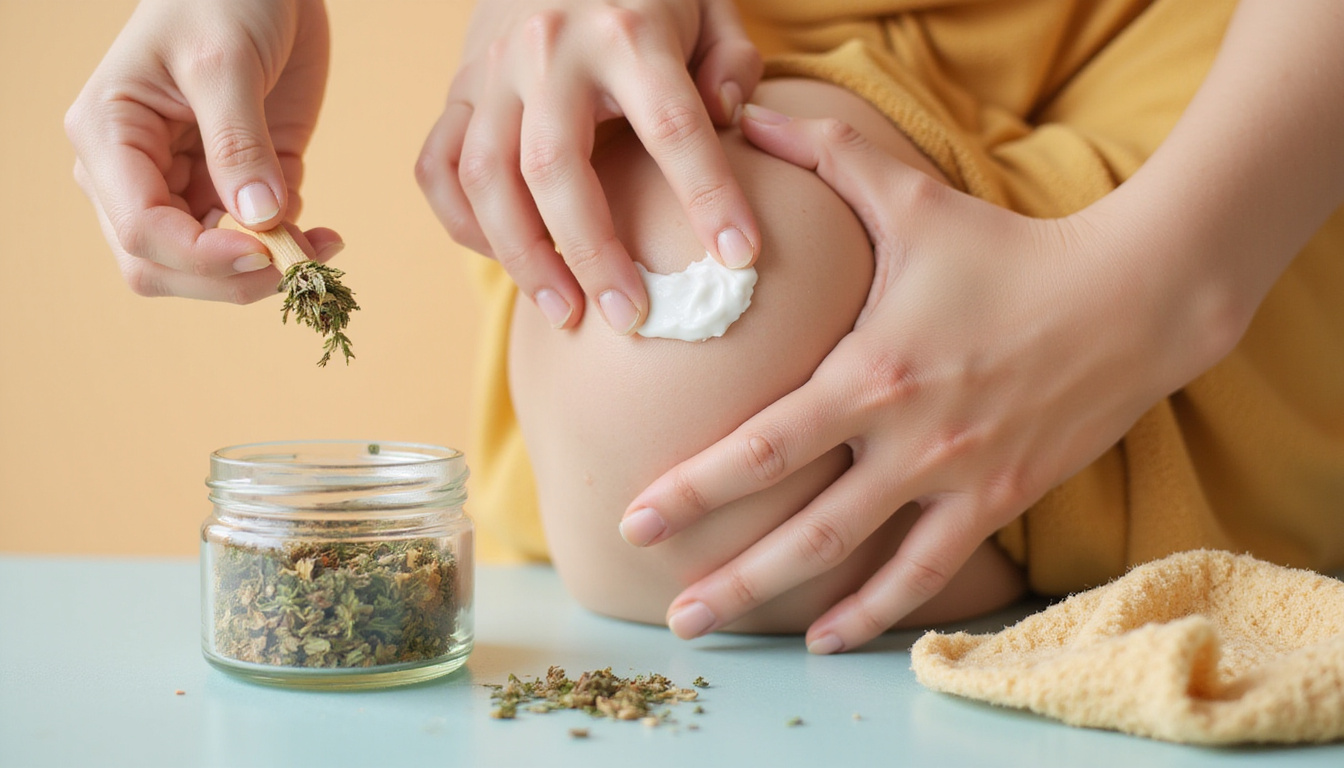
Food and Hydration for Happier Joints and Muscles
You do not need a perfect diet; you need one that clearly supports your body.
Think of food as steady background care for your joints and muscles.
Ideas to help include:
- Protein at every meal: eggs, Greek yogurt, fish, poultry, beans, or tofu.
- Healthy fats: olive oil, avocado, nuts, seeds, and fatty fish like salmon.
- Colorful veggies and fruits for antioxidants that support tissue health.
-
Hydration: Even mild dehydration can make joints and muscles protest.
Drink water regularly through the day.
Try to limit ultra-processed foods, heavy snacks late at night, and too much sugar or alcohol.
Many women notice that these choices worsen discomfort and disturb sleep.
Supplements and Perimenopause Body Aches: What to Know
Many women search for over-the-counter help for joint and muscle care.
It is important to know what supplements can and cannot do.
In the U.S., supplements are treated as foods, not medicines.
This means:
- They do not diagnose, treat, cure, or prevent disease.
- They may support normal joint, cartilage, bone, and muscle function.
- Their quality, dose, and formula count—choose reputable brands.
Some women look for supplements that:
- Support joint comfort and flexibility
- Help maintain healthy cartilage
- Aid muscle recovery after daily activities
- Keep them active, mobile, and independent as they age
Always talk to your healthcare provider before adding a supplement, especially if you take other medications.
Fast Relief vs. Long-Term Strategy
When body aches strike, you need both a quick fix and a long plan.
Both approaches help you in the moment and over time.
Short-term relief can be:
- Gentle stretching, using heat packs, or a warm shower
- A short walk to loosen stiff areas
- Over-the-counter pain relief used as directed by your provider
Long-term relief focuses on:
- Regular gentle movement and strength exercises
- Better sleep habits and stress management
- A healthy diet with proper nutrition and hydration
- Smart use of joint and muscle support supplements
Think of it as a two-step strategy:
- Ease the current pain.
- Build habits that reduce future pain and stiffness.
A Simple Weekly Plan to Reduce Perimenopause Body Aches
Here is a weekly plan that many busy women find clear and doable, even with a tight schedule:
-
Daily (5–15 minutes):
- Do light stretching, mobility work, or yoga.
- Take short walks, even if around your block or office.
- Reset your posture: pull your shoulders back, engage your core, and keep your chin level.
-
2–3 days per week:
- Do strength training focused on legs, hips, back, core, and shoulders.
-
Every night:
- Follow a wind-down routine 30–60 minutes before bed.
- Avoid screens and work emails near bedtime.
-
Ongoing:
- Stay well hydrated.
- Focus on protein and colorful vegetables.
- Talk with your provider about joint and muscle support supplements if needed.
Small, consistent steps can add up quickly to reduce your pain.
FAQ: Common Questions About Perimenopause Body Aches
-
Are perimenopause body pains normal, or should I worry?
Many women face new body aches, joint stiffness, and muscle pain during perimenopause.
These arise from hormone shifts, sleep changes, and stress.
If the pain is severe, one-sided, or lasts long, consult a healthcare professional. -
How can I relieve perimenopause aches naturally?
Ways to ease aches include regular, low-impact movement, gentle strength training, stretching, and heat therapy (like warm baths or heating pads).
Better sleep, calm stress, and a nutrient-rich diet all help too.
Some women also add high-quality supplements for extra support.
Always check with your provider before trying new supplements. -
Do supplements really help with perimenopause joint pain and stiffness?
Some well-made supplements may help support joint mobility and muscle recovery.
They are not a cure; use them as a part of a balanced plan that includes movement, sleep, stress management, and nutrition.
Choose brands that are trusted and talk with your clinician before starting any new product.
For more details, watch this FAQ video about Regenerix Gold on YouTube:
https://youtu.be/mGrH5UWFxUs?si=X9bScbG6dvejGkZf
Why Regenerix Gold Appeals to Smart, Midlife Women
If you read this, you are likely the woman everyone counts on at work and home.
You do not have time to be slowed by perimenopause body aches.
You also do not want to risk your long-term mobility when job demands and healthcare costs rise.
Regenerix Gold targets women like you—those in perimenopause who want to support healthy joints and muscles.
It does not claim to diagnose, treat, cure, or prevent any disease.
Instead, it fits into a proactive lifestyle that values:
- Keeping control over your body and choices
- Protecting your ability to work, earn, and care for family
- Avoiding the long-term toll of ignoring your body’s signals
You have worked hard and come far.
Do not let stiffness and aches slowly drain your energy, sleep, and performance.
If you are ready to support your joints and muscles as you support everyone else, consider adding Regenerix Gold.
Use it along with good movement, sleep, and nutrition habits as part of your plan for an optimal life.
Your body is changing, but your standards do not need to drop.
Step into this phase as the driver of your life, not a passenger.
https://youtu.be/mGrH5UWFxUs?si=X9bScbG6dvejGkZf
Health Note
Always consult a licensed medical doctor for your health issues.
Perimenopause Discount
If you are a Perimenopausal Woman who prefers preventive nutrition to minimize expensive surgery and potentially addictive pharmaceuticals, Regenerix Gold is your savvy solution.
Perimenopausal Women qualify for a special discount.
Simply use the link below and a discount will automatically be applied during checkout.
Get Regenerix Gold => HERE


