
perimenopause exercises to Reclaim Energy, Beat Hot Flashes, and Strengthen Bones
由 Zestora 上 Jan 15, 2026

If you wake at 3 a.m. and your knees ache, your back feels tight, and your energy has dropped, you are not alone. Many women feel that specific perimenopause exercises hold their hand during this change. They help with stamina, mood, and muscle or joint twinges that appear suddenly.
This routine is not about being “bikini ready.” It is about staying strong. It is about lifting heavy groceries, sitting through long Zooms without pain, and doing the things you love without next-day punishment.
Why Perimenopause Feels Different in Your Body
During perimenopause, estrogen and progesterone swing quickly. These changes link to:
• Joints that feel stiff or achy after long sitting
• Tight neck, shoulder, or low-back from desk work
• Muscles that do not spring back as they once did
• Fatigue after simple workouts
Also, your body loses muscle and bone density with age. This affects your posture, balance, and comfort (source: NIH). That is why perimenopause exercises designed for your stage now are so strong.
Think of exercise as daily upkeep for your joints, muscles, and energy reserves.
The Three Pillars of Perimenopause Exercise
For perimenopausal women, the best routine each week blends:
- Strength training – supports joints, builds muscle, and protects bones
- Low-impact cardio – lifts mood, boosts stamina, and eases heat stress
- Mobility and balance work – keeps your body moving smoothly and steadily
Let us outline how this can work in life.
Strength Training: Your Friend for Bones and Joints
If you have only run on treadmills, this is your friendly push to try weights.
During perimenopause, strength training:
• Maintains bone density
• Supports muscles around the knees, hips, and spine
• Makes daily tasks like lifting laundry or carrying kids easier
• Gives you a sense of being “held together” rather than fragile
Simple Strength-Focused Perimenopause Exercises
Aim for 2–3 days per week of strength work. Use light weights and check your form.
Try a routine like this:
-
Sit-to-Stand Squats
• Sit on a chair, stand slowly using your legs, not your arms.
• This move uses your thighs, hips, and knees. -
Wall or Counter Push-Ups
• Place your hands on a wall or counter. Step your feet back and lower your chest.
• This work builds your chest, shoulders, and arms without heavy stress. -
Glute Bridges
• Lie on your back. Bend your knees and place your feet on the floor.
• Press through your heels and lift your hips to work your glutes and back. -
Light Dumbbell or Resistance Band Rows
• Hinge at your hips. Pull the weight or band toward your ribcage.
• This move helps fix desk hunch and supports your upper back. -
Standing Calf Raises
• Hold the back of a chair. Lift your heels, pause, and lower them.
• It supports your ankles, balance, and leg circulation.
Try 1–2 sets of 8–12 reps for each move. If a joint feels painful, use a smaller range of motion or swap with another move.
Cardio That Keeps You Cool and Energized
Cardio stays important, but it now has to be smart. Many women feel that long, intense workouts leave them exhausted or overheated.
Instead of the old “no pain, no gain” idea, choose moderate, low-impact perimenopause exercises that:
• Raise your heart rate without pounding your joints
• Lower stress and improve mood
• Work with your hot flashes rather than against them
Joint-Friendly Cardio Ideas
Aim for 150 minutes per week of moderate exercise. Split it into small sessions that fit your day:
• Brisk walking outdoors or on a treadmill
• Cycling on a stationary bike
• Using the elliptical machine
• Joining low-impact dance or step classes
• Trying water walking or aqua aerobics to be gentle on your joints
If hot flashes trouble you, pick a cooler time of day, keep a fan or cooling towel close, and wear moisture-wicking clothes. You should speak in short sentences during exercise. If you try to sing, it might be too hard. That level is enough for heart health and energy.
Mobility and Stretching: Undo the Effects of the Day
Many perimenopausal women say, “I feel stiff all the time.” Mobility moves help smooth out stiff joints.
Think of these exercises as oil for your body.
Gentle Daily Mobility Routine (5–10 Minutes)
• Cat-Cow Spinal Movements – on your hands and knees or sitting, arch your back, then round it.
• Shoulder Rolls – roll your shoulders forward and back to relieve tension.
• Hip Circles – stand with your hands on your hips and make slow circles to loosen your lower back.
• Ankle Circles – move your ankles to ease stiffness, especially if you sit a lot.
• Chest Opener at a Doorway – place your forearms on the frame and lean forward to open your chest.
Spend a few minutes most days. This makes getting out of bed or out of a car smoother and less stiff.
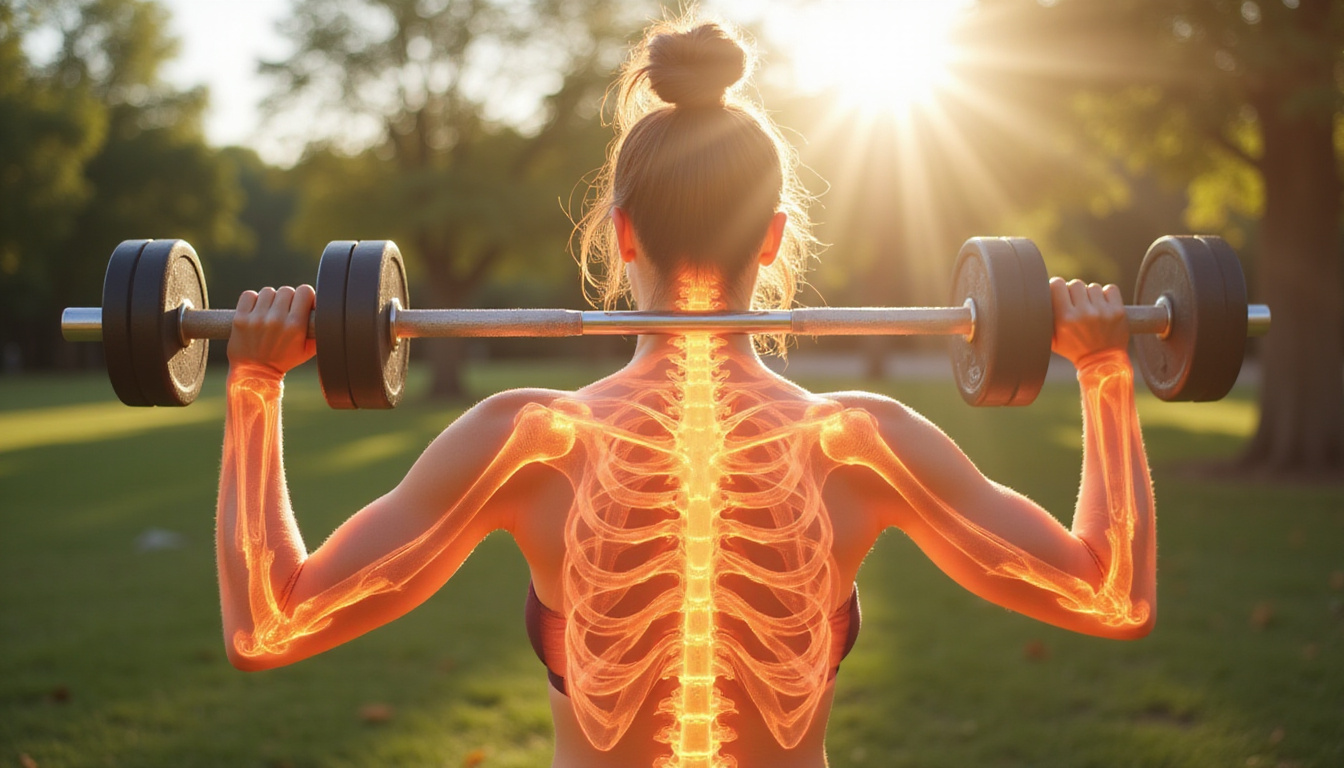
Balance Work: Power in Your 40s and 50s
Balance work often gets left out until you find yourself grabbing a railing too often. Balance exercises help:
• Cut your risk of falls
• Build confidence on uneven ground
• Engage your ankle, hip, and core muscles
Try adding these moves 3–4 times each week:
• Single-Leg Stand – hold a chair’s back. Lift one foot and balance, then switch.
• Heel-to-Toe Walk – walk slowly in a straight line as if on a tightrope.
• Side Steps with a Band – use small sidesteps with a resistance band to wake up hip muscles.
Even 30–60 seconds per leg can help when done often.
Exercising Around Joint and Muscle Discomfort
If your knees, hips, or back feel sore, you can still move. You just need to plan.
Follow this simple guide:
• Warm up first – do gentle marching, arm circles, or walking for 5 minutes.
• Listen to pain signals – warm-up discomfort can be okay, but sharp pain means stop.
• Lower the impact – choose cycling, walking, or swimming over running or jumping.
• Shorten sessions – try two 15-minute workouts instead of one long session.
• Rotate your focus – work on your upper body one day, lower body the next, then do full-body at light intensity.
If pain continues, talk to a healthcare professional before increasing your effort.
Sample Weekly Perimenopause Exercise Plan
Here is a plan that you can adjust for your day:
• Monday – 20–30 minutes brisk walking plus 5 minutes stretching
• Tuesday – 20–30 minutes of full-body strength training plus 5 minutes of balance work
• Wednesday – 20–30 minutes light cycling or water exercise
• Thursday – Strength training focused on the lower body plus a short walk
• Friday – 20 minutes of yoga, Pilates, or gentle mobility work
• Saturday – Active fun like hiking, dancing, or walking with friends or family
• Sunday – Rest or do very gentle stretching
The goal is consistency, not perfection. Being regular for months beats being perfect for two weeks and then stopping.
Supporting Your Active Lifestyle from the Inside
Your muscles and joints work hard while you manage perimenopause, work, family, and your busy life. Along with regular perimenopause exercises, many women add:
• Protein to help muscles
• Good hydration to boost energy and comfort
• Sleep habits like a dark, cool room and less caffeine at night
• Quality supplements for joint and muscle support
Supplements do not replace a balanced diet or professional care. Still, many women use them to stay active, comfortable, and strong during perimenopause. Always read labels, follow instructions, and ask a healthcare provider if you have concerns.
FAQ: Perimenopause Exercise Questions, Answered
-
What are the best perimenopause exercises for beginners?
Start with low-impact moves such as brisk walking, sit-to-stand squats, wall push-ups, light stretching, and simple balance work like standing on one leg while holding a chair. These moves are easy on your joints and fit into a busy day. -
How often should I exercise to ease muscle and joint discomfort?
Most women benefit from 150 minutes of moderate cardio per week, plus 2–3 sessions of strength training, and short daily mobility breaks. Consistency matters more than high intensity. Small, regular efforts add up. -
Can perimenopause workouts ease hot flashes and boost energy?
Regular, moderate exercise helps your overall well-being, mood, and stamina. Many women report that their perimenopause exercises help them feel more balanced and energized. These moves may not stop hot flashes, but they can help you manage them better.
Regenerix Gold: The Savvy Woman’s Partner for Active, Comfortable Living
If you want to stay strong, sharp, and independent during perimenopause and beyond, you know that ignoring your body can be costly—physically, financially, and emotionally. Missed work, extra doctor visits, and feeling left out of life all add up.
Women in perimenopause often mix a smart routine of perimenopause exercises with high-quality supplements for joint and muscle support. That is where Regenerix Gold steps in.
Regenerix Gold is made for those who refuse to slow down. It helps you move comfortably during long workdays, caring for family, travel, and daily demands. It is for women who choose daily upkeep over the costly effects of injury or fatigue.
If you wish to protect your strength and mobility and support your active life, consider adding Regenerix Gold to your daily routine alongside your perimenopause exercises.
Regenerix Gold
Health Note
Always consult a licensed medical doctor for your health issues.
Special Discount
If you prefer preventive nutrition to minimize expensive knee surgery and potentially addictive pharmaceuticals, Regenerix Gold is your savvy solution.
You qualify for a special discount.
Simply use the link below and a discount will automatically be applied during checkout.
Get Regenerix Gold => HERE


