

If you wake in the night with throbbing hips, tight shoulders, random knee pain, or a body that feels out of sync, you are not alone.
Perimenopause flare ups feel as if hormones seize control of your joints and muscles. One week you power-walk or do yoga; the next, your back complains as if you are 90 after folding laundry. It is frustrating and confusing. It is not simply “getting older.”
This guide speaks directly to American perimenopausal women who face new musculoskeletal aches, stiffness, and mystery discomfort. You will learn what is happening, how to quiet the chaos quickly, and how to support your body over time—without needing the energy of a 25-year-old.
What Are Perimenopause Flare Ups, Really?
Women use perimenopause flare ups to describe sudden days or weeks when everything feels extra:
- Extra emotional
- Extra stiff
- Extra achy
- Extra sensitive to stress, sleep changes, or weather
Perimenopause means your hormones—especially estrogen and progesterone—change before your final period. This change can affect:
- Muscle tone and repair
- Joint ease and motion
- Tendons and ligaments
- The way your body handles stress and load
Activities that once felt easy—carrying groceries, sitting at a desk, a long drive, a weekend of cleaning—can now trigger a burst of soreness, tightness, or fatigue.
You are not being dramatic. Your body is rewriting its own rules.
Why Your Joints and Muscles Suddenly Feel “Off”
Many women think midlife issues are just hot flashes and mood swings. Yet, hormone shifts also change how your muscles and joints work.
During perimenopause flare ups, many women say:
- “My knees feel heavy and creaky when I stand up.”
- “My hips feel very tight after long Zoom calls.”
- “My hands feel stiff in the morning, as if they need to wake up.”li>
- “I recover from workouts much slower than before.”
These feelings relate to:
- Estrogen shifts that affect muscles, connective tissue, and overall comfort.
- Body makeup changes, like extra mid-section weight that stresses knees, hips, and back.
- Sleep problems, which slow recovery and repair.
- Stress from work, family, and life challenges that increases tension.
This is not laziness or weakness. It is a deep change that calls for respect and a smarter support plan.
Fast Calm: What to Do During a Perimenopause Flare Up
When a flare hits and you must cope through the day, use realistic strategies. These ideas work between meetings or after your kids sleep. You do not need a fantasy two-hour spa day.
1. Switch from “Push Through” to “Reset Mode”
If you usually push hard through pain, try a new idea:
During a flare, less is often more.
- Choose low-impact workouts (walking, gentle cycling, Pilates, yoga) instead of high-impact ones.
- Reduce heavy lifting or high-intensity exercises for a few days.
- Focus on movement that lubricates your joints rather than punishing them.
A good test is to feel better 1–2 hours after moving, not worse.
2. Use Smart, Targeted Movement Snacks
You do not need a full workout all the time. Short “movement snacks” can ease stiffness and help calm your body.
Try 3–5 minutes every few hours of:
- Gentle hip circles
- Shoulder rolls and chest-opening stretches
- Slow seated spinal twists
- Ankle circles and calf stretches
Think of these actions as oil for your joints—not as training for a marathon.
3. Heat, Cold, and Supportive Tools
Simple tools often bring relief during perimenopause flare ups. Keep these at home or even at your desk:
- Warm baths or showers to ease muscle tension
- Heating pads for a tight lower back or hips
- Cold packs for puffy or irritated spots after movement
- Supportive braces or compression sleeves for knees or wrists on active days
Choose the tool that brings you the most ease. There is no reward in suffering.
Everyday Habits That Help Prevent Flare Ups
After a rough patch, the aim is to lessen both the frequency and the impact of flare ups.
Prioritize Joint-Friendly Movement (Not Just “Exercise”)
During perimenopause, movement means protecting function more than burning calories. Focus on:
- Low to moderate cardio (brisk walking, elliptical, swimming)
- Strength training 2–3 times a week with careful, controlled moves
- Mobility and stretching that targets your hips, shoulders, and spine
You want to be the woman who can stand up easily, lift a carry-on into an overhead bin, and walk a full day on vacation without fear.
Protect Your Sleep Like It’s a Paycheck
Hormone changes can ruin your sleep. Poor sleep makes pain and slow muscle recovery worse. Try to:
- Keep a consistent sleep and wake time every day
- Follow a wind-down routine: dim lights, avoid scrolling, take a warm shower
- Sleep in a cool room; many perimenopausal women rest better at 65–68°F
Even small improvements in sleep can make flare ups feel much more manageable.
Stress Management That Fits Real Life
Stress shows itself as a tight neck, clenched jaw, stiff shoulders, or shallow breaths. Perimenopause may heighten these signs.
Try small, real practices like:
- 5 slow belly breaths before you start work
- A 10-minute walk after lunch—step away from your phone
- A short body scan in bed to relax each part from your jaw to your toes
These small resets may seem trivial, but over weeks they can ease tension and support your muscles and joints.
How Nutrition and Targeted Supplements Fit In
Food and supplements cannot fix hormones. They do, however, support muscles and joints as your body navigates changes.
Nourish Your Muscles and Joints from the Inside
Many perimenopausal women feel better when they:
- Eat enough protein all day for muscle repair
- Include healthy fats (olive oil, avocado, nuts)
- Enjoy plenty of colorful fruits and vegetables for their natural compounds
- Stay well hydrated to help joints and muscles stay lubricated
These basics are key. Some women also choose joint and muscle support supplements to help them stay active and comfortable.
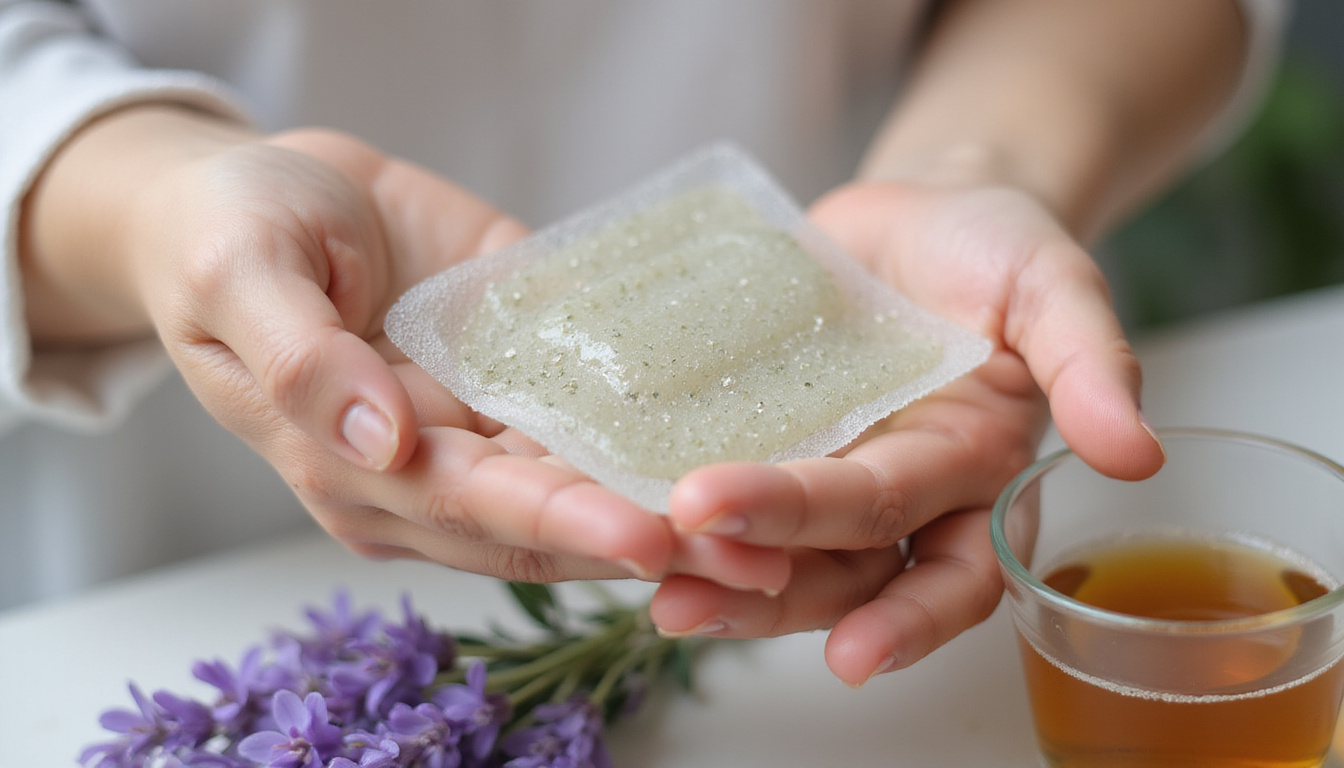
The National Institutes of Health studies certain nutrients that keep joint comfort and mobility as we age (source: NIH Office of Dietary Supplements).
Any supplement mentioned here supports normal body structure and function. These products are not meant to diagnose, treat, cure, or prevent any disease. Always speak with your healthcare provider before you start any new supplement, especially if you take medications, are pregnant, or are breastfeeding.
Why Perimenopausal Women Are Turning to Regenerix Gold
Many American women in their 40s and early 50s now see that ignoring musculoskeletal health during perimenopause comes with a price:
- Time off work because of discomfort
- Missed opportunities when you feel you “just can’t cope”
- Rising healthcare costs from frequent tests, visits, and missed prevention
A comprehensive joint and muscle support supplement becomes very appealing in this light.
Regenerix Gold is made for adults who want to keep healthy joints and muscles so they can remain active, productive, and independent. It is not a treatment for any disease. It supports:
- Daily joint comfort
- Flexibility for normal tasks
- Muscle function so you can keep pace with work, family, and your goals
For perimenopausal women juggling a tough career, children, aging parents, and bodily changes, a targeted supplement feels like a smart, proactive choice.
Regenerix Gold
Practical Daily Routine to Reduce Perimenopause Flare Ups
Here is a simple, realistic daily plan you can adapt. You do not need perfection—consistency is key.
-
Morning (5–10 minutes)
- Do gentle stretches for your hips, back, and shoulders
- Drink a glass of water before your coffee
- Take your daily supplements as your healthcare provider advises
-
Workday
- Stand or walk for 3–5 minutes every 60–90 minutes
- Alternate between sitting and standing if you use a sit-stand desk
- Relax your jaw and drop your shoulders when you can
-
Evening
- Engage in light joint-friendly movement: a gentle walk, yoga, or mobility work
- Turn off screens 30–60 minutes before bed
- Practice a short relaxation routine: breathing, stretching, or journaling
Over time, this routine can reduce both the intensity and frequency of flare ups.
FAQs About Perimenopause Flare Ups and Musculoskeletal Discomfort
1. Are perimenopause flare ups normal for joint and muscle pain?
Many women notice more joint stiffness, muscle tightness, or slower recovery in their 40s and early 50s when hormones change. While these symptoms are common, any new or worsening pain should be discussed with your healthcare provider. “Normal” does not mean you must ignore it.
2. How can I calm perimenopause joint flare ups quickly on a busy day?
Many women find quick relief by combining gentle movement, heat or cold, short stretching breaks, hydration, and a brief pause from high-impact activities. Consistent support—through daily habits and, if needed, supplements for joint and muscle health—can shorten flare duration and make them more bearable.
3. Do perimenopause muscle flare ups mean I should stop exercising?
Usually, no. Most perimenopause flare ups do better with modified movement instead of complete rest. You may swap high-impact workouts for low-impact cardio, focus on precise strength training, and add more mobility work. If your pain stays severe or sudden, talk to your healthcare professional.
Claim Back Control: Why Smart Women Plan Ahead
Perimenopause can feel like your body rewrites its rules without asking you. Yet you still have control—especially if you plan ahead rather than wait for a crisis.
Women who take charge in their 40s and 50s often:
- Keep their careers strong by staying physically steady and mentally alert
- Avoid the cost of always "pushing through" pain
- Reduce worries about future medical bills by choosing prevention and daily support now
If you want to be the woman who climbs stairs with ease, travels without a week of pain afterward, and says yes to opportunities instead of fearing bodily limits, then support your joints and muscles intentionally.
Regenerix Gold is recommended for perimenopausal women who want healthy joints and muscles so they can live life on their own terms—without letting hormonal chaos slow them down. Choosing a targeted supplement now is a smart move that sets apart those who endure perimenopause from those who manage it well—protecting their bodies, their work, and their independence.
Health Note
Always consult a licensed medical doctor for your health issues.
Special Discount
If you prefer preventive nutrition to minimize expensive knee surgery and potentially addictive pharmaceuticals, Regenerix Gold is your savvy solution.
You qualify for a special discount.
Simply use the link below and a discount will automatically be applied during checkout.
Get Regenerix Gold => HERE


