

Perimenopause appears in many ways. If you are in your 40s or early 50s and feel that your body is suddenly a mystery, know you are not alone. Your joints ache, your hips tighten, your lower back is sore, and your shoulder pain comes without warning. Many women search late at night for perimenopause pain relief. You can act naturally, realistically, and regain control of your body.
Below are 9 expert-backed, natural strategies for perimenopausal women in America who fight musculoskeletal discomfort every day—even when free time, energy, or patience is not in abundance.
Why Perimenopause Can Make Everything Ache
Hormones change. Estrogen levels fluctuate. Muscles and connective tissues respond. You may notice stiffness when you rise. Your knees or hips resist as you climb stairs. Neck and shoulders tense after using a laptop or phone. Your hands or wrists feel tight from typing or cooking.
Stress, poor sleep, weight gain, and less movement add together. An effective pain relief plan must change your whole lifestyle, not just use one quick fix.
1. Redesign Your Morning: Gentle Mobility Before the Chaos Starts
Mornings can start in a hurry. Those first 5–10 minutes are important. They set your joints into motion for the whole day.
Try this simple wake‑up sequence before you check your phone or email:
• Do cat–cow on the bed. Arch and round your back 8–10 times. Let the spine loosen.
• Perform seated ankle circles. Rotate each ankle 10 times in both directions. Ease lower‑leg stiffness.
• Complete shoulder rolls. Roll forwards and backwards 10 times. Release neck and upper‑back tension.
• While standing at the sink, do gentle hip circles. Make small circles in both directions as you brush your teeth.
This mini‑routine keeps blood close to your joints, warms them, and helps cut down that “rusted Tin Man” feeling.
2. Strength Training for Women Who Don’t Want to Live in the Gym
Muscles support you. They help your joints take daily wear and tear. With strong muscles comes less strain and less pain.
You do not have to spend hours in the gym. Aim for 2–3 short strength sessions each week. Each session should last 15–25 minutes. Focus on these groups:
• Glutes and hips: Try bridges, chair squats, and side‑lying leg lifts.
• Core: Perform dead bugs, bird dogs, or modified planks.
• Upper body: Do wall push‑ups, light dumbbell rows, and band pull‑aparts.
Start light. Listen to your body for 24–48 hours after each session. Slight soreness is normal. Sharp or worsening pain means you should slow down and talk with a professional.
Strength training supports the very muscle and joint connections that keep you moving.
3. Upgrade Your Desk and Couch Habits (Without Quitting Netflix)
Many women balance work, home life, and caring for others. This balance means long hours in front of a screen. Small changes can greatly reduce aches.
At your desk:
• Place your screen so its top is at your eye level.
• Keep both feet on the floor, or use a small footrest.
• Place a small pillow or rolled towel behind your lower back.
• Set a timer that reminds you to stand, stretch, or walk every 45–60 minutes for 2–3 minutes.
On your couch:
• Do not sit twisted for long periods. Avoid half‑lying positions with a bent neck.
• Use pillows to support your lower back and your knees when reclining.
• Change positions often. Your joints like variety.
These small posture tweaks keep your muscles balanced and reduce discomfort in your neck, shoulders, and lower back.
4. Food Choices That Support Your Muscles and Joints
No single diet fixes perimenopause pain. Yet you can support your body with mindful eating.
Focus on these foods:
• Eat protein at every meal. Eggs, Greek yogurt, tofu, chicken, fish, beans, and lentils help repair muscles.
• Fill your plate with colorful plants. Berries, leafy greens, peppers, and cruciferous vegetables hold antioxidants that support tissues.
• Enjoy healthy fats. Avocado, nuts, seeds, olive oil, and salmon add beneficial fatty acids.
• Stay hydrated. Even mild dehydration can make muscles feel tight. Drink water throughout the day.
Limit ultra‑processed foods and too much sugar. They can make you feel puffy, sluggish, or achy. Small, sustainable changes serve you better than sudden, strict overhauls.
For more nutrition guidance, you can visit the Office on Women’s Health from the U.S. Department of Health & Human Services (source: https://www.womenshealth.gov).
5. Sleep: The “Pain Amplifier” No One Warned You About
Poor sleep makes all discomfort worse. When sleep is fragmented, pain feels more intense.
To help your rest, follow these tips:
• Set a “wind‑down alarm” 45–60 minutes before bed. Use it as a reminder to unplug and slow down.
• Create a simple bedtime routine. Dim the lights, wash your face, stretch gently, and enjoy a calming tea (if approved by your provider).
• Keep your room cool and dark. Use breathable bedding and a fan when needed.
• Write down your racing thoughts. Keep a notepad by your bed to capture ideas for tomorrow.
Even if you do not get a perfect 8 hours, improving sleep quality eases daily aches.
6. Smart Movement on High‑Stress Days
Perimenopause can bring high stress from work, family, and life. Stress hormones make muscles tense. On those hard days, choose short movement breaks instead of a full workout:
• Take 5 minutes to walk between meetings.
• Spend 2 minutes on shoulder, chest, and neck stretches after long calls.
• Do 10 slow squats while you wait for the kettle or microwave.
• Try gentle yoga or stretching while watching TV.
Small movements act as pressure release for both your nerves and joints. They do not have to be perfect. They must be consistent.
7. Respecting Your Limits: When to Modify, Not “Push Through”
Many women in midlife tend to push through pain. Perimenopause asks you to work with your body instead of against it.
Modify if you feel:
• Sharp, stabbing, or one‑sided pain.
• Discomfort that lasts more than a couple of days after activity.
• Increasing weakness, numbness, or changes in coordination.
Modification means adjusting your activity:
• Swap high‑impact workouts for low‑impact moves like cycling, swimming, walking, or using an elliptical.
• Temporarily lower exercise intensity or duration.
• Consider supportive options like physical therapy, massage, or doctor‑advised exercise programs.
Always talk with your healthcare professional if you are unsure, especially before starting or changing any exercise routine.
8. Natural Self‑Care Rituals That Actually Fit into Your Life
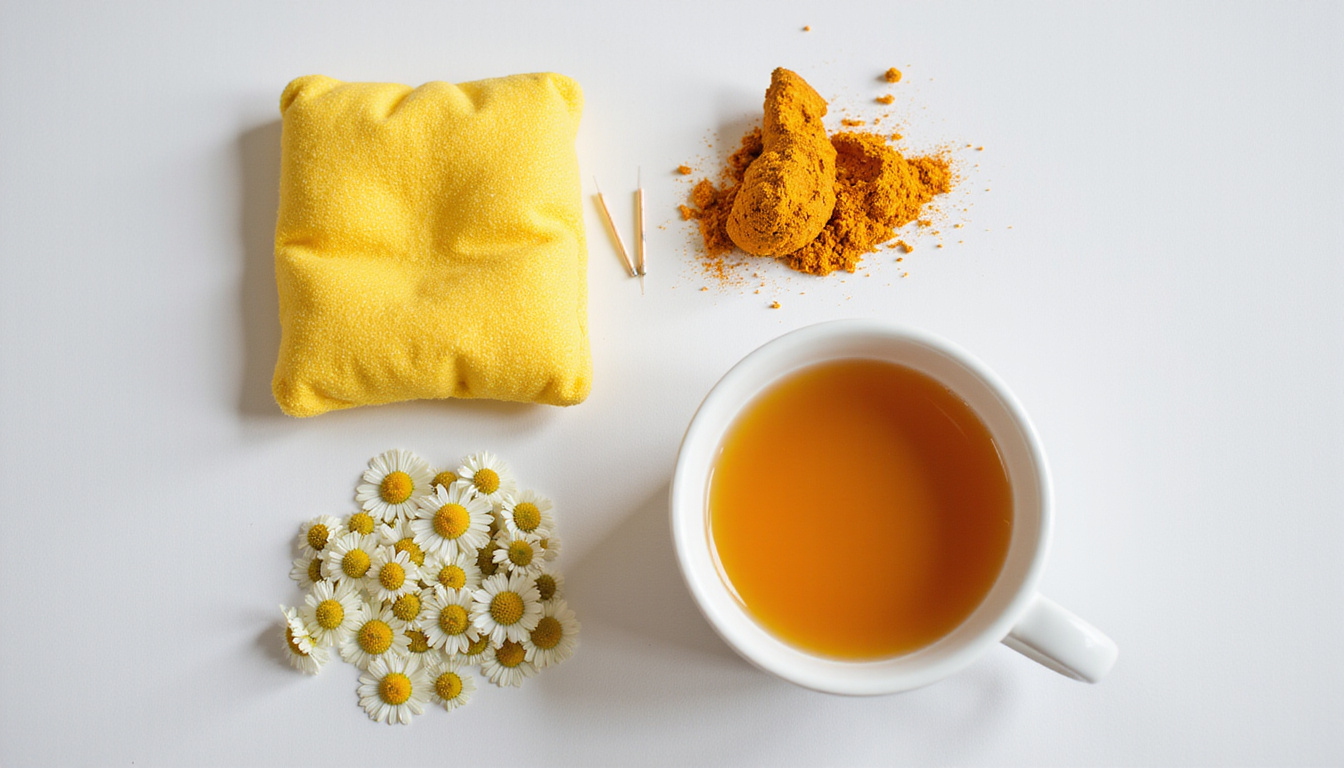
You do not need a full‑day spa retreat to nurture your muscles and joints. Home‑based care works well:
• Take a warm shower or bath. The heat can ease stiffness and relax muscles.
• Do simple self‑massage. Use your hands or a massage ball on your calves, glutes, or shoulders. Stay gentle and breathe slowly.
• Alternate activity and rest. If you do chores, break them into shorter chunks with mini stretch breaks.
• Try gentle yoga or tai chi. Even a 10–15 minute online session improves balance, flexibility, and comfort.
Regular small rituals can be more powerful than occasional big gestures.
9. Thoughtful Supplement Support for Joint and Muscle Comfort
Many women add supplements to their perimenopause pain relief routine. This approach can help you stay active, work well, and care for your family—all without solely relying on over‑the‑counter remedies.
In the United States, supplements are regulated as food. They are not meant to diagnose or treat disease. Still, certain ingredients can:
• Support healthy joint function.
• Help maintain comfortable movement.
• Offer nutrients for muscles and connective tissues.
When you choose a supplement, look for these qualities:
• A transparent list of ingredients.
• Sensible dosages that reflect current science.
• A manufacturer that follows good manufacturing practices (GMP).
• Clear advice to speak with a healthcare professional, especially if you are on medications or have other health conditions.
Always talk with your doctor or pharmacist before starting any supplement regimen during perimenopause.
Quick Checklist: Daily Habits for Perimenopause Joint and Muscle Comfort
Use this list as a gentle reminder each day:
- Did you complete 5–10 minutes of morning mobility?
- Did you move your body for a total of 20–30 minutes today (even in short sessions)?
- Did you include protein at every meal?
- Did you stand or stretch at least once every hour while you worked or relaxed?
- Did you give yourself 10–15 minutes to wind down before bed?
- Did you listen to your body and adjust instead of forcing through sharp pain?
- Did you support your joints and muscles with any doctor‑approved supplements or self‑care tools?
You need not do every box perfectly each day. The more you check, the more your body feels supported during this transition.
FAQ: Perimenopause Pain Relief Questions Women Actually Ask
Q1: What is the best natural perimenopause pain relief for joint stiffness?
There is no single “best” method. Many women find relief by combining gentle strength training, daily mobility work, posture improvements, proper protein and water intake, stress management, and supplements approved by their healthcare provider. Layering small, sustainable habits works better than one silver bullet.
Q2: Are there safe options for perimenopause joint pain relief if you work full‑time?
Yes. Desk‑friendly stretches, short walking breaks, supportive shoes, an ergonomic workspace, and brief evening mobility routines all fit a full schedule. Many women also add dietary supplements that support joint and muscle health after discussing these options with a doctor or pharmacist.
Q3: How can you get perimenopause muscle pain relief without long hours of exercise?
Focus on short, targeted sessions—10–20 minutes of strength training a few times a week, along with 5–10 minutes of stretching or yoga most days. Add micro‑movement breaks like taking stairs or quick stretches. These add up to meaningful benefits without long gym sessions.
See How Regenerix Gold Fits into a Savvy Perimenopause Strategy
If you are a perimenopausal woman in America who wants to stay sharp at work, lower healthcare costs, and enjoy life outside your job, caring for your joints and muscles is essential. Waiting until discomfort forces you to slow down can cost you physically, emotionally, and financially. Act now with proactive steps.
Regenerix Gold is a dietary supplement made for adults who want support for healthy joints and muscles. It is especially designed for women in midlife who choose smart daily habits and quality supplement support. While Regenerix Gold is not intended to diagnose, treat, cure, or prevent any disease, many choose it as part of a broader lifestyle plan for comfort, mobility, and longevity.
If you are ready to work with your body during perimenopause instead of fearing it, talk with your healthcare professional about adding Regenerix Gold to your routine. Staying active, productive, and independent today helps protect your future freedom, career options, and peace of mind.
Regenerix Gold
Health Note
Always consult a licensed medical doctor for your health issues.
Special Discount
If you prefer preventive nutrition to minimize expensive knee surgery and potentially addictive pharmaceuticals, Regenerix Gold is your savvy solution.
You qualify for a special discount.
Simply use the link below and a discount will automatically be applied during checkout.
Get Regenerix Gold => HERE


