
perimenopause swelling: Simple fixes to reduce bloating and discomfort
由 Zestora 上 Jan 09, 2026

If you hit your 40s and your rings feel tight, your jeans feel snug by mid-afternoon, or your ankles swell after a long day, you are not mistaken.
Hormones shift. Muscles and joints change. Your body no longer uses the old tricks to stay comfortable.
This guide explains why swelling and bloating appear during perimenopause and what you can do about them when you balance work, family, and a body that now sets its own pace.
Why perimenopause swelling happens
During perimenopause, estrogen and progesterone do not go down in a smooth line. Instead, they spike, crash, and zig-zag. This rollercoaster of hormones affects:
• How your body holds water
• How your digestion works
• How you feel in your joints, muscles, and tissues
• How fast you recover after sitting, standing, or working
Key reasons for more swelling and bloating include:
1. Fluid retention from hormonal shifts
Fluctuating estrogen changes how your body handles sodium and water. You may see:
- Puffy fingers in the morning
- Tight shoes later in the day
- A “pillow face” or swollen eyelids sometimes
2. Slower digestion and more gas
Perimenopause may slow your digestion. This can lead to:
- Belly bloating that worsens as the day ends
- Feeling full after a small meal
- More gurgling, gas, and that heavy stomach feeling
3. Changes in muscle tone and activity
Sitting more at work and long periods of inactivity reduce circulation. Less muscle use in your legs, core, and lower back adds to swelling.
- Your feet and ankles may puff up
- Lower legs may feel tight
- Hips and lower back may feel heavy or stiff
4. Stress and poor sleep
Night sweats, early wake-ups, and work stress raise cortisol. High cortisol encourages fluid retention and makes every ache or puffiness feel worse.
The difference between perimenopause swelling and “something else”
Most perimenopause swelling is annoying but harmless. It usually:
• Comes and goes with your cycle (even if it is now unpredictable)
• Changes with salty foods, long days on your feet, or travel
• Improves when you move, hydrate, and rest
However, if the swelling is new, sudden, shows up only in one leg, or comes with pain, shortness of breath, chest discomfort, or sudden weight change, get medical help. Always call your healthcare provider when you are unsure. This article is for education and support only. It does not replace professional care.
Everyday habits that can worsen swelling
You are not doing anything wrong. Modern life can shape a body that is now perimenopausal in ways that worsen swelling and bloating. Some habits include:
• Desk-bound days – Sitting long hours reduces blood flow to your legs and hips.
• Tight waistbands and shapewear – They may trap fluid and worsen belly bloating by evening.
• High-sodium takeout – Even “healthy” meals can have too much salt.
• Dehydration – Drinking mostly coffee and little water may increase water retention.
• All-or-nothing workouts – A few intense exercise sessions a week, paired with long sedentary hours, can leave you feeling puffy and stiff.
Small, realistic changes can improve your condition within days or weeks.
Simple fixes for perimenopause swelling and bloating
1. Use “micro-movement” to boost circulation
You do not need to hit the gym hard. Small, consistent moves help you. Try these during your workday:
• Stand up every 45–60 minutes
• March in place for 30–60 seconds
• Do 10 calf raises while holding a chair
• Roll your shoulders and circle your ankles during calls
These micro-movements help your muscles act as pumps, pushing fluid from your legs back toward your heart and easing swelling in feet, ankles, and knees.
2. Gentle strength work: your joints’ best friend
When estrogen shifts, muscle mass falls if you do not work to keep it. Strong muscles help your joints and support good posture. Try 2–3 days per week of gentle strength work focused on:
• Glutes (do bridges or chair squats)
• Core (perform modified planks or dead bugs)
• Upper back and shoulders (try rows or wall push-ups)
You do not need fancy equipment. Bodyweight, resistance bands, or light dumbbells work fine. Ask a professional for advice if you are new to exercise.
3. Smart hydration instead of “just drink more water”
Drinking water without thought is not enough. You want balanced hydration. Try these steps:
• Drink one full glass first thing in the morning
• Sip water steadily instead of drinking large amounts at once
• Add a pinch of mineral salt or a squeeze of lemon to one or two glasses if you sweat a lot or live in a hot climate (only if your healthcare provider agrees)
Well-hydrated tissues help regulate fluid balance and ease discomfort.
4. De-bloat your plate without dieting
Perimenopause is not the time for extreme dieting. Instead, support your digestion with food. Try these suggestions:
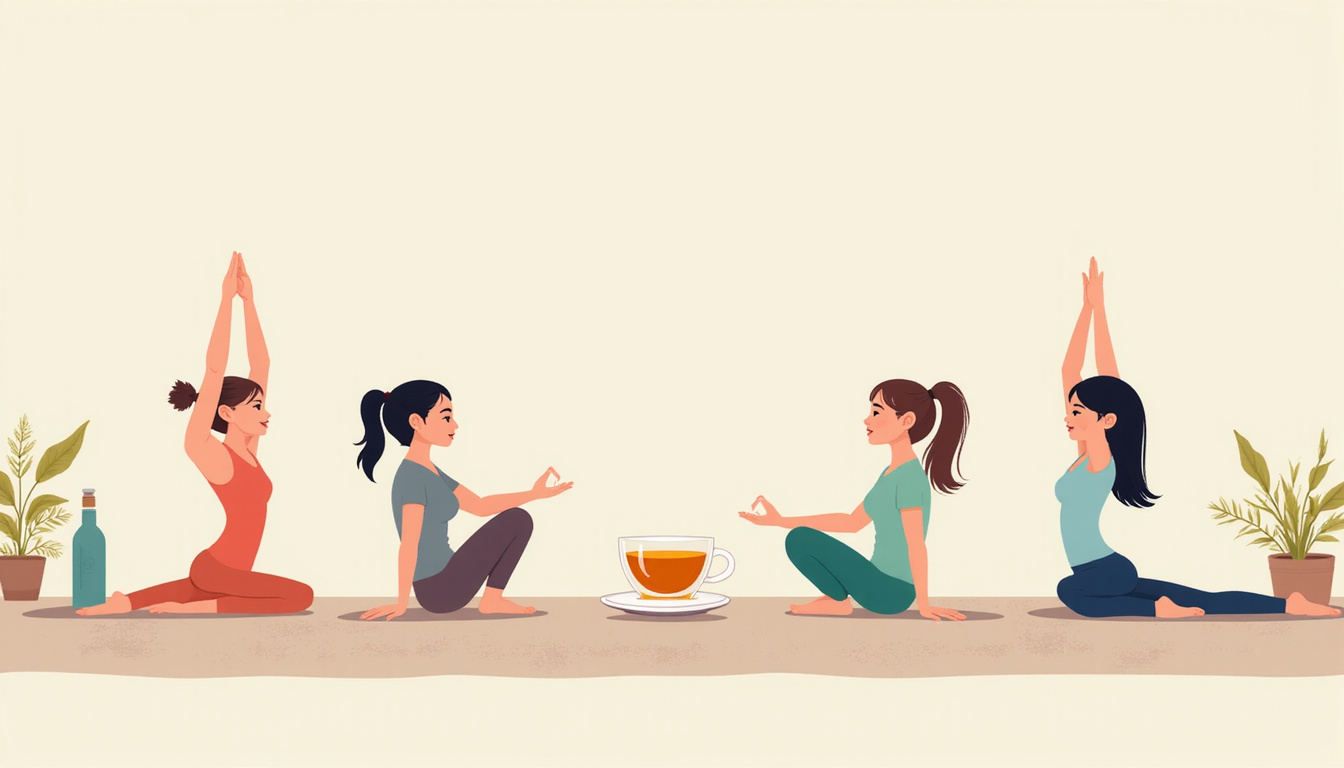
• More potassium-rich foods like bananas, avocado, leafy greens, beans, and sweet potatoes help balance fluid.
• Fiber from whole foods like oats, chia seeds, berries, and veggies help digestion. Increase fiber slowly with water to avoid extra gas.
• Watch sneaky sodium from restaurant meals, deli meats, canned soups, sauces, and frozen meals.
• Slow down eating to avoid swallowing extra air, which can create more gas.
Consistency in your eating habits is more important than perfection.
5. Body positioning tricks to ease swelling
Simple changes in how you sit, sleep, and move can reduce swelling. Try these:
• Uncross your legs – Crossing them restricts blood flow.
• Elevate your legs – In the evening, lie down and prop your feet on pillows above your heart for 10–20 minutes.
• Side-sleep with support – A pillow between your knees reduces strain on your hips and lower back.
6. Gentle self-care for muscles and joints
Perimenopause swelling often comes with muscle and joint pain. Common signs include:
• Stiff knees after sitting
• Achy feet after walking or standing
• Sore lower back when you rise
• Tight shoulders and neck from computer work
Help your body with:
• Warm showers or baths to loosen tight muscles
• Gentle stretching for 5–10 minutes each day (focus on hips, hamstrings, calves, and chest)
• Comfortable, supportive footwear instead of flat, unsupportive shoes
If pain or swelling becomes severe or suddenly worse, seek medical guidance right away.
Supplements and perimenopause swelling: what’s realistic?
Many perimenopausal women try supplements to help joint and muscle comfort. Remember:
• Supplements do not diagnose, treat, cure, or prevent disease.
• They work best in a lifestyle that includes movement, nutrition, sleep, and stress reduction.
• Quality matters. Always read labels and follow directions.
Talk with your healthcare provider before trying a new supplement, especially if you take medications or have ongoing health issues.
When to talk to your healthcare provider about perimenopause swelling
Even if perimenopause swelling is common, you should not ignore certain signs. Call a professional if you notice:
• Swelling that suddenly worsens or appears very quickly
• Swelling only in one leg, especially with warmth, tenderness, or redness
• Shortness of breath, chest discomfort, or unexplained fatigue
• Swelling with rapid, unexplained weight changes
Your provider can rule out more serious causes and offer strategies for your situation. For more on perimenopause, the North American Menopause Society is a useful resource (source: https://www.menopause.org).
A realistic daily routine to reduce swelling and discomfort
You do not need a perfect routine—just one that fits your life. Here is a sample many perimenopausal women find helpful:
-
Morning
• Drink one full glass of water
• Do 5 minutes of stretching (hips, calves, shoulders)
• Have a breakfast rich in protein and fiber (e.g., eggs with berries, or Greek yogurt with oats) -
Workday
• Stand or walk for 1–2 minutes each hour
• Uncross your legs, keep feet flat and shoulders relaxed
• Enjoy a lunch with vegetables, lean protein, and a modest amount of salt -
Evening
• Move gently for 10–20 minutes (walk, light strength work, or yoga)
• Eat a light, early dinner if possible
• Elevate your feet for 10–15 minutes while reading or watching TV
Small, repeatable habits build up over time. They support circulation, joint comfort, and steady energy.
FAQ: perimenopause swelling and bloating
Q1: Is perimenopause bloating normal, or should I worry?
Mild to moderate bloating is normal during perimenopause. Hormone shifts and digestion changes cause it. If the bloating is new, severe, sudden, or comes with pain, shortness of breath, or other symptoms, call your healthcare provider.
Q2: How long does perimenopause fluid retention last?
There is no single timeline. For some, swelling is occasional and cycle-related. For others, it may come and go for years. Supportive habits such as movement, hydration, nutrition, and stress management help ease symptoms as your hormones change.
Q3: What helps with perimenopause water retention and joint comfort together?
A combined approach works best. Regular gentle movement, strength training, smart hydration, nutrient-rich foods, and good sleep practices all help. Some women choose high-quality supplements for joint and muscle support. Always discuss any new plan with your healthcare provider.
Why Regenerix Gold fits a smart, proactive perimenopause plan
You have built your career, supported your family, and kept your life running. The last thing you need is swelling, stiffness, or nagging discomfort as you hit your stride.
This is where Regenerix Gold fits into your routine. It is a supplement for adults who want to support healthy joints and muscles so they stay active and truly involved in life. For perimenopausal women, that can mean saying “yes” to travel, long workdays, or weekend plans—without worrying about body discomfort.
Instead of facing expensive medical bills or lost workdays, you can take a proactive step. Women who plan ahead and take care of their bodies often spend less in the long run, both financially and emotionally.
If you value your independence and plan ahead, consider adding Regenerix Gold to your lifestyle of movement, smart hydration, and nourishing foods. Always follow label instructions and ask your healthcare provider if it fits your personal health needs.
Regenerix Gold
Health Note
Always consult a licensed medical doctor for your health issues.
Special Discount
If you prefer preventive nutrition to minimize expensive knee surgery and potentially addictive pharmaceuticals, Regenerix Gold is your savvy solution.
You qualify for a special discount.
Simply use the link below and a discount will automatically be applied during checkout.
Get Regenerix Gold => HERE

