

Pilates for inflammation works as a clear, smart strategy. It helps you stay long‑spined, strong, and supple. You do not want nagging soreness to slow you down. If you feel puffy, stiff, or “creaky” after long desk days, heavy training, or life stress, inflammation can slow your practice. A good Pilates plan, smart lifestyle moves, and the right supplements work together to ease aches. They help your body feel ready for the Reformer, the Cadillac, or your mat each day.
How Inflammation Shows Up in a Pilates Body
You do not need a diagnosis to tell that your tissues hurt. Many Pilates fans feel low‑grade, everyday inflammation as:
- Morning stiffness that blocks easy spine movement.
- Joints that resist a full range during Footwork, Elephant, or Swan.
- A feeling of thickness and puffiness around hips, knees, or shoulders.
- Muscles that stay sore longer than they should after a session.
These signs do not mean you are medically ill. They can be how your body asks for better recovery, smarter loading, and careful eating. Using Pilates for inflammation means you focus on gentle moves that boost circulation. These moves support joint comfort and muscle balance rather than high‑stress workouts.
Why Pilates Is So Supportive for Inflammation
When you choose Pilates for inflammation, you pick many benefits:
1. Low‑Impact, Highly Intelligent Load
Pilates gives you resistance with care. Using springs, bodyweight, and light props, you can:
- Strengthen around joints without adding extra stress.
- Open up tight fascial lines with both length and strength.
- Build stability in small, often forgotten muscles that keep movement clean.
2. Circulation Without Overheating the System
Gentle sequences like Hundred variations, Leg Circles, Bridges, and Side Kicks act like a pump for blood and lymph. More fluid movement can mean:
- Less stiffness after long sitting or travel.
- A sense of decongesting in the hips, ribs, and shoulders.
- Easier, smoother movements into deeper ranges over time.
3. Nervous System Down‑Regulation
Inflammation often ties to stress and a high nervous system load. Pilates breath work and a careful pace help you:
- Move away from fight‑or‑flight to a calm state.
- Let protective muscle guarding in the neck, hip flexors, and lower back drop.
- Improve body awareness so you catch strain before it grows.
Core Principles When Using Pilates for Inflammation
These are your “house rules” on the mat or equipment when your tissues feel sore.
Lead With Length, Not Ego
On inflamed days, you need decompression, not high performance.
- Keep movements small and pain‑free.
- Focus on axial elongation—from crown to tail—before adding load.
- Use props like a mini ball, magic circle, or yoga block to bring the floor closer.
Use Breath as Your Pace‑Setter
Let your breath guide your work:
- Inhale to prepare and expand tight areas (low ribs, side waist, back body).
- Exhale to move, gently engage the deep abs, and let muscles (jaw, glutes, upper traps) relax.
- If your breath feels short, slow down or reduce the range.
Prioritize Joint‑Friendly Angles
Choose neutral or slightly supported positions:
- Keep your knees lined with your second toes during Footwork or squats.
- Avoid deep end‑range loading. Do not try to prove your flexibility.
- Pick tabletop legs over full straight‑leg lifts if your hip flexors feel tight.
A Gentle Mat Sequence: Pilates for Inflammation Days
Use this on its own or before Reformer or chair work. Move slowly. Nothing should cause extra discomfort. If something does, skip that move.
1. Supine Breathing Reset
- Lie on your back with knees bent and feet at mat‑width.
- Rest your hands on your low ribs.
- Inhale and expand your ribs sideways and into the mat.
- Exhale and gently knit your ribs toward the center, engaging your pelvic floor.
- Do 8–10 cycles.
Focus: Calm your nervous system and ease overall tension.
2. Pelvic Clocks
- Stay on your back with feet under your knees. Keep your pelvis neutral.
- Imagine a clock on your pelvis: 12 o’clock is your navel, 6 o’clock is your pubic bone.
- Slowly rock from 12 to 6, then move from 3 to 9, and finally trace a small circle.
- Do 5 circles each way.
Focus: Move low back, sacrum, and hip joints with gentle motion.
3. Supported Shoulder Bridge
- Keep your feet hip‑width apart and your knees bent.
- Option: Place a folded towel under your sacrum for more support.
- Exhale, tilt toward 12 o’clock, and peel your spine into a small bridge.
- Inhale and lengthen your knees away without overextending.
- Exhale, lower your sternum, and let your spine articulate one vertebra at a time.
- Do 6–8 bridges.
Focus: Activate your glutes and move your spine without jamming your low back.
4. Side‑Lying Clamshell Series
- Lie on your side with hips stacked. Bend your knees at about 90° and keep your heels in line with your sit bones.
- Exhale to open your top knee without letting your pelvis roll back.
- Inhale to lower your knee slowly.
- Do 10–12 reps each side.
Optional: Add small pulses at the top for 10 counts. Stay within a pain‑free range.
Focus: Engage deep hip rotators to support your knees, hips, and lower back.
5. Quadruped Cat‑Cow With Long Spine Intent
- Get on your hands and knees. Place wrists under your shoulders and knees under your hips.
- Inhale to lengthen your crown and tail away from each other (long neutral position).
- Exhale to gently round your spine from pelvis to head (small flexion).
- Inhale to return to long neutral. Skip deep extension if it feels too compressive.
- Do 6–8 cycles.
Focus: Improve spinal mobility segment by segment without dramatic extreme ranges.
6. Bird Dog (Contralateral Reach)
- From a quadruped position, keep your spine long and neutral.
- Exhale to extend your right leg back and your left arm forward. Keep your pelvis level.
- Inhale to come back to the center.
- Alternate sides. Do 6–8 reps each.
- Option: Keep your toes on the floor and slide the leg if balance is hard.
Focus: Build deep core strength, shoulder stability, and hip control to support inflamed joints.
7. Seated Spine Stretch Forward (Soft Version)
- Sit upright on your sit bones. Use a cushion if your hamstrings are tight.
- Keep your legs hip‑width apart and add a slight bend in your knees.
- Inhale, grow tall through your crown.
- Exhale, nod your chin and roll forward over your legs. Let your ribs slide over your pelvis without collapsing.
- Inhale, widen your back ribs.
- Exhale, restack your spine from tail to crown.
- Do 5–6 reps.
Focus: Decompress your spine and open the back line of your body.
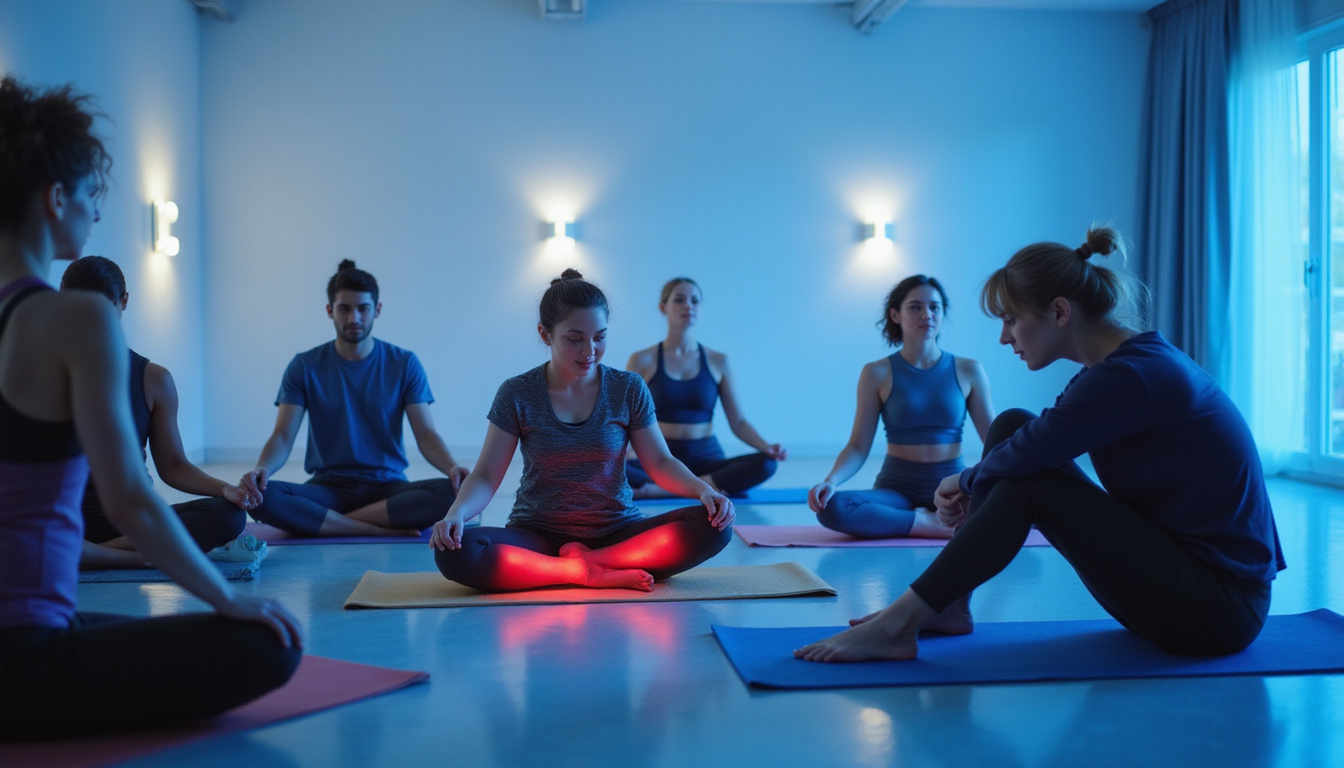
8. Modified Mermaid
- Sit in a comfortable cross‑legged or side‑sit position. Use blankets if needed.
- Place one hand on the mat while the other reaches overhead.
- Inhale to lengthen both sides of your waist.
- Exhale to side bend away from the grounded hand. Keep your opposite sit bone heavy on the mat.
- Do 4–5 gentle arcs each side.
Focus: Open your lateral line through your ribs, obliques, and hip.
Equipment Ideas: Using the Reformer and Props for Inflammation Support
When you bring Pilates for inflammation into the studio, think of support and circulation.
-
Reformer Footwork with a Higher Bar and Moderate Springs
This choice keeps your angles kind to your hips and knees and supports alignment. -
Short Spine Variations With Extra Props or None at All
If you love Short Spine, use heavier springs for more support, or opt for basic Hip Lifts. -
Strap Work in Supine (Leg Circles, Frogs)
Use straps to create gentle traction for your hips and low back. Focus on smooth, small circles. -
Foam Roller and Mini Ball
Use these for gentle myofascial release along quads, glutes, lats, and pecs. Roll slowly with mindful pressure.
When to Dial Back—and When to Get Checked
Pilates is safe and adjustable, but listen to your body:
- Sharp or growing pain during or after sessions.
- A sudden drop in range of motion.
- Swelling, redness, or heat around a joint that does not ease with rest.
These signs mean it is time to pause, adjust, and call a health professional. Pilates should help you feel more supported and less reactive.
Lifestyle Levers: Beyond the Mat
To get the best from Pilates for inflammation, look at your whole routine.
Respect Recovery Windows
- Alternate days of high‑intensity work (jumpboard, advanced moves) with gentler, mobility‑focused sessions.
- Prioritize sleep. Poor sleep can increase inflammatory markers.
- Take “movement snacks” during your workday. Try a few cat‑cows at your desk, wall roll‑downs, or standing hip circles.
Hydration, Nutrition, and Supplements
Food and supplements cannot cure or treat health issues on their own. They can, however, be part of a plan that supports healthy joints and muscles:
- Stay hydrated. Water helps your tissues recover.
- Eat a balanced mix of whole foods. Include lean proteins, fruits, and vegetables.
- Think about supplements that back joint comfort, flexibility, and muscle function. Always talk with your healthcare provider or a registered dietitian before you add a new supplement. This is especially important if you are pregnant, nursing, or on medication.
How Regenerix Gold Can Fit Into a Pilates‑First Lifestyle
As a committed practitioner, you put work into the Reformer, mat, and Cadillac. You build a clean, precise movement pattern. Many Pilates fans also look for a supplement that fits this body awareness. They want support for joint and muscle health through classes, private sessions, and daily life.
Regenerix Gold is made for adults who want to support:
- Healthy joints and comfortable movement.
- Good muscle function and everyday recovery.
- An active lifestyle that needs consistency on the mat or equipment.
It does not claim to diagnose, treat, cure, or prevent any disease. Instead, it joins your wellness kit—right alongside your breath work, articulation drills, and mobility flows. For many, adding a joint and muscle support supplement feels like a smart safeguard against high medical costs and the downtime that can affect work or teaching.
If you move with intention, plan ahead, and value time in the studio over waiting rooms, Regenerix Gold may be a savvy addition to your daily routine. Always check with your healthcare provider before you add any new supplement to your regimen.
Regenerix Gold
FAQ: Pilates, Inflammation, and Everyday Practice
Is Pilates good for inflammation in joints?
Pilates for inflammation works well for many. It builds strength in a low‑impact way with careful alignment. The approach keeps motions comfortable, emphasizes core stability, and avoids moves that stress joints. This process can help you stay more mobile and less stiff. Always work with a qualified instructor and healthcare provider when you adjust your regimen.
How often should I do Pilates for joint stiffness and inflammation?
For many adults, 3–5 sessions per week are best. You can mix short home practices with longer studio sessions. On inflamed days, pick a gentler, mobility‑focused practice instead of a high‑intensity workout. The key is to be consistent and pay attention to your body instead of following a rigid schedule.
Can Pilates reduce inflammation‑related muscle soreness?
Pilates can help ease everyday soreness caused by activity or long sitting. It improves circulation, promotes balanced muscle use, and teaches better mechanics. When you use Pilates as a recovery checklist—focusing on breath, alignment, and gentle range of motion—you may feel less tightness and more ease in your movements over time.
Staying ahead of inflammation means working smarter, not harder. Keep your practice intelligent, your recovery thoughtful, and your wellness tools—like Regenerix Gold—aligned with the strong, resilient body you build every time you step onto the mat.
Health Note
Always consult a licensed medical doctor for your health issues.
Special Discount
If you prefer preventive nutrition to minimize expensive knee surgery and potentially addictive pharmaceuticals, Regenerix Gold is your savvy solution.
You qualify for a special discount.
Simply use the link below and a discount will automatically be applied during checkout.
Get Regenerix Gold => HERE


