
Pilates for osteoporosis: Safe, Low-Impact Moves to Rebuild Bone Strength
由 Zestora 上 Jan 07, 2026

Pilates helps people with low bone density work out safely. It builds strength without hurting your bones. You still use the Reformer, Cadillac, and Mat. But now you work with care. You plan your moves in the studio and at home.
Below is a guide for Pilates fans in America. It helps those who feel muscle aches, stiffness, or posture changes. The guide shows you how to stay strong, move well, and feel sure—both on the equipment and in life.
Why Pilates for Osteoporosis Makes Sense (When Done Right)
Osteoporosis makes bones fragile. Low bone density means some moves can hurt you. Fast, uncontrolled, or flexion-heavy moves are hard on bones. Yet bones grow stronger with the right type of work.
Good Pilates for osteoporosis can help you:
• Build strength in your hips, spine, and shoulders
• Improve balance and coordination to cut the fall risk
• Train posture and alignment with clear, close cues
• Keep or boost your body confidence
The secret is how you do Pilates. The posture choices you use and the props you grab all make a difference.
The Bone Health & Osteoporosis Foundation says that strength and balance work is needed for safe bone movement. Adapted Pilates fits this plan well.
Core Principles: How to Adapt Pilates for Low Bone Density
If you do classic mat or advanced Reformer work with a lot of bending, then your routine needs a fresh plan. With Pilates for osteoporosis, try these ideas:
1. Keep your spine neutral and extend.
– Choose swan, breaststroke, and prone back work over heavy bending.
– Use imprint only if you must and do it very gently.
2. Skip or change loaded bending and turning.
– Avoid full roll‑ups, teasers, open leg rockers, jackknife, and deep seated spine stretches.
– Keep any rotation small and tight. Think “length with a slight twist” instead of wringing out your spine.
3. Focus on hip and leg strength.
– Strong glutes and hips help your spine and improve your balance.
– Do footwork, bridges, side‑lying leg moves, and standing exercises at the tower or chair.
4. Work on balance slowly and in steps.
– Begin with standing work supported on the Reformer or tower.
– Bring balance into everyday life—do one‑leg stands or heel raises at home.
5. Build up load slowly and with smarts.
– Extra resistance can help, but raise the springs, weights, or bands slowly.
– Watch fatigue. Good form matters more than many repetitions when you protect your bones.
Safe Mat Pilates for Osteoporosis: Foundational Sequence
When you set up a mat session for osteoporosis, aim for movements that are strong, long, and secure. Here is a safe, low‑impact sequence:
1. Supine Setup & Diaphragmatic Breathing
• Lie on your back with your knees bent and feet at hip width. Keep your spine neutral.
• Place your hands on your lower ribs. Breathe in to widen your chest. Breathe out to engage your deep abs gently, without flattening your back.
Why it helps: It keeps your spine in line, builds core awareness, and calms your body.
2. Supported Marches
• Stay in the same position. Breathe out and lift one foot a few inches. (A tabletop position works if needed.) Breathe in to lower it.
• Alternate your legs while keeping your hips steady.
Focus: Keep your hips still while your legs move. This helps your hip flexors and core, without bending your spine too much.
3. Bridge (Neutral Spine Variation)
• Press through your heels. Breathe out and lift your pelvis to a long, neutral line from shoulders to knees. Do not tuck too much.
• Breathe in at the top. Exhale as you lower slowly, one vertebra at a time without tough rounding.
Why it helps: It wakes up your glutes and hamstrings that support your hips and back.
4. Side‑Lying Series
• Lie on your side with a long spine. Support your head well. Keep your legs slightly forward.
• Do leg lifts, small circles, and clamshells. Use a resistance band if you can.
Key: Keep your waist lifted from the mat. Act as if a small weight rests below your ribs.
Benefits: It builds lateral hip strength and outer glute power, which help your pelvis and supports safe walking.
5. Prone Extension (Swan Prep)
• Lie on your belly. Use a folded towel under your forehead or make a base with your hands under your shoulders.
• Breathe in, let your shoulder blades slide down, and lift your chest just a bit. Keep your spine long. Breathe out to lower slowly.
Why it helps: It boosts the muscles in your back that keep you upright.
6. Four‑Point Kneeling
• From an all‑fours position with hands under your shoulders and knees under your hips:
• Try alternating arm reaches or the classic opposite arm/leg reach known as “bird dog.” Keep your spine long and steady.
Focus: Imagine holding a cup of tea on your lower back. You do not want to spill it.
Reformer Pilates for Osteoporosis: What to Emphasize and Avoid
The Reformer works well for a safe, low‑impact load. Use it with care to meet your bone health goals.
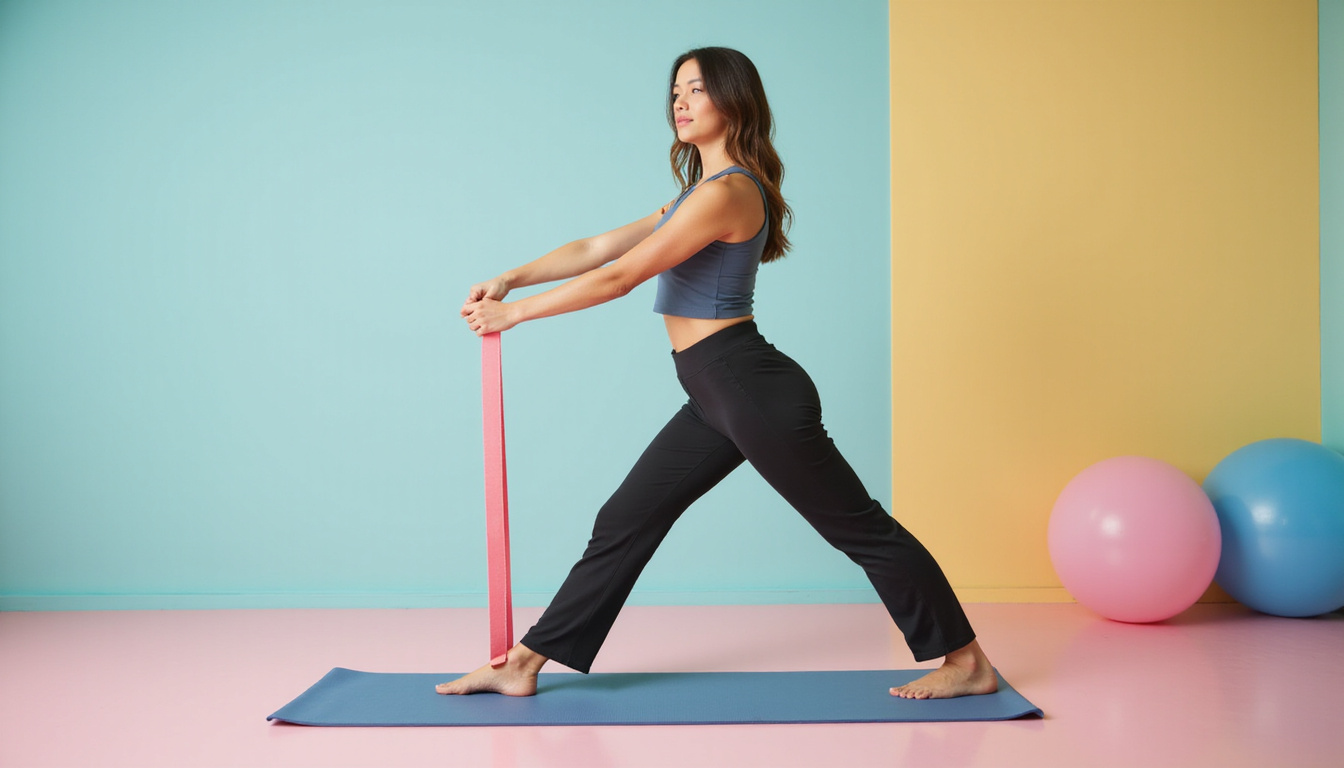
Reformer Moves to Emphasize
• Footwork in a neutral position: Keep your feet parallel or in a small V. Use your heels and toes on the bar, maintain a neutral spine, and move slowly.
• Leg straps in neutral: Do frogs and small circles to keep your pelvis stable.
• Short box (modified): Skip a full round back. Focus on a flat back, hinge, and a side reach with little rotation.
• Long box prone work: Work on pulling straps, T‑pulls, and swan variations. Watch for comfort and control.
• Standing work: Use hand support on the footbar or box for heel raises, steady lunges, and weight shifts to train your bones with vertical load.
Reformer Moves to Modify or Avoid
• Full roll‑downs with bending on the short box
• The Hundred in deep bending (try a version with a neutral spine and lower head)
• Jackknife, short spine, or rollover
• Any fast, uncontrolled movement or heavy load that is more than you can manage
Work with a teacher who knows Pilates for osteoporosis. If they cue deep curves or large rotations, ask for moves that keep your spine neutral or extended.
Spine Safety: The “No C‑Curve” Rule of Thumb
When you work with Pilates for osteoporosis, do not use moves that bend your spine into a deep C‑curve repeatedly under load.
This means: • For a roll‑up, use a half‑roll with your spine long. You may skip it and choose bridges or other supported ab moves instead. • For a spine stretch forward, hinge from your hips with a lifted chest. Do not round your spine. • For a saw, reduce both rotation and flexion. Keep your body tall. Turn just a little and reach diagonally instead of down.
Your guide is simple: always aim for length, support, and space in your spine.
Building a Weekly Program: How Often Should You Do Pilates for Osteoporosis?
A safe plan for those with low bone density might be:
• 2–3 Pilates sessions each week
– 1–2 rule on equipment with a skilled teacher
– 1–2 shorter mat or standing sessions at home that focus on strength and balance
• Daily small doses of movement
– 5–10 minutes for posture work, heel raises, and hip strength
– Keep good alignment and core control when you walk, climb stairs, or do chores
• Good recovery and support
– Sleep well, drink enough water, and eat nutrient-rich meals
– Consider supplements if needed to help your joints and muscles
Remember: Consistency matters more than intensity. Your bones and tissues grow stronger over months and years.
Supporting Joints and Muscles from the Inside: Where Regenerix Gold Fits In
Pilates is not about punishment. It is about smart, mindful training. The same idea works for supporting your joints and muscles with good nutrition.
As you age, and especially when you have low bone density, every small choice counts:
• Are your joints getting the support they need for regular work on the Reformer and mat?
• Do your muscles have what they need to recover after a tough session of footwork or balance stands?
• Do you take care of your body so you can stay out of the doctor’s office and avoid long, expensive recoveries?
A well‑made supplement like Regenerix Gold can play a part in your plan. It is not meant to diagnose or treat any disease. It is not a substitute for a balanced diet or professional care. It is one brick in the strong wall of self‑care that includes:
• Regular, well‑planned Pilates for osteoporosis
• Enough protein and micro‑nutrients
• Smart stress control and good sleep
If you work hard every day—whether you teach Pilates, sit at a desk, or run a busy job—keeping your joints and muscles sound is smart. When you feel strong, you miss fewer days of work and keep your body moving.
Before you add Regenerix Gold or any supplement, talk with your healthcare provider. This is more important if you take other medicine or worry about bone health.
Regenerix Gold
FAQ: Common Questions About Pilates and Bone Health
1. Is Pilates good for osteoporosis or low bone density?
Yes. Adapted Pilates can be a wise part of a movement plan that is safe for your bones. Focus on a neutral spine, extension, strong hips and legs, and gradual balance work. Avoid deep bending or aggressive twisting. Work with an expert in low bone density Pilates.
2. Which Pilates exercises should I avoid for bone fragility?
If you use Pilates for osteoporosis, try to avoid or change these moves: full roll‑ups, roll‑overs, jackknife, deep C‑curve abdominal moves, rocking exercises, and moves that mix heavy bending with twisting. Your teacher can offer neutral or extension‑based options that are kinder to your spine.
3. Can I combine Pilates with supplements for better bone and joint support?
Many people mix a safe Pilates plan with good nutrition and supplements. A product like Regenerix Gold might be part of your support system. Always check with your healthcare provider first, and remember that supplements do not replace care, a balanced diet, or professional advice.
Take Ownership of Your Bone Health—and Your Future
Showing up on your mat or Reformer is a choice of self‑respect. Tailoring Pilates for osteoporosis is a step further. It means you choose movements that keep you strong, upright, and free. Do not chase moves that do not protect your bones.
If you plan ahead and want to avoid unexpected bills or lost time from injury, now is the time to act:
• Improve your Pilates practice with bone‑smart moves
• Take care of your joints and muscles so you can keep doing what you love
• Choose to be proactive rather than reactive with your health
Think about adding Regenerix Gold if you want a long‑term plan. It shows that you treat your health, finances, and work like treasures. Always ask your healthcare provider if it fits your needs, keep working on your practice, and give yourself credit: by moving wisely, you plan for a full and strong life.
Health Note
Always consult a licensed medical doctor for your health issues.
Special Discount
If you prefer preventive nutrition to minimize expensive knee surgery and potentially addictive pharmaceuticals, Regenerix Gold is your savvy solution.
You qualify for a special discount.
Simply use the link below and a discount will automatically be applied during checkout.
Get Regenerix Gold => HERE


