

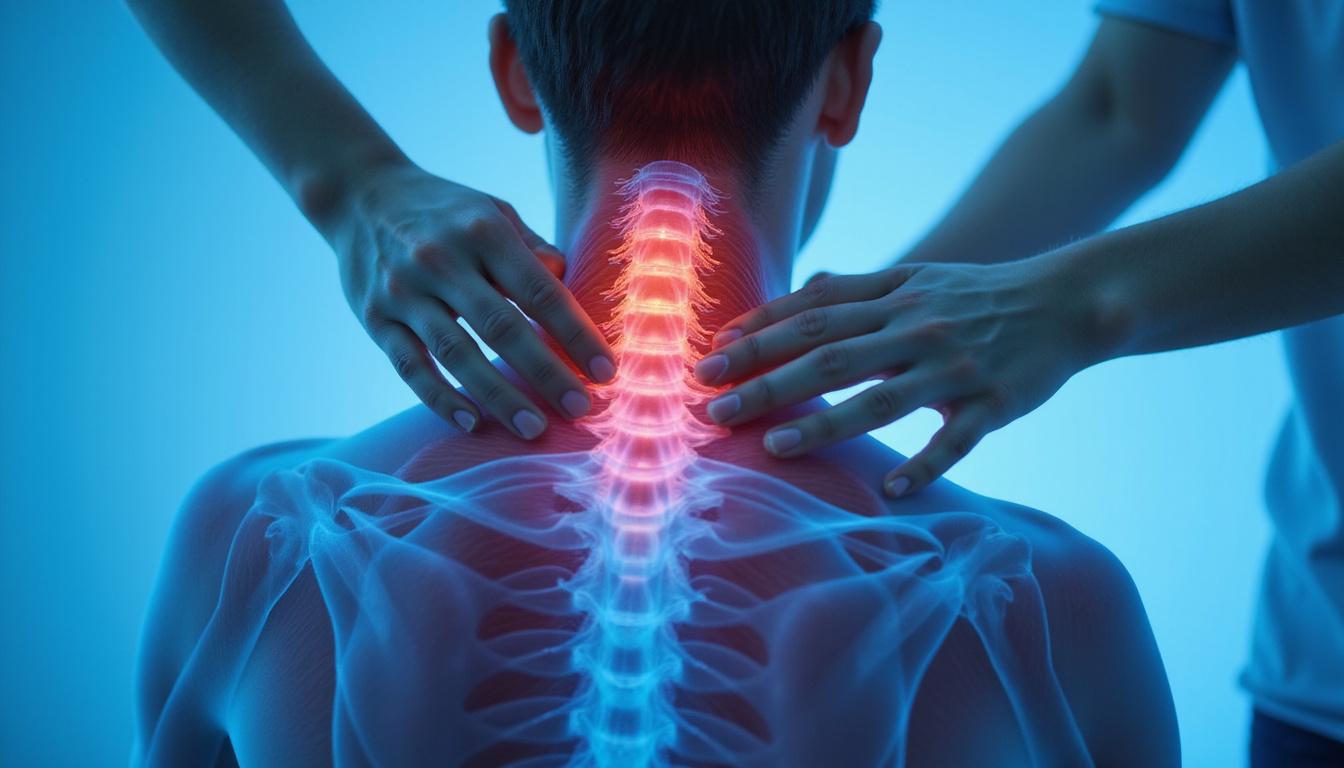
Pilates neck pain ranks high among complaints from practitioners. It affects reformer regulars and mat-only devotees alike. Many feel the “Pilates hangover” in their upper traps. Some feel a tight band at the base of the skull after too many curl-ups. Others note stiffness after teaser variations. You can fix this with small tweaks and simple routines. Keep your neck long, free, and supported as you build your powerhouse.
This guide serves American Pilates practitioners who take their practice seriously. They seek joints and muscles that remain strong—on the mat, on the reformer, and in everyday life.
Why Pilates neck pain shows up in otherwise “strong” bodies
When you work hard on your hundred, roll-up, and swan, you expect strength. Yet your neck may tire first. Neck discomfort in Pilates has clear, fixable causes:
-
Overuse of neck flexors instead of deep abdominals
When the transverse abs and obliques do not fire first, the SCMs (sternocleidomastoids) and upper traps work too hard. They grip and strain your neck. -
Too much head lift and not enough thoracic flexion
Many hinge at C7 (base of neck) instead of starting from the ribs. This creates a cranked neck instead of smooth spinal curvature. -
Tech neck off the mat
Long hours on laptops and phones shorten the front of the neck and weaken postural muscles. When you lie down for hundreds, your neck struggles to adjust. -
Pushing past your edge to “keep up”
Trying to match the class lead may sacrifice alignment. In Pilates, both ego and hip flexors can cause neck strain.
Understanding why your neck hurts in Pilates is the first step. This helps you build a practice that supports healthy joints and muscles.
Check your setup: Alignment Tweaks That Instantly Ease Neck Strain
Before you add new exercises, fix your base alignment. Small setup changes can cut neck tension.
Neutral head and cervical spine
Think of your head as a buoy on a long, steady spine.
• Imagine a line from the tip of your nose to the center of your chest. Keep it steady as you curl up.
• Lengthen the back of your neck. Picture your ponytail or crown being gently pulled away from your shoulders.
• Create a small space under your chin. Do not tuck harshly.
Shoulder organization
Your shoulder girdle can support or overload your neck.
• Let your shoulder blades drop and sit slightly apart, as if they rest in back pockets.
• Soften your upper traps; keep your collarbones wide.
• When your arms hold props or lie in tabletop, keep shoulder heads heavy and low.
Choose your head position wisely
It is fine to modify your posture:
• In hundreds and ab preps: When your neck complains first, keep your head down. Focus on imprinting and rib-to-hip connection.
• Use a small folded towel under your head if you feel pushed back in neutral position.
Smart modifications are very Pilates. They do not mean regression; they are precision moves.
Simple pre-Pilates routine to reset your neck
Try this routine before reformer or mat work when your neck bothers you. Move slowly and avoid discomfort.
-
Supine head nods
• Lie on your back with knees bent and arms by your sides in a neutral position.
• As you breathe in, lengthen the back of your neck.
• As you breathe out, nod very slightly, bringing your chin toward your throat without lifting your head.
• Do 8–10 reps to wake up your deep neck flexors. -
Shoulder blade clocks
• In the same position, imagine each shoulder blade as a clock face.
• Slide them gently to 12 (up), then to 6 (down), and then 3 and 9 (side to side).
• Do 3–4 slow rounds. Find a neutral spot where your blades stay flat and wide. -
Rib breathing
• Place your hands on your lower ribs.
• Breathe in, filling the sides and back of your ribcage.
• Breathe out, and feel your ribs pull toward the center and down to the mat.
• Do 8–10 breaths. This connects your breath, ribs, and core.
This mini-reset helps your neck, shoulders, and core share the load equally.
Neck-Friendly Tweaks for Common Pilates Exercises
You do not need to skip many exercises to ease Pilates neck pain. Adjust your approach:
The Hundred
• Start with your feet on the floor or tabletop instead of extended legs to reduce strain.
• Lift your head and upper ribs together, as if your sternum slides toward your thighs.
• If your neck tires, lower the head while keeping your arms pumping and abs engaged.
• Or alternate: do 10 counts with the head up, then 10 counts with the head down.
Ab Prep and Criss-Cross
• Exhale as you curl. Think “ribs to hips,” not “chin to chest.”
• Support your head lightly with your hands. Do not pull it.
• For criss-cross, think of bringing your armpit toward the opposite hip, not your elbow to your knee. This shifts the twist into the obliques, not your neck.
Swan and Extension Work
Neck pain sometimes comes from extension too.
• Start the move from your mid-back rather than from your chin.
• Keep your gaze on the mat a few feet ahead; avoid looking forward too soon.
• Imagine lengthening your spine. Do not crunch the back of your neck.
A Simple Pilates Routine Specifically for Neck Relief
Follow this mat-based, neck-friendly sequence 2–3 times a week. It helps support healthy muscles and joints around your neck and shoulders while keeping your core honest.
1. Cat–Cow With Pilates Precision (Spinal Articulation)
• Start on all fours with wrists under shoulders and knees under hips.
• Breathe in and lengthen your spine.
• Breathe out as you flex your spine from tail to head; let the head nod last.
• Breathe in to return to neutral (skip deep extension if your neck hurts).
• Do 8–10 smooth reps, focusing on even movement through your spine.
2. Thread the Needle (Thoracic Rotation)
• Start on all fours. Breathe in as you raise one arm to the ceiling and let your chest rotate.
• Breathe out as you thread that arm under the other. Let your head rest lightly on the mat.
• Do 6–8 reps on each side.
• This move frees up upper-back rotation and eases neck pressure.
3. Modified Chest Lift With Support
• Lie on your back with knees bent and hands interlaced behind your head.
• Breathe in to prepare.
• Breathe out, engage your ribs, then gently lift your head and upper shoulders. Support your head with your hands.
• Keep the lift low so that your throat remains soft.
• Do 8–10 reps and rest if your neck tires.
4. Side-Lying Arm Arcs
• Lie on your side with knees slightly bent. Support your head with a small pillow or folded towel.
• Raise your top arm straight up, then arc it overhead and back slowly. Follow the move with your eyes.
• Keep your pelvis stacked and still.
• Do 6–8 arcs on each side to help mobilize your shoulders and upper spine.
5. Prone “Dart” Variation
• Lie on your stomach with arms by your sides and palms facing in.
• Breathe in and lengthen from the crown of your head to your toes.
• Breathe out, and lift your head, chest, and arms a few inches off the mat. Let your shoulder blades slide gently down.
• Keep your gaze downward and your neck long.
• Do 6–8 controlled lifts to build your back muscles without straining your neck.
Beyond the Mat: Lifestyle Habits That Support a “Pilates Neck”
The studio is only part of your day. To prevent Pilates neck pain from returning, do these habits:
• Upgrade your workstation
– Keep your monitor at eye level, elbows at 90 degrees, and feet flat on the floor.
– Use Pilates concepts like “neutral spine, soft ribs, wide collarbones” even at your desk.
• Take micro-movements every hour
– Do gentle chin nods, scapular slides, or a few arm circles. This resets your posture and avoids stiffness.
• Sleep with proper alignment
– Use a pillow that keeps your neck in line with your spine. Do not allow your neck to be too high or too low.
• Condition your whole body
– A balanced Pilates practice that includes footwork, glute work, and thoracic mobility stops your neck from becoming the weak link.
For more on posture and musculoskeletal health, see the Mayo Clinic guide on ergonomics and alignment at work (source).
Where Nutritional Support May Fit In for Pilates Practitioners
Pilates practitioners push for progress. They hold longer in the hundred, execute cleaner teasers, and load heavier springs on the reformer. This load challenges muscles and joints.
• Your musculoskeletal system works hard at a high level.
• Recovery and joint comfort become as important as the workout.
• You might explore ways to support your body from the inside out, not only through movement.
Some active adults in America add targeted supplements to support healthy joints and muscles. Many Pilates practitioners choose options that match a mindful, body-aware lifestyle over quick fixes.
Introducing Regenerix Gold for Pilates Practitioners
Regenerix Gold is a dietary supplement designed for adults. It supports healthy joints, muscles, and an active lifestyle. Pilates practitioners load their spines with flexion, extension, rotation, and load-bearing work on the reformer. They need to care for joint comfort and build muscular resilience to keep up with their practice.
<iframe width="560" height="315" src="https://www.youtube.com/embed/mGrH5UWFxUs?si=enLOx67aeklAOHfA" title="YouTube video player" frameborder="0" allow="accelerometer; autoplay; clipboard-write; encrypted-media; gyroscope; picture-in-picture; web-share" referrerpolicy="strict-origin-when-cross-origin" allowfullscreen></iframe>
Remember, any supplement such as Regenerix Gold complements a holistic approach that includes:
• Regular, well-aligned movement (like smart Pilates training)
• Rest and recovery
• Balanced nutrition and hydration
• Professional guidance when needed
Always discuss with your healthcare provider or pharmacist before starting a new supplement. This is especially important if you have health conditions, are pregnant or nursing, or take prescription medications. Remember, dietary supplements do not diagnose, treat, cure, or prevent disease.
Practical Checklist: Neck-Safe, Powerhouse-Strong Pilates
Use this checklist to keep neck pain at bay while you build a strong practice:
• Anchor your breath and ribs before lifting your head.
• Think “curl from the ribs” and avoid pulling on the chin.
• Support your head with your hands or props without traction.
• Lower your head if your neck tires before other muscles.
• Maintain shoulder organization—scapulae wide and low, traps soft.
• Add a pre-Pilates neck reset on heavy practice days.
• Keep ergonomic awareness at work and during device use.
• Ensure your recovery and joint support match your training intensity, including options like Regenerix Gold.
FAQ: Pilates Neck Pain and Related Questions
Q1: Why do I get Pilates neck pain during the hundred but not during other exercises?
A1: The hundred demands long periods of head and shoulder flexion. Vigorous arm pumping overloads neck flexors when your deep abs and rib control lag. Try lowering your head, bend your knees, and focus on a full exhale to engage your core better.
Q2: How can I modify Pilates for neck tension without losing results?
A2: Keep your head down during flexion work and reduce your range. Use more support with hands, a towel, or a small cushion. This emphasis on spinal articulation improves abdominal work and reduces neck strain.
Q3: Are there specific daily routines for neck and shoulder relief?
A3: Yes. A short routine of supine head nods, scapular slides, cat–cow, thread-the-needle rotations, and side-lying arm arcs can work well. Pair this with mindful posture at work and, if needed, a joint- and muscle-support supplement for a solid foundation.
Choose the “Long Game” for Your Pilates Body
You do things differently. You use neutral spine, imprinting, and pelvic clocks in your practice. You care about alignment and longevity, not just fatiguing your muscles. This mindset should guide how you manage neck pain and overall body support.
Instead of waiting for discomfort, you fine-tune your technique. You value prevention over costly setbacks like missed classes or medical bills. You support joints and muscles from the inside out. This way, work or life do not derail your progress when your body is stressed.
For those serious about long-term reformer sessions, mat progressions, and functional movement—consider adding Regenerix Gold to your routine. It pairs with smart Pilates programming and good recovery habits. This choice supports a body built for freedom of movement, reliability, and a quietly confident optimal life.
Health Note
Always consult a licensed medical doctor for your health issues.
Special Discount
If you prefer preventive nutrition to minimize expensive knee surgery and potentially addictive pharmaceuticals, Regenerix Gold is your savvy solution.
You qualify for a special discount.
Simply use the link below and a discount will automatically be applied during checkout.
Get Regenerix Gold => HERE


