

Teacher hip pain affects many. It hides in daily routines. It burdens you while you teach.
Your hips bear your weight. They carry you through every lesson and activity. Daily strain builds and brings pain from homeroom to home.
This guide speaks directly to American teachers. It joins lesson plans with IEP meetings and hallway duty. It helps you manage tight, sore, or achy hips. You learn stretches you can do between periods. You also get lifestyle tips and supplement ideas that support joints and muscles without upending your day.
Why teacher hip pain is so common
Teaching taxes your body. Hip pain comes from more than age—it comes from how you work.
Teachers face several triggers. These trigger hip pain:
-
Hallway and recess duty marathons
Standing on hard floors stresses hips. -
Circulating the room all day
Tiny steps and pivots build strain. -
Perching on student chairs
Low chairs tilt hips awkwardly. -
Desk-bound grading marathons
Leaning, crossing legs, or twisting hurts hips. -
After-school rehearsals and coaching
Extra standing deepens the load.
Over time, these habits lead to tight hip flexors, sore glutes, a stiff lower back that helps carry the load, and fatigue in the hips by the last period. You need small changes. They add up.
Classroom posture check: tiny tweaks for big hip relief
Before you stretch, check your posture. Spend 60 seconds now. See how your teaching style affects your hips.
At the board or front of the room
- Keep knees unlocked. A slight bend stops stress on hips and back.
- Stand tall and do not lean. Sometimes you tip onto one hip when writing. Keep your weight centered. Alternate hands.
- Use the whole board. Do not twist to reach one side. Step so hips and shoulders face the same way.
At your desk
- Do not squat on low chairs. Low seating tucks your hips too low.
• Keep hips level with or just above your knees.
• Add a cushion if your chair feels too low or hard. - Uncross your legs. Crossing twists hips and back. Both feet should rest flat; your weight stays balanced.
Walking the room
- Choose a confident stride. Short, shuffling steps make hips tight. Take longer, deliberate steps between rows.
- Shift your leading leg. When you turn, use both legs over time. Avoid twisting one way repeatedly.
A tweak or two in posture reduces hip pain by week’s end.
Simple classroom stretches for teacher hip pain
These stretches work in the classroom. They suit professional clothing and tight spaces. You do them while students work independently.
Move slowly. Stop any stretch that causes sharp pain. If you worry, talk with a health professional.
1. Doorway hip flexor reset (30–60 seconds each side)
Ideal during hallway duty or lining up.
- Stand in a doorway or by a wall for balance.
- Step your right foot forward and push the left foot back into a lunge.
- Keep your torso tall and tuck your tailbone, like zipping up tight pants.
- Feel the stretch in the left hip’s front.
- Hold, then switch legs.
This stretch fights the shortening from long sitting periods.
2. Standing figure-4 stretch (20–30 seconds each side)
Do it while you supervise group work.
- Stand behind a teacher desk or sturdy chair.
- Shift weight on your left leg.
- Cross your right ankle over your left knee in a “figure 4.”
- Gently sit your hips back as in a mini-squat.
- Keep your chest lifted and your back straight.
- Hold, then switch sides.
This stretch eases tension in the outer hip and glute.
3. Seated hip opener at your desk (30–45 seconds each side)
Do it when taking attendance or replying to emails.
- Sit tall at the edge of your chair. Place both feet on the floor.
- Cross your right ankle over your left knee.
- Flex the right foot.
- Keep your back straight. Lean the chest forward.
- Stop at a mild stretch.
- Hold, then switch sides.
This move discreetly relieves hip tightness while you seem “on task.”
4. Side-to-side hip shift (10–15 reps)
Do it between classes.
- Stand with feet a bit wider than shoulder-width.
- Bend the right knee and shift hips to the right; keep the left leg straight.
- Shift to the left next.
- Do 10–15 reps.
Think of it as a subtle “teacher sway” that loosens your hips.
5. Micro walking breaks (1–2 minutes)
Do them between classes or after an activity.
• Walk slowly around the room’s edge.
• Roll your foot from heel to toe.
• Let your arms swing naturally.
• Breathe deeply as you walk.
Short, purposeful walking stops your hips from stiffening.
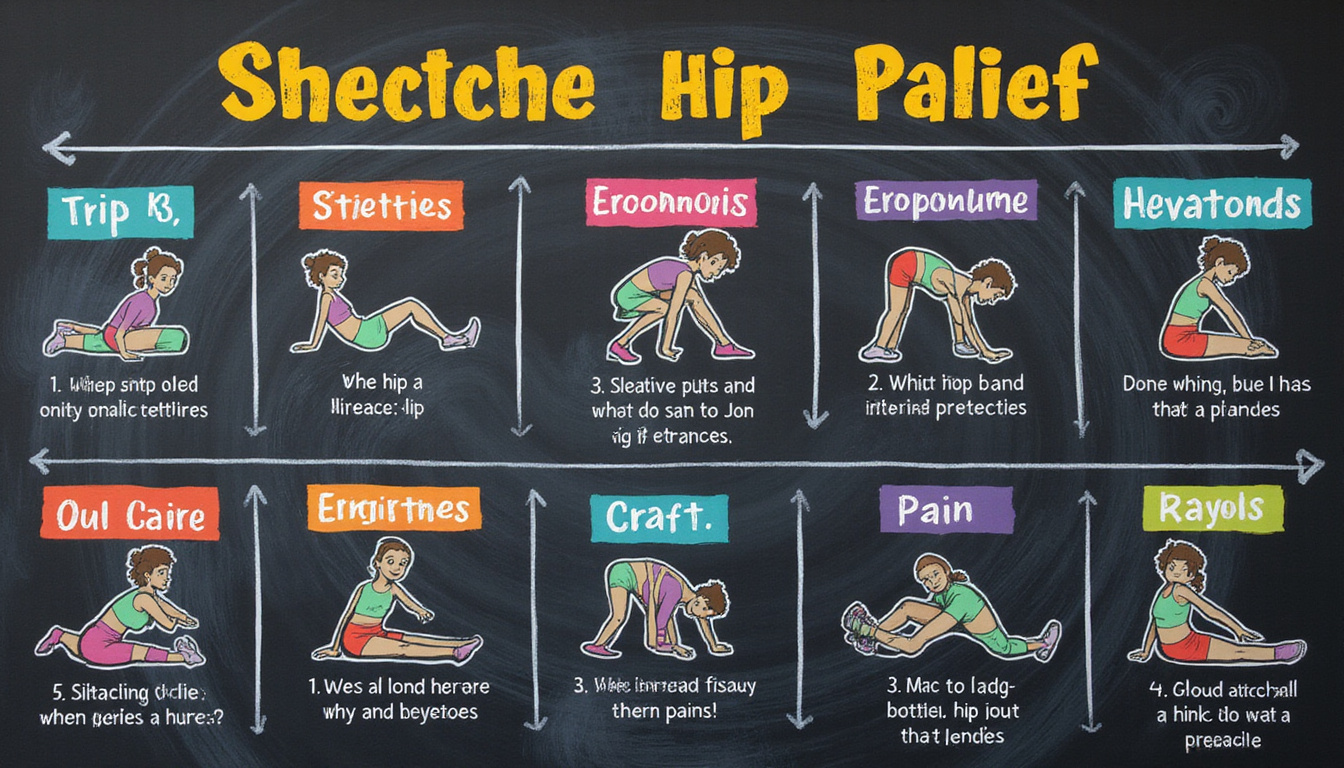
A mini “hip care routine” for a typical teaching day
Build hip relief into your day. Follow this simple routine:
-
Before first bell (2 minutes)
• Do the doorway hip flexor stretch on each side.
• Do 10 side-to-side hip shifts. -
Mid-morning (1–2 minutes)
• Try the seated hip opener at your desk while taking attendance.
• Uncross your legs and reset your posture. -
Lunch or planning period (3 minutes)
• Do the standing figure-4 stretch on both sides.
• Walk down the hall with long, relaxed steps. -
After last bell (2–3 minutes)
• Repeat the doorway hip flexor stretch.
• Do gentle side-to-side hip shifts before grading.
In under 10 minutes daily, you support your hips without disruption.
Teacher lifestyle habits that support happier hips
Choose teacher shoes that work for your hips
Shoes matter. For hip comfort:
• Use low, stable heels or flats with cushioning.
• Try supportive insoles on hard floors.
• Rotate between two pairs to let your hips and legs share the load.
Rethink your grading setup
Grading can stress the hips: • Use a document stand or laptop riser so you do not hunch. • Alternate between sitting and standing when grading. • Try a “grading walk” — read, stand, stretch, then sit again.
Use your teacher voice—for your own body
You speak up for students. Now speak up for your hips: • Ask for a more supportive chair. • Request a small anti-fatigue mat for long standing areas. • If pain persists, consult a health professional.
How nutrition and supplements can support hip comfort
Your hips consist of muscles, tissues, and joints. They need good nutrients. A balanced diet with lean proteins, healthy fats, and plenty of fruits and vegetables gives them strength. Still, a busy schedule makes eating well hard.
Some adults add supplements. Keep in mind: • Supplements cannot diagnose or cure disease. • They support joint, muscle, and tissue health when paired with movement and good posture. • Always check with a professional before adding any supplement. (Source: NIH Office of Dietary Supplements)
Regenerix Gold: a premium option for teachers serious about joint and muscle support
Teachers shop smart. They hunt for deals and value quality. Apply that to your health too.
Regenerix Gold is a premium supplement. It supports joints and muscles. For teachers who stand, walk, and move a lot, it blends with: • Daily micro-stretches during transitions. • Smarter posture and classroom setup. • Sensible footwear choices. • Balanced nutrition and hydration.
Regenerix Gold
Remember to: • Check the ingredient list. • Discuss with a health professional if needed. • Use it with lifestyle changes rather than expecting a quick fix.
FAQ about teacher hip pain and classroom-friendly relief
Q1: What helps with teacher hip pain during long standing periods?
A: Supportive shoes, a slight knee bend, and micro-movements like gentle hip shifts help. Take brief walking breaks and use doorway hip flexor stretches to ease pain during long standing periods.
Q2: Can simple stretches really reduce hip discomfort for teachers?
A: Yes. Gentle stretching eases tightness and supports better movement. Seated hip openers, figure-4 stretches, and walking breaks help relieve hip discomfort when you spend long periods standing, walking, or sitting.
Q3: Are supplements useful for managing hip pain for teachers?
A: Supplements do not treat or cure pain. However, some teachers add joint and muscle support supplements to boost overall mobility and comfort. Always consult a health professional first. A premium supplement like Regenerix Gold can join your broader plan with stretching, posture adjustments, and healthy habits.
Teach longer, live better: why your hips deserve premium care
Your students get your best energy daily. Your hips quietly pay the price. You invest in classroom supplies and tech. Now invest in your body.
By adding simple stretches to your routine, adjusting your posture, and considering a high-quality supplement like Regenerix Gold—with guidance from a health professional—you choose long-term strength and health. This choice is smart. It saves you from future costs, both physical and financial.
You have built expertise and respect in your career. Protect your body. Protect your hips. Make hip health as non-negotiable as your lesson plans. Let Regenerix Gold support you for a long, active teaching career.
Health Note
Always consult a licensed medical doctor for your health issues.
Special Discount
If you prefer preventive nutrition to minimize expensive knee surgery and potentially addictive pharmaceuticals, Regenerix Gold is your savvy solution.
You qualify for a special discount.
Simply use the link below and a discount will automatically be applied during checkout.
Get Regenerix Gold => HERE


