

If you grind routes daily, foot pain for delivery drivers can flip your shift into misery.
You stand long hours, sprint to doors, jump in and out of the truck, and wear wet work boots or sneakers.
Each action weighs on you.
But you don’t have to “tough it out” or rely on painkillers.
Drivers have proven, tested fixes that cut soreness and keep feet, joints, and muscles ready for the next route.
Why delivery drivers are so prone to foot pain
Delivery work stresses your whole body.
Your feet bear the first hit.
Consider a normal day:
- You stand or walk on concrete, asphalt, and stairs for hours.
- You carry awkward boxes that upset your balance.
- You pivot, jump off curbs, and hustle to porches.
- You wear the same pair of shoes day after day.
Each point stresses muscles, joints, and soft tissues in your feet and lower legs.
Over time, this leads to:
- Sore heels and arches after your route.
- Burning or aching in the balls of your feet.
- Tight calves and stiff ankles when you wake.
- Fatigued legs that reach your knees, hips, and back.
None of this means anything is “broken” or permanently damaged.
Your body speaks and tells you a change is needed.
Step one: audit your shoes like you audit your route
Dialing in your footwear is the fastest way to reduce foot pain.
Think of it like optimizing your route: each small improvement builds up huge gains.
1. Check your cushioning and support
Drivers often wait too long to replace work shoes.
A simple guide is: if you work 5+ days per week, replace shoes every 4–6 months.
Look for shoes with:
- Good heel and forefoot cushioning to absorb the impact of hard surfaces.
- Decent arch support to stop your foot from collapsing.
- A firm heel counter that holds your heel, not lets it flop.
If your shoes feel flat, let you feel every step, or bend like a taco, they have reached their limit.
2. Consider swapping the insoles
Factory insoles often disappoint.
Aftermarket insoles can change the game for drivers.
Seek insoles that:
- Match your arch type (low, normal, or high).
- Offer cushioning under your heel and ball.
- Do not crowd your toes.
Test them in your work shoes or at home.
Walk around as if you are on a short route.
3. Shoe rotation: don’t run the same pair every shift
Like your body, shoes need time to recover.
The foam compresses with each step and needs a day to bounce back.
If you can, use two pairs of good work shoes.
Rotate them every other day.
This trick extends shoe life, keeps cushioning responsive, and controls moisture and odor.
On-the-job hacks to reduce foot stress
You might not change your route, but you can change how your body handles it.
Micro-breaks that actually work
You do not need a 30-minute break to help your feet.
Instead, build in tiny maintenance stops during your shift:
- At a step, place your foot on a bumper or low step and lean forward gently.
Hold a calf stretch for 10–15 seconds. - When you are at a light or dock, slip off your heel and flex or spread your toes.
Do this for 10–20 seconds. - While seated safely, rotate each ankle 10 times in each direction.
Each move gets blood pumping.
Each move reduces the stiffness by the end of your shift.
Smarter loading and carrying
How you carry loads affects your feet.
Follow these simple tips:
- Use a dolly or cart when possible, especially for heavy or multiple packages.
- Hold packages close to your body.
This keeps your back, hips, knees, and feet in line. - Avoid twisting your body under load.
Take small steps to turn rather than spinning on one foot.
Less strain above means less stress on your feet.
Recovery routines: what you do after the route matters
Your post-route routine matters a lot.
It separates waking up sore from being ready.
Simple daily reset: 10–15 minutes
When you get home or take your first real break, do this quick routine:
-
Foot roll (2–3 minutes per foot)
• Use a lacrosse ball, tennis ball, or frozen water bottle.
• Roll from heel to toes with light to medium pressure.
• Focus on tight spots without pressing too hard. -
Calf stretch (2 sets of 20–30 seconds per side)
• Stand facing a wall.
• Keep your back heel flat as you lean forward. -
Toe stretch (2 sets of 15–20 seconds per side)
• Sit and cross one ankle over the opposite knee.
• Gently pull your toes back until you feel a stretch. -
Legs-up-the-wall (3–5 minutes)
• Lie on your back with hips close to the wall and elevate your legs.
• This boosts circulation and eases foot and calf heaviness.
Cold, warm, or contrast?
Drivers use cold packs or cool foot soaks after a long route.
Others prefer warmth.
Try one of these routines:
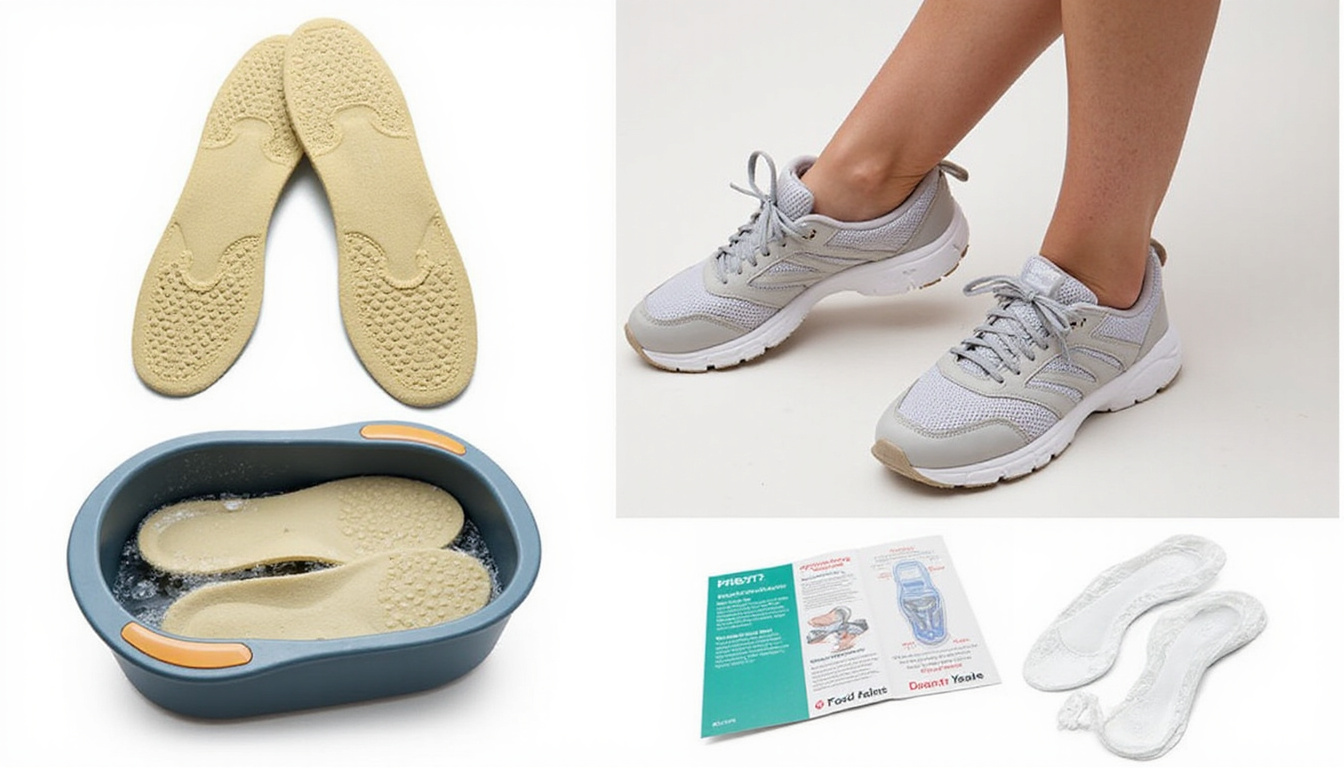
- Cool soak (10–15 minutes) in a bucket of cool water.
- Warm soak with Epsom salt for relaxation.
- Contrast: alternate 2 minutes cool and 2 minutes warm for about 10–12 minutes.
Always test the temperature.
Avoid extremes that could irritate your skin.
Supporting your feet from the inside out
Your feet work with muscles, joints, and tissues running from your toes up to your back.
Delivery work stresses this whole chain.
Everyday habits that make a difference
- Hydrate along the way.
Dehydration tightens muscles.
Sip water during your shift instead of waiting until the end. - Eat enough protein.
Good food or shakes support muscle repair after intense lifting and walking. - Move on off days.
Light walks, cycling, or stretching help keep tissues flexible.
Considering a joint and muscle support supplement
Many drivers try nutritional supplements.
These supplements support joint comfort, muscle recovery, and help manage stress from physical work.
They do not diagnose, treat, cure, or prevent diseases.
And they should not replace professional medical advice.
That is why a product like Regenerix Gold may fit your routine.
It supports healthy joints and muscles for people who work hard every day.
Always read labels and consult a healthcare professional if you have concerns.
(For guidance on supplements in the U.S., check the FDA’s overview of dietary supplements (source): https://www.fda.gov/food/dietary-supplements)
When to get your foot pain checked
Sometimes only an expert can see the full picture.
Consider a podiatrist or physical therapist if:
- The pain is sharp, severe, or worsening week after week.
- You see swelling that does not ease with rest.
- You change how you walk to avoid pain.
- The pain disrupts sleep or daily tasks off the job.
They will evaluate your movement and suggest exercises, footwear changes, or other strategies tailored for you.
Quick checklist: daily habits to cut delivery driver foot pain
Use this short checklist for your routes:
- [ ] Rotate between at least two good pairs of work shoes.
- [ ] Use insoles that match your arch and work style.
- [ ] Do 2–3 micro-stretches each hour (for ankles, calves, toes).
- [ ] Roll your feet and stretch your calves after each shift.
- [ ] Stay hydrated on your route.
- [ ] Support your joints and muscles with smart nutrition and, if right for you, a quality supplement.
- [ ] Watch for early warning signs instead of waiting for severe pain.
FAQ: delivery driver foot pain and joint support
Q1: What causes foot pain by the end of a long route?
It is a mix of pounding on hard surfaces, worn shoes, tight calves and ankles, and carrying heavy loads.
These factors stress muscles and joints from morning to night.
Q2: Can supplements help with sore feet and tired legs?
They do not replace good shoes, careful loading, or stretches.
They may support joint comfort, muscle recovery, and resilience.
Always choose reputable brands and talk with a healthcare professional if unsure.
Q3: What’s the best long-term fix for foot discomfort in delivery work?
A long-term fix comes from combining footwear upgrades and rotation, daily stretches, smart load management, and solid nutrition or a quality joint and muscle support supplement.
Why smart delivery drivers are turning to Regenerix Gold
When your body breaks down, your route and job security suffer.
Medical bills and unpaid downtime cost more than prevention.
That is why more drivers treat their body as their most valuable equipment.
Regenerix Gold supports healthy joints and muscles for those who push their bodies each day.
Paired with better shoes, stretching, smart loading, and recovery, it becomes part of a plan to keep you moving smoothly and feeling strong.
If you think ahead about your vehicle’s maintenance, plan your routes carefully, and save time and fuel, do the same for your body.
Invest in joint and muscle health now instead of paying later.
Regenerix Gold
Health Note
Always consult a licensed medical doctor for your health issues.
Special Discount
If you prefer preventive nutrition to minimize expensive knee surgery and potentially addictive pharmaceuticals, Regenerix Gold is your savvy solution.
You qualify for a special discount.
Simply use the link below and a discount will automatically be applied during checkout.
Get Regenerix Gold => HERE


