

Whether you’re on a thru‑hike, climbing steep switchbacks, or trying to keep your weekend miles pain‑free, your glutes matter.
Strong glutes support your hips, knees, and lower back. They help you face hard climbs, heavy packs, and long descents without the usual ache.
This guide explains what hikers need for strong hips. It shows how your glutes work on the trail, shares science‑backed exercises, and builds a trail‑ready routine that carries you mile after mile.
Why glute strength matters so much for hikers
When you climb, your glutes serve as your main engine. They push your leg back to drive you uphill. On downhill or side‑hill trails, they stabilize your pelvis and protect your knees and ankles.
Glute strength helps hikers with:
• Better power and endurance uphill
• More control on descents and loose scree
• Less hip, knee, and lower‑back pain after long days
• More stable footing on rocky or uneven ground
• Reduced fatigue when you carry a heavy pack
Research tells us that well‑trained glutes support healthy movement. They spread the load evenly in your lower body (source: American Council on Exercise). For hikers, this means fewer surprises of pain after a long outing.
Your glute muscles: the hiking engine room
Your backside is not just one muscle. It is a team:
• Gluteus maximus – Your main power muscle. It helps you climb, clear logs, and stand up.
• Gluteus medius – It gives you side control. It keeps your pelvis level on uneven trails.
• Gluteus minimus – It works with gluteus medius to stabilize and rotate your hip.
• Deep rotators (piriformis and friends) – They control hip rotation for careful foot placement.
Many hikers use their quads and back instead of their glutes. Focused glute work rebalances your muscles so the big muscles do the big jobs.
Science‑backed glute strengthening moves for hikers
These exercises match the needs of trail hiking: climbing, descending, carrying a pack, and moving on uneven paths. Move slowly and with control. Stop if you feel sharp pain.
1. Hip thrusts: your uphill power move
• Why you need them: Hip thrusts work the gluteus maximus. They mimic the push you use when you climb steep trails.
• How to do it:
1. Sit on the ground. Rest your upper back on a bench, box, or couch.
2. Bend your knees. Place your feet flat on the floor, hip‑width apart.
3. Push through your heels as you squeeze your glutes. Lift your hips until your thighs and torso are in line.
4. Pause at the top. Lower slowly and control the movement.
• Trail‑tip: Push the “trail boot” into the floor. Do not arch your lower back. This mimics a strong uphill stride.
2. Bulgarian split squats: single‑leg trail strength
• Why you need them: This move targets glute max and med using one leg at a time. It is like loading your legs when you hike with a pack.
• How to do it:
1. Stand about two feet in front of a bench or sturdy chair.
2. Put the top of one foot on the bench behind you.
3. Keep your torso tall. Bend your front knee and hip to lower straight down.
4. Push through the front heel to stand up again.
• Hiker cues:
- Keep your front knee in line with your second toe.
- Imagine pushing the ground away, like climbing a rocky step.
Begin with bodyweight. Add dumbbells or a loaded pack only when comfortable.
3. Step‑ups: the trail‑mimicking classic
• Why you need them: Step‑ups mimic every big step onto a boulder, log, or ledge.
• How to do it:
1. Stand before a stable box, bench, or step about mid‑shin to knee height.
2. Put one foot fully on the surface.
3. Push through that heel. Straighten your leg and lift your other foot to stand tall.
4. Step down with control, leading with the same leg.
• Trail‑hint: Wear your pack for extra load. Change step heights to match uneven trails.
4. Single‑leg Romanian deadlifts: stability on uneven trail
• Why you need them: They work your glutes and hamstrings. They also challenge your balance and hip control – perfect for rocky terrain.
• How to do it:
1. Stand tall with your feet hip‑width apart. Keep a soft bend in your knees.
2. Shift your weight onto one leg.
3. Hinge at your hip. Send your free leg back as your torso tilts forward in a “T” shape.
4. Keep your back flat and your hips square.
5. Squeeze your glutes to return to standing.
Use light dumbbells or just your body weight as you learn.
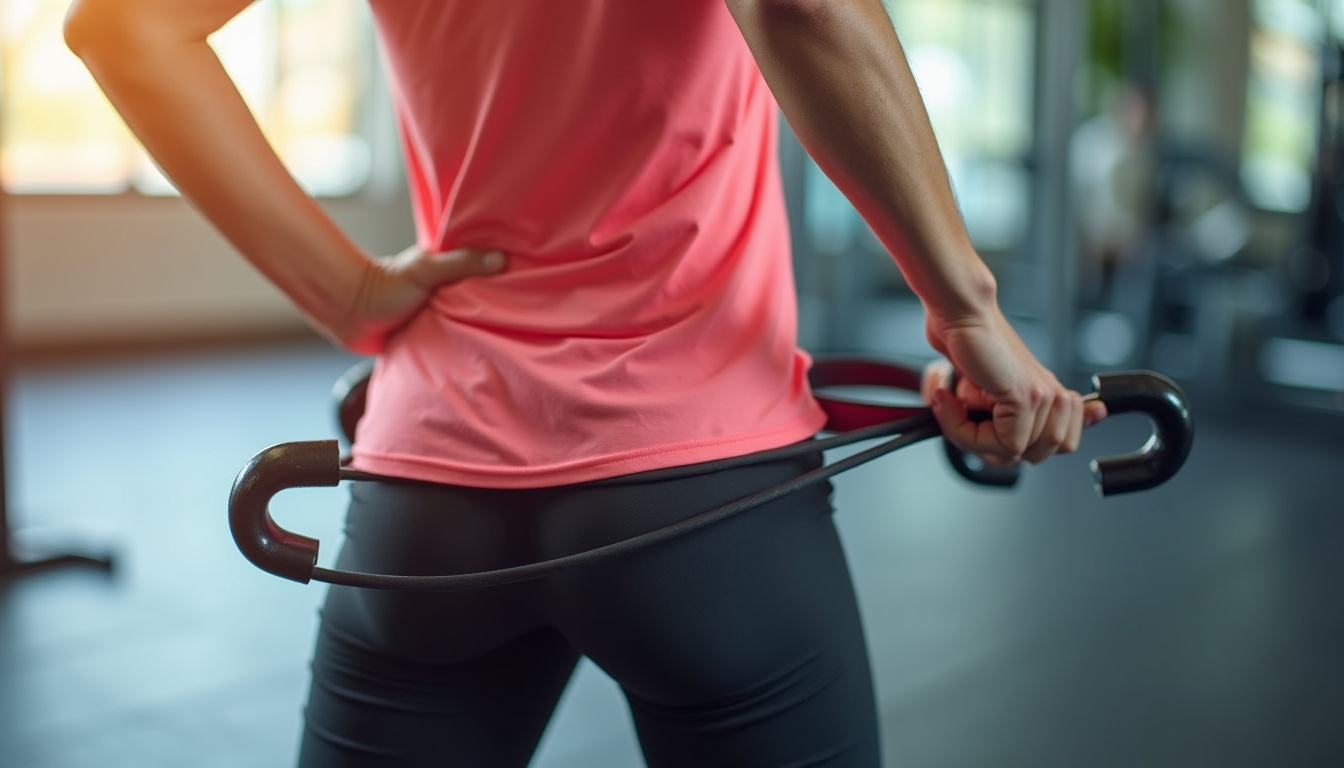
5. Side‑lying clamshells: glute med’s secret weapon
• Why you need them: Clamshells target the glute medius. This muscle is key for side‑hills, traverses, and keeping your knees safe on descents.
• How to do it:
1. Lie on your side. Bend your hips and knees to about 45°.
2. Keep your feet together. Lift your top knee while your pelvis stays still.
3. Lower slowly with control.
When it feels easy, add a mini‑band around your knees for more resistance.
6. Lateral band walks: anti‑wobble training
• Why you need them: Lateral band walks build hip stability. They help stop your knees from caving in on rough trails.
• How to do it:
1. Tie a resistance band around your ankles or just above your knees.
2. Get into a slight squat. Keep your chest up and your hips back.
3. Step sideways. Keep the band tight and your feet parallel.
4. Take 10–15 small, controlled steps in each direction.
Think of it as edging along a narrow ledge—slow, precise, and steady.
A simple glute strengthening routine for hikers
Work these moves into your off‑trail days 2–3 times per week. Use smooth, controlled motion. Stop if something feels wrong.
Try this sample routine:
- Hip thrusts – 3 sets of 8–12 reps
- Bulgarian split squats – 3 sets of 6–10 reps per leg
- Step‑ups – 3 sets of 8–12 reps per leg
- Single‑leg Romanian deadlifts – 2–3 sets of 8–10 reps per leg
- Side‑lying clamshells – 2 sets of 15–20 reps per side
- Lateral band walks – 2 sets of 10–15 steps in each direction
Rest 45–90 seconds between sets. If you plan a big hike the next day, keep this session lighter. You can also do these exercises after your long day to help with recovery.
Glute activation before you hit the trail
Even strong glutes can feel “sleepy” after long drives or a week at a desk. A quick activation circuit helps your muscles fire as soon as you start climbing.
Before you shoulder your pack, try:
• 10 bodyweight hip hinges
• 10 air squats
• 10 reverse lunges (each leg)
• 15 banded clamshells (each side), if you have a mini‑band
• 10–15 lateral band steps in each direction
This short routine takes 3–5 minutes at the trailhead. It makes your first mile feel smoother and more stable.
Recovery habits to support glute strengthening
Recovery matters as much as the exercises. Use these habits to get the most from your glute work:
• Gradual progression: Increase load, reps, or difficulty slowly over weeks.
• Rest days: Include a light day for your lower body between heavy sessions.
• Mobility work: Do gentle hip flexor and glute stretches. Use light foam rolling to ease tight spots.
• Nutrition and hydration: Eat well and drink enough water to support muscle repair.
• Sleep: Good sleep lets your body rebuild.
If pain continues or worsens, see a health professional before you push harder.
How a thoughtful supplement routine can support active hikers
For hikers who cover serious miles or carry heavy loads, glute work is key. It is one part of feeling good on the trail. Many hikers also consider smart training, proper gear, enough rest, balanced eating, and a supplement routine to help joint and muscle health.
In the U.S., supplements are regulated as foods and cannot claim to treat disease. They can, however:
• Support normal joint comfort and function
• Help keep cartilage and connective tissues healthy
• Provide nutrients for muscle recovery and strength
• Work well with an active lifestyle that mixes hiking and strength training
Always choose supplements from trusted companies. Follow the label. Speak with your healthcare provider if you are pregnant, nursing, on medication, or have other health concerns.
Regenerix Gold for hikers who train smart
Hikers who care about long‑term trail health think beyond boots and poles. They plan how to keep their joints and muscles strong season after season.
Regenerix Gold supports joint and muscle health alongside your glute routine.
This supplement can be a smart move if you:
• Face steep, technical terrain or carry heavy packs
• Aim for long mileage days and want smooth movement
• Prefer proactive care rather than later medical bills or missed days
• See hiking as a key part of your life
Remember, Regenerix Gold is not a cure or treatment for disease. It is not a substitute for medical care. But for hikers who train hard, watch their nutrition, and care about long‑term joint and muscle health, it is a proactive addition to a balanced routine.
If you pride yourself on being prepared—carrying the right layers, filtering water properly, and knowing your gear—supporting your body from the inside out is just another form of trail savvy. Talk with your healthcare provider about whether Regenerix Gold is right for you.
Regenerix Gold
FAQ: glute strengthening for hikers
Q1: How often should hikers do glute strengthening exercises?
A: For most hikers, 2–3 sessions per week work well. If you do high mileage or steep climbs, start with 2 days a week. See how your body feels before adding more.
Q2: Can glute strengthening help with general hiking discomfort?
A: Yes. Strong glutes support healthy hip, knee, and lower‑back movement. They may make you feel more stable on the trail. However, glute work does not treat or prevent disease. If pain is severe or lasts long, talk to a healthcare professional.
Q3: What’s the best glute strengthening move if I’m short on time?
A: If you have just a few minutes, do hip thrusts and step‑ups. They build the uphill power and trail‑like strength you use every time you hike.
Health Note
Always consult a licensed medical doctor for your health issues.
Special Discount
If you prefer preventive nutrition to minimize expensive knee surgery and potentially addictive pharmaceuticals, Regenerix Gold is your savvy solution.
You qualify for a special discount.
Simply use the link below and a discount will automatically be applied during checkout.
Get Regenerix Gold => HERE


