

If you feel a burning, tight, or aching line along the outside of your knee during stairs, squats, or long walks, your iliotibial band may play a role. For many in America, a rope-like tension along the outer thigh and knee makes simple tasks—standing up from a chair or getting out of a car—feel like a chore.
This guide explains what the iliotibial band does, why it can hurt, and the stretches, exercises, and lifestyle tips that help make knees feel better. You will also see how a nutrition-based supplement like Regenerix Gold may fit into your knee-care plan.
What Is the Iliotibial Band and Why Does It Bother My Knee?
The iliotibial band (IT band) is a thick band of tissue that runs from the outer hip down the side of your thigh to below the outer knee. It works with your hip and thigh muscles to help stabilize and guide your knee. It helps you when you:
- Walk, run, or use stairs
- Control side-to-side leg movement
- Sit, squat, or get in and out of a car
When the IT band is too tight, overworked, or under-supported by nearby muscles, you may notice:
- A sharp or burning pain on the outside of the knee
- A “snapping” or “rubbing” feeling as you bend your knee
- A tight or stiff sensation along the outer thigh
- Trouble bending or straightening your knee freely
You are not alone if you describe this discomfort as a tight cable on your leg or a catching knee when bending. The good news is that practical steps exist to ease the pain and help your knee move smoothly.
Why the Iliotibial Band Gets Irritated
The discomfort does not come from the IT band tearing or stretching. Instead, it comes from how it slides over the structures at your knee and hip and how nearby muscles work. Factors that contribute to the irritation include:
- Muscle imbalances – Weak glutes or hip stabilizers force the IT band to work too hard, pulling the outer knee extra.
- Sudden increases in activity – More walking, running, or squatting than your body can handle.
- Poor movement mechanics – Knees that collapse inward during squats, lunges, or stairs.
- Stiff hips or ankles – When these joints do not move well, extra strain falls on the knee and IT band.
- Prolonged sitting – Long hours at a desk tighten your hips and thighs, making the IT band feel even more stretched when you stand.
Smart stretching, strengthening, and small changes in daily habits can ease these patterns and improve how your knee feels.
Essential Iliotibial Band Stretches for Knee Comfort
Gentle, regular stretching can ease the “steel cable” feeling along your outer thigh. Do each stretch slowly. Breathe steadily and let the muscle melt into the stretch. Avoid any move that causes sharp pain.
1. Standing IT Band Stretch (Cross-Leg Side Lean)
- Stand near a wall or counter for balance.
- Cross the leg you want to stretch behind the other leg.
- Shift your weight onto the front leg. Lean your upper body away from the stretched side.
- Feel the stretch along the outer hip and thigh.
- Hold for 20–30 seconds and repeat 2–3 times on each side.
2. Side-Lying Hip Stretch
- Lie on the side that does not hurt.
- Let your top leg hang off the edge of the bed or couch.
- Bend the bottom leg to support your balance.
- Feel a stretch along the front and outer part of the top thigh.
- Hold for 20–30 seconds and repeat 2–3 times.
3. Seated Figure-4 Hip/Outer Thigh Stretch
- Sit at the edge of a chair with both feet flat on the floor.
- Cross the ankle of the leg you want to stretch over the opposite knee to form a “4.”
- Sit up straight and lean forward gently at the hips until the stretch is felt in your outer hip and buttock.
- Hold for 20–30 seconds and repeat 2–3 times.
After these stretches, you may feel that stairs or a quick rise from a chair are easier and less painful.
Key Strengthening Exercises to Support the Iliotibial Band
Strengthening the muscles around the IT band, especially the glutes and hip stabilizers, helps ease outer knee strain. If you feel sharp pain, stop and speak with a professional.
1. Side-Lying Leg Raises
Focus: Hip abductors that stabilize the knee.
- Lie on your side. Bend the bottom leg and keep the top leg straight.
- Keep your toes forward or slightly downward.
- Lift the top leg about 12–18 inches. Keep your hips aligned and do not let them roll backward.
- Slowly lower the leg.
- Do 2–3 sets of 10–15 repetitions on each side.
2. Clamshells
- Lie on your side with your hips and knees bent. Keep your feet together.
- Open your top knee like a clamshell while keeping your feet in contact.
- Do not let your hips roll backward.
- Slowly lower the knee back.
- Do 2–3 sets of 10–15 repetitions on each side.
3. Mini Squats with Good Alignment
- Stand with your feet hip-width apart. Turn your toes slightly outward.
- Bend your knees slowly as if you sit into a chair. Keep your knees aligned over your toes; do not let them cave inward.
- Only squat as far as you feel comfortable—a “mini” squat works best.
- Push through your heels to stand up straight again.
- Do 2–3 sets of 8–12 repetitions.
4. Step-Ups (Low Step)
- Find a low step or sturdy platform.
- Place the foot you are working on the step. Keep the knee aligned over your toes.
- Push down with your heel to stand up and bring the other foot up.
- Step down slowly and repeat.
- Begin with 1–2 sets of 8–10 repetitions on each side.
Over the weeks, regular strengthening may make stairs, long walks, or standing at work feel more stable.
Foam Rolling and Self-Massage: How Much Is Enough?
Foam rolling the outer thigh is common for easing IT band tightness. You are not stretching the IT band directly. Instead, you work on the muscle and tissue around it.
Follow these guidelines:
- Roll slowly over the muscles around the IT band, such as the outer thigh, hip, and glutes.
- Roll for 30–60 seconds over each area. Pause gently on tender spots without causing severe pain.
- Limit each session to a few minutes on each leg, once per day or every other day.
If you feel very sore for days or your knee pain worsens after foam rolling, ease back and focus more on slow stretching and muscle strengthening.
Daily Habits to Protect Your Knees and Iliotibial Band
For those with creaky, stiff, or achy knees, small changes each day can reduce strain on the IT band and nearby tissues. Consider these habits:
- Break up long periods of sitting by standing, walking, or doing gentle stretches every 30–60 minutes.
- Walk on softer surfaces like grass or rubber tracks instead of hard concrete when possible.
- Choose supportive shoes. Worn-out shoes affect leg alignment and may add extra stress to the knee.
- Increase activity gradually. Add more walking, cycling, or gym work slowly, not all at once.
- Watch your knee alignment when doing squats, lunges, or using stairs. Keep your kneecap tracking in line with your second and third toes.
If your knee feels swollen, hot, wobbly, or if there is a chance of something more serious than overuse, see a healthcare professional for advice.
Nutrition Support for the Iliotibial Band, Knee Joints, and Muscles
The IT band does not work alone. It depends on healthy joints, muscles, and connective tissue around the hip and knee. Good nutrition helps support comfortable, flexible knees. Some joint-support tips include:
- Eat enough protein to build strong muscles that support the knee.
- Enjoy a variety of colorful fruits and vegetables to gain antioxidants and micronutrients.
- Incorporate healthy fats (found in fish, nuts, and seeds) for overall wellness.
Some people also choose supplements for extra joint and muscle support. Keep in mind that supplements cannot treat, cure, or prevent medical conditions. They may, however, help support the normal structure and function of joints and muscles for healthy individuals (FDA guidance).
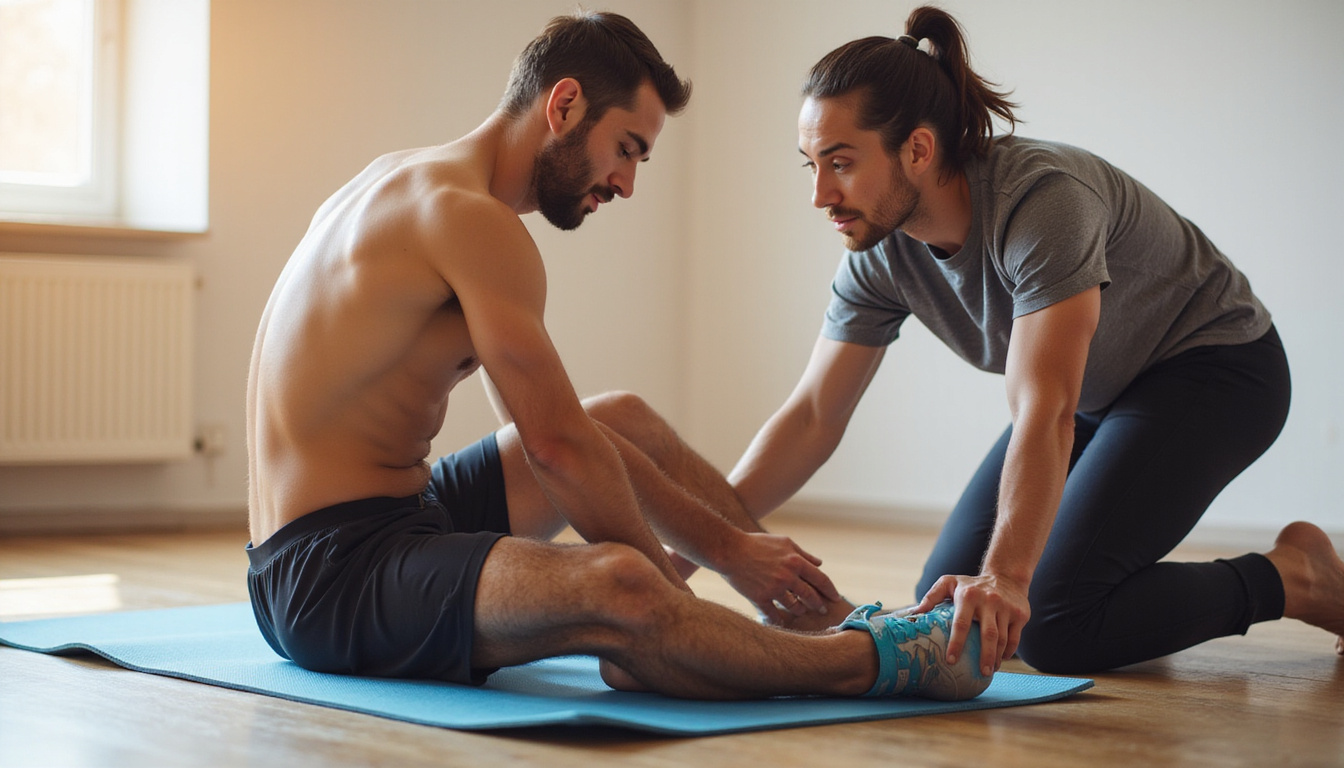
How Regenerix Gold Fits into a Knee-Health Routine
For a proactive, nutrition-focused step toward knee comfort and function, Regenerix Gold is offered as a supplement that supports healthy knee joints and muscles.
Key points about Regenerix Gold:
- It is a nutrition-based solution that supports joint and muscle wellness as part of a healthy lifestyle.
- Doctors and physical therapists have recommended it for people who want to keep their knees comfortable and flexible.
- It has been used by people for over a decade, and many users say it helps them stay active and confident on their feet.
- It is meant for ongoing support and is not a quick fix or a replacement for proper care, exercise, or a balanced diet.
Always talk with your healthcare provider before starting any new supplement, especially if you are pregnant, nursing, have health concerns, or take medications (source: U.S. National Institutes of Health Office of Dietary Supplements).
If you already follow a stretching and strengthening program for your IT band and knees, adding Regenerix Gold may offer extra nutritional support for your joints and muscles.
Regenerix Gold
FAQ: Iliotibial Band and Knee Discomfort
-
How do I know if my outer knee discomfort is related to my iliotibial band?
Outer knee pain that comes from the iliotibial band feels like a burning, tight, or aching line along the side of your knee or thigh. This is especially true when walking downhill, running, or using stairs. Only a qualified healthcare professional can tell you for sure. If you have persistent or worsening pain, get an in-person evaluation. -
Can iliotibial band stretches alone fix my knee issues?
Stretches for the IT band can help ease tightness and make movement more comfortable. They work best when paired with strengthening the hips and glutes, better movement mechanics, and the right level of activity. Most people see the best results when they combine stretches, exercises, and lifestyle changes. -
Can a supplement help support my iliotibial band and knee comfort?
Supplements do not diagnose, treat, cure, or prevent medical conditions. However, some supplements are designed to support healthy joints, muscles, and connective tissue. A product like Regenerix Gold supports the normal structure and function of knee joints and muscles while you work on stretching, strengthening, and maintaining healthy activity habits.
Take the Next Step: Support Your Knees Before They Hold You Back
If your IT band and knees complain during stairs, long drives, or a quick trip to the grocery store, it may be time to act. Do it before pain starts limiting your work, home life, or time with family.
By combining:
- Targeted stretches for the IT band and nearby muscles
- Strengthening exercises that support the hips and knees
- Daily habits that reduce strain on the knee
- A nutrition-based supplement like Regenerix Gold to support healthy joints and muscles
you take a proactive step toward staying mobile and independent.
Many people wait until knee pain forces them to take time off work, pay for costly medical visits, or miss time with loved ones. You do not have to wait. Investing now in your knee health may save you financial and emotional stress later.
Consider getting a bottle of Regenerix Gold to be part of your knee-care routine. It shows you think ahead, protect your ability to work and enjoy life, and act before problems get worse.
Health Note
Always consult a licensed medical doctor for your health issues.
Special Discount
If you prefer preventive nutrition to minimize expensive knee surgery and potentially addictive pharmaceuticals, Regenerix Gold is your savvy solution.
You qualify for a special discount.
Simply use the link below and a discount will automatically be applied during checkout.
Get Regenerix Gold => HERE


