

If you are in your 40s (or late 30s) and your hips, low back, and pelvis feel strange, you are not alone.
Perimenopause pelvic pain is a real issue that many do not discuss.
Many women say they feel a deep ache, pressure, pulling, or sharp twinges near the pelvis, hips, groin, and tailbone.
Sometimes the pain even extends down the thighs.
It appears when you stand for a long time, sit too long at your desk, or try to sleep.
This guide speaks directly to perimenopausal women in America.
It speaks to those with musculoskeletal aches, stiffness, and pelvic discomfort.
It gives practical, fast-acting tips that you can use between Zoom calls, school runs, and your daily schedule.
Why Perimenopause Triggers Pelvic and Hip Discomfort
During perimenopause, estrogen and progesterone do not just drop.
They swing widely.
These swings affect your muscles in your hips, pelvis, and low back.
They affect the connective tissue and the ligaments that support your pelvic region.
They also affect how your body holds tension and responds to stress.
When estrogen changes, your tissues feel different:
- They feel tighter or creaky.
- They feel less stable around the hips and pelvis.
- They grow more sensitive after long periods of sitting or standing.
Poor sleep, hot flashes, and mood swings add extra stress.
Your body has less reserve to cope with pain.
What used to be a small twinge can now feel like a pain that makes a meeting impossible.
Common Ways Perimenopausal Women Describe Pelvic Pain
If you have ever thought or said any of these, you are not alone:
- “My hip flexors feel like guitar strings.”
- “There is a heavy, dull, dragging feeling in my pelvis by the end of the day.”
- “My low back and pelvis feel like one big ache before my period.”
- “Crossing my legs or getting out of the car is suddenly a problem.”li>
- “After long meetings, my pelvis feels on fire.”
Most perimenopausal pelvic discomfort comes in the form of muscle pain.
It tends to show as aches across the lower abdomen, hips, and groin.
It causes tightness near the tailbone and sacrum.
It brings twinges during certain movements such as rolling over in bed.
It makes you feel that your pelvis or hips are weak or unstable.
Any sudden, severe, or alarming pelvic pain, especially with fever, bleeding, or other signs, calls for immediate medical help.
The tips below are for day-to-day musculoskeletal discomfort, not for medical emergencies.
Fast Relief Tips You Can Use Today
When perimenopause pelvic pain flares up, you need fast strategies.
You do not need a full gym setup or a spa day.
Here are practical tools you can use between emails and errands.
1. Use Heat Smartly (Not Just Anywhere, Anytime)
Heat can help tight pelvic and hip muscles.
Place a warm pack on your low back, hips, or lower abdomen for 10–20 minutes.
Try it before bed, in the morning, or after long sitting sessions.
Do not fall asleep on a heating pad, for safety.
If your pain is sharp and tied to overuse (for example, after a new workout), use a cool compress for a short time before switching to heat.
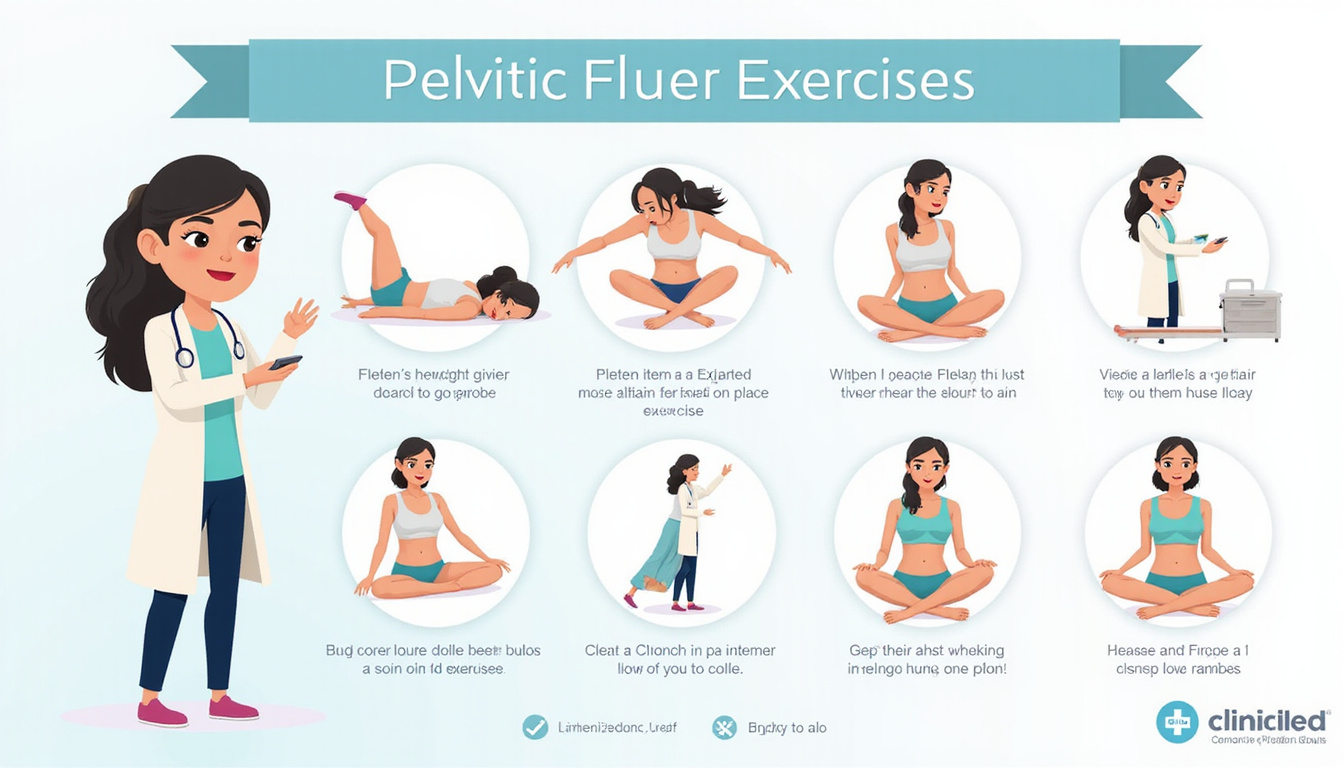
2. “Desk Reset” Pelvic Stretch Routine (5 Minutes)
If you work at a laptop, this mini routine can lower your pain quickly.
Do it 2–3 times a day:
-
Seated Figure-4 Stretch
Sit up tall and cross your ankle over the opposite knee.
Gently lean forward until you feel a stretch in your hip and buttock.
Hold for 20–30 seconds on each side. -
Seated Pelvic Tilts
Sit upright with your feet flat on the floor.
Roll your pelvis forward to arch your low back a little.
Then roll it back to tuck your tailbone under.
Do 10–15 slow and controlled repetitions. -
Hip Flexor “Desk Lunge”
Stand next to your desk.
Step one foot back and bend your front knee.
Tuck your tailbone slightly.
You should feel a stretch on the front of the hip on the back leg.
Hold for 20–30 seconds on each side.
Repeat these moves every day.
They can reduce pelvic tension at the end of your day.
They also help your posture, which often suffers with perimenopausal fatigue.
Strengthening Your Pelvic Support System
Many perimenopausal women feel pelvic discomfort because the muscles that support the region work too hard or have become weak.
It is like wearing a bra with stretched-out straps: everything feels less supported.
Focus on these key areas:
- Glutes (butt muscles) – they keep your hips and pelvis steady.
- Core (deep abdominals) – they support your spine and pelvic region.
- Hip muscles – they allow you to move without overloading your body.
You do not need fancy equipment.
Try these three simple moves 3–4 times per week:
-
Glute Bridges
Lie on your back with your knees bent and your feet flat.
Press through your heels and squeeze your glutes as you lift your hips.
Hold the position for 2–3 seconds and lower slowly.
Do 10–15 repetitions. -
Side-Lying Leg Lifts
Lie on your side with your bottom leg bent and your top leg straight.
Lift your top leg about 8–10 inches and point your toes slightly downward.
Do 10–15 repetitions on each side. -
Dead Bug (Core Stability)
Lie on your back with your arms up and your knees bent at 90°.
Slowly lower the opposite arm and leg toward the floor.
Keep your low back gently pressed down.
Alternate sides, doing 8–10 repetitions on each.
Strength work does not give immediate relief like a pain pill, but after a few weeks you will feel a big change in how your pelvis feels after a long day.
The Posture, Stress, and Sleep Triangle
Perimenopause often disrupts sleep and increases stress.
Both poor sleep and stress can make pelvic pain worse.
Here is how the three affect your pelvis:
- Poor sleep makes you more sensitive to pain.
- Chronic stress makes your muscles tense up, especially in the hips, jaw, and pelvic floor.
- Slouched posture from leaning over a laptop stresses your low back and pelvic area.
Try these simple habits:
- Micro posture checks: Every hour, stand with your feet firmly on the floor, lengthen your spine, relax your shoulders, and gently lift your chest.
- 2-minute “off switch”: Close your eyes and take 10 slow, deep breaths into your lower ribs and belly. Use this before bed or between meetings.
- Sleep protectiveness: Keep a regular bedtime and try to sleep in a dark, cool room. Even if you wake from night sweats, these habits help your body recover and increase your pain threshold.
Gentle Movement That Actually Helps (Not Hurts)
Many women say, “If I move, it hurts. If I do not move, it hurts.”
The key is low-impact, regular movement.
It keeps your joints and muscles active without overloading them.
Good options during perimenopause include:
- A short walk of 10–15 minutes twice a day.
- Gentle Pilates or yoga that focuses on the hips, core, and pelvis.
- Water exercise or light swimming.
- Light strength training 2–3 times per week.
If a movement gives you sharp, stabbing pain, skip it.
Aim for a mild to moderate stretch or a feeling of fatigue instead of actual pain.
How Nutrition and Supplements Fit Into Pelvic Comfort
Food and supplements cannot cure pelvic pain or any condition.
However, a strong nutritional foundation can help your joints and muscles work better.
This is especially true during perimenopause.
Here are some everyday nutrition tips:
- Hydration: Drink water throughout the day.
- Protein: Eat enough protein to build and maintain muscle mass, which supports your pelvis and hips.
- Colorful fruits and vegetables: These provide antioxidants that help maintain tissue health (source: NIH).
Introducing Regenerix Gold for Perimenopausal Joint & Muscle Support
If you need extra help for your joints and muscles during this time, many perimenopausal women add a targeted supplement to their routine.
Regenerix Gold supports healthy joints and muscles.
It helps you stay active, mobile, and ready for the demands of midlife.
This support is useful whether you work a demanding job, care for aging parents, raise teens, or all three.
<iframe width="560" height="315" src="https://youtu.be/mGrH5UWFxUs?si=enLOx67aeklAOHfA" title="Regenerix Gold for Joint & Muscle Support" frameborder="0" allow="accelerometer; autoplay; clipboard-write; encrypted-media; gyroscope; picture-in-picture" allowfullscreen></iframe>
Remember these points with any supplement:
- Check with your healthcare provider, especially if you take medications, are pregnant, or nursing.
- Use supplements as one part of a broad approach that also includes movement, sleep, stress management, and good nutrition.
- Follow label directions and do not exceed the suggested use.
Regenerix Gold is not meant to diagnose, treat, cure, or prevent any disease.
It is designed to support the joints, muscles, and connective tissues you rely on daily.
Everyday Habits to Reduce Perimenopause Pelvic Discomfort
Here is a checklist you can save or post on your fridge:
- Move every hour – take a 2–3 minute walk or do a short stretch.
- Do targeted hip and core exercises 3–4 times per week.
- Use heat on the hips or low back for 10–20 minutes when you feel tight.
- Practice short relaxation or breathing techniques to ease muscle tension.
- Prioritize sleep habits even if your nights are not perfect.
- Support your joints and muscles with a good nutrition and supplement plan.
Small, consistent actions beat one-off big efforts when easing pelvic and musculoskeletal discomfort.
When to Talk to Your Healthcare Provider
Musculoskeletal pelvic discomfort is common during perimenopause.
But you should see a healthcare provider if you notice any of these signs:
- Sudden or severe pelvic pain.
- Pain that comes with fever, nausea, or chills.
- Unexpected bleeding or new, worrisome symptoms.
- Pain that worsens quickly or interferes with your daily activities.
You deserve care that takes your pain seriously.
A professional evaluation can rule out urgent issues and help build a personal plan for you.
FAQ: Perimenopause Pelvic Pain & Musculoskeletal Discomfort
1. Is pelvic pain during perimenopause normal?
Many women experience pelvic pain in perimenopause.
You may feel musculoskeletal aches around your hips, low back, and pelvis.
Hormone changes, muscle tone shifts, stress, and posture can all contribute.
It is common, but you do not have to suffer in silence.
Non-drug strategies, lifestyle changes, and muscle and joint support may help.
Always check with a healthcare provider if something feels very unusual or severe.
2. How can I tell if my perimenopause pelvic pain is muscle-related?
Muscle or joint pain in the pelvis usually:
- Changes with your position or movement.
- Improves with gentle stretching or heat.
- Occurs after long periods of sitting or standing.
If your pain is sharp, sudden, comes with fever or significant bleeding, or simply feels wrong, seek medical advice.
A clinician can help decide if the pain is musculoskeletal or something else.
3. Can joint and muscle supplements really help perimenopausal pelvic pain?
Supplements for healthy joints and muscles may help you feel better and stay mobile.
They work best when paired with strength exercises, stretching, and good sleep habits.
While no supplement can promise to fix perimenopausal pelvic pain, many women use options like Regenerix Gold as part of their care plan.
Talk to your healthcare provider before beginning any new supplement.
Why Regenerix Gold Appeals to Savvy, Forward-Thinking Women
If you juggle a career, household, and a changing body, you think in practical and long-term ways.
You may wonder:
- “How do I stay mobile so I can keep earning at my level?”
- “How do I avoid expensive medical interventions in the future?”
- “How do I protect my body so I do not suffer later?”
That is where Regenerix Gold helps.
It supports healthy joints and muscles.
It helps maintain your ability to stay active, productive, and independent.
It suits women who plan ahead and care for their long-term health.
If you are ready to be the woman who still hikes, travels, and works on big projects while taking care of herself, consider adding Regenerix Gold.
Use it along with the movement, posture, and recovery habits described above.
Your future self will thank you for protecting your mobility and resilience now.
Health Note
Always consult a licensed medical doctor for your health issues.
Special Discount
If you prefer preventive nutrition to minimize expensive knee surgery and potentially addictive pharmaceuticals, Regenerix Gold is your savvy solution.
You qualify for a special discount.
Simply use the link below and a discount will automatically be applied during checkout.
Get Regenerix Gold => HERE


