

Pilates plantar fasciitis relief matters. It spreads through American studios. Many dedicated practitioners train with bare feet on hard floors and reformer carriages. If your first few steps feel like walking on glass or if your heel aches when you move from Footwork to standing, you are not alone. The good news is that smart, targeted Pilates strategies can reduce heel and arch pain without cutting your mat time.
Below you see Pilates-informed exercises, modifications, and self-care tips. They focus on neutral spine, pelvic clocks, and mindful movement.
What Is Actually Going On Under Your Heel?
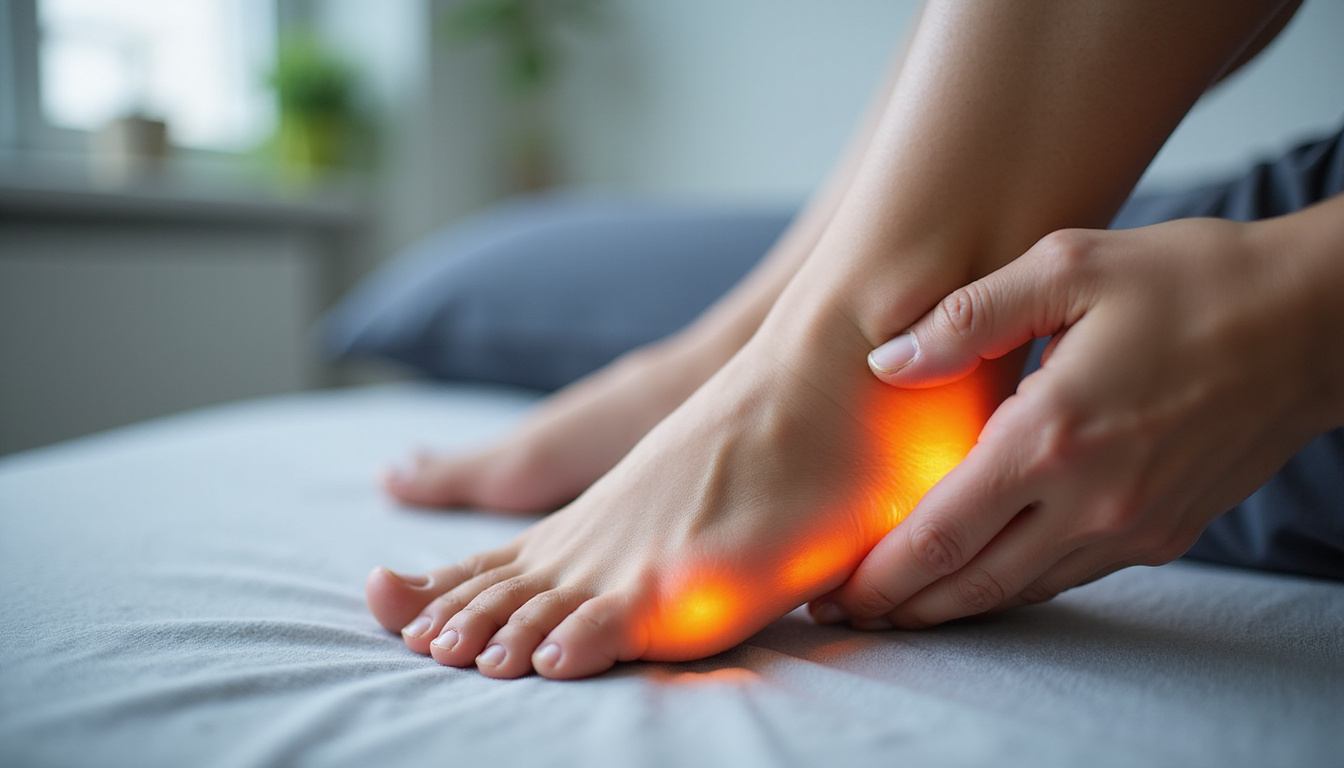
Pilates practitioners rely on clear body signals. The plantar fascia is a thick band under your foot. It supports your arch and absorbs shock. Overuse from standing, walking, running, or excessive load may irritate it. Pain may appear near the heel.
Pilates factors include:
• Barefoot training on hard floors
• Hypermobile feet that collapse under weight
• Tight calves, hamstrings, and deep hip rotators
• Uneven load sharing between feet, hips, and core
• Quick increases in jumpboard or standing reformer work
The term “plantar fasciitis” is common. Yet many factors can cause this pain. If your pain grows worse or stays severe, please see a licensed health professional before changing your routine.
How Pilates Can Help Your Heel and Arch Feel Better
Pilates helps through careful alignment and load sharing. It does not use brute force. For plantar fasciitis relief, Pilates aims to:
• Increase foot and ankle mobility gently
• Strengthen small muscles in the foot
• Balance flexibility and strength in the calves and back
• Improve alignment from hip to toe
• Reduce load while keeping you active
This approach re-educates your lower body. It stops the plantar fascia from taking too much strain.
Pre-Session Check-In: Your Foot Awareness Scan
Before each session, take 60 seconds for a quick “foot scan.” This keeps you aware of pain. Follow these steps:
-
Stand neutrally in a Pilates stance or parallel hip-width stance.
• Feel which foot bears more weight.
• Notice if your heel, midfoot, or forefoot takes the pressure. -
Do a mini plié (small knee bend).
• Watch your knees move over your second toes.
• Check if your arches lift or collapse.
A sharp or rising pain signals that you should stop or modify standing and jumping moves. Instead, focus on non-weight-bearing exercises that day.
Simple Pilates-Based Exercises for Plantar Fascia Relief
You can add these moves into your warm-up or cooldown. They can work on the mat, at home, or in the studio. Stay within a comfortable range. Mild discomfort is fine; sharp or worsening pain is not.
1. Foot Domes (Short Foot Activation)
• Purpose: Wake up the small muscles and support the arch.
• Stand in a parallel, hip-width stance. Use a wall or chair for balance.
• Spread your toes gently. Draw the ball of the big toe toward the heel so that the arch forms a subtle dome.
• Keep the big toe pad lightly touching the floor.
• Hold for 5–8 seconds, then relax.
• Repeat 8–10 times per foot.
Think of this move as a gentle arch lift. Use the same care as you would when drawing in your abdominals.
2. Calf and Plantar Fascia Stretch with Pilates Alignment
• Purpose: Lengthen the muscles that pull on the heel.
• Stand facing a wall. Place your hands on the wall at shoulder height.
• Step one leg back with the heel fully down and the leg straight.
• Bend the front knee slightly while keeping your pelvis square.
• Keep your weight even across your back heel.
• Hold this stretch for 30 seconds. Breathe sideways into your ribs.
• Switch sides.
To focus on the plantar fascia, rest the front foot on a folded towel and raise your toes a bit. Then repeat the position.
3. Seated Foot Articulation (“Point and Flex with Intention”)
• Purpose: Move the ankle and foot without putting them under load.
• Sit upright on a mat or reformer carriage with a neutral pelvis.
• Extend one leg with the heel on the mat and the toes toward the ceiling.
• Slowly point your foot. Start at the ankle, then move to the ball, then to the toes. Stay gentle.
• Slowly flex your foot. Draw the toes, ball, then ankle back, like a controlled “dorsiflex and point” in Footwork.
• Repeat 8–12 times per side.
Keep your back long and your core engaged. Let the movement stay controlled and integrated.
4. Towel Scrunches for Intrinsic Strength
• Purpose: Build strength in the small stabilizer muscles of the arch.
• Sit in a chair with a neutral spine and flat feet.
• Place a small towel under one foot.
• Using your toes, scrunch the towel gently toward you.
• Reset and continue for 60–90 seconds. Then switch feet.
Keep each scrunch smooth and controlled. Think of this as “toe pulls” done with Pilates precision.
5. Bridge with Foot Focus
• Purpose: Teach the posterior chain to share the load.
• Lie on your back with knees bent and feet hip-width apart. Keep your pelvis neutral.
• Before lifting, feel your “tripod foot contact”: the base of your big toe, little toe, and the center of your heel.
• Exhale. Engage your abs and press through these tripod points to lift your spine into a bridge.
• Inhale at the top. Exhale to roll down slowly through your spine.
• Repeat 8–10 times.
If your heel is tender, place a folded towel under it for extra cushioning. Stay mindful of that tripod contact.
6. Reformer / Studio Modifications
When you are in the studio and your symptoms flare, try these adjustments:
• Footwork:
– Use your heels on the bar or lower your toes on the bar to reduce heel pressure.
– Avoid strong plantar flexion if it causes pain.
• Jumpboard:
– Reduce or take a break from jumping.
– Use lower springs. Land softly with control during eccentric work.
• Standing on the reformer or Cadillac:
– Shorten your stance and reduce the range of movement.
– Monitor your heel closely and keep vertical alignment from hip through knee to second toe.
Talk with your instructor. They can help tailor your moves so you stay active without irritating your feet.
Daily Habits That Support Your Pilates Plantar Fasciitis Recovery
Small daily changes can help just as much as your workouts. Consider these habits:
• Gradual load exposure: Increase your activity slowly. Do not jump overnight from sedentary to very active.
• Supportive footwear: Use shoes with good arch support and cushioning when you are not practicing.
• Smart warm-ups: Start with a quick foot/ankle routine—like Foot Domes and Seated Foot Articulation—before standing exercises or jumpboard work.
• Post-session recovery: Stretch your calves gently, use a small ball for soft-tissue work under the arch, and elevate your feet if needed.
• General activity: Maintain a healthy body weight and stay active to reduce extra load on your feet (source: American Academy of Orthopaedic Surgeons).
Adjust your exercise volume and intensity based on how your body feels over the next 24–48 hours, not just during your session.
Safe Supplement Support for Joints and Muscles
Many Pilates practitioners like to boost their joint and muscle health with healthy lifestyle choices:
• Eat balanced meals and stay hydrated.
• Get enough protein for muscle maintenance and recovery.
• Enjoy proper rest and sound sleep.
• Use dietary supplements thoughtfully.
In the United States, dietary supplements are treated as foods. They are not meant to diagnose, treat, cure, or prevent any disease. Use any supplement to support your overall wellness, not to replace personalized medical care.
If you consider supplements to help your joint and muscle comfort while practicing Pilates, talk with a qualified healthcare professional. Follow the label directions carefully.
FAQs About Pilates and Plantar Fascia Discomfort
-
Can Pilates worsen plantar fascia pain?
Pilates may worsen the pain if you do too much standing work, jumping, or heavy heel loading before your tissues are ready. With smart modifications—more mat and reformer work, less impact, and careful alignment—Pilates can help manage plantar fasciitis and improve overall function. -
Which Pilates exercises help plantar fasciitis relief?
Exercises that do not load the feet heavily work best. Try bridges, supine Footwork (with modified foot positions), foot doming, towel scrunches, and gentle calf stretches. These choices can slowly reduce day-to-day heel and arch pain. -
How do I modify my Pilates practice if I have chronic heel pain?
Reduce jumping, long standing series, and extreme plantar flexion. Focus on precise alignment, lighter spring settings, and more supine or side-lying exercises. Share your symptoms with your instructor so they can help you keep a neutral foot position, monitor your knee tracking, and avoid overloading your pain area.
Why Discerning Pilates Practitioners Consider Regenerix Gold
Pilates people are thoughtful about self-care. They invest in careful movement and quality instruction for long-term function. They also know that untreated discomfort can lead to missed classes, specialist visits, or time off work. These costs add up both financially and emotionally.
Regenerix Gold is a dietary supplement meant to support healthy joints and muscles. It helps people move with confidence—from Footwork to Teaser to balance work. Although it does not diagnose, treat, cure, or prevent disease, many practitioners find comfort in a daily, targeted supplement. It works best alongside Pilates, good nutrition, and recovery strategies.
If you plan ahead to keep your body strong instead of facing future medical bills and downtime, Regenerix Gold may fit well into your routine. It is designed for those who lead in wellness, for whom studio peers ask advice when joint or muscle pain appears.
Talk with your healthcare provider to check if Regenerix Gold suits your needs. Consider how it might join your plan to keep moving freely, teach or train confidently, and stay ahead in both performance and long-term well-being.
Regenerix Gold
Health Note
Always consult a licensed medical doctor for your health issues.
Special Discount
If you prefer preventive nutrition to minimize expensive knee surgery and potentially addictive pharmaceuticals, Regenerix Gold is your savvy solution.
You qualify for a special discount.
Simply use the link below and a discount will automatically be applied during checkout.
Get Regenerix Gold => HERE


