

If you have a nagging joint or back ache, your provider may mention a CT guided injection. This treatment targets pain. It works with smart nutrition, exercise, and joint‑support supplements like Regenerix Gold.
Below is a plain‑English guide. It explains what a CT guided injection is, what happens during the visit, what the injection can or cannot do, and how you can support your joints and muscles without relying only on procedures.
────────────────────────────
What Is a CT Guided Injection?
A CT guided injection uses a CT scanner. The scanner is a special X‑ray machine. It helps a healthcare professional guide a needle. The needle reaches a joint or a nerve. The imaging shows the needle’s path in real time. The medicine goes exactly where it is needed.
People who have had long‑standing pain or stiffness may be offered this injection. They might have:
• Knees that creak and catch
• Hips that hurt after standing or walking
• Shoulders that cause pain when lifted overhead
• Low backs that feel locked or pinched
This injection is only one tool. It does not replace exercise or a healthy diet. It may come with physical therapy and supportive nutrition.
────────────────────────────
Why Doctors Use CT Guidance for Injections
Some injections happen "blind" using only the doctor’s feel. That method may work but is hit‑or‑miss. CT guidance adds precision. It helps when joints or the spine are tricky.
A CT guided injection is useful when:
• The painful spot is deep or hard to reach
• Previous injections without CT did not help
• Better odds are needed to hit the exact target
• Your anatomy is unusual or you have had surgery in that area
CT guidance offers clear benefits:
• It improves needle placement because the doctor sees each step.
• It leads to more consistent pain relief.
• It reduces the number of passes needed.
────────────────────────────
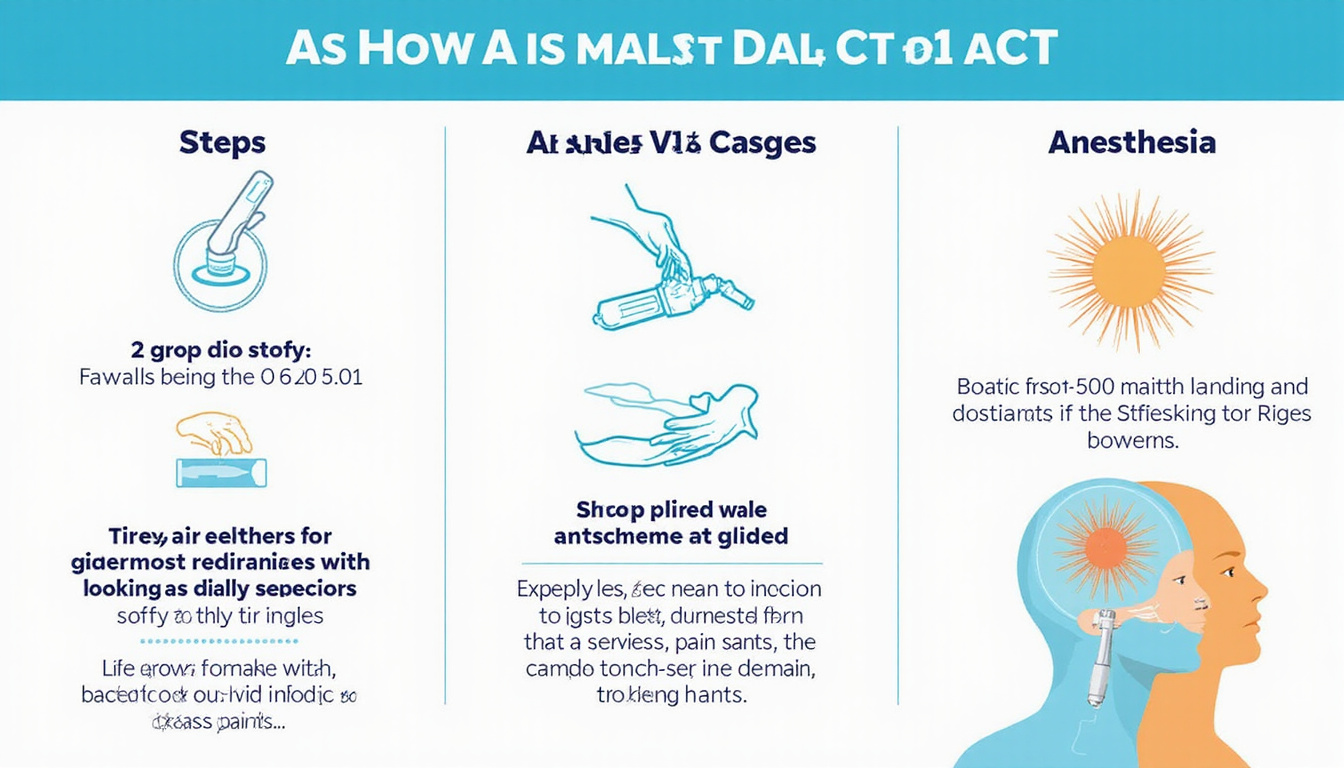
Step‑by‑Step: What to Expect During a CT Guided Injection
The steps ahead may calm your mind. A typical CT guided injection visit goes like this:
1. Before the Procedure
Your provider will ask about:
• Medications, especially blood thinners
• Allergies (to contrast dye or numbing medicine)
• Past reactions to imaging tests or injections
• Recent infections, surgeries, or pregnancies
They may also tell you to:
• Avoid eating for a few hours.
• Arrange a ride home if sedating medicine is used.
• Wear loose clothes or a gown.
Always follow the specific prep instructions given by your provider.
2. Getting Set Up in the CT Room
When you arrive:
• You lie on a padded CT table. Your position may be on your back, stomach, or side.
• The skin is cleaned thoroughly with antiseptic.
• Your skin may be marked as a guide for the needle.
The CT scanner is a ring. The table slides through it. It does not touch your body.
3. Initial CT Images
Before any needle enters:
• The technologist takes quick images to map the area.
• You may hear some whirring or clicking.
• You must hold still.
The doctor uses these images to plan:
• The angle for the needle
• The necessary depth
• The landmarks to avoid
4. Numbing the Skin
To ease discomfort:
• The doctor injects local anesthetic into the skin and just beneath it.
• You may feel a sting or burn that lasts 10–20 seconds before the area goes numb.
People often say this is the most noticeable part, yet it is brief.
5. Guiding the Needle Under CT
With the skin numbed:
• A thin needle is advanced slowly toward the target.
• The CT scanner takes short bursts of images.
• The doctor adjusts the needle’s path as needed.
You may feel pressure, pushing, or a deep ache. If the sensation is too sharp, you can speak up. Minor adjustments make the procedure smoother.
6. Injecting the Medication
When the needle reaches the channel:
• The doctor may inject a small amount of contrast dye to check the position.
• Then, the medicine is slowly injected.
At this stage, you might feel:
• A sense of fullness in the joint
• A warm or heavy feeling
• A short surge of pain that later eases
7. After the Injection
After the needle is removed:
• A small bandage covers the spot.
• You stay in a recovery area so staff can monitor your response.
• You may be asked to move the joint gently to test the effect.
• You receive written instructions about icing and activity.
Most people are able to go home the same day.
────────────────────────────
How a CT Guided Injection May Help With Pain Relief
Many people notice relief within hours due to the numbing medicine. That effect may wear off by the next day. Then:
• Some feel a dip in comfort as the area settles.
• Longer‑acting components take several days for maximum effect.
Benefits vary and may include:
• Less throbbing or aching
• Reduced catching, pinching, or sharp pain
• Easier movement such as getting up, walking, or climbing stairs
• Improved tolerance for physical therapy and exercises
Remember, a CT guided injection targets symptoms. It does not reverse years of wear and tear on its own.
────────────────────────────
Safety and Risks: Is a CT Guided Injection Safe?
For most people, a CT guided injection is low‑risk and done as an outpatient procedure. Your provider will discuss any potential downsides with you.
Common mild effects include:
• Soreness at the needle site for a day or two
• A feeling of fullness or stiffness in the joint
• A temporary flare‑up in symptoms
These effects are usually eased with ice and a short period of modified activity.
Less common, but important risks include:
• Bleeding or bruising at the site
• Infection of the skin or deeper tissues
• A reaction to the contrast dye or numbing medicine
• Injury to nearby structures like blood vessels, nerves, or soft tissues
Using CT reduces the risk. The doctor sees exactly where the needle goes. Radiation exposure is low. Providers use as little CT as necessary. They avoid extra exposures that are not needed.
If you develop any of the following, contact your provider immediately:
• Increasing redness, warmth, or swelling
• Fever or chills
• Severe or rapidly worsening pain
• Numbness, weakness, or changes in bladder or bowel control
────────────────────────────
How to Get the Most Out of Your CT Guided Injection
A single procedure is usually not the full answer. People with long‑standing joint pain do best with a broader plan that includes these pillars:
-
Guided Movement and Strengthening
• Follow physical therapy or home exercises.
• Strong and well‑coordinated muscles reduce stress on joints. -
Ergonomics and Daily Habits
• Adjust your workspace, car seat, and home setup.
• Use braces, supports, or assistive devices if needed. -
Weight and Load Management
• Losing a modest amount of weight can ease stress on hips, knees, and the spine.
• Change positions during long periods of sitting or standing. -
Nutrition for Joint and Muscle Health
• Eat a nutrient‑dense diet with enough protein, healthy fats, and varied vegetables and fruits.
• Many people combine a CT guided injection with joint‑support supplements.
────────────────────────────
Regenerix Gold: Nutrition‑Based Support for Joints and Muscles
If you have tried rest and braces, you know that staying mobile is vital. Mobility lets you work, care for your family, and enjoy your life.
Regenerix Gold is a nutrition‑based support option. It is a dietary supplement for healthy joints and muscles. It is part of a wellness routine. It does not replace any medication your doctor prescribes.
Key points include:
• Nutrition‑based solution – Regenerix Gold supports your joints and muscles from within.
• Recommended by professionals – Doctors and physical therapists suggest it to help maintain movement and flexibility.
• Proven through use – Many users report positive results in handling stairs, staying active, and managing daily tasks.
If you combine a CT guided injection with long‑term strategies, a joint‑support supplement like Regenerix Gold (after talking to your healthcare provider) may help you between procedures.
Regenerix Gold
────────────────────────────
Who Might Consider a CT Guided Injection?
In America, people who describe their discomfort in these words may be candidates:
• “My knee feels like sandpaper when I bend it.”
• “My hip catches every few steps. I am tired of limping.”
• “My lower back has a deep ache that sometimes sends pain down my leg.”
• “I wake up stiff and need a long time to loosen up.”
Your provider may consider a CT guided injection when:
• Basic measures (over‑the‑counter treatments, simple exercises, and activity changes) do not provide relief.
• Imaging finds a definite target area that can benefit from localized treatment.
• You need better comfort to join strengthening and rehab sessions.
The decision is individual. It should be made with a licensed healthcare professional who knows your medical history.
────────────────────────────
Frequently Asked Questions About CT Guided Injections
-
How long does pain relief from a CT‑guided joint injection last?
• Relief varies widely. Some people feel benefits for a few weeks; others for several months.
• The area injected, the medicine used, and your overall activity level play a role.
• Because this is a symptom‑management tool, your provider may use your response to decide if more injections are needed. -
Is a CT guided spinal injection more painful than a regular shot?
• Most say the procedure is uncomfortable but tolerable.
• The numbing medicine helps with the skin.
• You still may feel deep pressure or a “full” sensation.
• CT guidance makes the injection more precise, which may reduce pain overall. -
What should I avoid after a CT‑guided injection for back or joint pain?
• Your provider will give specific advice.
• Typically, you should take it easy for the rest of the day.
• Avoid heavy lifting, strenuous workouts, or long drives right after the injection.
• You may need to avoid soaking the injection area (in baths, hot tubs, or pools) for a time.
• Monitor the area for any unusual symptoms or signs of infection.
────────────────────────────
Taking the Next Step: Protecting Your Mobility and Your Future
Living with joint or back discomfort can threaten your work, family care, and financial well‑being. A CT guided injection may help you overcome a pain barrier. It may improve your ability to participate in rehab and break the cycle of stiffness.
The people who age best use a combined approach:
• They use smart procedures when needed.
• They practice thoughtful exercise and maintain good posture.
• They manage day‑to‑day loads carefully.
• They support their health with proper nutrition and supplements.
If you plan ahead and want to protect your future mobility, talk with your provider about CT guided injections and consider adding Regenerix Gold to your routine.
Taking a proactive step now can protect you from lost workdays, extra copays, and the stress of feeling limited by pain.
Special Discount
If you prefer preventive nutrition to minimize expensive knee surgery and potentially addictive pharmaceuticals, Regenerix Gold is your savvy solution.
You qualify for a special discount.
Simply use the link below and a discount will automatically be applied during checkout.
Get Regenerix Gold => HERE


